
Replacing window glass: costs and keeping the frame

Planning window repairs properly
Cracked glass, persistent misting between panes or a single draughty window quickly raises a question: is replacing the glass enough, or does the entire window need replacing? The right decision starts with the existing construction, not the price per pane. Glazing, frame, hardware, seals and the wall connection work together as a system. If the frame is dimensionally stable, dry and functional, replacing the glazing can be a clearly defined repair. If there is distortion, leaks at the building fabric or stiff sashes, replacing only the glass may conceal the more important issue. This guide helps you request comparable quotations and coordinate glass replacement sensibly with other building work.
Quotation check 1
The decision concerns the window, not the visible damage alone
Visible damage to the glass does not necessarily mean that only the pane is affected. A local break caused by impact or stress may support a targeted replacement where the window otherwise closes well. Misting between panes, by contrast, indicates that the insulated glass unit has lost its seal. The frame may still be usable, but the glazing rebate and drainage deserve close attention. Have more than the visible face checked: inspect both sides of the window, outside in daylight and inside with the sash closed. Note whether moisture, discolouration, flaking, draughts, rattling or operating problems occur at the same time.
The practical question is: can the existing sash reliably support the new glazing? This requires square corners, secure glazing beads, an undamaged rebate base and hardware that guides the sash without rubbing. With a single inward-opening window it should be assessed separately whether the glazing is defective or whether the sash is already rubbing against the frame. Replacement glass does not automatically solve the second issue. Ask for a written assessment explaining which components will remain, which will be repaired and what risks the contractor sees during refitting. This turns a general repair request into a verifiable scope of work.
Assess frame and sash before measuring
For timber frames, soft areas, broken coatings, dark staining and moisture traces at the lower section or corners are important warning signs. A specialist can determine whether these indicate surface maintenance needs or more extensive damage. uPVC and metal frames should be checked for cracks, distortion, damaged welded or corner joints, and firmly seated seals. Age alone is not decisive. An older, carefully maintained window may suit new glazing, while a newer component with a distorted sash may require a more comprehensive solution.
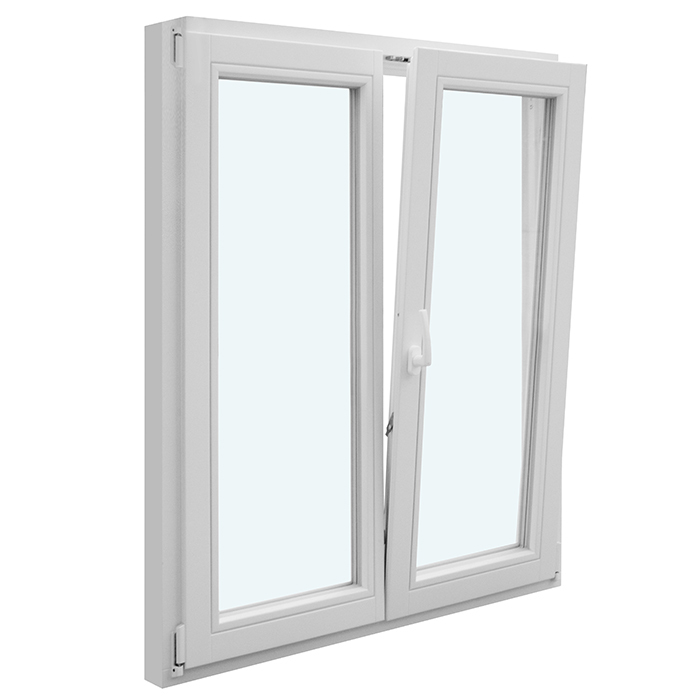
Check operation under real conditions too. Open and close the sash several times, lock it at every point and observe whether the seals are compressed evenly. With a double inward-opening window the central meeting stile, closing sequence and interaction of both sashes also matter. If one sash drops or the other closes only with pressure, adjustment or repair should be clearly listed in the quotation. Ask whether the planned glazing accounts for the existing sash weight and hardware arrangement. A quotation without this construction review is difficult to compare with one that describes inspection, adjustment work and glass replacement together.
Quotation check 2
What a glass-replacement quotation actually includes
A reliable total is built from individual work stages, not a general price per square metre. Measuring determines the actual glass unit and its edge treatment. Other items include the glass type, removal of old glazing, new sealing and setting-block materials, fitting, sealing, function testing and removal of waste. Work can be more difficult for large or high-level elements, tight interiors, delicate finishes or external fitting that requires special access equipment. Special shapes, glazing-bar layouts and adjoining fixed lights often increase coordination, even where damage is visible in only one section. For several affected windows, you should also be able to identify which costs apply to each element and which services are charged once for the whole job. This makes it easier to see whether carrying out the work together is organisationally sensible, without assuming quantity discounts. Temporary protection after breakage, a second visit, or a separate lifting and transport plan can also be individual items. Ask whether the total covers the complete process from initial measuring to usable handover.
Compare quotations line by line. If they simply say “replace pane”, it remains unclear whether measuring, travel, protective measures, disposal and reinstatement of glazing beads are included. For a fixed-glazed window the removal process differs from that for an opening sash because no hardware adjustment is required, although protecting adjacent components remains equally important. Also request a description of the proposed glazing rather than comparing only a final amount in EUR. If damage to the rebate, beads or seals becomes visible during removal, the quotation should explain how additional work will be agreed. This provides cost transparency without assuming a diagnosis in advance.
New glazing must suit the existing construction
Not every glazing specification desired today can simply be fitted into every old sash. The thickness of the glass build-up, its weight and the position of the panes affect its fit in the rebate, the setting blocks and the load on hardware. The contractor should therefore measure the existing rebate and propose a suitable build-up. Ask about the visible edge appearance, edge seal and how the junction between glass and frame will be sealed. With existing windows, visual effect can matter too: reflections, colour appearance and spacers may differ from the other windows.
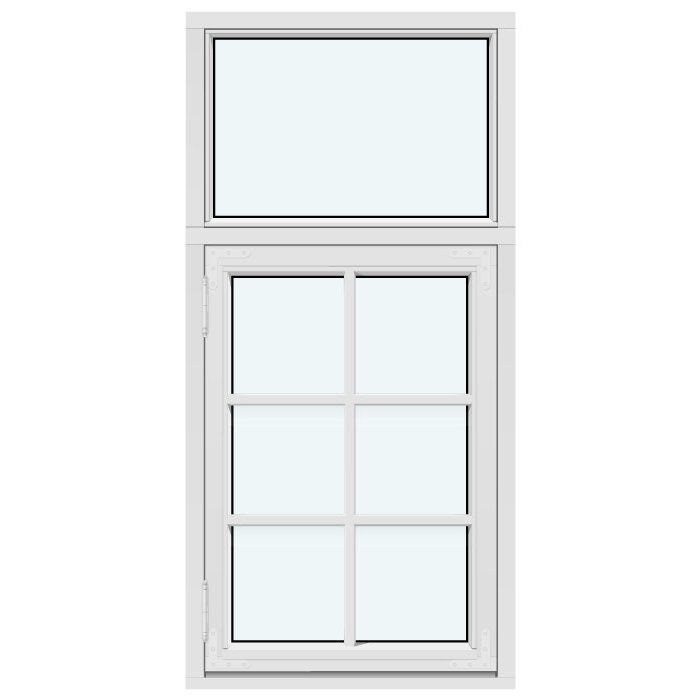
For windows with glazing bars, first establish whether they divide the glass or are applied decorative elements. These constructions require different measurements and glass assemblies. Anyone wishing to retain an older building’s character should, with an outward-opening historic-style “Kombi” casement window not simply ask for “glass like before”, but document sightline widths, the glazing-bar solution and the position of the damaged section. A sample or detailed sketch can prevent misunderstandings. The technically most suitable pane is not automatically the best visual match; equally, design must not override safe fixing and durable sealing.
Quotation check 3
Seals, glazing beads and drainage are part of the job
New glass performs properly only when it is correctly supported and protected all round from weather and moisture. Seal inspection should therefore not be treated as a minor matter. Porous, shrunken or split seals can allow an existing leak to continue even though the insulated glass unit is new. For timber windows, the condition and fixing of glazing beads are particularly relevant. With other frame materials, it must be checked whether beads can be removed without damage and whether matching replacement parts are available. A careful quotation distinguishes the glazing work from necessary associated tasks. It is also useful to separate parts to be renewed as a precaution from those whose condition becomes apparent only once the glazing rebate is opened. An approval process should be agreed beforehand for both cases. Clarify whether the contractor will contact you before extra work, photograph the findings or pause until a defined decision is made. This keeps you in control of the scope without making it harder for installers to respond to concealed damage.
Look for moisture traces at the lower frame area and ask where water from the glazing rebate is directed. Blocked or damaged drainage paths can become a greater long-term problem than a single faulty pane. This also applies to an top-hung outward-opening window, where opening method, weather exposure and accessibility affect the inspection. The contractor should explain whether existing seals can be reused, must be replaced or can only be assessed finally after removal. Do not accept a blanket assurance that they can be reused if their condition has not been checked on site. Clear documentation before work starts makes joint acceptance after installation easier.
Putting condensation in context without confusing causes
Condensation on the room side differs from moisture between two panes. Internal condensation forms when humid room air meets a cold surface; it can indicate patterns of use, ventilation, room temperature or the window’s surface temperature. Moisture in the cavity between panes, however, indicates a leaking insulated glass unit. External condensation may also appear under certain weather conditions and is not automatic evidence of damage. A photograph alone is rarely enough for diagnosis. Record which side shows moisture, when it occurs and whether it returns after wiping.
Replacing glass can remedy a failed insulated glass unit, but it cannot remove a moisture source in the room or a leak at the wall connection. If mould appears at the reveal, do not rush to replace the pane alone. The window, junction and room conditions should then be considered together. With a outward-opening Super Low Uw passive-house window it would likewise be wrong to infer performance in a particular building from the product name alone: a component value and the behaviour of an installed window are different matters. Seek suitable professional advice for recurring moisture and coordinate measures before treating surfaces merely cosmetically.
Quotation check 4
Single repair or complete replacement: the comparison
Glass replacement is especially plausible where damage is clearly limited and the frame, sash and operation remain convincing. Complete replacement becomes more relevant where several parts show issues at once: distorted sashes, recurring sealing problems, significant frame repairs or a poor connection to the wall. Do not decide from the current bill alone. Instead, ask what work is likely to remain after glass replacement and how much this will affect future benefit and effort. A repair can be a deliberate interim solution, but should not be mistaken for a full refurbishment.
For a larger opening with Patio Life lift-and-slide doors a system-wide view is particularly important: glass, moving sashes, running tracks, seals and threshold jointly affect use. A damaged pane may be replaceable separately, while difficult movement or a conspicuous junction requires different investigation. Obtain comparable descriptions for both routes: first, glass replacement including associated work; second, replacement of the whole element including removal, connection work and reinstatement of adjacent finishes. Comparison is not improved by favouring one route in principle, but by equally clear scope boundaries. This shows which option suits the actual condition and your wider refurbishment plans.
Plan measuring, access and protection of the home
Before measuring, move or cover furniture, plants and delicate items in the work area. The contractor needs access from inside and, where necessary, outside, sufficient space for safe handling, and clear information about upper floors, narrow stairwells or difficult-to-reach façades. This is not a formality: large panes cannot be transported like small sashes, and protective measures affect the workflow. Also state whether children, pets or an operating business require special scheduling or safety arrangements. This enables realistic planning rather than on-site improvisation.
For roof and special windows, establish position and shape early. A pivot roof window creates different demands for access, internal finishes and weather protection than a ground-floor window. Before a visit, send close and wider photographs, the opening direction, approximate width and height, plus images of the reveal. This information does not replace binding measurement, but helps with preparation. Ask whether the sash will be removed for the work, how the opening will be protected in the meantime and which room surfaces will be covered. Also agree who will dispose of glass fragments, packaging and any removed beads after completion.
Quotation check 5
Coordinate glass replacement with other trades
A single pane replacement can be carried out independently. However, if façade work, internal plaster, shutters, window boards or sealing are already being addressed, joint scheduling is worthwhile. Newly installed glass should not be damaged by later work, and freshly completed junctions should not be reopened by other trades. Create a simple order: condition survey, decision on repair or replacement, measuring, scheduling, protection, installation and acceptance. Name one person to coordinate queries. This is especially helpful in rented or occupied properties, preventing unnecessary visits and unclear responsibilities. Add specific handover points: who removes existing sun shading, who protects the window board and who reinstates damaged plaster or paintwork? Also note which measurements or decisions one trade needs from another. A short written interface list is often more useful than a timetable without responsibilities. It identifies early whether the glazing contractor is supplying only the glazing or also offering work to frames and adjacent surfaces.
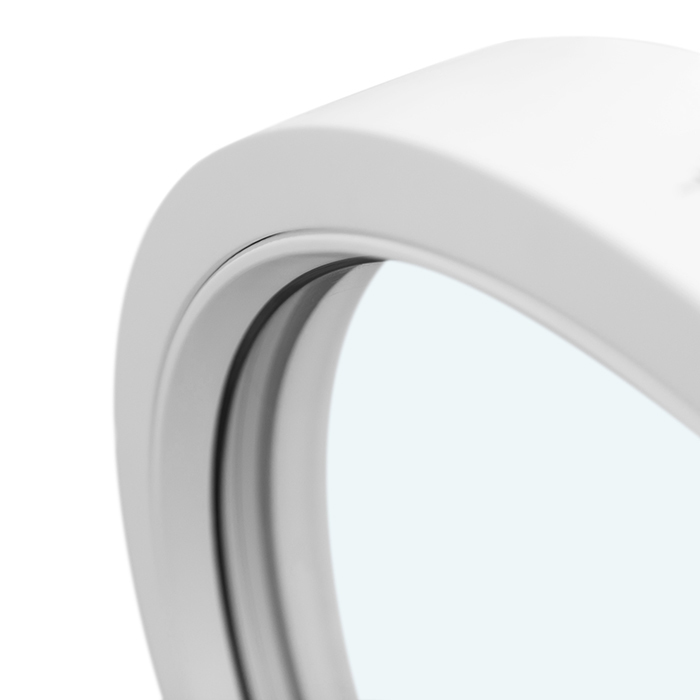
For alterations involving new openings, structural changes or façade work, glazing alone is insufficient. The design must coordinate the window, building connection and adjacent components. A triangular or sloping fixed-glazed window needs precise measurement and a clear interface with alteration work because standard dimensions cannot replace its shape. In Malta, ask a perit to confirm the Planning Authority classification and whether site, heritage or existing-permit conditions require permission or notification. Have suitable professionals assess structural and other project requirements. This guide does not replace planning or condition diagnosis. Early coordination ensures that everyone understands the same work boundary; it does not create blanket assurances.
Document quotation, acceptance and guarantee carefully
A good quotation identifies the affected element clearly: room, position, approximate size, opening type and nature of damage. It describes the planned glazing, removal and fitting, sealing and setting-block materials, required access and disposal. If alternatives are offered, each option should have its own scope. Ask about the anticipated process following order confirmation; Bloomcabin windows and doors have a delivery time of 4–6 weeks, subject to order confirmation. Schedule other trades only after the exact order and installation process have been agreed. Before approval, check dimensions, quantity, position of every element and opening type again against the order confirmation. Also check whether similar windows in the same room are clearly identified, for example by a sketch or position number. Ask for vague wording such as “as required” to be explained: what matters is who identifies the need, what consultation takes place and how additional costs are approved. A list of expressly excluded work is equally useful, so painting, plastering or connection work is not assumed later by mistake.
Inspect the work in good light. Check the glass surface and edges for visible damage, the secure fit of beads and seals, opening and closing of the sash, and cleanliness of the work area. With a double outward-opening casement window, acceptance should cover both sashes, the locking mechanism and their interaction at the meeting stile. Record any concerns with photographs and report them promptly to the contractor. Bloomcabin windows and doors include a 5-year manufacturer guarantee, subject to its terms. Keep the order confirmation, product documents, pre-work photographs and invoice together; these records make future queries much easier.
Frequently asked questions
Can one pane in an insulated glass window be replaced?
In many cases, it is not just one layer of glass but the complete affected insulated glass unit that is replaced. Whether this is possible depends on the existing sash, glazing rebate, beads and suitable new glazing. A specialist should inspect the window before final measurement.
When does misting between panes justify replacement?
Misting in the cavity between panes typically indicates that the insulated glass unit is no longer sealed. If the frame is otherwise in good condition, replacing the unit may be possible. Seals, glazing beads, drainage and sash operation should also be checked.
Must the window sash always be removed when replacing glass?
That depends on the construction, size, position and working access. Some glazing can be worked on with the sash in place, while other methods require removal or special securing. Before work begins, the contractor should explain the method, protective measures and consequences for adjoining surfaces.
Can I choose a different appearance after glass replacement?
This is fundamentally a design question, not merely a repair question. Reflections, colour impression, glazing-bar pattern and visible edges may change. For a window with several similar elements, coordinate with the other elevations so the replaced section does not stand out unintentionally.
Which documents help when requesting a quotation?
Useful items include photographs inside and out, details of the room, opening method, visible damage and approximate width and height in cm. Previous invoices or product documents can also help. This information supports preparation but does not replace professional measurement at the property.
Next steps
Replacing glass is not a stopgap when the existing construction can support it. It can be a clearly limited, sensible step once the frame, sash, seals, glazing rebate and operation have been professionally checked. The best enquiry therefore contains more than dimensions and a photograph of the damage: it describes the condition, accessibility, desired appearance and adjoining work. Compare complete scopes of work, not just amounts in EUR. If inspection reveals several weaknesses, it makes sense to assess the alternative of complete window replacement at the same time. This lets you decide on the basis of the entire component rather than the defective pane alone.
