
How to Shade a Garden Shed with a Large Glass Front
Garden shed planning
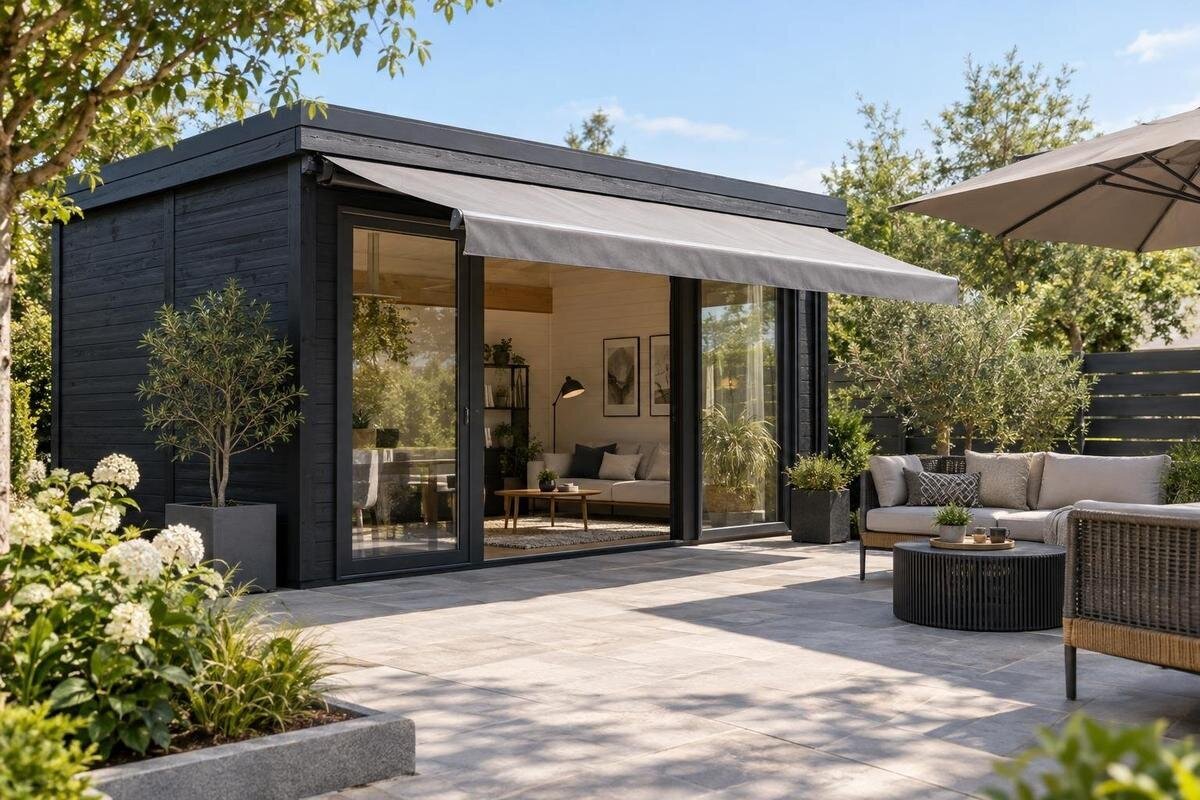
Shading a garden shed with a large glass front means balancing unwanted direct light and sightlines with the daylight and view that make the glazing appealing. The right choice depends on when the sun reaches the front, where you sit or work, how much privacy you need and how the panels open. A covering that reduces glare at one time may not help when the sun is low, while shading the whole front can make the interior feel closed. This guide explains how to plan coverage, compare inside and outside options and check compatibility before ordering, without assuming one arrangement suits every garden house.
Set the purpose for shading
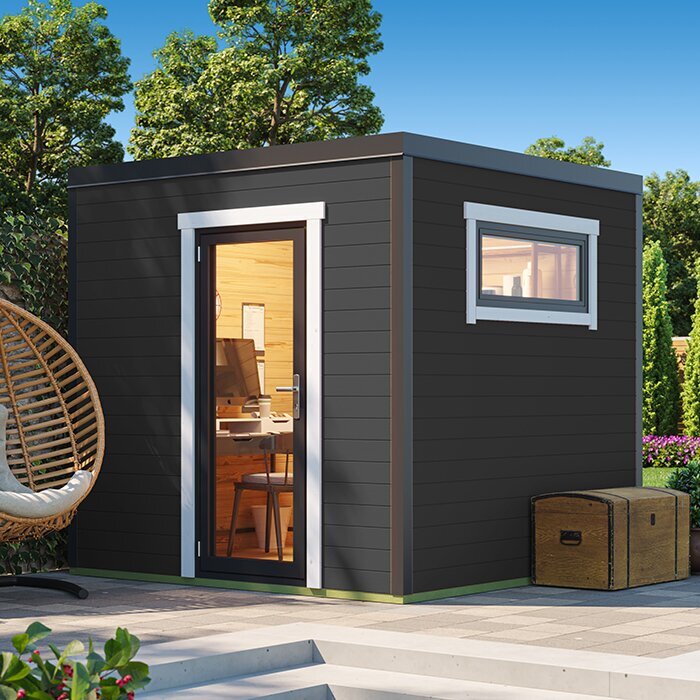
A large glazed front gives a garden shed daylight and a broad view, but direct sun can cause glare or make the space feel exposed. Define the outcome you want: soften a bright patch at a desk, reduce a reflection on a work surface, limit views from a path, or block sun at particular hours. These needs differ. A translucent covering may diffuse light without providing night-time privacy, while an opaque panel may hide the view but darken the room. A catalogue entry such as the Verdana 1 garden shed page is only a starting point: check the supplied drawings and glazing information, because a model name cannot establish which shade will fit.
Write down how you expect to use the garden house rather than starting with a shade style. Reading or screen work calls for attention to glare at eye level; a potting bench, craft table or occasional seating area may need light over one part of the room but not another. Note whether the problem happens on every visit or only at a specific time, and whether more than one person uses the space. Also decide how important an uninterrupted garden view is. These notes make comparisons concrete: an adjustable filter may suit changing tasks, whereas a fixed barrier can be excessive if you need to tame only a brief beam.
Track sunlight across the front
Before ordering, record which way the glass front faces and where direct sun appears during the day. An east-facing front often receives earlier light and a west-facing one later light; south-facing glass in Malta may catch strong sun, but nearby walls, trees and roof projections alter the result. Treat compass direction as a clue, not a specification. Observe the shed at the hours you plan to use it, and repeat at another season if possible. Note moving shadows and reflected light from pale walls or paving, which can create glare even when direct sun is blocked.
Look from the positions you will actually occupy, both standing and seated. A glare spot on a screen, a reflection on a table and a direct beam in the doorway can fall in different places, so mark each separately. Note its direction and duration rather than recording only that the room is bright. If the problem occurs at one desk, shading the full glazed front may not be necessary. For each candidate shed, collect the actual opening measurements and glazing details; the Verdana 2 garden shed page is one listing to assess according to what it states, not by assumptions based on its name. This keeps the shade plan tied to the real opening and the part of the room you use.
Compare outside and inside shading
Outside shading sits beyond the glazing and can intercept direct sun before it reaches the glass. Options include a purpose-designed exterior screen, awning or separate shade structure; the suitable choice depends on the opening, clearances and site. A fixed overhang covers certain angles but cannot be repositioned, while a movable screen offers control but requires consideration of its mechanism and outdoor exposure. Check that doors remain accessible and assess coverage at the hours that matter, since the shadow moves with the sun. Do not assume the roof, wall or glazing frame is intended to support an add-on. Ask the supplier and a qualified installer what the building and shade system allow before planning an attachment.
An internal roller blind, curtain or other inside screen is easy to operate from within the room and may suit a shed where outdoor access is limited. Direct light has already passed through the glass, however, so an interior blind mainly manages brightness and views; it is not interchangeable with outside shade. A layered arrangement can provide a lightly diffusing setting for ordinary daylight and a more complete screen when needed, but it uses more material and needs space around the opening. Treat the building and shading as separate purchase decisions unless a supplier confirms a combined package. When examining the Durano spacious garden shed listing, check any stated glazing and opening details rather than assuming that a particular blind or exterior fitting is included.
Choose how much of the glass to cover
Match coverage to where the sun and sightlines come from. A narrow band above the glass may reduce higher-angle light but leave a low beam untouched; a side screen may address that beam yet block part of the view. A full-width covering may dim the whole room when only one pane or corner causes discomfort. Check whether light enters at the edges or through another opening before deciding the screen width. If the front is divided into panels, note their boundaries because they may affect dimensions and controls. When glare changes across the day, consider shade that can be adjusted by section or drawn aside. Plan the uncovered portion to preserve a view, daylight near a worktop or access to a doorway.
Fixed and adjustable systems suit different routines. A fixed screen needs no daily operation, but its shade falls in the same place whatever task is taking place. A blind or retractable exterior shade can be opened when you want the view and closed when glare appears, although it adds parts that need care and should be used within the supplier's guidance. Think through whether someone will adjust it on each visit, who can reach the controls and whether they are accessible without moving stored items. Also consider whether the shade can remain in its chosen position while the shed is unattended. The easiest option to live with is one whose operation fits your habits.
Plan privacy without losing the view
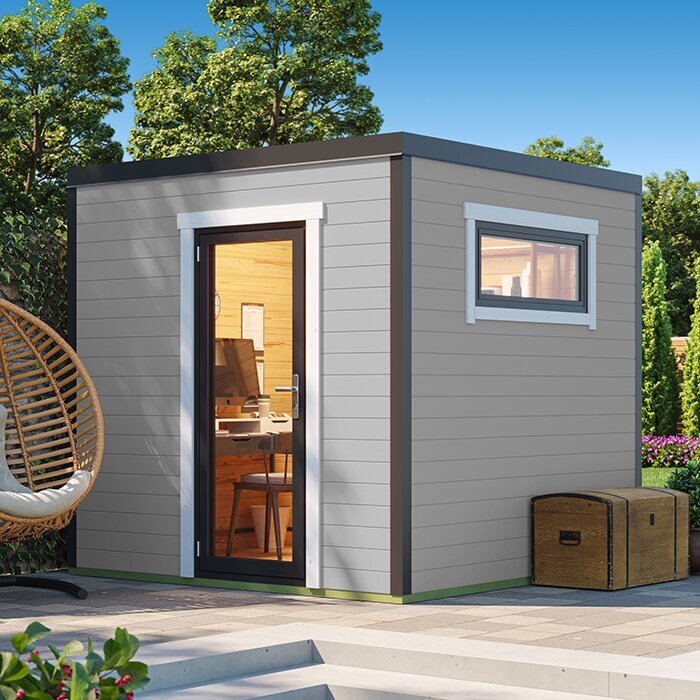
Privacy depends on viewing direction, glazing height and interior light as well as on the covering itself. Walk the paths and nearby sitting areas from which someone might look in, including relevant upper-window views. A sheer curtain or translucent screen can blur detail in daylight, but it is not reliable privacy after dark: when the interior is brighter than outdoors, silhouettes may remain visible. Reflective finishes can also change effect with the lighting. If evening privacy matters, plan a covering that closes sufficiently to screen the room rather than relying on its daytime appearance.
Use screening only where needed if preserving the garden outlook is important. A lower panel, side screen or planting may interrupt one sightline while leaving the rest of the front open, but check how it works from inside and outside. A curtain drawn across the whole front can offer more coverage but changes the interior's look and light. Before settling on an arrangement, verify the chosen building's actual glass and opening information; Veltor 1's product page is one listing to review, not a promise of a particular privacy feature. If neighbours' views may change, leave room to adjust the screen rather than fixing an oversized solution now.
Keep doors and the room layout usable
Check how the glazed front opens before choosing a track, rail or screen. Fixed panes, hinged leaves, sliding panels and folding arrangements need different clearances, and photographs may not show the full sweep or parking area. Confirm what moves, where handles sit and whether the shade will obstruct opening or closing. Mark the movement area on your plan and allow for carrying items through the doorway. A simple drawing showing the door open and closed can reveal conflicts before anything is ordered. Use the manufacturer's drawings and operating instructions for the exact model; do not infer the door arrangement from a product name.
Draw the inside layout as well as the glazing. A blind can conflict with shelving placed close to the wall, while an exterior screen may interfere with a path, planting bed or the space needed to open the doors. Keep controls reachable without shifting furniture, and avoid covering vents or any other opening needed for normal use. If the shade depends on a track or mount, ask whether its location is compatible with the shed's specified frame. The Orello 1 garden-shed listing is another page to assess: check whether drawings or opening details are provided, and request clarification rather than assuming a configuration from its title. Note where an open blind or screen will sit so it does not reduce useful room or access.
Verify glazing and fixing requirements
Find out what glazing is supplied and whether it has a coating or manufacturer restrictions before applying film or an adhesive screen. Appearance, cleaning methods and compatibility can vary, and a film that looks suitable on a sample is not necessarily approved for every pane. Do not assume a product described as solar or privacy film is suitable for the shed's glass. Ask the glazing supplier or a qualified glazier to confirm compatibility and any effect on glass requirements or product terms. Where a listing gives little detail, obtain the specification rather than guessing from photographs. Keep the confirmation with your order details.
Also confirm where a shade may be fixed, which surface is suitable and what hardware the system requires. Do not drill through glass or attach brackets to a frame simply because it is nearby; a frame's appearance does not prove it can carry an added load. For a permanent installation, have the shed supplier or a qualified installer confirm the fixing method and any constraints for that model. Ask about wind exposure and the clearances needed to open panels. When reading the Modano 1 product page, use only details that are actually stated and request clarification before designing a mount the page does not describe. A professional can confirm the fitting approach for the specific structure and shade.
Compare light, appearance and upkeep
Material affects light, privacy and the appearance from the garden. A tightly woven screen may hide more than an open weave; slats can preserve some view at certain angles but let light through gaps. These are general visual effects, not guarantees for a particular product. Take a sample to the site and view it from inside and outside in bright daylight. Compare it at seated and standing height and from more than one angle rather than relying on a close-up photograph. If evening privacy matters, see how it looks with interior lighting on. Ask the supplier for stated light-filtering or outdoor-use information instead of relying on labels such as privacy or sun screen.
Think about cleaning and upkeep as well as appearance. Outdoor fabrics and mechanisms are exposed to dust, wind and weather; check the care instructions, whether parts can be removed for cleaning and what routine the supplier recommends. Indoor curtains may be easier to wash but can collect dust and need room to move clear of furniture. A planted screen needs pruning and watering, while a fixed structure should be maintained according to its maker's guidance. Before comparing a building listing such as the Wooden Garden Shed M page, check what glazing and mounting details are actually supplied; the name alone does not confirm which screen can be fitted. Ask how moving parts should be stored or looked after outdoors.
Plan outdoor shade and planting carefully
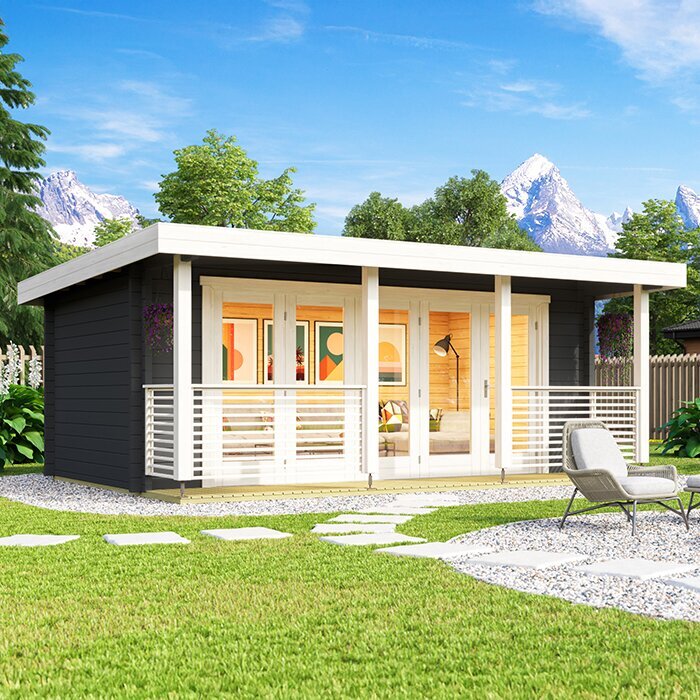
Outdoor shade requires consideration of the garden around the shed. An awning, pergola, screen or shade sail can cast a useful shadow, but each needs appropriate support and clearances; a garden-house roof is not automatically designed to carry an added structure. Do not treat any shed as roof-rated unless its documentation says so. Have a qualified installer confirm suitable supports and fixings for the actual system, site and wind exposure. Leave access for doors and maintenance. Before permanent work, check any relevant planning or property requirements with the appropriate local source rather than assuming that a freestanding-looking structure needs no checks.
Planting can soften a view and provide filtered shade, but it is a slower and less precise option than a blind or screen. Allow for the plant's mature spread, the shadow it casts through the day, watering access and maintenance; roots, fallen leaves or branches may affect nearby paths and structures. A deciduous plant changes its shade seasonally, while an evergreen screen can maintain more cover but may reduce daylight throughout the year. Ask a local nursery about suitable plants and mature size for your garden, and do not count on new planting to solve glare immediately. Consider whether the plant will also block the view you want to keep. Planting can complement a measured shade plan rather than replace one.
Test the solution before you order
Before ordering, test a sample or temporary mock-up at the hours that matter. Hold a swatch or opaque card near the proposed position without sticking it to the glass, then check glare, view and privacy from inside and outside. A sample cannot reproduce every full-size effect, but it can compare colour and openness. Note whether useful daylight remains, the door can be operated and the screened area solves the problem. If needs change by time of day, compare the sample in open and closed positions. Keep a short record of the time, light conditions and what the sample changed.
Use a short order checklist: glazed-area measurements, actual panel movement, mounting surface, clearances, chosen coverage, finish, cleaning requirements and any approved fixing or film information. Ask the seller or installer to confirm which items are included in the quoted shade package and which require separate supply or fitting; do not assume from a photograph. If considering the Wooden Garden Storage Shed S page, first verify from its product information that the front has the glazing your plan requires; its name alone does not establish that. Compare quotes on the same scope and written specifications, including who is responsible for measuring and fitting, then order only when the opening and installation details match.
Frequently asked questions
Is outside shading always better than an inside blind?
Not always. Outside shading can intercept direct sun before it reaches the glass, but it needs suitable supports, clearances and approval for the specific shed. An inside blind is easier to reach and may be enough to manage glare or views. Choose by the sun path you have observed, the available mounting options and how often you want to adjust the shade.
Will a sheer blind give privacy at night?
Do not rely on it to do so. Sheer or translucent fabric can diffuse daylight and reduce direct views, but a lit interior may still show silhouettes when it is darker outside. Check the fabric in conditions close to how you will use the shed, and consider a more opaque layer if evening privacy matters.
Can I put privacy or solar film on the glass?
Only after the glazing supplier or a qualified glazier confirms that the film is compatible with the particular panes. Glass type, coatings and manufacturer instructions matter; a generic product description is not enough to establish suitability. Ask for confirmation before applying any adhesive film.
How can I keep the garden house bright?
Shade only the area and times shown to cause glare, and consider an adjustable or segmented option rather than covering the whole front all day. Check the result from inside at seated and standing height, and compare samples in daylight. A partial solution is useful only if it still controls the unwanted beam.
Can a shade sail or awning be fixed to the garden shed?
Do not assume the roof, walls or frame can carry it. Ask the shed supplier to confirm permitted attachment points, and have a qualified installer assess the proposed system and supports for the site. If there is no approved fixing, investigate a separate support designed for the outdoor conditions rather than modifying the shed.
A large glass front does not need to be shaded uniformly to be comfortable and usable. The most considered buying decision comes from observing the sun and sightlines at the times the garden house is occupied, then matching coverage, privacy and operation to those observations. Check that the shade will not obstruct doors or depend on an unapproved fixing, and confirm glazing compatibility before using a film. A sample test and clear written details from the relevant supplier or installer can help avoid a shade that removes more daylight or view than necessary.
