
The Ultimate Guide to Buying a Greenhouse
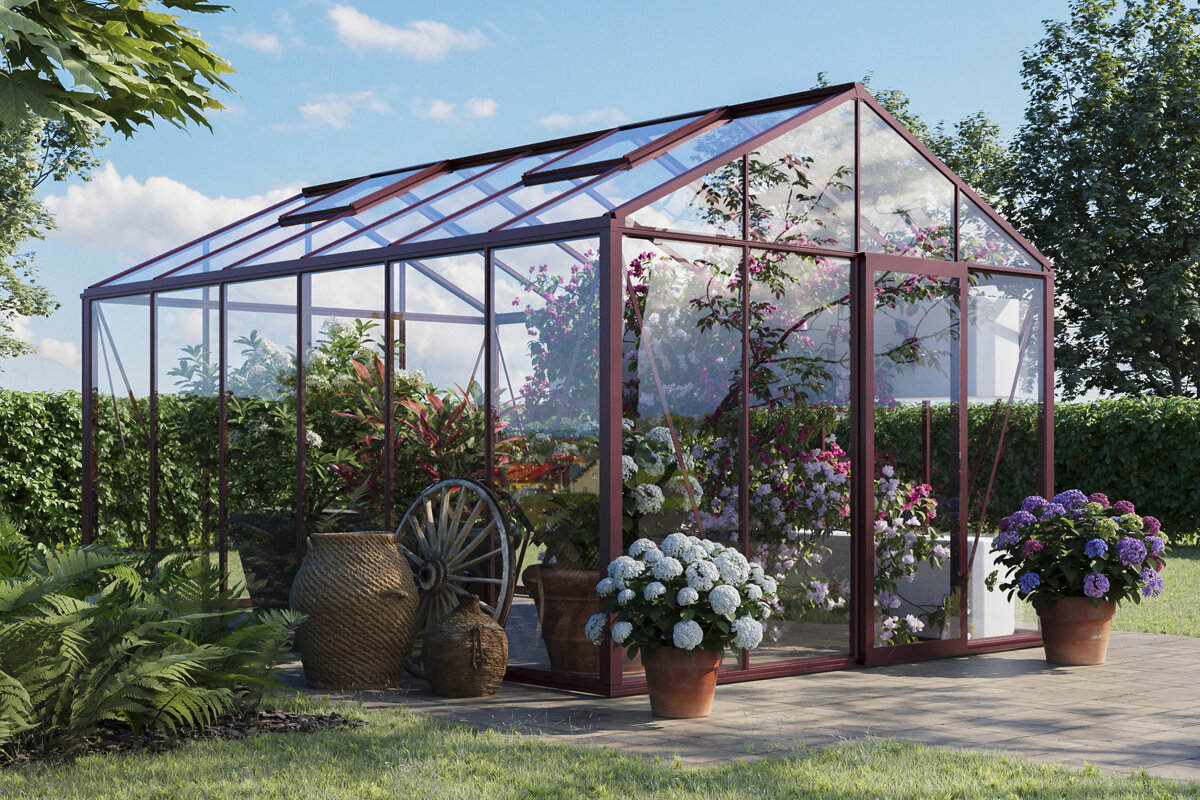
The Ultimate Guide to Buying a Greenhouse
Introduction A greenhouse is a valuable addition to any garden, allowing you to grow plants throughout the year while providing a controlled setting for healthy growth. Whether you garden for pleasure or work professionally, choosing the right greenhouse matters. This guide covers the key points you need to make a well-informed decision for your garden and growing plans.
Why invest in a greenhouse? A greenhouse provides a stable growing environment, helping protect plants from bad weather, pests and disease. It can extend the growing season and support a wider range of plants, including varieties that struggle outdoors locally. It may also improve the garden's appearance and increase the property's value.
Key factors when buying a greenhouse
- Size and space: Choose the greenhouse size according to your garden space and growing needs. Allow for future plans and the plants you hope to cultivate. A larger structure offers more flexibility, but requires more room and investment.
- Materials and durability: Greenhouses are commonly made from aluminium, timber or galvanised steel. Aluminium is lightweight, durable and resistant to corrosion, making it a popular option. Make sure the frame material can cope with local weather conditions, including strong sun and coastal exposure.
- Glazing options: The glazing affects light transmission, insulation and durability. Common choices include:
- Polycarbonate: Offers good insulation and does not shatter.
- Glass: Provides excellent light transmission but can be fragile.
- Acrylic: Lightweight, durable and provides good light diffusion.
- Ventilation and climate control: Good ventilation is essential for managing temperature and humidity. Look for greenhouses with adjustable roof vents, louvre windows and extractor fans. Automated systems can help maintain suitable growing conditions with little day-to-day effort, especially during Malta's warm, sunny periods.
- Ease of installation: Consider how complex the assembly process will be. Some greenhouses include detailed instructions and pre-drilled holes, making installation easier. For larger or more complex structures, it may be worthwhile to consult a professional about availability, location, cost and timing.
- Budget and cost: Greenhouse prices vary widely according to size, materials and features. Set a budget that includes the purchase price and possible extras such as ground preparation, shelving and climate-control equipment.
Additional features to consider
- Shelving and benches: Shelves make better use of available space while improving organisation and plant care. Consider adjustable shelving and benches to accommodate plants of different heights.
- Watering systems: Automatic watering systems, such as drip irrigation, can save time and maintain more consistent moisture levels. Look for greenhouses with integrated systems or compatibility with external installations.
- Heating systems: In cooler conditions, heating may be needed to maintain suitable temperatures. Electric, gas and solar systems are possible options. Choose for your climate, crops and budget; fixed electrical work should go to an appropriately REWS-authorised professional.
- Shading solutions: Too much sunlight can damage plants. Shading options such as retractable blinds or shade cloth help regulate light levels and reduce overheating.
Step-by-step buying guide
- Assess your needs: Decide what you want to grow, how much space is available and what you can spend. Consider how the greenhouse will fit into your overall garden design.
- Research and compare: Explore different greenhouse models, materials and features. Read customer reviews and speak with experts or experienced gardeners.
- Check local requirements: Check the Planning Authority classification for your proposal with a perit. Permission depends on the structure, site and applicable conditions; a garden location or removable kit does not by itself confirm permission.
- Plan the location: Choose a site with adequate sunlight, good drainage and convenient access to water and electricity. Avoid placing the greenhouse beneath large trees or in low-lying areas prone to flooding. In Malta, also consider shelter from strong winds and the need for summer shade.
- Buy and assemble: Once you have selected the ideal greenhouse, follow the manufacturer's assembly instructions carefully. Seek professional installation advice where needed, particularly for foundations or fixed services.
- Adapt and equip: Add shelves, benches, watering systems and other accessories to tailor the greenhouse to your growing requirements.
Maintaining your greenhouse Regular maintenance keeps your greenhouse in excellent condition. Important tasks include:
- Cleaning: Clean the glazing regularly to maintain maximum light transmission.
- Repairs: Repair damaged panels or frame components promptly.
- Pest control: Put measures in place to prevent and control pests and plant diseases.
- Climate control: Use thermometers and hygrometers to monitor conditions and adjust them when necessary.
Conclusion Investing in a greenhouse is an important step towards improving your gardening experience. By considering factors such as size, materials, ventilation and additional features, you can choose a greenhouse that suits your needs and budget. Careful planning, installation and maintenance will help it remain a productive and enjoyable space for many years. Enhance your gardening experience with a greenhouse from Bloomcabin!
