
Using a Garden Shed in Winter: A Preparation Checklist
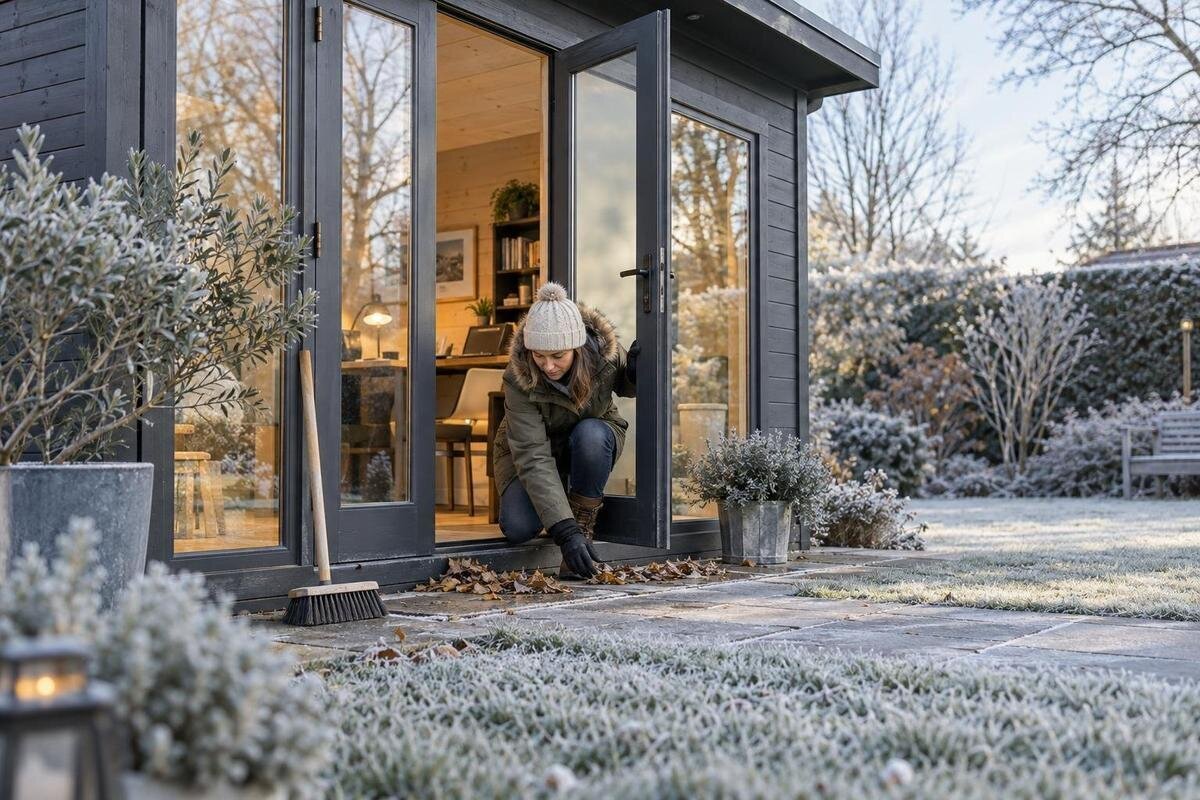
Garden shed care
Using a garden shed in winter is less about turning it into a year-round room and more about keeping it serviceable for its intended use. A few checks before colder, wetter weather can reveal maintenance issues, protect stored belongings and make regular visits easier. What is appropriate depends on the individual building, its location and the maker's instructions: a shed's name or appearance alone does not establish how it handles weather or what it can safely store. Use this guide to prepare an existing shed and to identify the product details worth confirming if you are choosing one for winter use.

01
Turn the winter use plan into shed requirements
Start by listing what will stay in the shed, what you need to retrieve during winter and how often you expect to visit. A mower stored until spring has a different access pattern from tools or outdoor cushions used every week. Note the largest items' length, width and height, as well as awkward handles or packaging; use these measurements to test a proposed layout and doorway rather than judging from a photograph. Decide whether the building is for storage alone or for people to spend time inside. Those are different requirements, and a storage listing does not by itself establish comfort or suitability for extended occupation.
Turn the list into a comparison sheet covering the stated footprint, useful internal dimensions, access opening, care information and any requirements for the base or assembly. A page such as the Verdana 1 garden shed listing is a place to check what is actually documented, not a recommendation or proof of winter suitability. Compare the published details with your own measurements and ask about anything missing before ordering. Allow room to reach items, open the entrance and take belongings out again; a stated floor area alone does not show whether the layout will work in practice.
Inspect the shed before wet weather
Inspect from ground level and from inside only where access is safe. Look for fresh stains, damp patches, unusual odours, loose or damaged visible parts and changes that were not present at the last check. From a safe position, scan roof edges, joints, exterior surfaces and the area where the shed meets its base for visible damage or signs that water may be getting in. A dated note or photograph can help distinguish a new change from an old mark. Do not climb onto the roof or pull at an unstable component. If the inspection needs height, tools or access to a concealed structure, arrange appropriate professional help.
Before cleaning, tightening, repainting, sealing or replacing anything, read the maker's maintenance instructions: construction and materials differ, so a treatment suitable for one shed may be unsuitable for another. Remove only loose debris you can reach safely, and note a stain rather than covering it before its cause is understood. For a candidate such as the Verdana 2 product listing, check whether the product information explains maintenance and weather-related use, and ask for relevant documents if details are missing. A model name or image cannot establish the finish, inspection routine or repair method that a particular building requires.
02
Check the site and rainwater routes
Rainwater management involves the surrounding site as well as the building. After rain, notice whether water stands beside the shed, runs towards its base or leaves splash marks on an exterior surface. If there are drains or channels nearby, check that leaves, stored pots and garden waste are not obstructing them; clear them only if you can do so safely. Avoid piling soil or materials against the structure, and do not change a drain, base or foundation on the strength of a general checklist. Persistent pooling, movement or a recurring leak needs assessment of the cause rather than a cosmetic patch.
When ordering a shed for winter use, compare the maker's site-preparation and base requirements with the actual plot before you buy. Ask what the instructions require, how much clear working room is needed and whether the delivery route and assembly area are suitable. On a page such as the Durano garden shed listing, look for specific product documents rather than treating a name or photograph as evidence that the site is suitable. If the ground is uneven, persistently wet or difficult to drain, have an appropriate professional assess the location and any proposed changes before assembly.
Test doors, windows and ventilation
Gently test each door and any windows the shed has, noting sticking, a latch that will not engage, cracked panes or damaged seals. Check that handles and hinges are not obstructed and that stored items or loose leaves are not blocking movement. Do not force a part that sticks or appears misaligned, since that may make the problem worse. Record visible gaps or persistent water ingress and compare them with the maker's guidance. If an adjustment involves glazing, structural parts or a component you cannot identify, contact the supplier or a qualified tradesperson rather than experimenting.
Damp items and restricted airflow can leave moisture inside, so keep any designed vents clear while following the shed's instructions. Do not block vents or seal every joint to stop draughts without checking how the building is intended to ventilate. When comparing models, verify the stated dimensions and operation of openings, where fitted, as well as any documented ventilation arrangements. Use the published details for the Veltor 1 listing to check what is specified, and ask about anything unclear; do not infer doors, windows or vents from a model name or photograph.

03
Store belongings according to their needs
Sort contents into items that can remain under their labelled storage conditions, items that need a more controlled place and items that need preparation before storage. Read the instructions for tools, electronics, paints, cleaning products, fabrics and other vulnerable belongings; their limits for temperature and moisture vary and cannot be inferred from the shed. Clean and fully dry items where their care guidance permits, and do not pack away wet covers, cushions or clothing. Keep labels readable, especially on substances requiring specific handling, and follow the product label and relevant local guidance for anything hazardous.
Arrange belongings so a damp floor or small leak is not their first point of contact. A shelf, container or stand must be suitable for the items and stable in its position; leave enough space to inspect the floor. Avoid sealing a damp object into a closed container, since that can keep moisture trapped; dry it first if its instructions allow. If you are choosing a shed, check whether the Orello 1 product page states its materials, care requirements and intended use, then consider whether that maintenance suits your storage plans. The item's own storage instructions still take priority.
Arrange the interior for access and inspection
Place frequently used items where you can reach them without narrowing the entrance or blocking a window, vent or area that needs inspection. Keep a clear route wide enough to carry the largest item on your list without working around a stack. Group smaller belongings by task, use readable labels and keep essential maintenance notes together so you do not have to search through boxes during a brief visit. If you use shelves or hooks, check the manufacturer's guidance before fixing them to the structure. Where the appropriate fixing method is unclear, do not drill into a wall or roof; choose a suitable freestanding option instead.
Plan around the actual opening as well as the floor area. Check that bulky objects can pass through the entrance and turn into their intended place, leaving room to remove them later. Compare your measurements with the published interior and access details for the Modano 1 listing before ordering; photographs can hide constraints, and a model label does not tell you the usable clearance. Keep manuals, item-care notes and frequently used equipment accessible without shifting heavy or delicate belongings. After a few winter visits, review the arrangement and change the stored layout if needed, rather than modifying the shed's structure.
04
Treat electrical equipment as a separate safety check
Include any electrical equipment already in the shed in your winter review, but keep the check visual and within your competence. Look for obvious damage, corrosion or water around visible equipment without opening fittings, removing covers or handling a suspect cable. If equipment appears damaged, becomes wet or behaves unexpectedly, stop using it and have a qualified electrician assess it. Keep appliances and charging equipment in the conditions their own instructions permit. Do not leave loose leads across the access route, and do not treat a quick visual check as proof that an installation is safe.
Planning for lights, sockets or other electrical equipment in a new shed is a separate suitability question. Before ordering, ask whether the building instructions permit the intended installation or modification, what clearances or access are required and whether the product documents identify any limitations. Have a qualified electrician assess the proposal. For example, the Garden Shed M listing identifies a product to investigate but does not establish that it is wired, ready for wiring or suitable for a particular electrical setup. Keep winter preparation to work approved for the building and routine observation; do not adapt the structure to accommodate equipment without appropriate advice.
Keep visits and entry practical
A winter visit can be less convenient even if the shed is used only briefly. Keep the route to the entrance clear of hoses, pots, garden tools and other obstacles, and check that gates and the shed door can be opened without shifting stored items. In low light, take a suitable portable torch rather than assuming an unverified fitting will work. Remove mud from footwear outdoors where possible, and do not leave wet shoes or a mat where they obstruct the route. If you make several trips, plan what needs to go in or out first so that items do not accumulate in the doorway.
Before choosing a model, assess the route from the delivery point to the site as well as the shed entrance: consider gates, corners and steps, then confirm the actual dimensions and assembly requirements with the seller. the Storage Shed S listing is a page to examine for documented entrance and interior measurements, not a reason to guess from a size label. For an existing shed, keep the approach usable after rain. If permanent lighting is needed outside, arrange it through an appropriate qualified professional. Do not compromise a clear route or exit to gain a little more storage space.

05
Confirm winter suitability before ordering
Separate winter storage from winter occupation before deciding that a shed is suitable. A building that keeps gardening equipment under cover may not provide the documented conditions needed for people, temperature-sensitive belongings or electrical equipment. Do not assume insulation, resistance to a particular weather exposure, security or comfort from words such as garden shed, a number in a model name or a styled image. Read the product documents for the use you have in mind and ask the seller about anything important that is not explicit. If you plan to spend extended time inside, seek professional advice about that use instead of treating a storage checklist as approval.
Before ordering, confirm overall and internal dimensions, access openings, site and base requirements, care instructions, what is included, assembly arrangements and the delivery route and unloading space. Ask for written information about any relevant limits, maintenance or proposed modification rather than relying on an unverified description. Check who is responsible for preparing the site and assembling the shed, and whether the instructions require you to complete anything before delivery. If local permissions, protected services or specialist foundation work may be relevant to your plot, ask an appropriate local professional or authority rather than relying on general advice.
Keep a simple maintenance record
Make the inspection repeatable rather than trying to remember every check. Before the first winter visit, note the condition of the exterior, base, openings, floor and stored items, recording the date and anything that needs follow-up. After heavy rain or strong wind, make a safe visual check for new water marks, loose visible parts, blocked drainage and changes to the access route. The right interval depends on the shed's exposure, use and manufacturer instructions, so follow those instructions and take local weather into account instead of assuming one schedule suits every building.
At each visit, put items back in their marked places, move or dry anything that has become damp where its care instructions allow, and keep access and designed vents clear. Record a new leak, odour or sticking opening rather than simply covering or forcing it. Separate observations into routine tasks, items to move and issues that need a qualified person. Do not climb, dismantle or apply a coating just to complete a checklist. A brief written record helps show whether a problem is recurring and makes follow-up more specific.
Frequently asked questions
Can I use a garden shed through winter?
A shed may continue to serve its intended storage use, but suitability depends on its condition, location, documented limits and the items inside. Check for new leaks or visible damage, make sure access works and follow the storage instructions for each item. A shed used for occasional storage is not automatically suitable for long stays or work; verify any change of use with the manufacturer and an appropriate professional.
Should I seal every gap before winter?
No. Some openings may form part of the intended ventilation, so follow the manufacturer's instructions and do not block designed vents simply to stop draughts. At the same time, record any gap that admits water and find out what is causing it before covering it. Recurring damp may involve the site, the building, airflow or wet items stored inside.
How should I store items sensitive to cold or moisture?
Check each item's label or care instructions. Electrical devices, paints, textiles and other belongings can have different storage limits, which should not be guessed from the shed itself. If the building cannot provide the stated conditions, move the item to a more suitable place. Keep substances labelled and store them only as their instructions allow.
How often should I inspect the shed?
Use the manufacturer's maintenance guidance and check for new issues after heavy rain or strong wind. It is also useful to look around during ordinary visits, particularly if the shed is used frequently or the site is exposed. There is no single inspection schedule for every building; record recurring signs such as water marks or sticking openings and follow them up.
Do I need insulation or heating for winter storage?
Not necessarily. The requirements depend on what you store and the conditions stated in each item's instructions. Do not infer insulation or suitability for occupied use from a shed's name or appearance. If people will spend time inside, or if stored belongings need controlled conditions, check the product documentation and seek appropriate professional advice before deciding on any changes.
An effective winter routine is straightforward: know what the shed must hold, inspect the building and its surroundings safely, store each item according to its own instructions, keep access clear and record changes that need attention. If you are choosing a new garden shed, decide its intended use first and compare the documented dimensions, maintenance and site requirements before ordering. That leaves the space easier to use without assuming that a storage building is suited to every winter condition.
