
What Does It Cost to Heat a Wood-Fired Hot Tub in Malta?
Heating costs
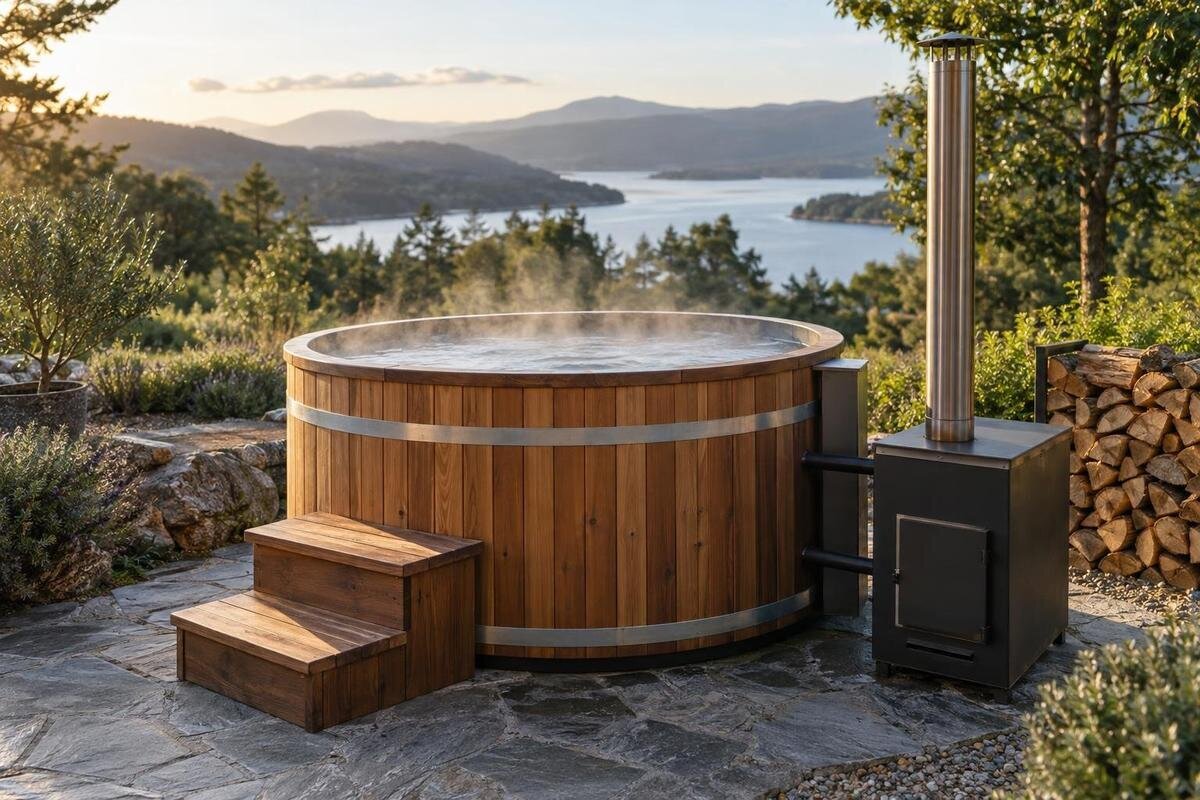
Wood-fired heating has no fixed cost per soak: the amount depends on how much firewood a particular heat-up uses and what that fuel costs when bought. A Malta estimate needs evidence for both inputs: a dated local supplier quote and a measured or documented amount of wood under stated conditions. Without them, a euro figure would be guesswork. The useful approach is to define one heating session, match its measured fuel quantity to the supplier’s sale unit and keep assumptions visible.
Define the heating session
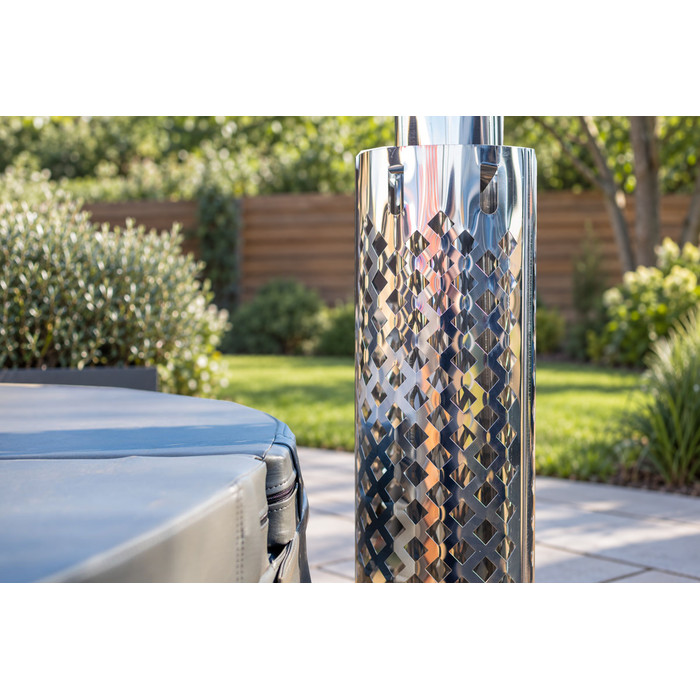
A per-session figure answers one narrow question: what did the firewood consumed for one defined heating cycle cost? Define that cycle before measuring. A cold fill that must be brought to bathing temperature is not directly comparable with water that starts warm. Record the starting and target water temperatures, the amount of water being heated and whether the measurement stops when the target is reached. If fuel is also burned to maintain heat during use, record that separately or include it in your definition. Give the record a clear description, such as heating from the recorded starting temperature to the chosen target. Keep that same endpoint when repeating the measurement. Otherwise, two figures labelled per session may cover different periods, even when both refer to a single occasion.
Use a separate record for each candidate, with unknown details left blank. For example, an entry for Cove 2 should not contain a guessed capacity or fuel requirement based on its name. Confirm the intended heating configuration and obtain the relevant water-volume and fuel-use information from product documentation or the seller before treating a result as model-specific. Note the source and date of any figures you use. This calculation is for the wood burned during the defined heat-up; the tub price, installation, water care and other household energy are separate budget lines.
What changes the amount of firewood?
Water volume and the temperature rise are important starting points: heating more water, or raising its temperature further, requires more heat before losses are considered. A product name is not a volume measurement, and a stated seating count would not tell you how much water is actually being heated. Ask for the usable fill volume for the exact setup and note whether the cycle begins with a refill or water that has stayed warm. If a seller or manufacturer provides a consumption figure, keep its fill level, starting temperature, target temperature and measurement method beside it.
Heat lost to the surrounding air, wind and exposed surfaces can also affect how long the fire runs. Fuel type, piece size, moisture and storage conditions influence the heat delivered from a given amount; two sacks with different contents may not give the same result. Firing practice, including how fuel is added and how the stove is operated, matters too. In a record for Haven 6, keep these conditions beside the fuel quantity so that any later difference can be considered in context. If several conditions change together, the result alone will not show which change affected consumption. Follow the product instructions throughout, and do not treat an estimate made under different conditions as an exact prediction.
Get a dated firewood quote in Malta
Request a current quote from a firewood supplier serving your area, then save the supplier’s name and the date. Record the exact fuel description, the quantity offered, the price and the unit it applies to. If the quote has an expiry date, minimum order or delivery-area condition, keep that information with it. A price on an old listing is not a current quotation simply because the page is still online. To make the estimate repeatable, use the quote that actually applies to the fuel you expect to buy.
No dated Maltese supplier quote is available to support a euro amount in this guide, so it does not present a local average. Ask whether the price includes delivery and any applicable tax, and whether the quoted quantity is packaged, weighed or measured by volume. Keep those details beside a shortlist entry such as Fjord 8: the fuel quote provides a price input only, not the quantity that a particular hot tub will burn. Save the quote or invoice and note any excluded charges.
Match the supplier’s unit to the amount used
The sale unit and the measured use must match. If firewood is priced per kilogram and a heat-up’s use is measured by weight, those figures can be multiplied directly. If it is sold by the bag, find out what that bag contains or measure the fraction of a comparable bag used. The word bag does not standardise weight, volume, wood type or moisture. Write the unit beside every quantity rather than keeping bare numbers in your notes: a price per bag cannot be multiplied directly by a quantity in kilograms. A loose-volume delivery and a stacked volume should not be treated as equivalent just because their outside measurements seem similar. Avoid generic weight-to-volume conversions unless the supplier provides a basis that applies to the actual fuel. If that basis is missing, leave the conversion unresolved rather than hiding an assumption in the calculation.
Where delivery is excluded, keep its cost visible. To calculate a delivered unit price, add the fuel charge and delivery charge, then divide by the quantity delivered in the same unit. If one delivery covers several heat-ups, allocate the charge across the fuel used rather than assigning the full amount to the first session. Label the unit and conversion basis in a worksheet for Aurora 10 or any other candidate. This prevents a low-looking figure that omits delivery, or a high one that counts the same charge twice.
Calculate firewood cost per session
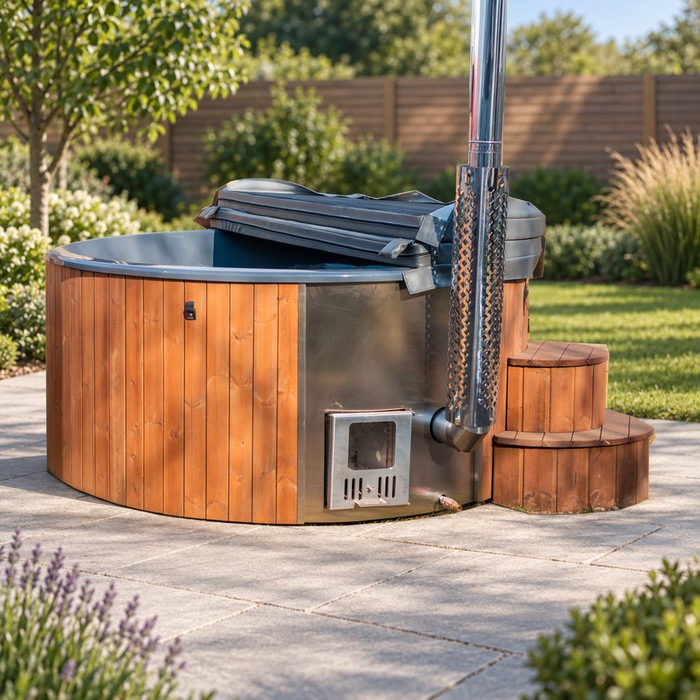
Once price and use are expressed in the same unit, the calculation is simple: firewood cost per session = quantity burned × price per unit. If a heat-up uses Q kilograms and the dated quote is P euros per kilogram, the fuel cost is Q × P euros. For a bag price, calculate the fraction of a comparable bag used, or divide that bag’s price by the number of comparable sessions it supplies. Include kindling or other wood used to light the fire if it is part of the session’s fuel, or record it as a separate line consistently.
Charge the session for the amount burned, not the amount purchased. Most of a bulk delivery remains stock for future use; assigning the full purchase to one heat-up would distort the result. Keep a record of the amount allocated to the session and any unused fuel returned to stock, using a repeatable method and unit. The cost entry for the Cove 2 listing should distinguish the purchase quantity from the measured session quantity. If some fuel remains unused, do not count it as consumed simply because it was set aside before lighting. Keep the supplier’s invoice as the purchase record and the session measurement as the consumption record. Use a delivered price only once, and avoid rounding intermediate figures if that would noticeably change the result.
A worksheet for the heating-cost calculation
With no dated Maltese firewood quote or verified consumption test available here, the calculation uses placeholders rather than an actual amount. Enter supplier price P = €___ per ___, quote date ___, and delivery terms ___. Then enter measured fuel quantity Q = ___ of the same unit for the defined heating cycle. The result is P × Q = €___ per cycle. Keep separate spaces for the quoted sale unit, any conversion and the final unit used in the multiplication. This lets you follow the calculation back to its inputs without having to reconstruct it later. Mark each input as quoted, measured or assumed; an assumed quantity can illustrate the method but is not measured performance. This worksheet does not establish a local price or expected fuel requirement.
If the quote is per bag but a trial records kilograms, first obtain a reliable weight for a comparable bag, then convert the measured use into a fraction of that bag. Show that conversion on its own line before multiplying by the bag price. Do not estimate the contents by appearance. When assessing the Haven 6 listing, keep any fuel-use figure supplied by the seller or manufacturer alongside its stated test conditions. Note whether it covers heating only or a longer period, and label it as supplied data rather than your own result. Calculate a range only when both the low and high inputs have evidence for the same scenario. If one input is still unknown, retain the completed parts of the worksheet without presenting a final euro figure.
Record a useful fuel-use measurement
The most useful consumption figure comes from a documented manufacturer test or a repeatable trial. For a trial, record a known amount of the chosen fuel in an appropriate unit before use, then measure what remains after the defined heat-up. Account for kindling or other wood consumed. Use suitable equipment and do not handle hot material; operate the tub and stove according to their instructions. Record the fill volume or level, starting and target temperatures, the date, and when the heat-up begins and ends. These details make the quantity meaningful rather than just a number on a page.
Also note the fuel description and condition, outdoor conditions, cover status if relevant to the test, and any interruption. Those details can help explain why another heat-up differs; they do not make one trial universal. Repeat under comparable conditions where possible and keep the individual results alongside any average or range. For a trial involving the Fjord 8 model, identify the exact setup in the record rather than relying on the model name alone. If the trial ends before the defined target is reached, label it as incomplete instead of treating its fuel quantity as a full heat-up result. Keep incomplete records separate from completed sessions when calculating an average. The result describes only the setup and circumstances actually tested.
Compare models only with comparable evidence
Before comparing shortlisted products, check that each has the wood-fired configuration you intend to buy. Confirm the exact model’s water volume, heating arrangement, suitable fuel and any published consumption evidence from current product information or the seller. Catalogue identity alone establishes a name, not those specifications. A reported fuel amount is useful only when you can see the test conditions: fill level, starting and target temperatures, fuel description and whether the figure covers a heat-up or a longer period. If those details differ, the results may not be comparable.
Apply the same dated local firewood price and the same definition of a heating session to every comparable consumption figure. Set out the candidates side by side, with separate entries for the test conditions, quantity used and calculated cost. This makes a missing input visible instead of allowing a completed price cell to suggest more certainty than the evidence supports. You can include the Aurora 10 product page in your shortlist while leaving its heating-cost entry open until the relevant information is available. Do not borrow consumption from a similar-sounding product or read a model number as a capacity figure. Where the test conditions differ, explain the difference rather than ranking the resulting costs as though the measurements were equivalent.
Turn the session cost into a use budget
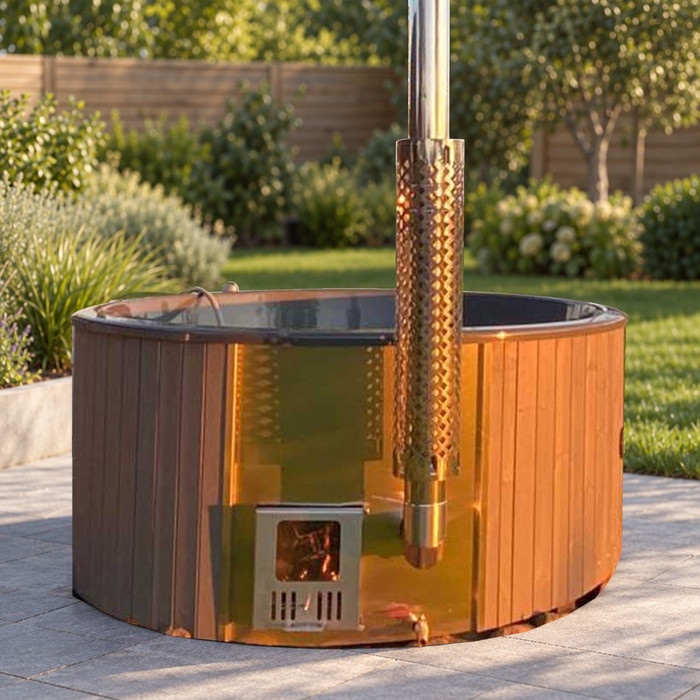
Once you have a supported per-session cost, multiply it by the number of comparable sessions you expect: session cost × planned sessions = estimated firewood spend for that period. State whether the count is weekly, monthly or seasonal, and use the same period when comparing candidates. If your plans include both cold-start heat-ups and sessions that begin with warm water, keep them as separate cases when you have evidence for each. Calculate each case using its own session cost and planned frequency, then add the subtotals. This preserves the distinction between the two types of use instead of assigning one consumption figure to every occasion. If evidence is available for only one case, show that subtotal and identify the other as uncosted rather than presenting an incomplete amount as the whole budget.
Use low, typical and high scenarios only when you have a basis for their inputs, such as different planned session counts or a measured consumption range. Show what changes between scenarios: frequency, fuel quantity, quoted price or a combination of these. If you change only the number of sessions, keep the per-session cost unchanged so the effect of frequency remains clear. Keep the date of the supplier quote beside each estimate, since the price may need updating before you buy. If a minimum delivery means you pay for more fuel than one session uses, distinguish the cash paid for the stock from the cost of the portion consumed. The first is a purchase outlay; the second is the per-session figure. Fuel left at the end of the budget period remains stock, not an extra heating session. This distinction helps you plan purchases without mistaking order size for heating efficiency.
What the firewood figure leaves out
This estimate covers firewood for the defined heating cycle, with delivery included only if you explicitly include it in the unit price. It is not a total cost of owning or running a hot tub. Keep water, water-care products, servicing, installation, the tub price and any other energy use out of this calculation; they belong in separate budgets. A firewood-only comparison cannot show which product costs less overall, particularly when the relevant product details and other costs have not been verified.
Before relying on a number, check that its evidence answers two different questions: how much firewood was used under stated conditions, and what that exact quantity costs from a current supplier in Malta. Keep the source, quote date, sale unit, conversion and delivery treatment beside the arithmetic. If either input is missing, state what is unknown and leave the euro estimate open. A transparent gap is more useful for planning regular use than a precise-looking figure with no comparable evidence behind it.
Frequently asked questions
Can I get a reliable euro cost per heating session for Malta?
Not without two supported inputs: a current quote from a supplier serving your area and a verified quantity of firewood used for a defined heat-up. No dated local quote or comparable consumption test supports a euro figure here, so the calculation is provided without an invented price.
How many logs or bags will one heat-up use?
There is no dependable universal count. Water volume, starting and target temperatures, heat loss, fuel characteristics and firing practice all affect use. Record a measured quantity, and note the conditions, rather than estimating from the number of logs or the size of a bag.
Can I compare firewood prices by the bag?
Only if the bags contain comparable amounts of fuel and the wood description is clear. A bag is a sales unit, not a standard weight or volume. Check its stated contents, and do not compare its price directly with a price per kilogram or volume without a reliable conversion.
Should delivery be included in the session cost?
Decide whether you want a fuel-only figure or a delivered fuel cost, then label it. If delivery is excluded from the quoted unit price, you can show it separately or allocate it across the quantity delivered. Do not add it twice if the price already includes delivery.
Does a hot tub's model name show how much wood it needs?
No. A catalogue name or model number does not establish water volume, heating configuration or firewood consumption. Confirm the relevant information for the exact product and compare fuel figures only when their test conditions and measurement basis are clear.
A useful Malta estimate is not a generic price per soak. It is a traceable calculation built from the wood used for a clearly defined heat-up and a current local price in the same unit. When either figure is unverified, leave the estimate open; once both are documented, the result can be adjusted to reflect how often you expect to heat the tub.
