
What Firewood Should You Use for a Wood-Fired Hot Tub?
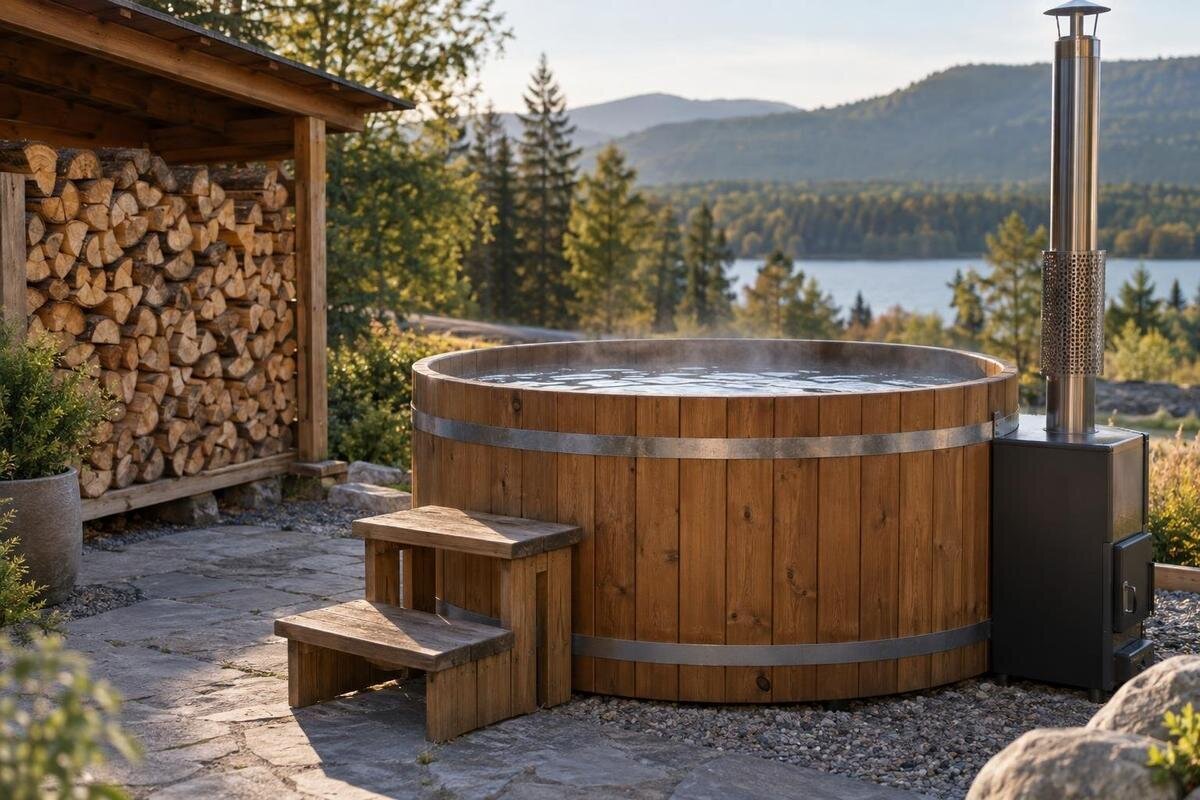
Firewood buying guide
Buying firewood for a wood-fired hot tub is less about finding a universally best wood and more about matching a clearly described batch to the exact stove. Supplier terms such as hardwood, seasoned and ready to burn do not, on their own, confirm species, moisture or log dimensions. When buying firewood in Malta, compare those details alongside the delivery format and the space where you can keep fuel dry. The manufacturer’s instructions remain the reference for permitted fuel and stove-specific limits; where a listing or manual is unclear, request confirmation rather than guessing.
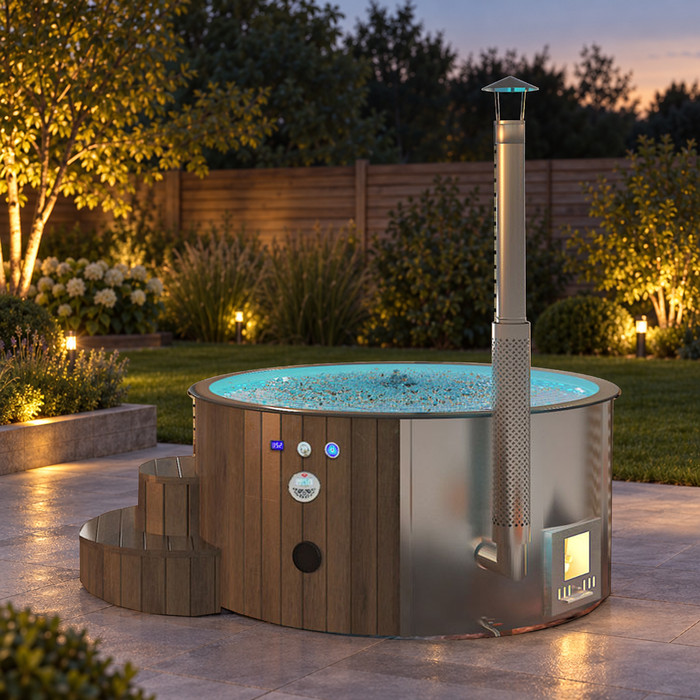
Which firewood can your hot tub stove use?
Begin with the instructions for the exact stove fitted to the hot tub, rather than a supplier’s general description of wood for hot tubs. Check for permitted fuels, excluded materials and any requirements for moisture or log dimensions. The manual may also give operating and cleaning guidance; those details are appliance-specific, so do not copy a limit from a different stove. Not every manual presents each detail in the same way, so treat a missing figure as a question, not as permission to use any ordinary firewood. If you cannot find the current instructions or identify the stove model, ask the seller or stove manufacturer before ordering.
A catalogue name helps identify a product, but it is not a fuel specification. If you are considering the Bloomcabin Hot Tub Cove 2, ask which heating configuration is included in the version being offered and which stove instructions apply. Record the precise tub and stove models so that your fuel enquiry refers to the right appliance. If different versions are available, keep their requirements separate rather than combining details from several descriptions. Once you have the applicable instructions, use them to draw up a short fuel specification for suppliers. It should identify permitted wood, exclusions and any stated moisture or size limits. Leave unanswered points clearly marked for clarification rather than filling them with assumptions.
Hardwood or softwood: what should you compare?
Hardwood and softwood are broad botanical categories, not quality grades or guarantees of suitability. The category alone does not tell you whether a log is dry, how it has been split or whether the stove maker permits it. A seller may also use a broad label for a mixed load. Ask for the actual species and whether the order may include a mixture or substitutions. That gives you details to check against the manufacturer’s fuel list instead of relying on a general category. If a supplier can name only hardwood or softwood, you still have important questions to answer.
Do not rule out a wood solely because it is softwood, or choose hardwood simply because the label sounds more substantial. The stove maker’s instructions decide which kinds are acceptable. If several species are permitted, compare the supplier’s exact description, moisture information, dimensions and batch consistency. Ask whether each delivery will contain the same species or whether the mix may change. A clear, repeatable description is more useful than a broad claim such as “premium hardwood”: you can check it against the manual and ask for the same fuel again.
Seasoned or kiln-dried firewood?
Seasoned generally means that wood has been left to dry over time, often by air; kiln-dried means it has been dried in a kiln. These labels describe a drying approach, not a guaranteed moisture reading at delivery. A seasoned batch may contain pieces that have dried unevenly, and the outside of a thick split may not reflect its condition inside. Ask whether the description applies to the batch you will receive and what information the supplier can provide about it. “Ready to burn” is a useful prompt to ask questions, not a measured result if your stove maker specifies one.
Kiln-dried wood is not automatically the right choice: the exact stove requirements still govern. Nor will a dry delivery necessarily stay dry if it is left exposed to rain or moisture from the ground. Ask how the supplier packs the wood, how it is stored before dispatch and what storage approach they recommend after arrival. This helps you distinguish the drying description from the condition of the batch you are buying. If you are enquiring about the Bloomcabin hot tub Haven 6, include the proposed fuel description when requesting the matching stove instructions. Compare seasoned and kiln-dried offers using the same questions; do not accept a drying label as a substitute for the details needed to judge suitability.
How should you judge a moisture claim?
Ask for the actual moisture figure for the batch, not only a label such as seasoned. Also ask how and where it was measured. A percentage can be reported on different bases, while a reading from the surface may not represent the inside of a thick log. You do not need to perform a test yourself; the aim is to understand what the supplier’s statement means and whether it can be compared with the stove maker’s requirement. If the measurement refers to a display piece rather than the stock for delivery, ask the supplier to make that clear.
Use the limit or range provided for the exact stove; do not substitute a general internet figure or another model’s recommendation. If the manual gives no moisture figure, ask the manufacturer or seller for model-specific guidance before buying. Keep that answer with your purchase notes for the Bloomcabin Hot Tub Fjord 8 or the exact tub you own. Then ask the fuel supplier whether the measurement for the proposed batch can be compared directly with the stated requirement. Record the figure, measurement method and which stock it covers together, so the percentage is not separated from its explanation. If the two descriptions cannot be matched, clarify the difference before deciding whether the batch is suitable.
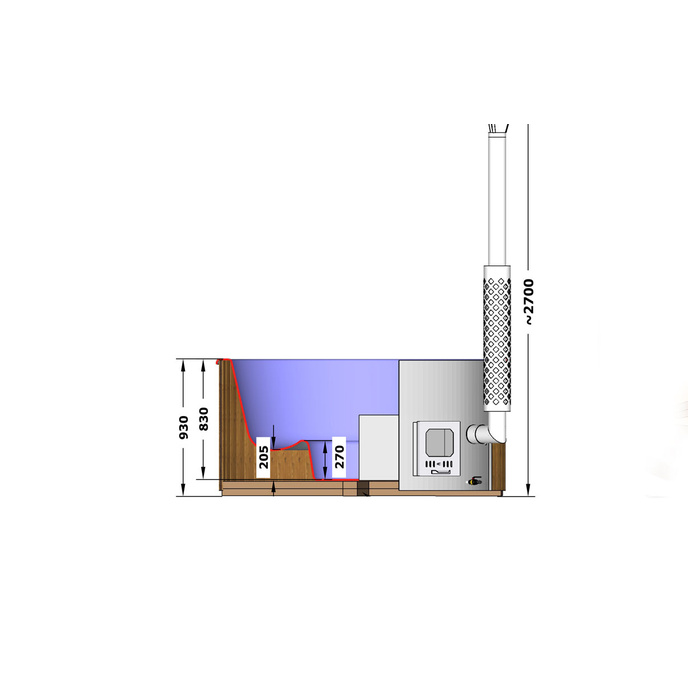
What log size does the stove accept?
Use the dimensions in the stove instructions, not an estimate from a photograph or a guess based on the tub’s size. Check whether the maker gives a maximum log length and any limits for diameter, cross-section or other dimensions. Ask the supplier for the actual length range and the largest split size in the batch. Words such as standard cut can cover different sizes, so request measurements rather than relying on a familiar label. If the manual does not specify a dimension you need, ask the manufacturer before choosing logs.
Find out whether the supplier provides consistently cut pieces or a mixture of sizes, and whether the stated measurements are approximate. If the Bloomcabin hot tub Aurora 10 is on your shortlist, request the applicable stove dimensions before choosing a supplier’s standard cut. Ask whether the quoted log size describes every piece, a typical piece or a range, and how larger pieces are handled within an order. This makes it easier to compare an offer with the limits you have been given. If the standard stock does not meet those limits, ask whether a suitable cut is available and have it included in the order description. Do not plan around forcing oversized logs into the stove or altering the appliance.
Clean wood and a clear source
Buy clean, untreated firewood rather than treating all timber as interchangeable. Painted or varnished wood, glued or preservative-treated timber, laminated boards, composites and demolition offcuts should not be assumed suitable for a hot tub stove. Follow the manufacturer’s permitted-fuel list and exclusions, and ask if the wording is unclear. Ask the firewood supplier to confirm that the logs are natural, untreated wood. “Recycled” or “reclaimed” does not, by itself, establish that material is suitable; avoid fuel whose previous treatment or composition is unknown.
Ask the supplier to name the species and explain the source and processing, including whether a load is mixed or may be substituted. “Locally sourced” or “natural” does not identify the particular wood you will receive. Separate the questions about origin from those about treatment: an answer to one does not necessarily answer the other. When organising fuel information for the Cove 2 hot tub, keep the supplier’s description alongside the applicable stove exclusions. Ask for any agreed restrictions on substitutions to be included in the order, particularly if only certain species have been confirmed as suitable. A clear description gives you something specific to check on delivery and a useful reference when you reorder.
How to compare firewood suppliers
Compare suppliers by how clearly they describe the actual stock, not just by broad labels. Send each one the same fuel specification so you can compare their answers without overlooking a missing detail. Record species and any mix, drying method, moisture information, log dimensions, source and substitution terms in separate columns or notes. Leave gaps visible rather than treating an unanswered question as confirmation. For quantities, clarify whether the amount is described by bag, weight, loose volume or stacked volume; these are not interchangeable measures. If a bag is the unit, ask what quantity the quoted bag contains. If volume is used, ask whether it refers to loose or stacked wood. Compare offers only after you understand what each quoted amount represents, rather than trying to judge value from the headline price alone.
Confirm what is included in each quote as well as the fuel details. Ask about packaging, delivery to your exact address, access and unloading arrangements, and whether any of these carry a separate charge. When comparing fuel offers for a prospective purchase such as the Haven 6 hot tub, keep the fuel enquiry separate from the tub order so that each supplier’s responsibilities are clear. Ask how the firewood seller handles an unavailable batch or a proposed substitution, and whether you can agree the replacement before dispatch. A useful reply identifies the stock being offered and answers your practical questions. A general assurance that the wood is “suitable for hot tubs” is not an adequate substitute for that information.
Plan delivery and dry storage in Malta
Decide where the wood can stay dry before arranging delivery. Choose a sheltered, ventilated place protected from rain and moisture from the ground. Protecting the top while allowing air to move around the stack can help avoid trapping dampness; follow any storage advice provided with the wood. Check the conditions at your own property rather than assuming every sheltered-looking spot stays dry. Keep the planned quantity manageable for the space available, and do not block a route you need to reach or use the tub.
For a delivery in Malta, confirm service to your exact address and explain any access constraints before placing the order. Ask where the supplier will leave the wood, whether the packaging must be moved immediately and who is responsible for taking it to the storage area. If you are planning a purchase of the Fjord 8 hot tub, consider the fuel delivery and storage arrangements alongside the space needed to reach and use the tub. Work from the supplier’s actual delivery format rather than an assumed pile size. Check that you can receive the agreed quantity and move it to the sheltered space you have chosen. If you are unsure whether a proposed storage location is appropriate for your property, check the relevant guidance before committing to a large order.

Check local fire, smoke and storage guidance
Before using the stove or ordering a large quantity of wood, check current guidance relevant to your address and setting, including any requirements concerning fire use, smoke or storage. Ask your local council or the relevant Maltese authority if the guidance is unclear, describing the intended appliance and location rather than asking only about outdoor fires in general. If you rent or live in a managed property, check with the landlord or property manager as well. Keep any conditions that affect your fuel order or storage plan with your other purchase notes, so they are considered before delivery is arranged.
Follow the instructions for your stove’s operation and cleaning rather than generic advice from a firewood supplier or the manual for another appliance. If you have a concern about smoke or the stove’s operation, do not try to resolve it by changing the fuel at random or modifying the appliance. Ask the manufacturer or a suitably qualified professional for advice that applies to your model and installation. Keep local guidance and the maker’s instructions in view when deciding what fuel to store and use.
Questions to settle before ordering
Before ordering, bring the agreed details together in one concise enquiry. For a purchase enquiry about the Aurora 10 hot tub, identify the proposed stove separately and distinguish questions for the tub seller from those for the firewood supplier. The tub seller should clarify the applicable fuel requirements; the fuel supplier should describe the batch being offered against those requirements. Include the species and any mix, drying method, moisture information, dimensions and source, followed by the quantity, packaging and delivery arrangements. Ask for unresolved points to be answered before you commit to the order. Keeping the technical description and delivery terms together makes it easier to see exactly what you have agreed to buy.
Use the written order as your reference when the delivery arrives. Check that the description, quantity and packaging match what was agreed, and raise any apparent difference with the supplier rather than assuming a substitute is equivalent. If you cannot tell whether the delivered batch matches the description, ask for clarification before treating it as the fuel you selected. Keep a note of the supplier and batch details with the order confirmation, particularly if you expect to buy the same fuel again. For a later order, ask whether the stock and specification are unchanged. A familiar supplier or product label is useful for reference, but the choice still depends on the wood actually being offered.
Frequently asked questions
Is hardwood always the best firewood for a hot tub?
No. Hardwood is a broad category, not proof that a particular batch suits your stove. Check the exact species against the manufacturer’s permitted fuels, then compare moisture information and log dimensions. Softwood is not automatically unsuitable if the maker allows it.
Is kiln-dried wood suitable for every wood-fired hot tub?
No. Kiln-dried describes how the wood was dried; it does not confirm that its species, moisture level or dimensions meet your stove’s requirements. Ask the supplier about the batch and compare its details with the manual for your exact stove.
What moisture percentage should I look for?
Use the limit or range specified for your stove rather than a general figure. Ask the supplier how the wood was measured and whether the result applies to the batch being delivered. If the manual gives no figure, request model-specific guidance before ordering.
Can I burn leftover building timber or pallets?
Do not assume that offcuts, pallets or reclaimed timber are suitable firewood. They may be painted, glued, treated or made from composite materials. Choose clean, untreated wood and follow the stove manufacturer’s permitted-fuel list and exclusions.
How should I store firewood after delivery in Malta?
Choose a sheltered, ventilated place where the wood can stay dry and away from ground moisture. Protect it from rain without trapping dampness, and check any guidance that applies to your property and the stove. Confirm the delivery format before deciding how much space to set aside.
Choose firewood by matching a clearly described batch to the instructions for your exact stove. Confirm the species, moisture information, log dimensions and source, then check that the delivery and storage arrangements work at your property. A broad label such as hardwood or kiln-dried can begin the conversation, but it cannot replace those details. When the supplier’s description and the manufacturer’s guidance agree, you have a sound basis for choosing both the fuel and the supplier.
