
What Size Hot Tub Do You Need in Malta?
Hot tub sizing
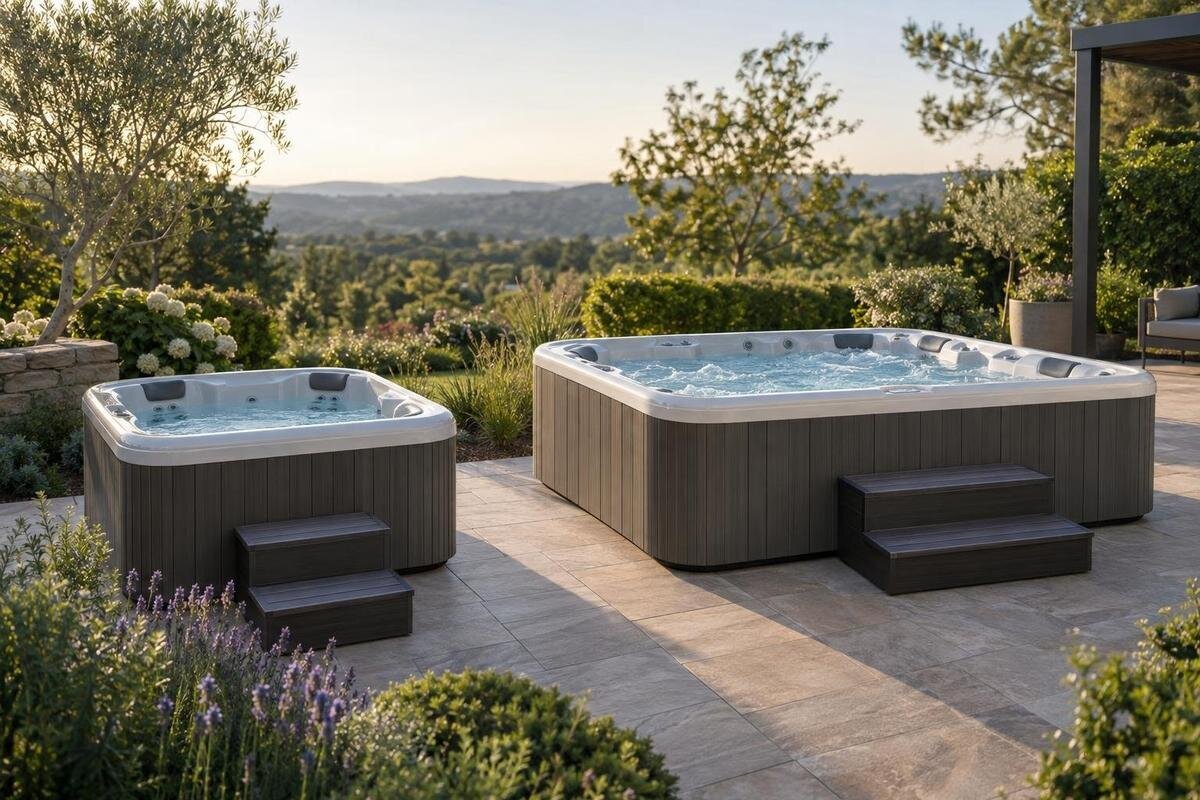
Choosing a hot tub is easier when “size” means more than a headline seat count. The number of people who use it on an ordinary evening should guide the choice, but it needs to be considered alongside the seating layout and the room inside the tub. The outside measurements answer a different question: whether the unit fits the area you have in mind. The four Bloomcabin models named in this guide are identified by their catalogue names only; no verified capacity or dimensions were provided. Use the comparisons below to work from written specifications rather than guess.
Capacity, internal space and overall dimensions
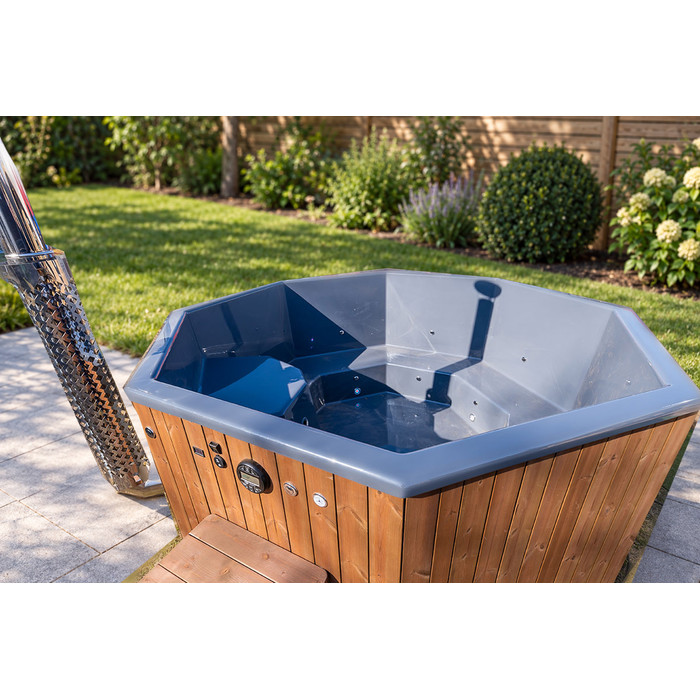
Hot tub size is often presented as a single number, but three different measures matter. The stated capacity is the number of users the manufacturer says a model can accommodate; it is not automatically a count of separate, equally roomy seats. Internal usable space describes the room available to people once seated, while external dimensions describe the whole unit. These measures answer different questions. A headline capacity cannot tell you by itself whether your usual group will sit comfortably, how the seats are arranged, or whether the tub will fit the area you have in mind. Keep occupancy, comfort and footprint as separate checks.
Use the capacity as an initial filter, then look for a seating plan and internal measurements to understand how that number is arranged. The widest internal measurement alone may not tell you about seat depth, spacing or the shape of the available area, so a diagram adds useful context. For the outside, compare the stated overall length and width, or diameter where applicable, rather than assuming the seating area reflects the footprint. The Bloomcabin Hot Tub Cove 2 listing is one place to look for model-specific information. Keep any measurement beside its description so that you do not later mistake an internal dimension for an external one.
Choose around your regular group
Before comparing capacities, picture the tub in ordinary use. Count the people likely to use it together regularly, not everyone who might visit over a year. Think about how often the full household or usual group will be in the water at the same time: choosing around a group that rarely gathers may mean more size than everyday use calls for. It can help to note the ordinary group first, then separately record the largest group you genuinely expect to host. That gives you two different figures instead of one inflated estimate.
Consider the actual people, not just the total. Adults vary in height and build, and two households with the same headcount may prefer different amounts of room. For a regular group, look for a layout that offers each person a clear seated position and compare internal measurements where the specification provides them. A stated capacity can help rule out a model that is too small, but it cannot settle questions of spacing. When comparing Bloomcabin hot tub Haven 6, use the same household and comfort expectations you apply to every other model. Ask the regular users what matters most: room to stretch their legs, more space between people, or a particular seating position. Where preferences differ, note whose needs are essential to the choice rather than assuming that everyone will find the same seat comfortable. This makes your comparison more specific than simply asking for a spacious tub. It also gives you a consistent set of questions to use when looking at each seating plan.
What stated capacity tells you
A manufacturer-stated capacity is the occupancy figure published for that particular model. If the manufacturer describes it as a maximum, read it as a maximum; do not quietly turn it into a personal comfort recommendation. A listing may provide an occupancy number without explaining how people are positioned or how much usable room each has. In that case, you have one useful fact, but still need the layout and measurements to judge whether the tub suits your regular group.
Keep three questions separate: what occupancy the manufacturer publishes, what seating positions the plan shows, and whether the internal space suits the people who will use it. A general phrase such as “for a family” is not a substitute for the exact model specification. If different descriptions give different figures, ask which one is the manufacturer’s stated occupancy and which model version it applies to. For Bloomcabin Hot Tub Fjord 8, record the wording alongside the figure so that a maximum occupancy is not mistaken for a separate claim about comfortable seating.
Seating layout determines usable room
A seat count describes positions, while a layout shows how people share the internal space. Separate shaped seats can differ in spacing and form; an open seating area may arrange people differently. Do not assume that every visible contour is a full seat or that every advertised position gives equal room. A plan view, an explanation of the seat types and internal measurements together are more informative than a capacity label alone. The useful question is whether the positions suit the people expected to sit together, not whether the tub has the largest number in its headline.
Look at how the layout positions users in relation to one another, whether there is room for their legs, and whether the shape of a seat affects how someone can settle into it. Those are details to assess from an accurate plan or in person, not to infer from a model name or promotional photograph. Also check whether a published figure refers to seated positions or overall occupancy; descriptions may not use identical terms. When you open Bloomcabin hot tub Aurora 10, compare its stated layout with other shortlisted models only if the relevant information is provided. Read the plan with your whole regular group in mind, rather than considering one appealing position in isolation. If one person takes that position, where will the others sit? Does the arrangement still match their preferences? Where seats differ, consider whether everyone would be happy with their likely place. These questions help you distinguish a layout that looks attractive from one that appears suitable for the people sharing it.
How to compare seating comfort
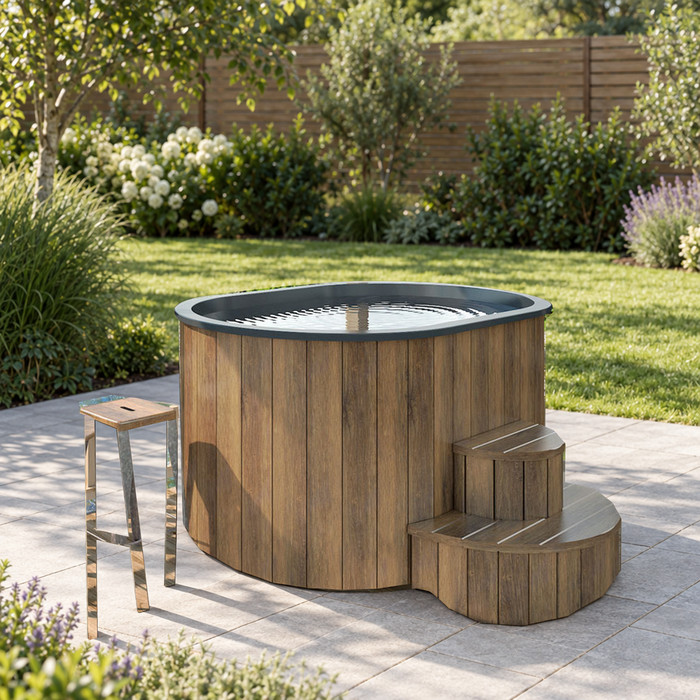
A straightforward comparison uses the same three details for every tub: the number in your usual group, the manufacturer’s stated occupancy, and the seating plan with any internal measurements. First check that the stated occupancy covers your group; then ask whether the arrangement provides enough usable room for those people. This two-part test prevents a large headline number from winning automatically. If the plan or internal dimensions are absent, mark that part of the comparison as unknown rather than assuming that similar capacities mean similar comfort.
If a measured diagram is provided, read each figure against the feature it describes. Internal length, for example, is not a measure of the space between every seat, and an occupancy label is not a dimension. Use a consistent basis across shortlisted products and note any missing details before deciding. If you can view a tub in person, it may be helpful for the regular users to try the positions together, where practical. Use the Cove 2 product page to gather the same details as for the other options. For each model, write a short comfort note explaining what the information actually shows: which positions seem suitable, which dimensions help your assessment, and what remains unclear. Avoid giving a model a better score merely because its page includes more photographs. If you do try the seating, compare your impressions with the priorities you recorded beforehand. Note any disagreement within the group rather than reducing everyone's experience to a single verdict. This gives you a useful distinction between comfort assessed in person and comfort judged only from a plan.
How much should occasional guests influence size?
Occasional guests are worth considering, but they should not automatically set the everyday size. Ask how often the largest group will actually use the tub together, and whether that use matters enough to shape the purchase. A special gathering now and then creates a different requirement from a regular household routine. If the tub will usually be used by fewer people, compare the seating quality for that normal group first; aiming at the highest possible occupancy may leave you with more overall size than you need for regular use.
There is no universal number of spare places to add. A sensible margin depends on the difference between the normal and occasional groups, as well as on how the seats are arranged. A higher capacity may also come with a different external footprint or water volume, but those comparisons require actual product specifications. Do not assume that more capacity means proportionally more room in every seat. When considering another option such as the Haven 6 listing, compare two clear requirements: the everyday group it needs to suit and the occasional group you would like it to accommodate. Keep the second as a preference unless hosting that group together is genuinely important to you. If both options suit ordinary use, ask what the additional size would achieve during those gatherings. If the answer is simply a higher published occupancy, return to the layout to see whether it also offers the seating arrangement you want. Extra capacity is useful only when it answers a real requirement.
Compare models using like-for-like specifications
The four product identities in this comparison are Bloomcabin Hot Tub Cove 2, Bloomcabin hot tub Haven 6, Bloomcabin Hot Tub Fjord 8 and Bloomcabin hot tub Aurora 10. The information available for this guide confirms those catalogue names only; it does not include their manufacturer-stated capacities, seating layouts, or internal and external dimensions. There is therefore no sound basis here for ranking them by occupancy or saying which suits a particular household. The numerals are part of the model names, not verified capacity figures.
To compare the products fairly, record the exact model or variant and the same fields for each: manufacturer-stated occupancy, a seating diagram or description, internal measurements, and full external measurements. Check that each figure applies to the version shown on the product page, especially if there are options or revised descriptions. A capacity without a layout leaves a comfort question unanswered; dimensions without seating details leave another. Use the Fjord 8 product page as the starting point for that model’s entry, keeping any unanswered questions beside the relevant field rather than treating an incomplete entry as a smaller or less comfortable tub.
Check the outside measurements against your space
Once the seating question is clear, test the outside size against the area you have in mind. Use the manufacturer’s overall dimensions for the tub, not an internal measurement, a shipping figure or an image viewed on a screen. For a rectangular footprint, compare both length and width; for another shape, use the maximum outside span or diameter stated by the manufacturer. Height is a separate external measurement and may matter to a basic fit check where the intended area has a limit. A dimensioned drawing is useful if it matches the exact model.
Measure the area you intend to use and compare it with those outside figures in the same units, such as millimetres or centimetres. If the product information uses a different unit, convert it carefully before comparing. A simple outline on the ground or floor can help you picture the footprint, but base it on stated dimensions rather than the apparent scale of a photograph. For the Aurora 10 listing, use the published external measurements if available. Label the sides of your sketch to match the drawing, especially when comparing a rectangular model with a different shape. If you turn the outline to consider another orientation, keep its length and width correctly identified. The purpose here is simply to establish whether the unit’s overall shape and dimensions are compatible with the intended area. A footprint match does not settle the separate questions of placement, surrounding clearances, a suitable base or delivery access.
What to ask when a listing lacks dimensions
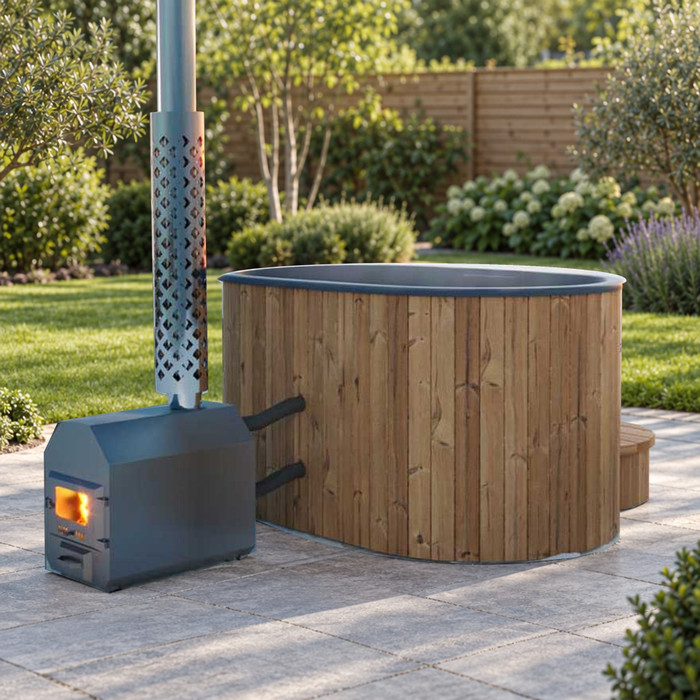
If a listing does not give enough detail, ask for the missing figures before treating capacity as decisive. Request the manufacturer’s stated occupancy, clarification of whether the figure is a maximum or a comfort description, and a seating plan that shows the positions. Ask for internal usable measurements and full external dimensions as separate items. If the product page offers only one measurement, find out which part of the tub it describes: inside length, outside length and widest span are not interchangeable. This gives you comparable facts for each shortlisted model.
Keep the answer tied to the exact model or option you plan to buy. A specification for a similar model, an older page or an image with no scale does not resolve a missing figure. If one source states a different capacity from another, ask which manufacturer figure applies and request clarification in writing instead of choosing whichever number seems more appealing. If the answer still leaves a key seating detail or external measurement unclear, treat it as unresolved. That is more reliable than filling gaps with assumptions about a model name or appearance.
Choosing the right size for everyday use
A practical decision rule is to begin with your ordinary group, not the largest crowd you can imagine. The manufacturer’s stated occupancy should accommodate that group, and the seating arrangement and internal space should look workable for the people who will use the tub most often. Then check whether the external dimensions fit the area you have in mind. These are separate checks: passing the capacity test alone does not prove comfort, while a suitable layout is not useful if the whole unit does not fit. If an essential figure is missing, pause the comparison until it is clear.
When two options meet the same everyday need, the better fit is not automatically the one with the biggest capacity. Choose by the layout and usable space your group prefers, alongside external dimensions that fit the intended area, and decide whether occasional guests justify extra size. Use comparable, confirmed specifications for each model and keep the manufacturer’s occupancy separate from your own comfort judgement. This keeps the choice tied to real use rather than a model number, an image or the highest figure alone.
Frequently asked questions
Is the stated capacity the same as the number of comfortable seats?
No. Capacity is the occupancy figure published for the model; it does not, by itself, describe the shape or spacing of the seats. Check the seating plan and internal measurements as well, then judge whether the layout works for the people who will use it.
Should I choose for the largest group I might host?
Not automatically. Base the choice on how many people will use the tub together regularly, then decide whether occasional gatherings justify choosing a larger option. If they are rare, compare everyday seating comfort before giving extra capacity priority.
Do the numbers in Cove 2, Haven 6, Fjord 8 and Aurora 10 state capacity?
The model names identify the products, but their numbers do not verify how many people they accommodate. Use the manufacturer-stated occupancy for the exact model rather than interpreting its name as a capacity figure.
Why compare both internal and external dimensions?
Internal measurements help you understand the space available to people seated in the tub. External measurements describe the unit’s overall size and help you check whether it fits the area you have in mind. One cannot substitute for the other.
What if a product page does not show a seating plan or dimensions?
Ask for the current specification for the exact model, including its stated occupancy, seating layout, internal measurements and full external dimensions. If a key detail remains unclear, treat it as unknown rather than estimating from a product name or photograph.
The right size is the one that suits your regular group, gives them a layout they can use comfortably, and fits the area available. Treat occasional guests as a separate consideration, and compare stated capacity, internal space and external dimensions as distinct facts. Where a figure is missing, getting the exact specification is more useful than trying to decode it from the model name.
