
When should you order a greenhouse for spring readiness?
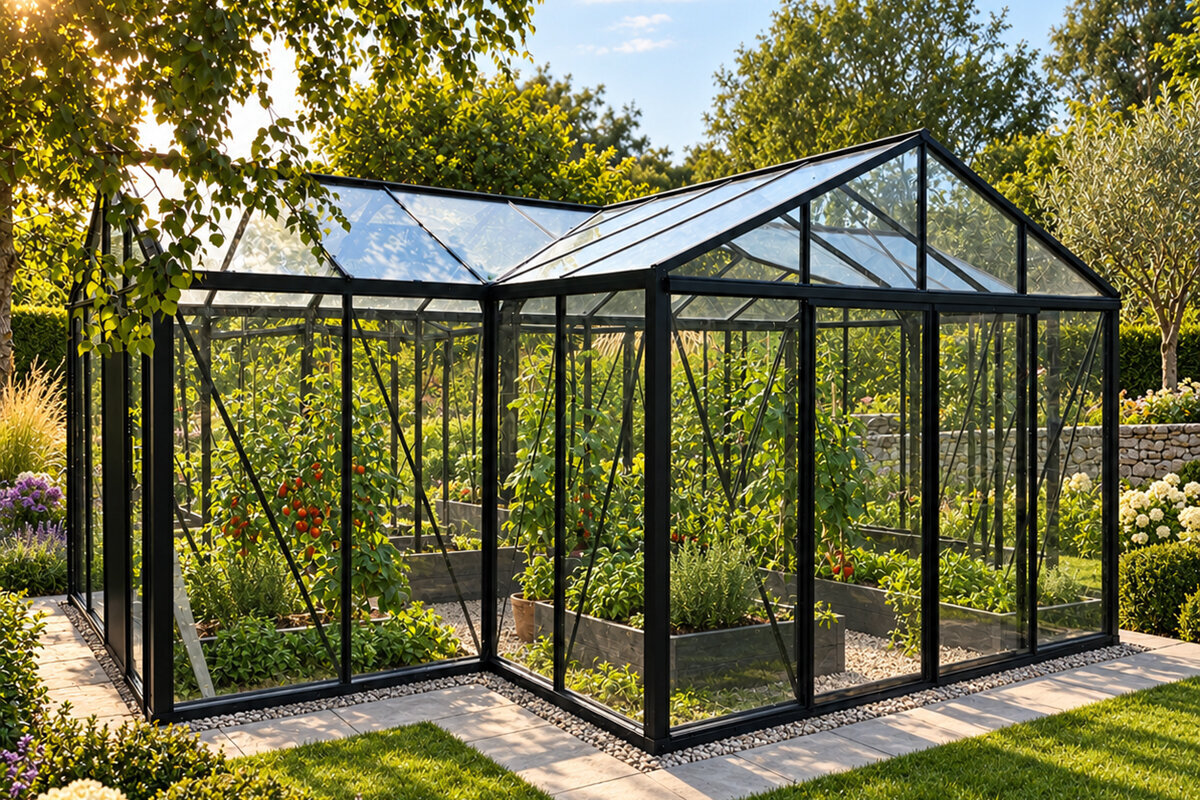
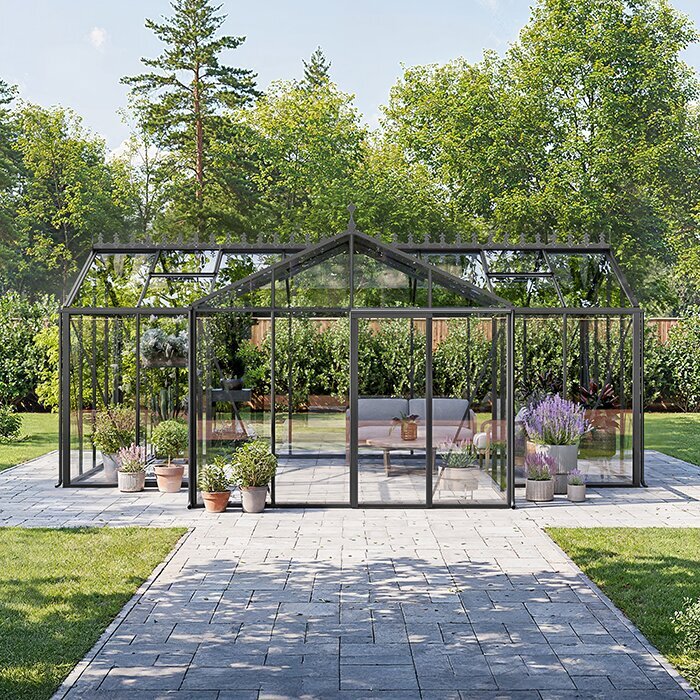
Spring garden planning
Plan your greenhouse so the season can start prepared
If you want to use a greenhouse in spring, do not wait until the first sowing dates to plan it. A backwards schedule should connect the site, preparation, product choice, order and assembly.
Ordering a greenhouse for spring is primarily about your own planning. First decide when the interior should be ready for sowing, young plants or the first container plants. Work back from this personal target date. This leaves space for decisions, questions and work around the property without putting unnecessary pressure on individual steps.
Site preparation is especially easy to underestimate. A level, load-bearing and accessible location does not appear by itself, particularly where paths need changing, ground needs preparing or existing planting must be moved. Consider early how components will reach the assembly area and where they can be kept protected until installation.
So do not order according to a general calendar date, but according to the progress of your project. Clarifying dimensions, use and construction early lets you compare product details calmly. Check with the Planning Authority and your perit which requirements may apply to the specific site. This creates a sound basis for a greenhouse ready for your intended spring start.
01 · Starting point
Define your intended spring start
Being “ready for spring” means something different in every garden. Some people want to sow early, others to grow on young plants under cover or shelter tender plants during unsettled weather. Write down your personal starting point and consider which tasks must be complete beforehand. A clear use date is more helpful than a vague wish for a greenhouse sometime in the new season.
When planning backwards, consider more than assembly itself. Selection, ordering, reviewing product documents and preparing the site come first. After assembly, there is often furnishing, cleaning and an initial check of doors, ventilation and interior layout. The more clearly you separate these stages, the easier it is to see when your order should be placed.
- Note the first intended use, such as propagation, overwintering or sheltered storage for container plants.
- Allow a time buffer for changing weather, site work and decisions that only become clear on location.
For a freestanding garden location, a standard Classic greenhouse for the garden can be a useful starting point, with its size matched to your use and available space.
02 · Site
The site determines the realistic schedule
Before ordering a greenhouse, the intended spot should offer more than visual appeal. Check light throughout the day, distances from trees, path routes and access from the house. Drainage and soil conditions also deserve attention. A place that feels pleasant in summer may remain damp for longer in spring or be less useful than expected because of shade.
Access also matters for planning. Components, tools and later soil, plants or shelving must be able to reach the site. Measure passageways, garden gates and narrow sections of path. Where a greenhouse is planned against a building wall, consider the wall, connections and working space particularly carefully. Clarify planning questions for the individual site with the Planning Authority and a perit.
- Measure the area, access routes and critical narrow points before shortlisting dimensions.
- Observe shade, standing water and wind at the proposed site at different times of day.
If a house wall forms part of the plan, consider a full-size classic lean-to greenhouse only after carefully checking the wall, base area and access.
03 · Ground
Plan the base and preparation early
A carefully prepared base is not a detail to leave until after ordering. The right solution depends on the terrain, soil, model and applicable assembly instructions. A stable, level base and a plan for surface water are important. Seek qualified help if unsure, especially on slopes, loose ground or where drainage is complex.
Also consider the order of work. Existing beds, shrubs, services or paving can affect the process. Resolving these matters beforehand avoids hurried adjustments shortly before assembly. Keep planning documents and dimensions together; they make discussions with helpers or contractors easier. Your schedule becomes dependable only when the site can genuinely be prepared.
- Choose the base solution using product requirements, ground conditions and the local situation.
- Mark the proposed footprint on site to check clearances, door positions and working routes in practice.
For a freestanding solution, a standard Classic greenhouse helps make the necessary footprint visible early in the garden plan.
04 · Selection
Choose the right version without rushing
Product selection should follow intended use, not simply an empty corner of the garden. Think about which plants you will keep, whether shelving or a workbench is planned, and how much room you need to move around. Door position and routes between the house, water point and compost also affect everyday use. Selecting early gives you time to read documents and ask focused questions.
Compare more than external dimensions; consider the whole use concept. A greenhouse against a wall can shorten routes, but requires careful coordination with the existing structure. A freestanding model offers different placement options. Check the current product description, assembly guidance and required additions before finalising your choice.
- Choose the size and internal layout according to plant numbers, working habits and preferred walking routes.
- Keep questions about the base, accessories and assembly in writing so nothing remains unresolved when ordering.
Near a terrace or house, a full-size classic lean-to greenhouse can be a suitable space solution once the structural conditions have been checked.
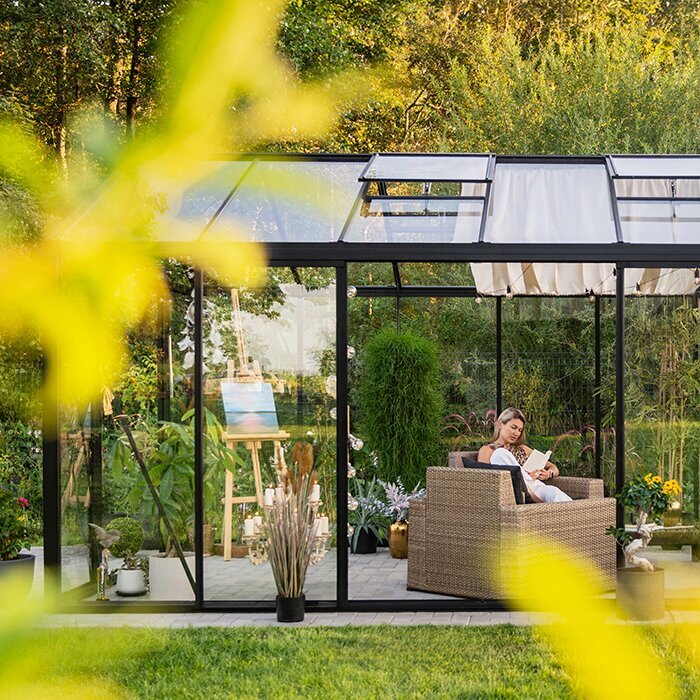
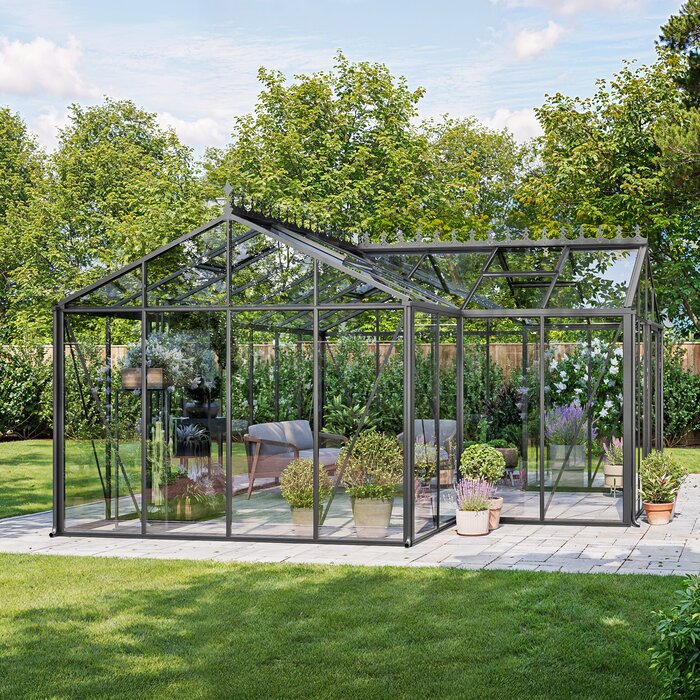
05 · Ordering
Order accurately with complete details
Once the model, site and assembly concept are confirmed, you can order with much greater confidence. Check the chosen size, specification and planned additions against your sketch again. Provide contact and access details carefully where requested during checkout. If anything is unclear, ask before completing the order rather than making assumptions about process or scope.
Avoid basing your plans on unverified timing assumptions. Ask directly, as part of the current order, for information about the specific order process, possible dates and delivery. The key point remains that the site should be prepared so you can proceed in an organised way once components arrive. A good order is part of an overall plan, not its beginning.
- Match the model, dimensions, specification and accessories to your site sketch immediately before completing the order.
- Ask directly for current process information, while still allowing enough organisational flexibility.
Anyone choosing a freestanding garden solution can use a standard Classic greenhouse for propagation to align the selection closely with their own planting season.
06 · Organisation
Prepare delivery and assembly practically
Before assembly, the project needs simple but practical logistics. Designate a dry, protected area for components if they cannot be installed immediately. Clear access routes and keep sensitive garden areas out of the transport route where possible. Also check which tools are required by the assembly documents and whether enough people are available for individual stages.
Read the assembly instructions fully and in good time, rather than only when opening the packaging. This allows you to split the work into manageable stages and identify early whether help from a suitable contractor would be useful. Follow the applicable instructions and safety guidance carefully. Then allow time for furnishing, so the greenhouse is not merely standing but ready to use.
- Create a protected storage area and keep routes clear between storage, the build site and house.
- Check assembly documents early for tool requirements, work stages and situations where support may help.
For a wall-adjacent plan, a full-size standard lean-to greenhouse should only be assembled once the wall area and working space are clearly prepared.
07 · Start of season
Allow time to set up after assembly
An assembled greenhouse is not automatically ready for the first sowing. Clean the interior after installation and arrange areas for pots, seed, working materials and watering to suit your routine. Test how you move through the space: where will plants stand, how will you reach them, and where is there room to work? This small setup phase makes a noticeable difference later.
Observe the greenhouse climate carefully over its first days. Light, temperature and humidity can change significantly according to the site and weather. Rather than filling it all at once, begin with a manageable choice of plants and adapt use to your experience. This turns a planned spring start into a practical beginning that can develop throughout the season.
- Set up paths, storage areas and work surfaces before the first sowing instead of rearranging the interior later.
- Start with a few plants and observe conditions before occupying the entire area.
For a flexible interior, a freestanding standard Classic greenhouse provides a sound basis for shelves, tables and seasonal planting areas.
08 · Final checks
Resolve outstanding points before the season
At the end of planning, it is worth reviewing every decision calmly. Are dimensions, site, base and access documented? Is it clear who will assemble the greenhouse and how components will be stored safely? Also check whether land designation, existing permit conditions, third-party consent or planning controls could be relevant. Seek project-specific guidance from the Planning Authority and a perit rather than relying on general rules of thumb.
If the greenhouse is integrated with existing buildings or garden structures, it may also be useful to discuss it with your insurer. Ask about cover for your individual circumstances without assuming that it will be classified automatically. Keep order, product and assembly documents organised. These final checks provide a sound basis for starting the spring season as planned.
- Clarify potential local requirements for your individual site before beginning irreversible works.
- Discuss insurance using the details of your own property and retain all relevant documents clearly.
For a building-adjacent solution, a large traditional lean-to greenhouse is best incorporated into an overall plan for the wall area, access and garden use.
Comparison
Which planning route suits your project?
The right ordering stage depends less on a fixed month than on how far your project has progressed. This overview shows which questions should be answered before ordering in different situations. Use it as a decision aid, not as a binding timetable.
| Starting position | Clarify now | Complete before ordering |
|---|---|---|
| Freestanding site | Light, dimensions, access and use | Mark the footprint; define the base concept |
| Placement near a house | Wall area, connections and working space | Check the structure; prepare the base area |
| Unclear garden plan | Planting goals and desired size | Make a sketch; measure routes and clearances |
| Site already prepared | Model, equipment and assembly arrangements | Review documents; prepare the complete order |
| Spring start firmly planned | Furnishing and first crops | Schedule assembly, cleaning and moving in |
A backwards plan for your greenhouse
Start with the first day you want to use the greenhouse and work backwards step by step. This approach provides direction without claiming a particular delivery period or fixed calendar date.
01
Set the use date
Decide when you want to begin first sowings, caring for young plants or placing tender plants under cover. Set a concrete personal seasonal goal.
02
Sketch use and size
Plan plant types, shelves, a worktable and circulation space. Compare these needs with the available area and garden walking routes.
03
Check the site in person
Measure the area and access, observe light and drainage, and mark the footprint. Clarify local requirements individually where needed.
04
Prepare the ground
Develop a stable, level base concept that suits the model and site. Organise necessary work before the project enters the assembly stage.
05
Organise ordering and assembly
Check your selection and documents, obtain current order-process information, and plan storage, tools, support and interior setup.
Checklist before ordering
If you can tick off these points, your planning is sufficiently advanced to prepare the order carefully and organise a realistic spring start.
01. The intended first use date and purpose of the greenhouse have been written down.
02. The site has been checked at different times of day for light, shade, moisture and accessibility.
03. The footprint, paths, gates and other narrow points have been measured and noted on a sketch.
04. The chosen size allows for plants, furnishing, working routines and sufficient room to move inside.
05. The base has been designed for the assembly requirements and actual ground conditions.
06. Potential local requirements have been clarified for the individual property with the relevant authority.
07. A practical arrangement, including protected storage, is in place for components, tools and assembly.
08. The model, specification and desired additions have been carefully checked before ordering.
Frequently asked questions about ordering for spring
When should I order a greenhouse for spring?
Order once your site, preferred specification, base concept and assembly arrangements are sufficiently clear. Work backwards from your own intended use date. This reserves time for preparation and avoids placing an order before the build site has been resolved.
Can I prepare the greenhouse only after delivery?
That is usually not the best planning sequence. Ground conditions, access and storage should ideally be clarified beforehand, so components can be handled in an orderly way and assembly can begin sensibly. Weather and local conditions can affect garden work. A prepared area gives you considerably more flexibility.
Do I need planning permission for a greenhouse?
This can depend on the site, size, construction and applicable local requirements. General statements cannot replace an assessment for your property. Contact the Planning Authority and consult a perit early about the classification and conditions for your project. Consider land designation, existing permit conditions and any relevant site restrictions.
What should I consider for a site against a house wall?
Check the wall surface, the area for the base and assembly, and accessibility carefully. Light, water management and enough room for everyday greenhouse use are also important. Since every building differs, follow the product documents and have structural matters reviewed by a qualified professional where appropriate.
How should I plan assembly?
Read the current assembly documents in advance, prepare tools and protected storage areas, and clear access to the build site. Divide the work into sensible stages. If individual tasks exceed your experience or capacity, support from a suitable contractor may be the better organisational choice.
Should I speak to my insurer beforehand?
For a new greenhouse, it can be sensible to ask your insurer how it would be classified in your circumstances and what cover would apply. Do not rely on general assumptions. Keep details of the site and specification available, then retain the order and product documents in an organised way.
Explore greenhouses
Plan backwards for a relaxed start to the season
The best answer to when you should order a greenhouse does not begin with a standard date. It begins with your intended spring start. When the site, base, model and assembly plan come together in good time, a purchase becomes a well-prepared garden project.
Take time over the points that are difficult to change later: dimensions, access, the base and intended use. You can then choose a suitable solution and start the ordering process on a solid foundation. Bloomcabin offers greenhouses for a range of garden ideas.
Find a greenhouse solution that suits your site, planting plans and preferred start to the new gardening season.
