
Where to Position a Garden Shed for Sun, Shade and Privacy
Garden shed planning
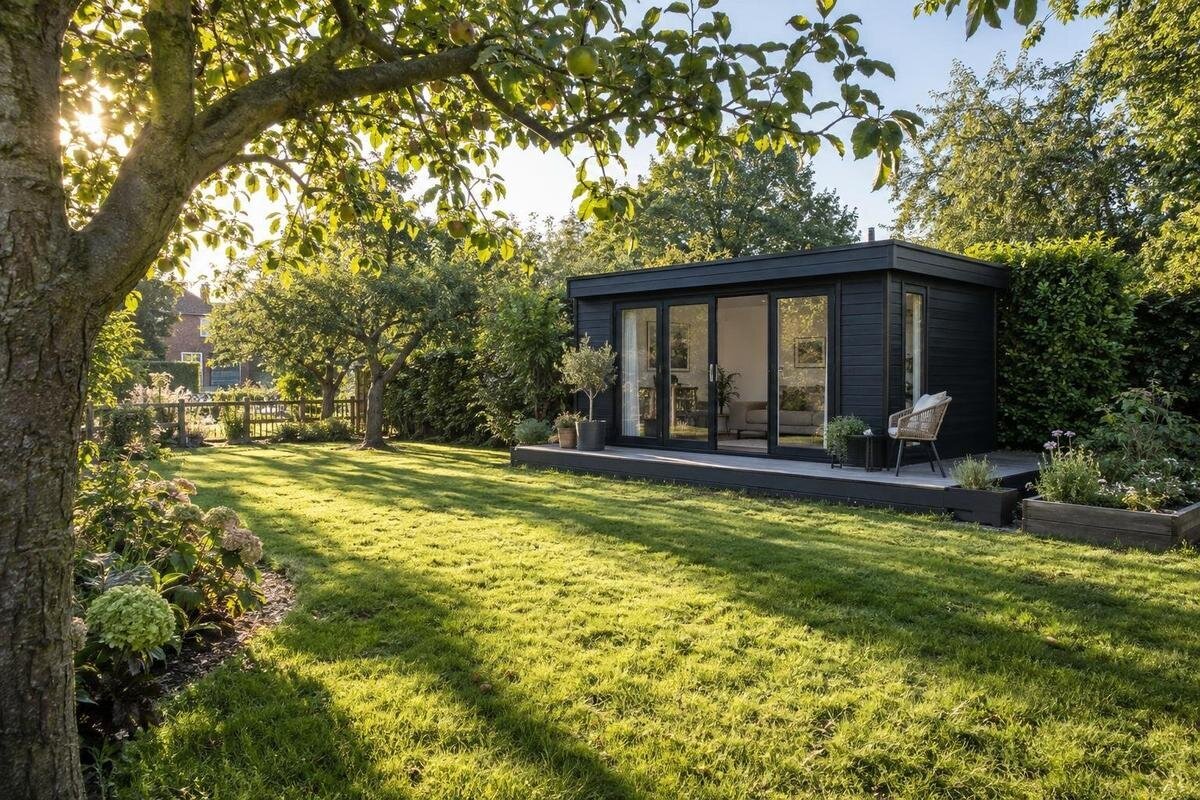
Choosing where to position a garden shed is not just a question of finding an empty corner. Sunlight changes over the day, shade can be welcome or inconvenient depending on how you will use the building, and privacy looks different from inside the house than from the patio. Before you order, compare a few possible positions against those everyday views and routines. A simple site sketch, checked in the garden itself, helps connect the product information to the place where the shed will actually stand.
Before choosing a site 1
Begin with how you will use the garden shed
Before looking for a sunny or sheltered corner, decide what the garden shed will do in daily life. A place for tools may be visited briefly and needs a straightforward route from the parts of the garden where those tools are used. If you plan to spend longer inside, daylight, outlook and privacy may matter more, but first confirm that the model you are considering is intended for that use. If the building has several roles, rank them instead of treating every wish as equally important. The brightest spot is not automatically the most useful, and the most hidden corner may make ordinary access feel awkward.
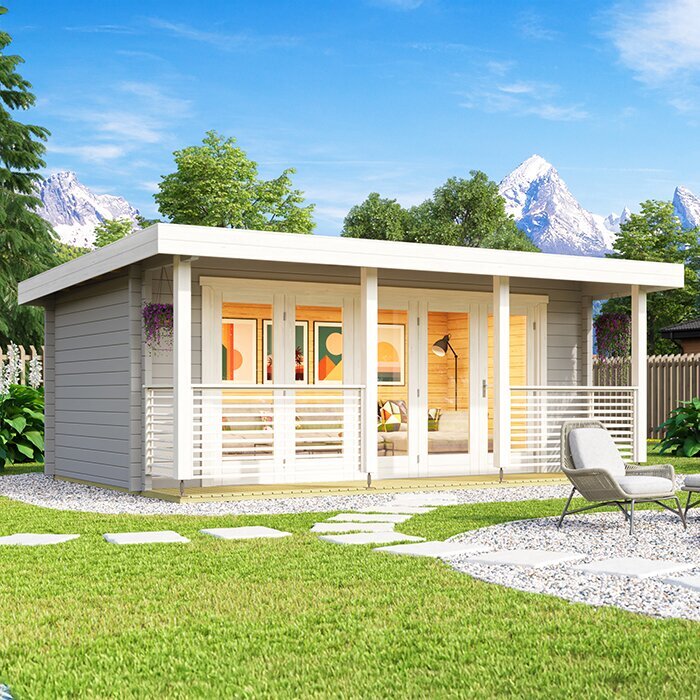
Draw a simple plan showing the house, patio, beds, gates and two or three possible positions. Trace the route you would actually take while carrying items, then note which views and open areas you want to keep. Think about how the proposed location feels from indoors and from the garden, not just from the gate. Ask anyone else who regularly uses the garden to mark their usual route too; the most natural approach may not be yours. When comparing a listing such as the Verdana 1 garden shed page, match its stated footprint and opening layout, if supplied, to your sketch. Do not assume the product photograph shows how it will look on your site. Keep the drawing simple: its job is to bring daily use and product dimensions together before you commit to a position.
Observe sunlight at different times of day
Sunlight shifts during the day, so a single visit can give a misleading impression. At each candidate spot, note where direct sun falls in the morning, near midday and later in the afternoon. Repeat the observations on more than one day if you can, and identify what causes shade, such as a house wall, boundary wall or taller planting. Record both the ground where you might stand and the side where an entrance or window could be; those areas can receive very different light. Also distinguish direct sun from reflected brightness: a pale wall can brighten an otherwise shaded corner, while glare may still matter at an opening. A short written log is more dependable than relying on memory, especially when comparing several corners.
Season matters as well: the sun’s path and daylight hours change, and planting or how you use the garden may change too. If you are deciding during a season unlike the one when you expect to use the shed most, allow for that difference rather than treating today’s shadow as permanent. Photos taken from the same viewpoint, with the time noted, help compare visits but cannot show every season. For any listing, including the Verdana 2 garden shed listing, compare any published footprint or opening details with the parts of the garden that receive the light you want. Avoid relying on one sunny-hour impression or an unlabelled photograph.
Before choosing a site 2
Decide whether shade suits the intended use
Shade is not simply a problem to avoid. It may be welcome where you want a less exposed-feeling corner or where nearby seating is already bright; a sunny position may be more appealing if you value light at the entrance or want the shed to sit in a brighter part of the garden. But conditions outside do not necessarily match those inside. The amount of daylight entering depends on the actual openings and their orientation, and a solid wall will not behave like a glazed one. Decide which area matters most—the route, the interior or nearby seating—before choosing between a sunnier and shadier position.
Sketch the shade pattern over the hours when you expect to use the building and mark where light is essential rather than merely pleasant. If you keep plants nearby, consider whether the proposed shed would cast a new shadow over a bed; if you mainly sit outdoors, ask whether its location would leave that area feeling too exposed or too shaded. Note whether shade covers the whole candidate position or only one side. If the product allows different orientations, compare whether changing the direction of an opening could provide the light you want without moving the whole building. A candidate such as the Durano garden shed listing can be compared against your notes, but use only details actually provided for the product and observations from your own site to judge the light.
Match the entrance and openings to the light
Once you have identified the light you want, consider which side of the shed will face it and which way the entrance will face. An entrance that meets your usual route may be more practical than one aimed at the brightest view, while a window or other glazed opening can bring daylight but may create glare at certain times. Picture the activity inside: finding garden equipment, doing a task at a bench or sitting calls for different relationships between an opening and the sun. Do not assume a model can be turned or assembled with the entrance on either side; check the specific plan and instructions before treating that as an option.
At the site, mark the building’s outline and show the entrance on your sketch, then approach it from the directions you would normally use. Notice whether the door would face a useful part of the garden, an exposed boundary or a view you would rather screen. Check for reflected glare from nearby pale surfaces during the hours you recorded, too. When comparing the Veltor 1 garden shed page, read any product-specific orientation or opening information that is actually supplied and ask before ordering if it leaves a practical question unanswered. A general image cannot confirm which arrangement fits your plot. A change in direction can alter both the entrance view and the light on the opening, so assess those together rather than optimising one alone.
Before choosing a site 3
Check privacy from the viewpoints that matter
Privacy is easiest to judge from the places people actually look from: the kitchen or living-room window, a patio chair, the gate and nearby neighbouring windows or seating areas. Stand or sit at those points, then imagine the shed in the marked position. Its entrance and any windows can affect how private the interior feels, while the building itself can change the view from the house. Decide whether you need to screen activity inside, reduce a direct view of the building, or simply create a quieter corner; these are related aims, but they are not the same. This helps you decide what the position needs to achieve.
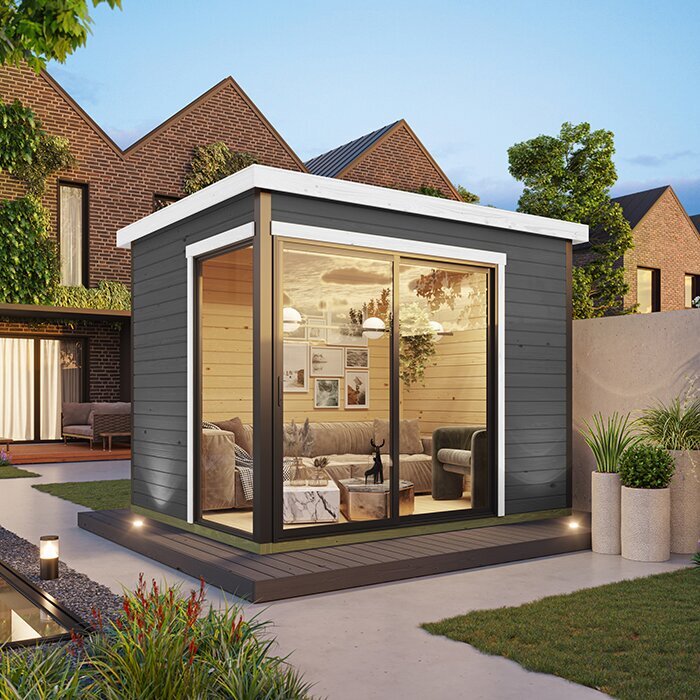
On your plan, draw the main sightlines and note where existing walls, fences or planting already interrupt them. A screen may help, but it can also block light or make a small garden feel more enclosed, so test it from more than one viewpoint before relying on it. If privacy is mainly about views into the interior, turning an opening away may help where the product allows that orientation; screening the whole building may be unnecessary. Keep the Orello 1 garden shed page on the shortlist only after checking whatever opening arrangement is specified in the current product details against your sightlines. A model name alone cannot establish privacy on your plot.
Balance privacy with the garden outlook
Privacy does not have to mean hiding the shed completely. Some owners want to avoid direct views into an interior; others want the building itself to be less prominent while retaining an open outlook from the patio. Identify which viewpoint matters most and test whether a modest change in position or direction would help. From each main room and sitting area, view the proposed footprint at eye level. You can ask another person to stand at a corner or use a temporary marker to show the outline. This reveals whether the shed would interrupt a valued view before any order is placed. Also decide whether you want to see the entrance from the house, rather than turning it away from every window by default.
Consider how the shed will sit within the overall garden. A position behind existing planting may be less prominent but less visible from the house; a more open position may feel connected to the garden yet draw attention to the building. Neither is universally better. Let the intended use and the view you want to retain decide the balance. Take photographs from fixed viewpoints if that makes comparisons easier, and review them alongside your plan rather than as product images. When you compare the Modano 1 garden shed listing, distinguish details stated in the product information from what the image merely suggests, then compare those stated details with your own sightlines. A photograph cannot reproduce your boundary or planting.
Before choosing a site 4
Consider the shed in the whole garden layout
Place the shed in the context of how the rest of the garden works. It may sit near a patio, a working area or a less-used edge, but the best position depends on which spaces you want to keep open and how you move between them. A building can become a visual stop in a long view or divide two areas that currently work together. Walk through the garden on your normal route and imagine its outline from different points; consider whether the spot would still feel natural from the house and while you are using the garden. If the garden serves several activities, assess the outline from the places where each one happens, not just from the main sitting area.
Use a temporary outline on the ground—string, removable markers or a careful chalk line where suitable—to judge scale and direction, then revisit it from the house and sitting areas. Consider whether it would shade a valued area, face an awkward way for your routines or compete with a feature you want to remain prominent. Keep a second candidate in mind if the first outline feels visually dominant; shifting the position may be a better solution than adding screening everywhere. A listing such as the wooden garden shed M page is one item to assess, not a reason to accept a position that weakens the garden’s layout. Choose a tentative spot, then check that the selected product can work there.
Compare the site with product details before ordering
Once one or two sites look promising, compare them with the exact product information before placing an order. Confirm the overall dimensions and the meaning of each measurement, then check the positions of doors and windows against the direction you recorded. A plan may describe a base footprint differently from the building’s outer measurements; establish which figures apply to the space you are assessing. If the listing offers alternative layouts or configurations, confirm what is available for the version you intend to buy rather than assuming the pictured arrangement is standard. This avoids choosing a site around an unverified product image.
Then read the current assembly and site-preparation information for the selected model, where provided. Check what it says about the supporting surface, installation sequence and access needed to bring components into the garden; do not infer these points from a photograph or model name. If the ground is sloping, access is restricted or preparation is unclear, ask the supplier or a qualified installer to assess the actual site. The wooden garden storage shed S listing can be reviewed by the same method as any candidate: compare the details available for it with your measurements and resolve unanswered questions before committing to an order. If delivery or assembly is part of the arrangement you choose, establish what is included and what preparation remains your responsibility.
Before choosing a site 5
Compare possible positions against your priorities
To make the choice less subjective, give each possible location a simple rating against three factors: light at the hours you will use it, privacy from the viewpoints that matter, and how well the position fits daily access and the rest of the garden. Use a scale such as good, acceptable or unsuitable; the labels are prompts for comparison, not a technical assessment. Add a separate note for anything you cannot compromise on, such as a view from the house or daylight for a planned activity. Write your most important requirement at the top so a minor preference does not receive equal weight.
Compare the notes side by side. A candidate that gets excellent afternoon sun but exposes the interior may be less suitable than a slightly shaded position with the privacy you want; another may protect the view but make access irritating. Decide which drawback you can live with, and eliminate any option that fails a genuine requirement. If two positions remain close, revisit the garden at the time you plan to use it rather than adding points to a score with no universal weighting. Ask anyone who regularly uses the garden to try the route and judge the view; their habits may reveal a problem that your own first impression misses.
Recheck the marked position before committing
Before finalising the site, return to the marked outline at more than one time of day. View it from the house, stand at the proposed entrance, and check whether the afternoon shadow, morning light and key sightlines still support your choice. A small shift may preserve an important view or alter the light reaching a seating area, but make that adjustment only after checking the building dimensions and orientation again. If you use removable markers, make the full outline easy to judge; a point marking a corner can make the planned structure seem smaller than it is.
Once the location feels right, write down the intended orientation and the reasons for it: which side should receive light, which views should remain private and how the entrance relates to your routine. Use that note while reviewing the final product version, because the position works only if its dimensions and openings match the version you order. If you change models after choosing the site, repeat the comparison; a different footprint or opening arrangement may change the balance of light and privacy. If a preparation detail is unclear, resolve it with the seller or a qualified installer before work begins.
Frequently asked questions
Which way should a garden shed face?
There is no single direction that suits every garden. Consider the route you will use, the light at the entrance and any openings, and the views you want to keep private or unobstructed. Check the chosen model’s actual orientation options rather than assuming its layout can be turned.
Is it better to put a garden shed in sun or shade?
It depends on how you plan to use the building and the space around it. A bright spot may suit a use where daylight matters, while shade may be welcome for other garden activities. Observe candidate positions at different times and seasons, and distinguish the light outside from the light that can enter through the actual openings.
How can I tell where the sun will fall?
Visit each possible position in the morning, near midday and later in the afternoon, and note where direct sun and shade fall. Repeat the observations on different days if possible. Record the time and viewpoint in a note or photograph, and allow for seasonal changes rather than assuming one visit shows the pattern all year.
Can a garden shed make my garden more private?
Its position may interrupt a particular sightline, but a shed does not guarantee privacy. Check the view from the house, patio, gate and nearby seating, and consider where the entrance and any openings would face. If you plan to add screening, test whether it would also block light or make the garden feel enclosed.
Should I choose the product before deciding where it goes?
You can shortlist models while you explore possible positions, but avoid committing to a spot based on a product photograph alone. Mark a tentative footprint, then compare it with the exact dimensions and opening details stated for the version you intend to order. If a key detail is missing, ask before finalising either choice.
Sun, shade and privacy meet at the points where you enter, look out and spend time. A good position supports the intended use while leaving the rest of the garden working as you want it to. Observe candidate spots, test the marked outline from real viewpoints, and use the chosen product’s stated dimensions and opening details to confirm that the position is genuinely workable.
