
Window security: locks, handles, glass and evidence
Compare window and door security
When choosing windows for a new build, renovation or replacement project, do not treat security specifications as a list of separate extras. A locking handle, special glass or several locking points may each be useful, but none alone shows how the complete window responds to an attack. The interaction of sash, frame, hardware, glazing, fixings and professional installation is what matters. For ground-floor windows, easily reached patio openings and secondary rooms, compare each opening by type and location rather than applying one standard to every room. This guide sets out the questions that support a robust quotation review, how to read evidence correctly and why security planning should be coordinated with the overall project before ordering.
Buyer checklist 1
Start with an opening map, not individual wishes
The first security decision is made from the layout, not at the handle. Record how each opening can be reached: directly from the garden, via a balcony, garage roof, canopy or neighbouring land. Also note visibility, room use and whether the opening is regularly needed for ventilation. A basement window may be small but discreetly positioned; a patio door may be prominent but used often. This creates a priority list that focuses security level, ease of use and budget where they matter. It avoids specifying every window identically even though the actual opportunity for attack differs greatly. For each position, add a simple category such as directly accessible, accessible with aids or difficult to access, and mark assumptions that the designer must still confirm on site.
Include doors and fixed glazing in this map. Large glazed areas are sometimes planned only as sources of light or design features, yet they may form part of the same façade strategy as opening windows. In a new build, hinge sides, external surfaces and lighting can be coordinated early. For replacements, establish whether shutters, insect screens, sills or reveals affect access to the handle and hardware. Also record which windows must open quickly without a key for escape, cleaning or ventilation. These practical requirements are important because they determine whether a particular handle or operating routine remains workable every day. Separate observable conditions from preferred solutions: a low external sill is a condition; a locking handle is only one possible response.
Understand the window as a tested unit
A security window is not simply a standard window with stronger hardware. A classified construction assesses how its components work together: profile and frame, locks and keeps, hinges, glazing, glass retention, handle, size and sash arrangement. If one feature changes, it is not automatically clear that the statement still applies to the new variant. For this reason, “similarly secure” is not a reliable basis for comparison. Ask suppliers to describe the offered configuration clearly and link the evidence to that exact configuration or to an expressly covered variant. A comparison table with one row for each quoted position is useful; blanket statements for a complete window schedule can easily conceal differences between standard sizes, special sizes and combined elements.
For a single-sash inward-opening window the operating side is part of the planning, but the product title does not reveal a security class. The same applies to material, glass, hardware and locking. Compare quotations line by line: which resistance class is stated? Does it apply to the complete window or only one component? Which dimensions, number of sashes and opening direction does the document cover? If an answer refers only to an accessory, the crucial link to the full test is usually missing. Written clarification for each position before approval is much more useful than a general sales statement. Also record the exact product or system designation in the evidence and the name later used in the order confirmation, delivery note and marking.
Buyer checklist 2
Use resistance classes appropriately when choosing windows
Resistance classes describe tested resistance to defined burglary attempts under specified conditions. For a buying decision, it matters less to memorise every test method than to connect the class consistently with the risk situation and supporting evidence. A higher class is not a universal substitute for planning: it can affect weight, operation, glass, hardware and cost. Conversely, a lower or unclassified version must not be upgraded by isolated security terms. Ask not only “Which class?” but also “For which position and final size does it apply?” Record additional needs such as frequent ventilation, limited reach or intensive daily use separately, so the security choice does not unintentionally create an awkward opening.
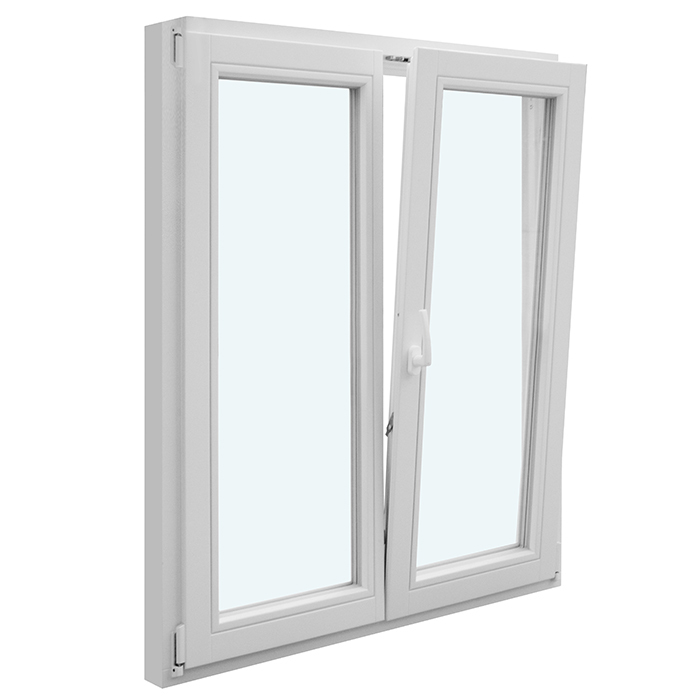
Plan by area. Ground-floor, screened or easily accessible openings may need a different approach from a window high above ground level. A single classification across the whole façade can simplify procurement and documentation, but may impose unnecessary restrictions. A stepped approach instead needs a careful position list. Mark unusual shapes and large elements as well. With double-sash inward-opening windows the central meeting stile, sash proportions and operating sequence change the construction compared with a small single sash. Do not rely on an example image; request confirmation for the exact window position and chosen size. Compare alternatives not only by class name, but also by whether sash division, opening order and usable clear width suit the planned use of the room.
Check locking and hardware across the complete sash
Locking points are intended to connect the sash to the frame at several locations. Their number alone is not a reliable quality judgement. Their position, suitable frame keeps, fixing method and coordination with sash size and opening type all matter. A marketing claim about “multi-point locking” does not answer whether the hardware configuration is tested or specified for your ordered size. Ask which hardware variant is offered, whether it is documented as part of the required complete construction, and what maintenance or adjustment work is expected after fitting. The quotation should also distinguish between a statement about a hardware series, a number of individual components and tested overall performance; these claims are not equivalent.
Pay particular attention to areas where use loads the hardware: the hinge side, corners, tilt stays and the handle area. Large or frequently used sashes do not automatically need the same solution as a rarely opened secondary window. With a single-sash inward-opening patio door daily access should be considered just as carefully as external accessibility. Clarify how the sash is operated while locked, who manages keys and whether residents will reliably follow the routine. A security feature that is routinely bypassed does not serve its practical purpose. Agree that hardware, handle and keeps appear in the quotation by position, not only in general terms. A short operating trial on a comparable sample can reveal early whether handle height, closing force and opening sequence are practical for the intended users.
Buyer checklist 3
Assess locking handles sensibly
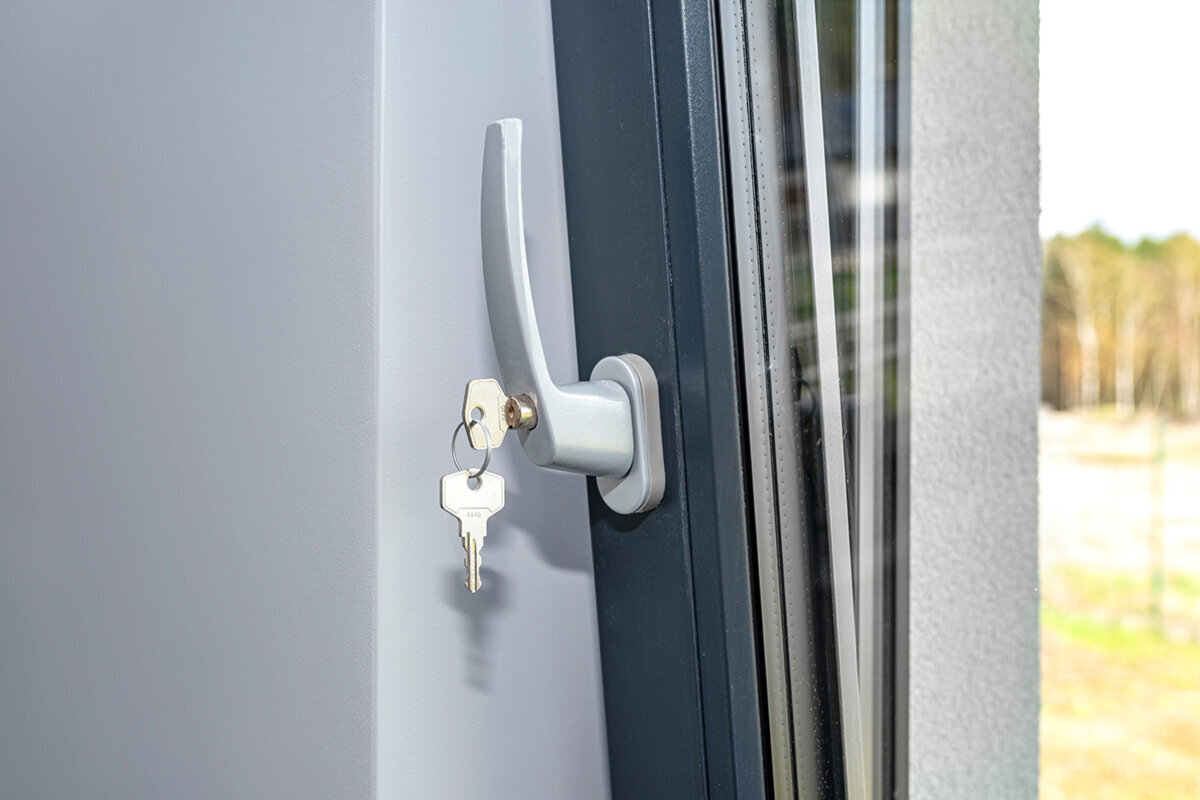
A locking window handle can make unwanted operation of the handle more difficult and support a clear operating routine. It is not, however, a replacement for a burglary-resistant overall construction. Its value depends on how it works with the hardware, sash and glazing and whether it belongs to the tested version. Check everyday usability too: how many keys are needed, who has access, and does a key remain inserted or get stored separately? In homes with several users, a very strict key routine can make ventilation inconvenient or leave windows unintentionally unlocked. Before ordering, ask whether several handles are available keyed alike or with different keys, and treat both as operating options rather than evidence for a particular resistance class.
The handle must also suit the opening ergonomically. For hard-to-reach windows, rooflights or windows behind furniture, ease of operation matters as much as the locking mechanism. An top-hung outward-opening window raises different questions from a full-height tilt-and-turn element: how is it opened, where is the handle, and how is closure checked after ventilation? Discuss the operating sequence on the plan and, where appropriate, using a sample. Ask the supplier expressly whether the selected handle is part of the documented security specification. If it is replaced later, establish whether this could affect the link to the evidence. Also decide whether cleaning, child safety or restricted hand movement creates particular operating requirements that must be assessed separately from burglary resistance.
Do not choose glass separately from frame and beads
Glazing affects security assessment, but terms such as security glass or laminated safety glass do not replace a description of the whole window construction. What matters is the offered glass build-up, the side on which it is installed, how it is retained in sash or frame, and whether this exact combination is covered by the evidence. Request an unambiguous glazing designation in the order and identify the variant intended for each window position. Do not make assumptions from a sample: a larger, divided or differently opening version may need a different glass allocation. If another glass construction is proposed during order clarification, the supplier should confirm its compatibility with the agreed security specification again in writing rather than simply describing it as technically equivalent.
Fixed glazing makes this distinction especially clear. A fixed-glazed window has no handle or moving hardware, yet the glass, frame, glass retention and connection to the building opening remain relevant parts of the overall solution. For combinations of a fixed pane and opening sash, check both areas separately. A high-quality-looking glass panel beside an opening sash does not automatically prove the security of the complete element. Privacy, solar control, sound insulation and thermal insulation may also bring additional requirements. Consider these aims together, so a glass decision is not made from only one perspective and later changes do not quietly alter the security configuration. Record decorative wishes such as glazing bars or divisions by position, since an appearance-only drawing does not show whether a bar divides the glass or is formed differently.
Buyer checklist 4
Specify large openings and sliding doors separately
Wide openings need their own review of operation and evidence limits. Sliding, lift-and-slide and folding elements work differently from conventional casement windows; their locking, moving sashes and connection details must not be transferred as a general assumption. For every large opening, ask for the specific security arrangement for width, height, sash arrangement and opening type. Also consider the normal everyday position. A door left ajar, a permanently accessible garden area or items stored outside can alter the practical risk situation without changing the element itself. Record which sash is operated first, where the handle must be reachable and whether fixed side panels within the same opening have their own glass and evidence allocation.
For Patio Life lift-and-slide doors the product name describes a lift-and-slide door configuration, not its resistance class or glazing. Request information about the equipment actually offered rather than drawing conclusions from the name. Coordinate the threshold and transition to the floor build-up with installation planning too. This is important for usability and for implementing the intended fixings. Where several full-height openings are involved, a joint meeting between the window supplier, planning or installation specialist and, where relevant, site management is worthwhile. This prevents dimensions, connections, drainage design and security requirements from being set inconsistently in separate orders. Take the current floor build-up and proposed external levels to that meeting, so a later threshold change does not silently alter other connection assumptions.
Read test certificates and classification reports
Request documents that can clearly be traced to the offered component. A test certificate or classification report should show who tested or classified it, which system and version are covered, which class is stated and which limitations apply. Check dimensions, number of sashes, opening direction, glass, hardware and any extensions of scope. A document is not automatically unusable because your size is not stated word for word; in that case, however, it must be professionally explained why it is covered. A product brochure, symbol or general assertion is not an equivalent substitute. Check that every page, appendix and table is present and legible, because variants, size ranges and allocation conditions may be explained there.
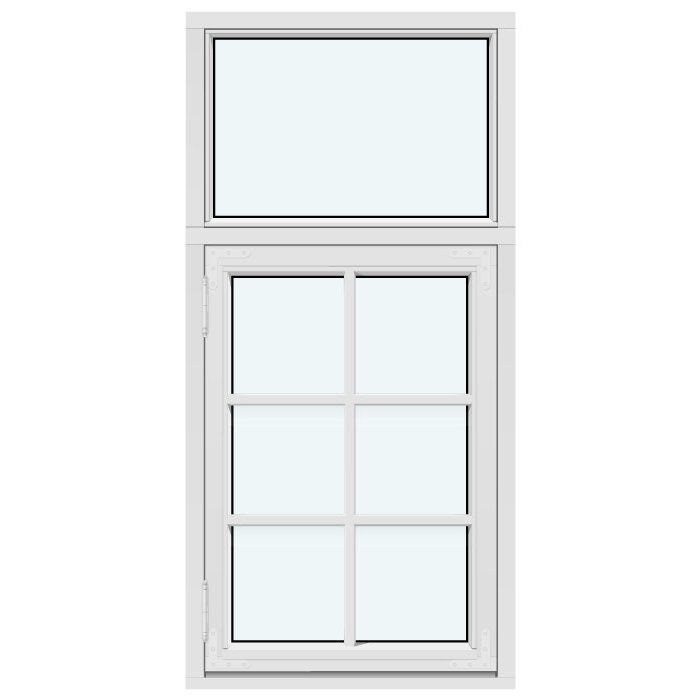
Ask for a clear allocation: document name, version, product position and ordered configuration. This makes review much easier for site management and the installation contractor. Also ask whether evidence is separately required for special sizes, combined elements or particular glazing-bar variants. Design details can change the construction. With an outward-opening heritage-style “Kombi” casement window the title reveals neither security class nor glass type, and visible glazing bars can be constructed in different ways. Use the terms glazing bar, glass-dividing glazing bar and no glazing bars precisely in the order. Particularly for a heritage appearance, the desired look should not be treated as silent approval of an unconfirmed security variant. Keep unresolved points in a separate question list with the responsible person and response date, so an oral explanation is not mistakenly treated as final evidence.
Buyer checklist 5
Plan installation and building connections from the start
Even the best-documented window version can achieve its intended function only with a suitable building connection. Frame fixing, substrate, fixing materials, spacing, load transfer and reveal construction must therefore be included in project coordination. Installation should not be decided only after the elements arrive. Give the installer the position list, dimensions, wall build-up, opening direction and security requirements early. Establish which system-provider requirements apply to fixing and how deviations will be documented. The responsible qualified specialist should assess technical connection details for the actual project. In existing buildings, the preliminary review should also identify whether the substrate, existing linings or concealed installation conditions can only be assessed fully after removal, and how deviations will then be decided.
A handover record for each sensitive opening is helpful: ordered version, delivered marking, glass and handle variant, visible damage, fixing as planned and final functional check. It is not intended to certify installation itself, but to identify mix-ups early. With single-sash outward-opening patio doors the opening area, external surface and later furniture should be considered together. An item placed in front of the element can alter use; a privacy screen fitted later can affect accessibility or operation. Keep quotations, order confirmation, evidence, installation documents and key schedule together. This project file is more useful during maintenance, alterations or a change of owner than a memory of individual equipment wishes. Add photographs of markings and the connection area before covering, provided this is agreed with the installer and the images can clearly be allocated to a position.
Safeguard ordering, handover and later changes
Before ordering, every relevant position should have a clear specification. This includes element type, size, opening direction, sash arrangement, required security version, handle, glass and reference to the agreed documents. Do not write only “burglary-resistant”; record the specific confirmed classification where it has been agreed. For alternatives, check whether they are merely visually comparable or genuinely offer the same documented version. Changes caused by availability, colour, glazing-bar design or size can affect more than appearance. Have replacement or variation offers checked against the security requirement again before agreeing to them. An approval list with columns for position, latest drawing, confirmed evidence, unresolved deviation and approval status helps prevent older drawing versions or unclear variants from being ordered accidentally.
At handover, first check identity and function: do the number of units, opening directions, labels, handles and glass details match the order? Can sashes close and lock without unusual friction? Record visible deviations in writing and clarify them before later finishing work makes access difficult. After handover, keep keys, operating instructions and maintenance information in a known place. Plan regular visual and functional checks, and seek professional help if operation becomes stiff or damage occurs. Bloomcabin states a 5-year manufacturer guarantee for windows and doors; delivery takes 4–6 weeks subject to order confirmation. These statements do not replace checking the security specification actually ordered. If handle, glass, hardware or connection is changed later, add the contractor, date, reason and technical documents to the project file rather than retaining only the invoice.
Frequently asked questions
Is a locking window handle enough for burglary protection?
No. A locking handle can be a useful part of an operating and security strategy, but it does not prove resistance of the complete window. Always check the combination of frame, hardware, locking, glazing, glass retention and installation. Ask whether the handle belongs to the documented version for the specific window position.
How can I tell whether a test report suits my window?
Compare the system, opening type, number of sashes, dimensions, hardware, handle and glazing with your quotation. Also check the stated class and any limitations or extensions. If your variant is not immediately identifiable, ask the supplier for a written allocation. A general brochure does not replace this review.
Is security glass required in every window?
That depends on the opening, the intended security strategy and other project requirements. Security glass should not be selected in isolation. Ask which glass construction is specified for each position, how it is retained in the element and whether it forms part of the evidenced complete version. Qualified professionals should assess the specific design.
Can I simply retrofit a standard window later?
A handle can sometimes be replaced, but this does not automatically create a documented burglary-resistant overall construction. Retrofitting may involve hardware, glass, frame or fixings. Before taking action, have the technically sensible change, achievable performance and continued relevance of existing documents assessed.
Which documents should I keep after installation?
Keep the quotation, order confirmation, position list, technical evidence, installation documents, operating and care instructions, and a key schedule together. Add an acceptance record with identified deviations and their resolution. This helps later maintenance, repairs or changes remain aligned with the original construction.
Next step
Window security becomes robust when it is considered as a documented overall configuration rather than a single accessory. Start with a map of accessible openings, define requirements by position and compare quotations using identical information. Resistance class, hardware, handle and glass are meaningful only when their interaction is evidenced for the specific element size and opening type. Involve installation planning early and document changes consistently. For your next enquiry, an opening list, plans or dimensions, preferred operating types and a question about which documents cover the offered security version are enough.
