
Wood-Fired or Electric Hot Tub: Which Suits Your Routine?
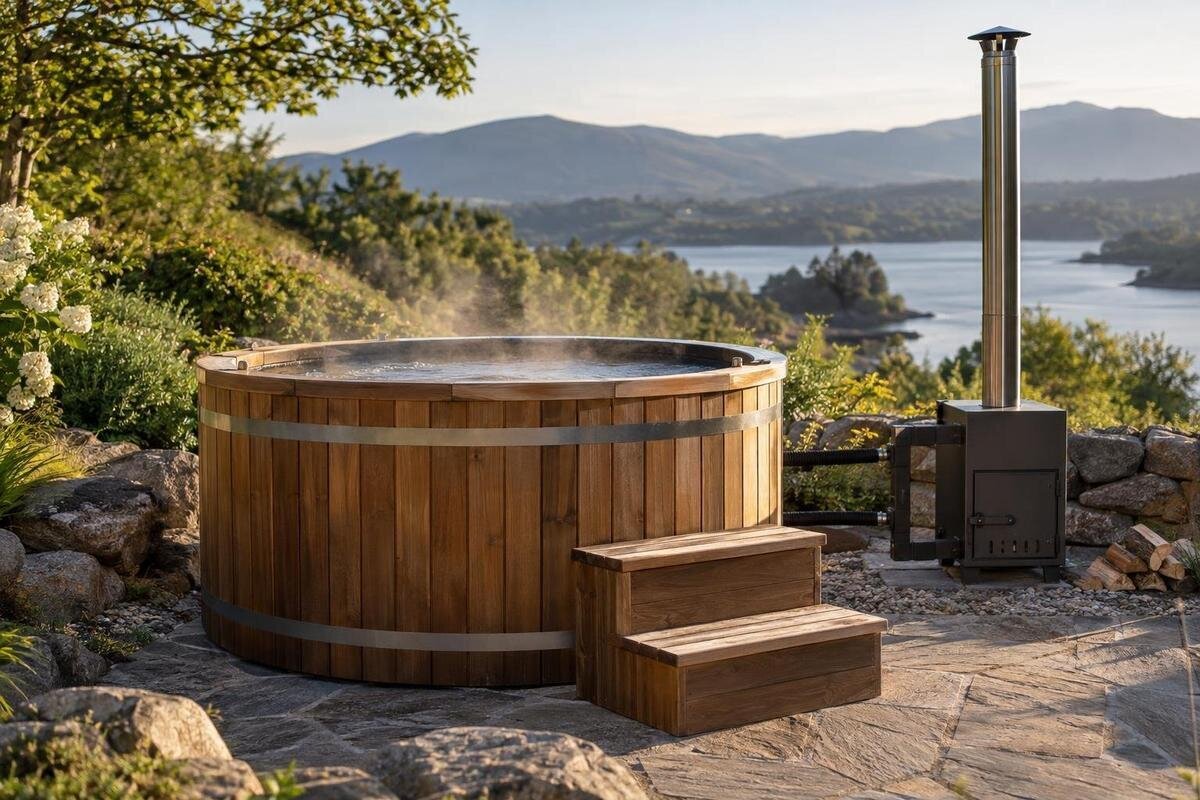
Hot tub heating
Choosing between wood-fired and electric heating is chiefly a choice about the work and timing around each soak. A wood-fired system involves fuel and a fire; an electric system removes those tasks, but its controls, operating requirements and degree of automation depend on the equipment. If you enjoy preparing a planned session, hands-on heating may fit comfortably into your routine. If you prefer less active preparation, an electric option could be a better match only if its documented controls support the way you want to use the tub. The supplied information identifies Cove 2, Haven 6, Fjord 8 and Aurora 10 by name, but does not verify their heater options. Treat each configuration as a question to confirm, not as a feature implied by its name.
01
How often and when will you use the hot tub?
Begin with a realistic week, not an idealised one. Note how many sessions you expect, which days are likely, and whether you normally decide in advance or only when time opens up. A hot tub used at planned intervals gives you room to organise preparation; one you hope to use on a whim makes controls and readiness more important. Frequency alone does not select a heater, because it says little about how much involvement you enjoy or which controls are supplied. It does, however, show whether preparing each session would feel like part of the occasion or an obstacle. Put your likely routine on paper before comparing product descriptions.
Then compare that sketch with the time you actually have. If your evenings are tight, consider whether you can set aside time for the heating routine, not just the soak. Distinguish a fixed weekly session from an evening that might become free at short notice: both could mean using the tub once a week, but they place different demands on preparation. When considering Bloomcabin Hot Tub Cove 2, identify the heater offered and compare its operating requirements with both situations. Also consider how often you would abandon a session if preparation took more involvement than you wanted that day. This helps separate a routine you genuinely welcome from one you might tolerate only occasionally. Frequency matters, but so does your willingness to commit time before you get into the water.
Planned sessions and spontaneous use
Planned use gives you an opportunity to prepare, but the preparation differs by heating type. With wood-fired heating, a session involves having the fuel specified for that unit ready and taking part in operating the fire; the exact requirements belong to the model’s instructions. This can suit someone who enjoys a clear ritual and is happy to make the tub a scheduled activity. It may be less appealing if the extra steps compete with limited leisure time. Think about ordinary weekdays as well as relaxed weekends: the routine you can sustain is more useful than an occasional ideal evening.
Electric heating may reduce preparation for short-notice use, but only if that system’s controls and permitted operating schedule make it possible. The word electric does not prove that a tub heats on demand, has a timer or can remain at a chosen temperature between sessions. When reviewing the Haven 6 listing, distinguish deciding to use the tub at short notice from expecting the water to be ready immediately. Ask what preparation would still be needed at the point when you make that decision. Consider cancelled plans too: would you be comfortable making preparations for a session that might not happen? A useful comparison includes both the evenings when everything goes to plan and those when work, visitors or other commitments change your available time.
02
What wood-fired heating involves
Wood-fired heating includes an active fire-related routine: preparing the fuel specified for the unit, lighting and attending the fire as directed, and completing any after-use tasks in the manual. This is not a universal operating checklist, because heater designs and included equipment differ. Before choosing, check what the instructions say about fuel, operation, supervision and upkeep, and decide whether those tasks suit your household. Do not build your plans around a guessed heating time. If the manufacturer provides an estimate for the exact configuration, use that rather than a general claim about wood-fired hot tubs.
Consider the appeal as well as the effort. Some owners may enjoy tending a fire as part of an outdoor evening; others want the soak to be the main activity, without a separate heating task. Neither preference makes one option better for everyone. If you are considering Bloomcabin Hot Tub Fjord 8, ask which heater is offered before deciding whether this kind of involvement would be part of ownership. Picture an ordinary evening rather than a special occasion: would you still welcome the preparation after a busy day? It also helps to distinguish enjoying a fire occasionally from wanting responsibility for one whenever you use the tub. Choose on the basis of the routine you want to repeat, rather than the atmosphere you imagine for a first session.
What electric heating involves
An electric heating system avoids handling firewood and managing a fire. Its convenience still depends on the controls and operating conditions specified for that particular system. A control at the tub, a timer, temperature selection, remote access and automatic scheduling are separate features; none should be assumed just because a listing says electric. Ask which functions are included and what the instructions allow. Also confirm the electrical requirements for the chosen configuration with the supplier and a suitably qualified professional. The right arrangement depends on the equipment and property, so general advice cannot determine what is suitable for an individual site.
Think about the amount of attention you are comfortable giving the system. If you are happy to select settings and follow the operating instructions, electric heating may remove a task you do not want, provided its controls suit your schedule. If you expect a completely hands-off appliance, confirm that expectation rather than relying on a broad label. For the Aurora 10 product page, ask whether electric heating is offered and, if so, which actions remain yours to perform before and after a session. Describe what convenience means to you: making fewer preparations, adjusting settings easily or arranging use around a regular evening. These are different priorities. A system can match one without necessarily matching the others, so compare the functions you would actually use rather than treating automation as a single feature.
03
Compare preparation and hands-on involvement
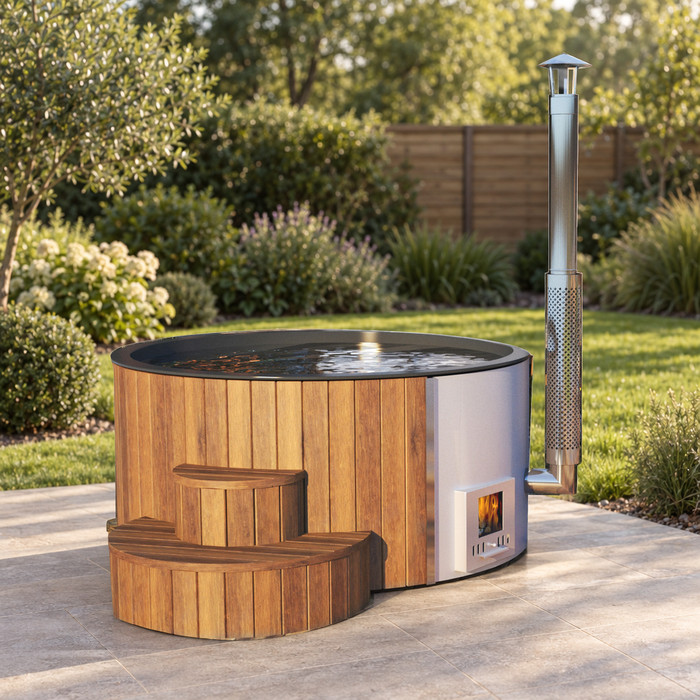
Compare the effort from the moment you decide to use the tub until the heater is ready for its next use. A wood-fired setup can involve arranging and handling fuel, operating the fire and dealing with any residue or cleaning specified in the manual. An electric setup avoids those fire-related tasks, but may still require attention to settings, operating instructions or servicing. Use the Cove 2 product page to identify the configuration you are considering, then divide its documented tasks into preparation, operation and after-use work. This makes it easier to see where the effort falls. You might be happy to prepare earlier in the day but unwilling to take on further tasks after an evening soak. Compare that distribution of effort, not just the number of actions on a list.
Separate heater work from general tub care. Choosing a heating type does not, by itself, remove the need to follow the manufacturer’s instructions for water care, cleaning or safe use; those instructions may be specific to the equipment. Write down the recurring heater tasks, how often the manual says they arise and who at home will take responsibility. A small task can become frustrating if nobody has time for it, while a job you enjoy may not feel like extra work. The useful comparison is not maintenance-free versus high-maintenance, but a realistic account of the duties you accept.
Controls, timing and keeping the water ready
Controls matter most when you prefer to use the tub at a particular time. Ask whether the system provides the functions you want, such as straightforward setting adjustments, a timer, temperature control or remote access, and whether its manual supports the schedule you have in mind. These are questions to verify, not features to assume. If you plan to keep water at a set temperature between visits, find out what the manufacturer permits and what ongoing operation involves. Do not infer a standby function or an automatic schedule from a display or a general electric label. Apply the same care to any automatic feature associated with a wood-fired system.
When comparing the Bloomcabin hot tub Haven 6, turn each desired control into a practical question about your schedule. If you usually finish work at a predictable time, ask whether the available controls support preparation around that routine. If your plans vary, ask what you would need to adjust when a session moves to another day. Establish which actions require someone to be at the tub and which, if any, can be arranged in advance using the supplied controls. These questions do not presume that a timer, remote access or another function is included. They help you judge the value of whatever is actually offered. A simple control arrangement may be enough for a consistent routine; a longer feature list is not automatically more useful if you would rarely use those functions.
04
Recurring tasks and maintenance
The recurring work can extend beyond heating the water. Depending on the design, the manufacturer may specify tasks involving fuel, firebox components, ash or a flue for a wood-fired unit; only the tasks that apply to the exact heater should guide your decision. Do not use a maintenance list for a different stove as your own schedule. Electric equipment also has its own care and service instructions, and work on electrical components should be handled by people qualified for that task. Ask how often routine checks or servicing are expected and who can explain them. No product-specific maintenance schedule is verified here for the named models.
Frequency changes how important these duties feel. For regular use, consider whether the recurring work fits into an ordinary week without continually being postponed. For occasional use, ask what the instructions require before returning to the tub and how the heater should be left during a gap between sessions. For the Fjord 8 model page, seek the maintenance guidance for the heater actually offered, rather than borrowing a schedule from another model. Distinguish work associated with each session from tasks due at specified intervals: they place different demands on your calendar. Also establish which duties the owner is expected to carry out and which require servicing. Knowing that distinction helps you compare your own involvement without mistaking occasional professional work for a daily chore, or overlooking repeated small tasks.
Check the heating options for each model
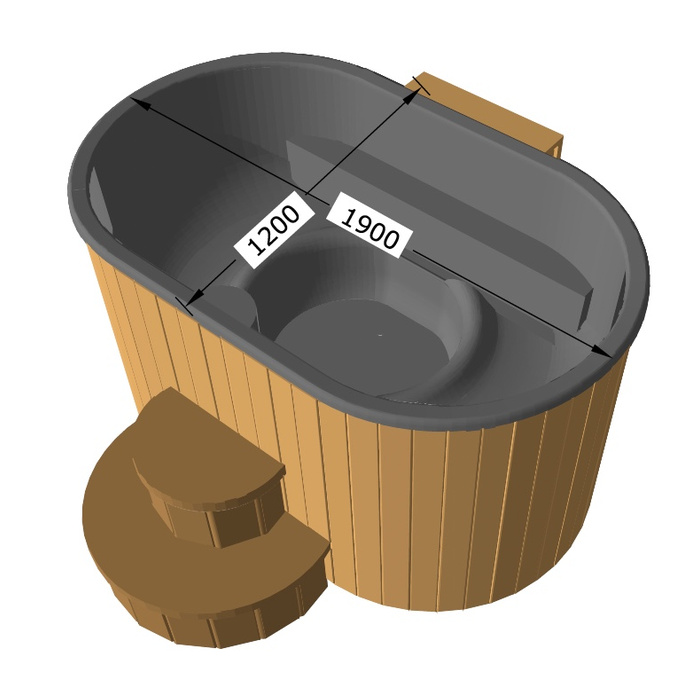
Confirm the model and heater option together before comparing products. The supplied records identify Cove 2, Haven 6, Fjord 8 and Aurora 10, but provide no verified information about their heating types, alternative configurations, operating requirements, controls or maintenance details. The Bloomcabin hot tub Aurora 10 listing can help you identify the model, but the evidence available here does not establish what heater it includes. Do not infer a heating option from a URL, a number in a model name, a photograph or a nearby product. You need written information for the exact configuration being offered.
Ask the same questions for each model so the comparison is fair: Is wood-fired or electric heating supplied, or is a choice available? What equipment is included in that configuration? Which controls and operating requirements apply? What preparation, supervision, cleaning and servicing does its manual specify? Can you see the model-specific instructions before purchase? Mark unanswered details as unknown rather than filling gaps with information from another model. If a product page and a separate heater option are being considered together, confirm compatibility and included equipment instead of assuming they match.
05
How your household affects the choice
Make the comparison against your household, not a generic idea of the perfect owner. Decide who will prepare or operate the heater, who is comfortable managing its recurring tasks, and what happens when that person is away. Wood-fired heating may suit a household that wants a planned, shared activity and can consistently manage the fire-related routine. Electric heating may suit people who want to avoid fuel handling, but only if its actual controls and operating requirements fit. If several people will use the tub, make sure everyone can follow the relevant instructions; do not assume the most technically confident person will always be available.
Consider your intended setting without trying to assess technical requirements yourself. Fuel storage, access to controls and any electrical or fire-related provisions may affect whether an option works at your chosen location, but the details depend on the heater and property. Ask the supplier what documentation applies, and have a suitably qualified professional assess site-specific questions. This is not an installation guide; it is a way to identify the requirements to check before choosing. General assumptions about Malta’s climate or local rules cannot replace information confirmed for the particular equipment and site.
Choose the option that fits your routine
Use a conditional decision rather than looking for a universal winner. Put wood-fired heating first on your shortlist if planned sessions appeal to you, you have time to manage the specified fuel and fire-related tasks, and the manual supports a routine you can maintain. Put electric heating first if avoiding firewood matters more and its documented controls suit your preferred timing, while its electrical requirements can be met professionally. Neither description proves a faster or hands-free experience. Those details depend on the actual equipment, so do not assume them from the heating label alone.
If both options remain appealing, identify the compromise you would find easier to live with. Would you rather reserve time for hands-on preparation, or choose around the functions and operating limits of a particular electric system? If preparation is part of the pleasure, avoiding it need not be your main priority. If you mainly want to get into the water with less active involvement, the atmosphere of a fire may not outweigh the work for you. Keep these preferences separate from unanswered product details: first decide what kind of routine you want, then establish whether the configuration offered can provide it. A clear preference is useful, but it should lead to a suitable heater rather than an assumption about a model name.
Frequently asked questions
Do wood-fired hot tubs need advance planning?
Usually, you need to allow for preparing and managing the fire as well as the session itself. The exact tasks and time required depend on the heater, so use its manual rather than a general heat-up estimate.
Does an electric hot tub mean I can use it at short notice?
Not necessarily. Controls, timers and any permitted ready-to-use settings vary by system. Check the instructions for the exact configuration instead of assuming that electric heating provides on-demand use.
Which of these four models has wood-fired heating?
The information available here identifies Cove 2, Haven 6, Fjord 8 and Aurora 10, but does not verify their heating options. Check the current specification for the exact model and configuration before choosing.
Does the heater determine all the hot tub’s maintenance?
No. A heater may have its own operating and upkeep tasks, while the tub has separate care instructions. Follow the manuals for the specific equipment rather than assuming one heating type removes other regular tasks.
Can I change the heating type after buying?
Do not assume that a different heater can be fitted later. Ask the supplier whether the intended option is compatible with the exact model and what requirements apply before you commit.
Choose wood-fired heating if preparing and tending the fire would be an enjoyable part of a planned session. Choose electric if you would rather avoid those tasks and its confirmed controls fit your preferred timing. The better choice is the one whose everyday routine you are happy to repeat.
