
Buying a Pergola for a Coastal Property in New Zealand
Pergola buying guide
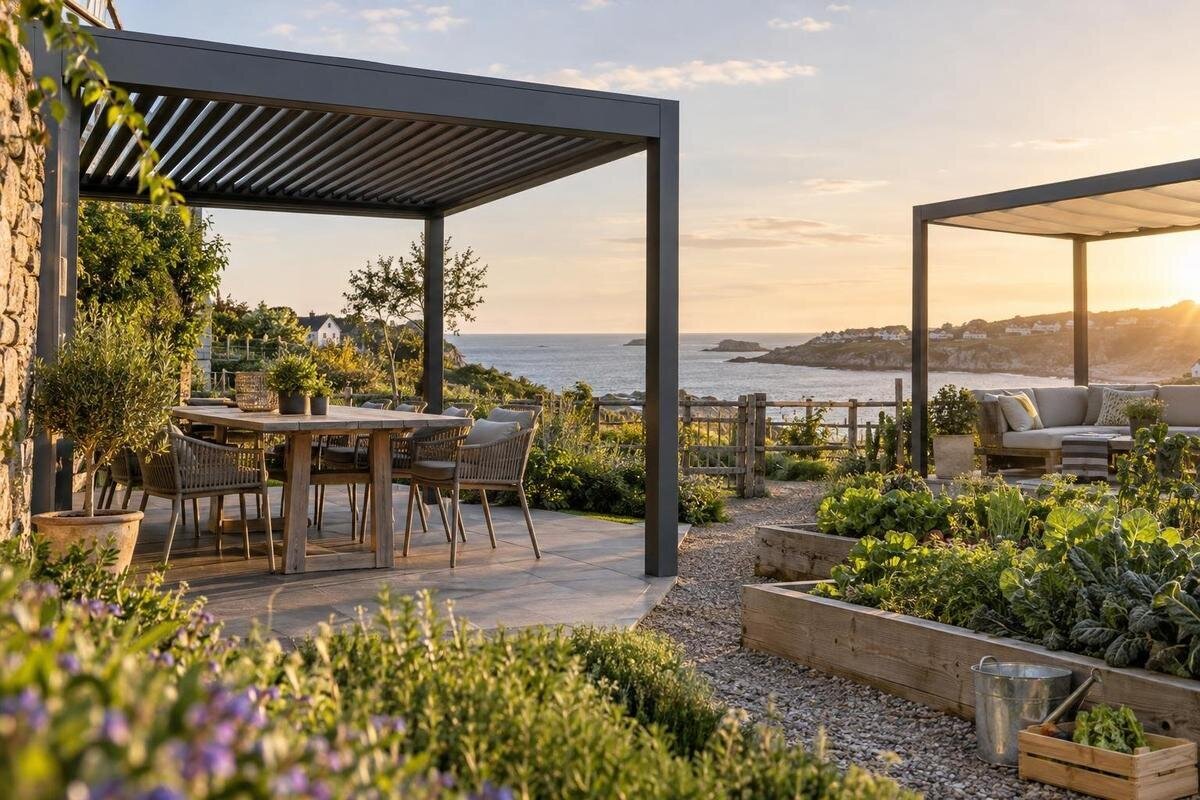
If you plan to buy a pergola for a coastal property in New Zealand, look beyond how the frame matches the house. Salt carried in sea spray, wind exposure, the roof style and the way the structure will be fixed all shape the questions to ask before ordering. Compare documented materials and finishes, care requirements and fixing options, then check that the chosen layout suits the area you actually use. A sheltered courtyard and an exposed, sea-facing site are not interchangeable, even within one neighbourhood. This guide focuses on practical buying checks: what to compare in a listing, what to ask the supplier and installer, and which details need to be confirmed for your property.
Assess salt and wind exposure at the actual site
Coastal conditions can change sharply from one property to the next. A pergola in a sheltered courtyard behind a house may face less salt spray and wind than one on an open section of the same site, while sea-facing slopes, gaps between buildings and exposed edges can carry salt-laden air further inland. Distance from the water is therefore only one clue, not a reliable stand-alone buying rule. Note whether the proposed position receives direct spray, how open it is to prevailing weather, and whether nearby structures actually shield it at pergola height. The closer you can describe the proposed position, the more useful the supplier’s advice about materials and fixings will be.
Look at the place where the frame and its connections will sit, rather than judging exposure from the front door or garden boundary. Salt can settle on surfaces and in joints; wind can drive damp air and rain into areas that seem sheltered at ground level. Note the site orientation, nearby obstructions and the surface available for each post or wall connection. If possible, observe the position after onshore weather as well as on a calm, dry day; a single visit may not show where salt settles. Ask the supplier what coastal exposure information the product documentation covers and whether any location or maintenance exclusions apply. Where the site is very exposed, have a qualified building professional assess the proposed position before you commit.
Compare pergola materials for coastal conditions
Compare materials by their care requirements and the product information available, rather than ranking timber, aluminium and steel as if one were automatically best. Timber can be appealing beside an existing home, but ask what species and treatment are specified, how cut ends and connections are protected, and what finish upkeep is expected. For aluminium, find out the stated alloy and coating system and whether the manufacturer identifies a coastal exposure limit. For steel, ask what corrosion-protection system applies and how edges, drilled areas and scratches are dealt with. The product material alone cannot tell you how it will behave in salt and moisture; details of finish, fabrication and maintenance matter too.
Request the product specification and care instructions before comparing appearance or advertised category labels. Check whether the frame, brackets, fixings and roof components are all identified, and whether the supplier gives guidance on where the complete structure may be installed. If a material is not stated clearly, ask rather than infer it from a photograph. For a practical reference point, compare the Bloomcabin pergola listing with other options only on information actually published: material, finish, parts supplied and recommended care. Its name does not establish those details or prove suitability for a coastal address. A clear written answer lets you compare purchase price, installation needs and future maintenance on a like-for-like basis.
Check the protection on fixings and connections
When assessing corrosion risk, do not focus only on the broad frame surface. Fasteners, brackets, hinges, joins, cut edges and concealed contact points may use different materials or finishes from the main frame. Where moisture and salt remain around a connection, a protective coating can be compromised; contact between dissimilar metals can also create a corrosion risk in some conditions. You do not need to diagnose these interactions yourself. Ask which materials are used at exposed connections, how their compatibility is addressed, and what to do if a finish is scratched or damaged. Ask the supplier to direct you to product-specific specifications and care instructions.
Treat broad wording such as corrosion-resistant or suitable for outdoors as a prompt for questions, not a complete coastal specification. Ask whether the protection includes the fixings and moving parts, if applicable, and whether routine washing or inspections are recommended; ask which cleaners or touch-up products are approved. Get any coastal exclusions or maintenance conditions in writing, including the difference between sheltered and exposed locations if the manufacturer makes one. When reviewing the bioclimatic pergola listing, identify the exact model and look for its documented components rather than assuming a roof-style label describes its finishes. A coating name alone is not enough if the fasteners and maintenance regime remain unclear.
Choose a roof style for shade and weather cover
Choose the roof around the way you will use the space, and be precise about what weather protection you expect. An open roof or one with fixed slats may provide shade, but should not be assumed to provide a watertight shelter. A more continuous cover can block more light and rain but brings different questions about runoff, cleaning and wind exposure. Note where water from its edges would fall relative to seating and doorways. If shade over windows matters, consider light inside adjacent rooms as well as on the seating area. The term pergola covers varied arrangements, so compare diagrams and written descriptions rather than relying on a product name.
If you are considering a pergola described as bioclimatic, ask what that means for the exact model: whether roof elements move, how they are operated, how drainage is handled, and which positions are permitted in wind or rain. The label alone is not a product specification. Do not assume a slatted roof is waterproof or that closing it removes the need to consider wind forces. The Bloomcabin’s bioclimatic pergola page is one listing to examine for its stated configuration; make your decision from the product details and manufacturer’s instructions, not the category term. If it includes moving parts, ask how they can be cleaned and serviced. A roof that suits your shade preference may not be the easiest to maintain in a salty setting.

Match wind guidance to the pergola configuration
Wind matters alongside salt because coastal exposure can load a structure from different directions and carry salt onto its frame. A roof, screen or side element changes the way wind interacts with a pergola, so suitability depends on the exact configuration, footprint, roof position and fixing method. A sheltered deck at one end of a property may still experience strong gusts around a corner or over a rise. Avoid choosing from a general impression that the area is usually calm. Ask the supplier for documented design conditions for the configuration offered and have an appropriately qualified professional assess whether those conditions match your site. If you plan to add a screen later, ask whether the wind guidance covers that changed setup.
Neither a freestanding frame nor a wall connection is automatically the safer coastal choice. A wall may provide some shelter but can also sit in a wind-exposed position, and the house connection has to suit the building. A nearby hedge or fence is not proof of protection either. If comparing the wall-mounted pergola listing with a freestanding option, check where each is intended to be installed and what site-specific fixing information is available. Ask the installer to consider wind direction, open sides and the roof’s operating positions rather than relying on a product photo. Do not alter the structure or add weight based on guesswork; obtain model-specific advice before ordering or installation.
Check what the pergola will be fixed to
Choose the fixing approach only after identifying what lies beneath the proposed posts. Paving, pavers and deck boards are surface finishes; by themselves, they do not show whether a suitable structural support or footing is present. An existing deck may have been built for a different purpose, and its visible condition does not establish that it can take a pergola’s forces. Ask who will confirm the substrate, footing or deck structure and who supplies compatible fixings. Where the ground falls or water runs across the proposed footprint, include that in the site discussion rather than assuming a level, dry base. The quote should state what preparation is included and what must be arranged separately. Leave design and installation details for a new footing or connection to a qualified professional familiar with the product and site.
For a wall-mounted design, ask what building structure it must connect to and whether the proposed fixing passes through cladding or other exterior layers. The connection and any penetrations can affect the wall and weatherproofing, so the assessment should come from a competent installer or building professional who can see the construction—not a guess based on the house exterior. Check whether the seller’s package includes wall brackets and fixings, or whether they are selected for the specific substrate. With the Bloomcabin wall-mounted pergola page, verify which mounting details are published and request clarification for your home before ordering. A product identified as wall-mounted is not evidence that every wall type or coastal site is suitable.
Plan for coastal cleaning and upkeep
Plan for maintenance as part of the purchase, because salt and moisture can collect on surfaces and in joints even when the structure looks clean from indoors. Ask the manufacturer how often to wash or inspect the frame, roof components and connections, what products to use, and how to treat coating damage. The correct routine depends on the material and finish, so avoid relying on a generic cleaning tip. Include safe access to the highest points in your practical assessment, especially if leaves or debris can build up. If upkeep will be hard to reach or coordinate, a simpler finish or roof arrangement may be more manageable, provided its documented coastal suitability meets the site’s needs.
Compare long-term effort as well as the initial quote: cleaning, repainting or touch-up work where specified, inspections, and replacement of wear parts can affect the time and cost of ownership. Ask whether the manufacturer specifies maintenance intervals or supplies parts for any adjustable elements, and how a finish responds to normal scratches. When considering the bioclimatic model page, look for product-specific care guidance for its stated roof and connections; do not assume the label promises low maintenance. Request any warranty terms and coastal exclusions in writing, without treating a warranty as a substitute for maintenance. A realistic plan is one you can follow with the access, time and professional support available at your property.
Measure the footprint and plan everyday use
Measure the whole area the pergola will occupy, including post positions and the path people use around it. Check doors, windows, gates, drains, outdoor lights, eaves and nearby planting; an installation should not obstruct an opening or leave a roof edge dripping where you need to walk. If it sits beside a deck, note changes in level and the space required for chairs to move. Mark the proposed footprint on the ground and test routes from the house to the dining or seating area before selecting a size. Keep dimensions from the listing and your measurements distinct: confirm the product’s external dimensions, clear space beneath it and any roof overhang before placing an order.
Decide when you most want shade and how much rain cover is useful, then compare roof design and orientation against those needs. Sun and shade shift through the day and year, so a quick check at the time you use the area is more informative than a single midday impression. Think about how salt and wind arrive at the site as well: open sides leave the area exposed to sea spray, while adding screens can alter wind exposure. Check whether the manufacturer’s layout drawings show post locations, roof overhang and water run-off. Use the Bloomcabin pergola product page only for dimensions and details that it actually states, and confirm any missing measures before planning paving or furniture.

Confirm the supply and delivery scope
Before you submit an order, request a written breakdown of exactly what you are buying: frame, roof parts, connections, fixings, delivery, site preparation and installation, if offered. A photo or product title may not show whether mounting hardware, footings, guttering, screens or assembly are included. Ask the supplier to list required extras and identify who is responsible for selecting them. Compare quotations using the same pergola configuration, finish, fixing plan and work scope; otherwise a lower headline price may omit costs that another quote includes. For the Bloomcabin pergola product listing, check package contents and specifications on the page, then ask for any unclear item to be confirmed in writing before checkout.
Also confirm delivery practicalities for your property. Coastal homes can have narrow access, steps, slopes or limited space for unloading, but conditions vary; give the supplier accurate details of the route, gate widths and intended storage area and ask what delivery method the quote assumes. Ask where the load will be left and who moves it to the installation area. Confirm the delivery address, timing, assembly responsibilities and what happens if the site is not ready, without assuming freight or installation is included. If you use a contractor, align the product dimensions, fixing details and site preparation with them before the order is final. Ask for confirmation of model, colour, component list and delivery arrangements on the order summary so there is less scope for mismatch.
Compare the details before you choose
Use a short comparison sheet with five headings: exposure, frame and component materials, roof behaviour, fixing information and maintenance. Note each supplier’s documented answer, any answer still outstanding and who will assess the site connection. This avoids treating similar photographs or broad terms such as coastal grade as equivalent. A pergola can be attractive yet still need a different base, more upkeep or a different roof than your property allows. If an important specification is unavailable, pause the comparison until the supplier or installer clarifies it; missing information is not a reason to assume the most favourable interpretation.
Then compare the full ownership picture: total quoted supply and installation scope, any separately arranged professional work, delivery and site-preparation requirements, and the maintenance you are prepared to undertake. Check each option against how you actually use the outdoor area rather than buying a feature you do not need. For an exposed position, a qualified professional’s advice about site suitability should come before a style preference; for a sheltered one, the supplier’s published coastal-care requirements still matter. Choose the option with clear model-specific information and a credible maintenance plan, not simply the one with the strongest coastal wording or most persuasive lifestyle image.
Frequently asked questions
Is one pergola material best for a coastal property?
No material is automatically best. Compare the specified alloy, timber treatment or steel protection, along with coatings, fasteners and maintenance requirements. Ask the manufacturer for coastal exposure guidance for the exact model; a material name or finish description by itself does not establish how it will suit your site.
How far from the sea can I install a pergola?
There is no single distance that suits every property. Direct spray, prevailing wind, land shape and nearby shelter all affect exposure. Use the proposed installation spot, rather than a general distance rule, when asking the supplier about coastal guidance. For a particularly exposed position, seek a professional site assessment.
Is a wall-mounted pergola better in coastal wind?
Not necessarily. The house may shelter one location but leave another exposed, and the connection must suit the building structure. Compare the manufacturer’s site and fixing information for the exact option, then ask an installer to assess the wall, wind exposure and planned roof configuration before choosing.
Does a bioclimatic pergola keep out rain?
The name does not confirm that a particular model is waterproof or suited to every wind condition. Check its roof operation, drainage, care instructions and manufacturer’s limits for the exact configuration. If rain cover is important, ask where water is directed and what performance the product documentation actually states.
What should I confirm before ordering?
Get the exact model, dimensions, materials and finishes, component list, roof configuration, fixing plan, coastal guidance, maintenance instructions and inclusions in writing. Confirm who is assessing the site and arranging preparation, delivery and installation. Clear answers help you compare complete quotes rather than product names or images.
For a coastal home, the right pergola is the one whose documented frame and fittings match the actual exposure, whose roof suits the way you use the outdoor area, and whose fixing method has been checked for the site. Weigh the work involved in looking after it alongside appearance and quoted cost. If a detail about coastal use, wind conditions or the supporting structure is unclear, resolve it before ordering. That way, your decision rests on what the specified pergola can do at your property, not on a broad material label or an attractive coastal setting.
