
Buying a Pergola for Strong Summer Sun in New Zealand
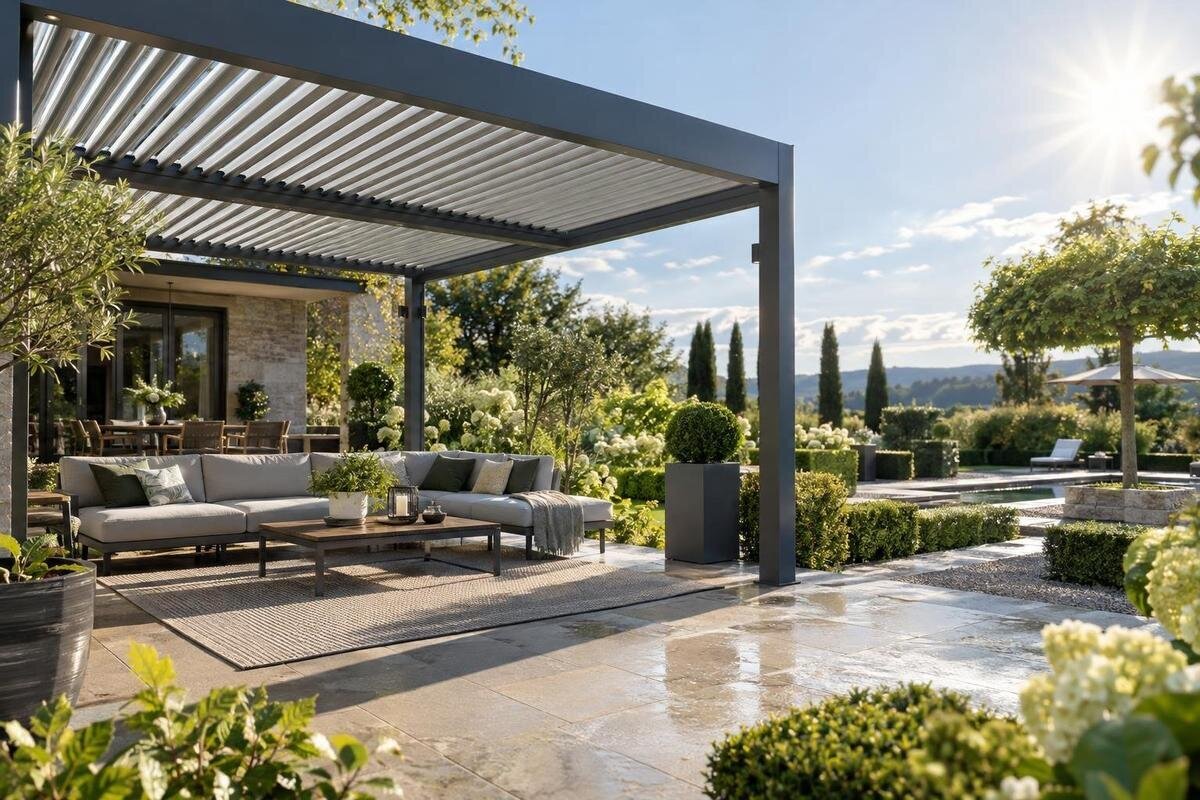
Pergola buying guide
Buying a pergola for strong summer sun in New Zealand is easier when you decide what the structure needs to do before comparing product photos. Start with the part of your outdoor area you want shaded and the hours you use it. Then consider whether a fixed or adjustable roof suits that pattern, whether the structure can fit the site, and what care or installation it may require. A pergola’s shadow changes with roof design and the sun’s position, so an image cannot show how shade will fall at your place. Use your routine and measurements as the brief, then compare each listing against it. The aim is not to buy the largest roof by default, but to choose coverage that fits your real space and priorities.
Before you buy 1
Decide what needs shade
Begin with the activity the pergola should cover, rather than the structure itself. A dining table, a seating area and a route between a door and the garden each need a different usable footprint. Put your usual furniture on a simple sketch, allowing room for chairs to move back, people to pass and doors to open. If the space has more than one use, mark each one separately. Decide which is the priority: sizing a roof for every possible activity can take up more of the outdoor area than you want. Note what must stay accessible, including paths, planting or stored items.
Decide when the shade matters most, too. A place used at lunchtime and one used late in the afternoon face different sun angles, so note the months and hours you have in mind rather than relying on a broad phrase such as ‘summer shade’. Separate essentials, such as covering the dining area, from preferences, such as keeping a view open or leaving part of the roof uncovered. Use the Bloomcabin pergola listing as one reference point for practising this comparison: check details actually stated on the page against your written brief, rather than treating the product name or photograph as evidence of a particular shadow.
Watch how the summer sun reaches the site
Check the proposed location at the hours you expect to use it during summer. A morning check will not tell you where afternoon sun falls, and a single visit gives only a snapshot. Make brief notes at a few different times, especially when the area is normally occupied, and record which parts are in direct sun or shade. Note what creates existing shade, such as a neighbouring building, fence, tree or house eaves, because it can affect how much new coverage you need. If possible, repeat the check on another clear day rather than basing your decision on one unusual afternoon.
Mark the light and shade on a rough plan of the deck, patio or lawn, then sketch possible pergola positions. Include low-angle light from the sides: even a roof over the area may leave a favoured chair exposed when the sun is lower. Compare several positions against what you observed instead of assuming the nearest wall is the best location. Existing planting and adjoining structures can cast different shadows as the sun moves, so include them in your notes. This simple record turns ‘more shade’ into a requirement tied to a particular place and time, which is much more useful when comparing product descriptions.
Before you buy 2
Match the roof style to the shade pattern
Pergola roofs differ in how much sky they leave open. An open-beam or widely spaced slatted roof has gaps, so the pattern of shade changes with the sun’s angle; it will not act like an opaque ceiling. Where a pergola is offered with closer roof coverage, it may give more continuous overhead shade, but light can still come in from the sides. Treat these as general differences, not promises about a named model. Read the actual roof description and diagrams for each option, then decide whether you value an open feel, more overhead coverage or a balance between the two.
An adjustable-louvre design may let you vary the roof opening, but the extent and method of adjustment depend on the model. Check whether the listing explains how it operates, what positions are available and what care it requires. If you are considering a model described as bioclimatic, inspect the Bloomcabin bioclimatic pergola page for the details actually stated; do not assume the label alone confirms a particular adjustment range or level of shade. Consider whether you want to change the roof during the day and whether that extra choice is worth prioritising over a simpler fixed arrangement.
Choose an attached or freestanding layout
A wall-mounted layout places the pergola beside the house, while a freestanding arrangement can be considered for a different part of the outdoor area. Think about where people enter and leave, whether the shaded zone should sit close to an indoor doorway, and how the structure would relate to paths and existing features. Neither arrangement is automatically the better choice; the available space and the product’s stated mounting requirements matter. If an attached layout is on your shortlist, the wall-mounted pergola listing is a reference to compare with the information supplied for your own site.
For a wall-mounted option, do not assume that a convenient wall is suitable for attachment. The seller’s requirements need to match the actual wall, clearances and layout, and a qualified installer or building professional can assess uncertain fixing conditions. A freestanding option also needs its own appropriate support arrangement, so check the product instructions and the proposed site rather than relying on a lifestyle image. Before choosing a position, consider windows, doors, eaves and access around the structure. Resolving these questions early can prevent a shade plan from leading to an order that does not suit the space.

Before you buy 3
Measure the footprint and everyday clearances
Measure the area available for the structure as well as the area you hope to shade. Mark the proposed outline on a plan or on the ground, and note nearby fences, walls, doors, windows, eaves and routes that need to remain clear. Allow for the space furniture occupies when in use, not just when pushed together. Check how the proposed position would affect access to garden areas or outdoor storage. These measurements help you rule out options that are too large or awkwardly placed before you spend time comparing finishes and roof styles.
Read the dimensions on each product page carefully and check what they refer to. Overall width, depth and height may not describe the same thing as the clear area beneath a structure or the area its roof shadows. If a drawing or listing does not make a measurement clear, ask before relying on it. On the Bloomcabin pergola product page, for example, use the stated measurements as information to confirm, not as a guarantee of the usable shaded footprint at your site. The shadow will also shift with the sun and roof design, so keep the intended use in mind when comparing sizes.
Compare material and care requirements
Material affects appearance and the care a pergola may need, but broad labels do not tell the whole story. Timber can be supplied in different species and finishes, while metal options may have different coatings or treatments. Ask what materials and finishes are actually specified for the model you are considering. Check the recommended cleaning, inspection and maintenance routine, and whether any finish may need attention over time. Avoid assuming that a particular material is maintenance-free or that two products with similar names have the same upkeep requirements.
Because the structure will sit in a sunny outdoor area, ask how the supplied finish should be cared for and whether the manufacturer gives guidance for outdoor exposure. Compare the time and ongoing effort involved, not just the initial appearance in a photograph. Get the care information in writing if it is not clear on the product page. The bioclimatic pergola listing is one page you can examine for stated material and finish details; do not infer those details from the word ‘bioclimatic’. If information is missing, ask the seller rather than filling gaps with assumptions about the category.
Before you buy 4
Check what a roof will and will not shade
A roof’s coverage and the shade it creates are related, but they are not identical. Gaps between beams or slats let light through, and low-angle sun may reach underneath from the side. If the afternoon sun is the main concern, check whether the proposed position and roof arrangement address that direction as well as overhead light. Side screens or other accessories may be available for some designs, but do not assume they are included or compatible. Consider whether adding them would affect access, views or the open feel you want from the space.
Use product drawings to understand the frame and roof layout, and check whether any image shows the exact configuration you would order. Ask the seller to clarify what the roof description means if terms such as ‘shade’ or ‘coverage’ are not explained. On the named Bloomcabin pergola, check the available information for roof details and included items, rather than inferring them from a rendered scene. A clear answer about the actual configuration is more useful than a broad claim about shade, since the result at your home will also depend on position, surrounding structures and the time of day.
Confirm the site and installation requirements
Before ordering, check what kind of ground or mounting surface the pergola requires and whether that matches your site. Do not assume that paving, a deck or a wall is suitable just because it looks convenient in a photograph. Read the supplier’s installation information for the selected model, including any stated requirements for support, fixing and clearances. If the information is incomplete or you are unsure about the site, ask a qualified installer or building professional to assess it before you commit. This is particularly important when the proposed position is close to the house or another existing structure.
Also check how the product is supplied and who will assemble or install it. Confirm whether assembly is part of the order or something you need to arrange, and make sure the delivery route to the site is practical. If the project could be affected by property rules or local requirements, check with the relevant authority or a suitable professional before ordering. For an attached layout, compare the wall-mounted pergola product page with the supplier’s mounting information, then have the actual site assessed if anything remains uncertain. Avoid making installation decisions based only on general pictures or descriptions.
Before you buy 5
Compare the full order, not just the product image
Make a like-for-like comparison of the options on your shortlist. Record the exact model and configuration, stated dimensions, roof arrangement, material and finish, and any accessories shown as included or optional. Add the costs and arrangements that affect the complete purchase, such as delivery, assembly or installation where applicable. Do not assume that a price or product image includes every item you may need; check the written details for the specific configuration. Comparing the same information for each option makes it easier to see whether a lower initial price comes with different inclusions or extra work.
Before placing an order, clarify any missing details with the seller, including care instructions, what is supplied, delivery arrangements and the written terms that apply to the purchase. Keep the answers with your comparison so you can check that the final order matches what you chose. You can include the Bloomcabin bioclimatic model page as one item in that comparison, but record only details actually stated for it. If a product page leaves a question unanswered, treat it as an open point rather than assuming the answer. This is also the time to confirm that the selected roof and dimensions are the ones you intended.
Set priorities before placing an order
Bring the comparison back to your main shade requirement. A pergola that fits the site but leaves your priority seating area exposed may not meet the brief; equally, a roof with the coverage you want may be too large for the available space. Rank the factors that matter most, such as shade at particular hours, roof choice, fit, appearance and the care you are prepared to provide. Mark any unknowns separately from confirmed details. This makes trade-offs easier to see and helps prevent a striking product image from outweighing practical limits you have already identified.
Before committing, check that the written order identifies the exact model, chosen configuration, dimensions and any accessories you expect. Confirm who is responsible for delivery and installation, and whether the site requirements have been addressed. If you are ordering ahead of summer, check current delivery and installation arrangements directly rather than assuming they will fit your preferred timing. Once the details align with your site plan and priorities, you can make a considered choice instead of buying on appearance alone. The best match is the one that works for your outdoor area and the way you intend to use it.
Frequently asked questions
How can I estimate how much shade a pergola will provide?
Start by observing the proposed area at the times you use it, then compare those notes with the actual roof description and dimensions for each option. Roof gaps, sun angle and light entering from the sides all affect the shadow. Product images alone cannot show the result at your home.
Will a pergola give all-day shade in summer?
Not necessarily. The sun moves across the sky, so the shaded area changes during the day. An open or slatted roof also lets some light through, while sun can enter from the sides. Choose a position and roof style around the hours and area that matter most to you.
Is an adjustable roof always better for summer sun?
No single roof style suits every outdoor area. An adjustable design may offer more choice over how open the roof is, but check the actual adjustment range, controls and care information for the model. A fixed design may suit a simpler set-up if its stated coverage meets your needs.
Should I choose a wall-mounted pergola?
That depends on your layout and whether the wall and mounting requirements suit the structure. An attached design can sit beside the house, while a freestanding layout may be considered for another part of the site. Have any uncertain wall or ground requirements assessed by a suitable professional before ordering.
What should I confirm before ordering a pergola in New Zealand?
Check the exact model and configuration, dimensions, roof description, materials, care instructions, mounting requirements, and what the order includes. Confirm delivery and assembly arrangements in writing, and check any relevant property or local requirements for your project before committing.
A well-chosen pergola matches the shade you want with the space you have, the hours you use it and the maintenance you are prepared to take on. Let your observations and site measurements guide the comparison, then confirm the actual roof, materials, mounting requirements and order details for your preferred option. A clear brief makes it easier to choose for your outdoor area rather than for a product image.
