
Buying a Pergola: How to Choose the Right Type

Pergola buying guide
Buying a pergola is less about choosing a fashionable shape than matching its structure and roof to the way you use your outdoor area. Decide whether it should stand apart from the house or sit beside it, how much shade you want at different times of day, and whether an open or more covered roof suits the space. Then consider the surrounding layout, installation requirements and information available for the exact product. This guide compares common pergola types and practical trade-offs, so you can narrow your choices without assuming a product name or photograph tells you its dimensions, performance or suitability.
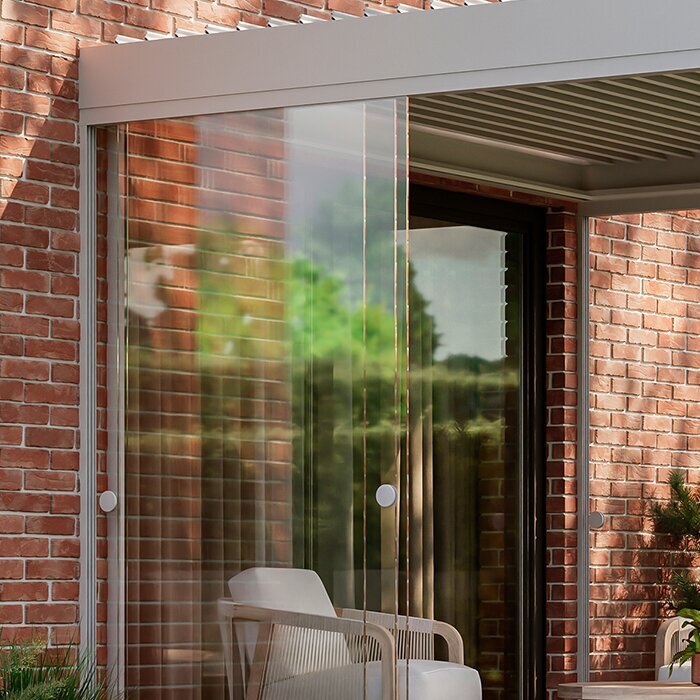
Begin with how you will use the area
Begin by naming the job the pergola needs to do. Is it to shade an outdoor dining setting, define a place to sit, cover a route between the house and garden, or make an exposed patio more usable? These are different briefs. Dining needs space for chairs to move and people to pass; a quiet seating area may put more value on outlook and privacy. Note when you expect to use the area, too: shade that matters around lunchtime may not be the shade you need late in the afternoon. Think about whether the space is for occasional use or a regular gathering point. If it serves several purposes, decide which one deserves the clearest, most comfortable zone.
Turn those answers into ranked requirements, not a long list of nice-to-haves. Mark essentials such as a connection to the house, an open view or adjustable shade, then identify trade-offs you can accept. More overhead coverage can reduce direct light; an open framework may feel less enclosed but provide less dependable shade. Decide whether rain cover is essential or simply a bonus, because those expectations point towards different roof designs and need product-specific confirmation. Do not assume a pergola will keep out rain, block wind or create privacy because a staged image shows a sheltered setting. Those outcomes depend on the design and site. A concise brief makes it easier to compare types before considering colour and finish.
Freestanding or wall-mounted: fit the structure to the site
Freestanding and wall-mounted pergolas solve different layout problems. A freestanding structure is set apart from the house, so it can define a garden or patio zone that has no suitable wall beside it. Its position is still constrained by the surface, support locations, paths, planting and other obstacles; freestanding does not mean it can be placed anywhere. Where a design uses posts within the covered area, check their positions against chairs and main routes. Consider how people will approach the pergola and how it sits in relation to doors and existing furniture. Confirm the model’s footprint and installation drawing before treating an apparently empty patch as usable.
A wall-mounted design connects at the house edge and may make an outdoor zone feel continuous with an adjoining room or doorway. That arrangement needs an appropriate fixing location and should work around windows, cladding, eaves, gutters and access. A product page such as the Bloomcabin pergola listing is a starting point for your research, not proof of a particular mounting arrangement: confirm the exact model’s stated installation type and dimensions. Choose between the two forms by looking at where the structure can actually go, not by assuming either is automatically easier or better. If the site cannot accommodate the preferred type, revise the layout before ordering.
What a wall-mounted pergola needs from the house
With a wall-mounted pergola, assess the house as carefully as the outdoor area. The exterior may include cladding, windows, services, eaves or other details that limit where the structure could sit and how a connection can be made. Appearance alone cannot establish what lies behind a wall or whether it is suitable for the proposed attachment. Before ordering, compare the manufacturer’s fixing information with the actual building and ask a qualified building professional to assess the wall where necessary. This is a site-specific question, not something a catalogue photograph can settle. Avoid assuming a wall-mounted model fits simply because the house has a large, uninterrupted-looking wall.
Check how a wall connection would work during everyday use. Could it interfere with a door or window, change access to a path, or put a post or edge where furniture needs to go? Consider whether the attached layout gives shade where you need it, rather than merely covering the strip beside the wall. The Bloomcabin wall-mounted pergola listing identifies a wall-mounted product option; its name alone cannot confirm that your wall, position or intended use is suitable. Look for explicit information about mounting, clearances and installation requirements, and get professional advice on anything that depends on the building itself. Ask what information an installer needs to assess the connection before any work is planned.
Compare open, fixed and adjustable roof styles
Pergola roofs range from an open framework or slats to fixed coverings, retractable canopies and adjustable louvres. An open top leaves more sky visible but offers less predictable overhead shade. A fixed cover gives a more consistent barrier to direct sun, while a movable or adjustable system lets the user change the opening and may introduce more parts to operate or maintain. These are broad distinctions, not guarantees: the exact construction determines how the roof handles sun, rain, wind and drainage. Check the product’s own description, not just the category label, and note whether the roof is intended to stay open, close, retract or be set at different positions.
Match the roof choice to the conditions you actually want. If you primarily want filtered shade, compare openness, adjustability and the view from the areas you use. If rain cover matters, look for explicit information about whether the roof is intended to keep rain out and how water is directed; an open or slatted design should not be treated as watertight by default. Check whether the roof’s operation and any stated limits are explained in the product details. On another bloomcabin pergola product page, look for those facts rather than reading them into a product name or photograph. If the description is unclear, ask for the relevant documentation before deciding.

Plan for the shade you actually want
Shade shifts as the sun moves and as nearby buildings, fences and trees cast their shadows. Consider the place where people will sit, rather than judging the whole pergola footprint as one evenly shaded area. Think through morning, midday and afternoon use, and remember the sun’s angle changes throughout the year. If practical, observe the proposed spot at different times before you decide what cover is needed. A pergola may provide useful shade at one hour and leave the same seat exposed later; the effect also depends on the surroundings, not just the roof. A product image cannot show how your house and garden affect that pattern.
Roof openness and site orientation both matter, but neither gives a universal answer on its own. Compare the intended shade with your preference for daylight, outlook and an open feel: a more substantial overhead cover may reduce direct light, while widely spaced slats or an open top may let more sun through. If adjustable cover appeals, verify the range of positions and the way it is controlled in the product documentation. Use the bloomcabin pergola product page as a prompt to look for explicit roof and shade details, not as evidence that a particular level of shade will suit your patio. If coverage is unclear, ask for a drawing or specification and relate it to the places you plan to use.
Consider the whole outdoor layout
Review the layout as a whole, not just the rectangle under the roof. Outdoor dining needs clearance for chairs to pull out, while lounge furniture, doors and paths call for different circulation space. Consider how the pergola sits beside steps, garden beds, storage or a frequently used gate; these everyday details can make an otherwise generous area awkward. Also think about sightlines from inside the house and whether the structure would affect a neighbour’s outlook or privacy. This is a layout decision, not only a measurement exercise: the covered area should support movement and use without blocking the parts of the property you value.
Before ordering, plot the proposed covered zone against your chosen furniture and walkways, then check the precise external footprint and clearances stated for the model. A product’s general description does not tell you how much room its supports or projection need. Compare the other bloomcabin pergola product page for whatever dimensions and layout details are actually published; if a figure is missing, request it instead of estimating from an image. Leave room for normal movement and access, and consider the finished layout from the viewpoints you use most. Revisit the plan if the structure would crowd a door, narrow a route or cover an area that receives little use.
Check weather exposure and rain expectations
Think about exposure as well as shade. An open, sheltered patio and a spot that receives gusts or driving rain are not interchangeable locations, and the name pergola says nothing about the limits of a particular model. If the proposed position is exposed, check the maker’s stated site and weather limitations and installation requirements; if these are unclear, seek clarification before purchase. Ask a qualified professional to assess conditions that require technical judgement. Do not assume that a roof labelled adjustable, fixed or covered is suitable for every wind or weather situation. This distinction matters if your expectation is reliable shelter rather than simply a defined outdoor area.
Rain needs its own check. Find out whether the roof is designed to shed water, where it directs runoff and what happens when rain reaches the open sides; do not infer watertightness from an image. Consider whether likely runoff could affect an entry, seating zone or adjacent part of the property, and seek professional advice if drainage or attachment depends on the site. When reviewing the Bloomcabin wall-mounted pergola page, look for explicit information about positioning and any stated exposure limits. A wall-mounted label identifies the format, but it does not establish a weather rating or prove suitability for your particular house or location.
Compare materials and ongoing care
Material affects a pergola’s appearance and the care it may need, but broad labels are not enough to compare products. If considering timber, ask what species, treatment and finish are specified and how they affect routine maintenance. For metal, check the precise material and surface finish, along with the cleaning guidance and any stated limits on use. Materials can differ in appearance, repair options and how they age, yet no material is automatically the right choice for every home. Look for clear information about the frame, cover, fixings and finishes rather than inferring construction from a photograph or a generic product name.
Think beyond the initial appearance to ongoing care. Read the maintenance instructions and consider whether you are comfortable with the cleaning, checks or finish renewal they describe; do not assume that a label such as low maintenance means no care. If the roof has moving parts, confirm what routine attention the supplier requires and whether replacement components are identified. The Bloomcabin pergola product details are a place to check for material and care information, but rely only on specifications stated for the exact model. Compare the finish, spare-parts information and written care requirements across options before deciding which ownership routine fits your household.

Confirm installation, consent and order details
Before paying, clarify what the order covers and what must be arranged separately. Check which parts, fasteners, roof components and instructions are included, whether the surface or base needs preparation, and who is expected to assemble and install the structure. Ask how delivery access affects the chosen location, and whether packaging or component lengths create constraints along the route to the site. These are practical purchase details, not minor afterthoughts: a pergola can be a good match on paper but still require work or services outside the product package. Save the answers alongside the exact model name and documentation.
Check approvals and professional input before committing. Whether a specific pergola project needs consent or other checks can depend on the site, design and applicable local requirements; ask your local council or a qualified building professional about your proposal rather than relying on a general rule. Clarify any installation conditions that affect coverage or warranty, and read the seller’s terms for returns, damage reporting and maintenance responsibilities before ordering. For this bloomcabin pergola listing, check what information is supplied for the exact model and ask about any gap that matters to your decision. Confirm the installation and purchase terms that apply to your order.
Compare pergolas on the same criteria
Compare shortlisted pergolas against the same requirements. Put mounting style, roof arrangement, intended shade, site suitability, stated dimensions, material and maintenance information, installation needs and order inclusions side by side. Separate confirmed facts from assumptions: a photograph may show appearance but not fixing details, weather limits or clearances. Where a specification is missing, record it as unanswered rather than treating silence as evidence that the product meets your needs. This comparison helps reveal meaningful differences between types and stops an attractive finish from distracting you from a practical mismatch.
Use your original priorities to make the final call. Eliminate any option that cannot be positioned or installed appropriately, then weigh the trade-offs among shade, light, openness, appearance and care. If two designs remain close, resolve unanswered questions that could change your decision before placing an order, and confirm that the model and configuration are the ones you intend to buy. Choosing a pergola is easier when the evidence supports the essentials and you have consciously accepted the compromises. The best fit is the type that works with your site and plans, not necessarily the most elaborate roof or the most enclosed setting.
Frequently asked questions
What is the difference between a freestanding and a wall-mounted pergola?
A freestanding pergola stands apart from the house and defines a separate spot; a wall-mounted one connects to an exterior wall. The latter depends on an appropriate attachment location, while a freestanding layout still needs its own site and support positions. Choose based on the space available and the product’s installation information.
Will a pergola keep the rain out?
Not necessarily. An open or slatted top may let rain through; other roof designs may provide more cover, but the result depends on construction and drainage. Check the stated weather limits and water-management details for the specific product. The word pergola or a photograph is not proof of rain protection.
How much shade will a pergola provide?
Check the roof design, nearby buildings and trees, the sun’s path, and where you will actually sit. Shade can vary across the covered area and change during the day and year. Observe the location at different times where possible, and use product drawings or shade information if available rather than judging coverage from a sales image.
Can a wall-mounted pergola be attached to any house?
No. The exterior’s appearance does not establish whether it can take the required fixing or suit the proposed position. Check the product’s mounting requirements against the actual wall and ask a qualified building professional to assess the site where needed. Include windows, doors, gutters and cladding in that review.
Do I need consent for a pergola in New Zealand?
It depends on the proposal and applicable local requirements. Ask your local council or a qualified building professional whether consent or other checks apply to your property and design before ordering. This guide cannot determine the requirements for an individual site.
The right pergola choice comes from matching the way you use the space, the structure and roof style you prefer, and what the actual site can accommodate. Give shade and weather expectations the same scrutiny as appearance, and settle installation, product-information and approval questions before ordering. That leaves you comparing options on how well they fit your outdoor area, not on assumptions drawn from a name or image.
