
Comparing greenhouse guarantees: what to look for
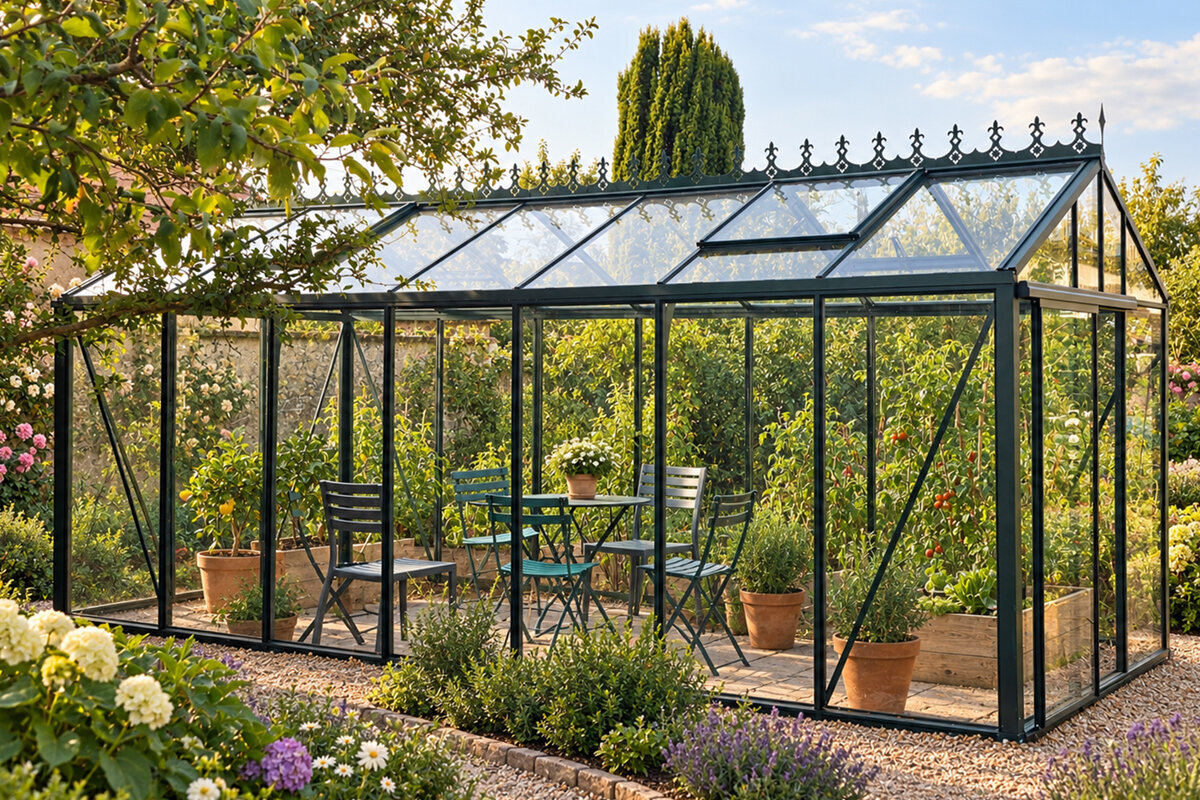
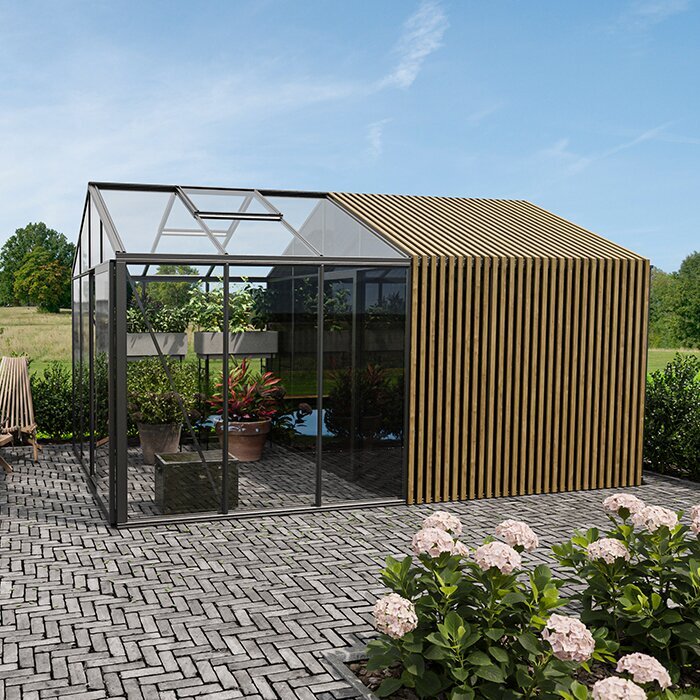
When buying a greenhouse, a guarantee is often seen as a single number. For a well-informed decision, break it down into components and conditions: the frame, glazing, surfaces, moving parts and available spare parts often follow different rules. Only this comparison shows what may actually be covered in a particular case.
It is especially important to distinguish material or manufacturing faults from normal wear, installation errors and damage caused by external influences. Terms such as goodwill, statutory consumer remedies and a manufacturer’s guarantee do not mean the same thing. Read not only an offer’s headline, but always the applicable written terms and product documents.
This guide offers a practical method for New Zealand: which questions matter before purchase, how to assess exclusions sensibly and which documents to retain. It turns a marketing promise into a comparable part of your planning, suited to your site, intended use and desired service life.
Step one
Separate guarantee types clearly
A manufacturer’s guarantee is a voluntary additional promise. Its content does not arise automatically from the sales contract, but from its accompanying terms. It should be distinguished from rights under the Consumer Guarantees Act, which have their own requirements and remedies. For your comparison, note exactly which promise you are assessing and which component or defect it concerns.
Even a label such as “frame guarantee” can mean different things. Does it cover material and workmanship faults, or only certain damage to load-bearing profiles? Does it promise repair, a spare part or replacement? A good comparison note records the wording, condition and proposed remedy. This avoids mistakenly treating different kinds of cover as equivalent.
Assign every statement to a category: statutory consumer remedies, voluntary guarantee, goodwill or a separate spare-parts arrangement.
Check that the terms suit the offered model, purchase date and intended use.
As a basis for comparison, a standard Classic greenhouse with product documents clearly matched to that model is useful.
Step two
Assess the greenhouse construction
The structure involves more than visible aluminium profiles. Check which construction parts are expressly named and whether connections, fixings or doors are included. Requirements for the foundation and installation matter too. Where a guarantee requires correct erection, include those requirements in your planning before choosing the site.
Also read how a structural fault is described. Distortion, corrosion, breakage and functional failure are not interchangeable terms. Some damage may result from a material issue, while other damage can arise from loading, alterations or unsuitable installation. Record the delivered parts, assembly and later changes. These records provide a clear starting point if questions arise.
Ask whether the guarantee terms set specific requirements for the foundation, anchoring and installation.
Compare definitions for load-bearing parts, connections and moving construction parts as closely as possible.
For a wall-side project, consider a classic Lean-To greenhouse and its installation conditions separately.
Step three
Check glazing by material and fault type
Glazing deserves particularly close attention because material, installation and use interact. The terms should show whether the promise relates to manufacturing faults in the glass, fit or other characteristics. Also check whether glass breakage, scratches or damage from external influences are expressly excluded. In daily use, these distinctions are often more important than a general guarantee statement.
Compare not only the pane, but the interaction of glazing, seals and retaining system. If a leak develops, its cause may lie in several areas. Record how the supplier handles assessment and attribution. Also ask whether replacement may include material, freight, labour or only an individual part. A guarantee is not blanket protection. Note whether the terms describe a particular method for assessing a fault. Clear provisions help place observations such as discolouration or delamination correctly. At the same time, check whether care requirements are clearly stated and suitable for your site and normal cleaning routine.
Look for separate provisions covering glass, seals, glazing beads and damage caused through use.
Photograph noticeable areas early and do not alter them yourself before receiving a response.
For a standard Classic greenhouse with glass panels keep the glazing terms separately.
Step four
Assess coatings and surfaces realistically
A coated aluminium surface makes a major contribution to appearance, but its guarantee scope may be narrower than expected. Read whether colour variation, loss of gloss, chalking, peeling or signs of corrosion are addressed individually. Required care also matters. Deposits, harsh cleaners or persistent moisture can affect how later damage is assessed.
The site deserves particular attention. Splashback, garden chemicals, leaf litter, salty air or surrounding pollution affect surfaces differently. That is not a reason to forgo a coating guarantee, but it is a reason for realistic expectations. Ask about recommended cleaning intervals and permitted products. Keep care instructions with the proof of purchase. For long-term identification, add photographs to the parts list immediately after assembly. Identify not only moving components, but also seals and fixings. This lets you describe the affected part precisely in an enquiry without pre-judging the cause or a claim.
Distinguish cosmetic changes from impaired function and compare the relevant definitions.
Clarify in advance whether additions, drilling or subsequent coatings could affect claims.
For a classic aluminium Lean-To greenhouse coordinated care of the wall connection and profiles matters.
Step five
Understand spare parts in long-term planning
A guarantee and spare-parts supply are related but separate matters. A guarantee answers when a defect claim may exist; the spare-parts question concerns availability, identification and interchangeability during use. Check whether components can be ordered clearly and what information is needed. The model name, purchase date, photographs and a parts list help with later enquiries.
A clear spare-parts structure is particularly valuable for moving or frequently used components. These may include seals, fittings, door rollers or fasteners. Such parts are often subject to normal wear and are therefore not automatically guarantee claims. That does not make them unimportant: plan maintenance, inspection and, where needed, replacement as a normal part of long-term use. Always read exclusions alongside installation and care requirements. General wording becomes practical only when you check which action is intended for your greenhouse. Keep outstanding questions in writing and ask for unclear terms to be explained before ordering.
Keep the assembly instructions, parts list and order confirmation so components can be identified clearly later.
Ask what details a spare-parts enquiry requires and whether photographs are enough for identification.
A standard Classic greenhouse with documented components makes later part identification easier when you enquire.
Step six
Read exclusions without misinterpretation
Exclusions are not a hidden flaw; they define the limits of a voluntary promise. Typical references concern improper installation, insufficient maintenance, alterations, wear or damage from external events. Read these passages together with the included fault types. Only then can you see whether a particular risk may fall under a guarantee, another form of protection or your own maintenance.
Watch for wording about self-repairs and unapproved spare parts. Changing a component before its cause has been assessed can make evaluation harder. When damage occurs, it is usually sensible to document the condition, consult the written terms and use the stated contact route. For questions about insurance cover or connection to a building, ask your insurer for a specific assessment. Communication about a claim also belongs in your records. Save messages, photographs and details of the affected component with the original documents. This keeps the process traceable if later questions arise or several possible causes need to be distinguished.
Highlight every exclusion connected with the site, installation, maintenance, alterations or external influences.
Compare not only the length of exclusion lists, but their clarity and practical relevance to your project.
For a classic Lean-To greenhouse attached to a building clarify responsibility for connection work in advance.
Step seven
Compare the guarantee-claim process
Good guarantee terms also describe the path from reporting a defect to a decision. Check the reporting period, expected evidence and whether assessment may take place on site, from images or another way. It also matters who decides on repair, replacement or another remedy. Record these points in your comparison table.
Report a possible defect factually and completely. Photographs from several angles, purchase details and a brief description of timing help without prematurely asserting a cause. Do not carry out repairs that unnecessarily hinder assessment unless urgent protection is needed. Keep the correspondence; it usefully supplements your greenhouse records. Include access for assembly, maintenance and later inspection in your site file. A greenhouse can only be used long-term in line with its documentation when relevant areas remain accessible. Consider planned connections, planting and accessories together with the product requirements.
Check whether proof of purchase, model details, photographs and installation information are expressly required documents.
Note whether the terms distinguish material supply, repair work and other potential costs.
Documents for a standard Classic greenhouse from Bloomcabin should remain organised for future reference.
Step eight
Consider the guarantee alongside site and use
The best comparison method links the terms to your actual project. A sheltered garden site raises different questions from an exposed area, and a seasonally used greenhouse is cared for differently from an intensively used propagation space. Check the assembly guide, care requirements and use limits before giving the guarantee weight in your decision. It complements planning; it does not replace it.
Local considerations also belong in this assessment. Ask your council whether requirements apply to the site, foundation or construction of your project, including building-consent and district-plan matters. It may also be useful to speak with your insurer when assessing existing cover. Do not rely on general statements for these questions; seek an assessment for your particular property and policy.
Before purchase, create a site file with photographs, a sketch, foundation idea and key product documents.
Review the written terms again if use, site equipment or building connections later change substantially.
Plan a classic Lean-To greenhouse for the garden with local requirements in mind.
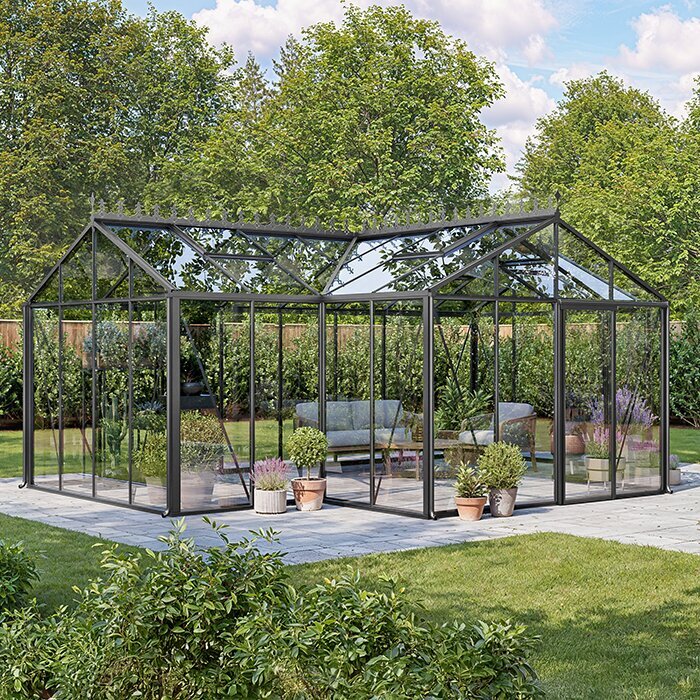
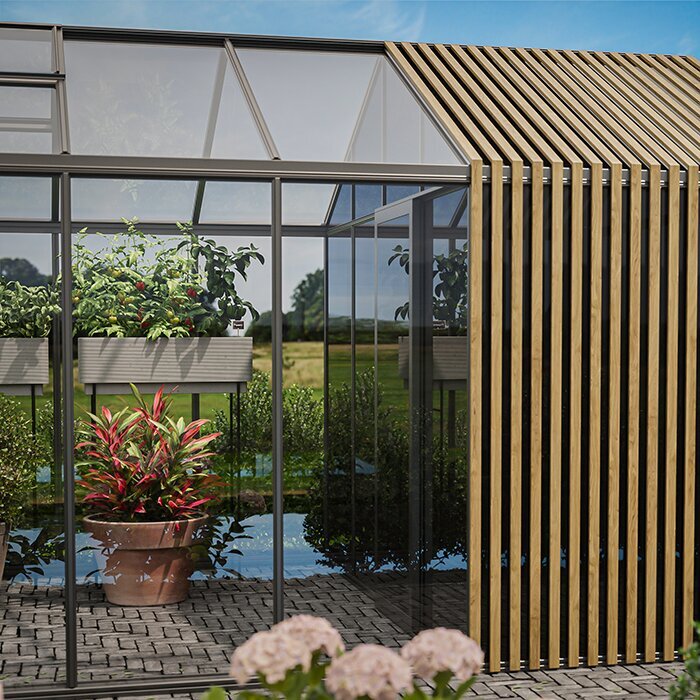
Comparison
Decision matrix for guarantee terms
Use this matrix not as a replacement for the original terms, but as a structure for reviewing offers. Enter the exact wording, outstanding questions and related documents for each model. This makes differences in scope and handling visible.
| Review area | What to check | Document or question |
|---|---|---|
| Construction | Clearly distinguish named profiles, connections and fault types. | Request installation requirements and a parts overview. |
| Glazing | Distinguish material faults from breakage, scratches and installation questions. | Check provisions for panes, seals and retainers. |
| Surface | Read cosmetic changes separately from actual coating damage. | Document care instructions and permitted cleaning products. |
| Spare parts | Do not confuse a guarantee claim with ordinary parts supply. | Keep the parts list, model ID and enquiry route. |
| Exclusions | Assess the site, installation, alterations and external influences. | Clarify unclear terms in writing before ordering. |
Five steps to a reliable comparison
Plan your comparison early, ideally before finally choosing the model, site and accessories. These five steps help you review terms systematically and create useful documentation for later use.
01
Gather all documents
Request the guarantee terms, assembly guide, care instructions and parts overview for the greenhouse you are considering. Make sure the documents match the exact version.
02
List components
Create separate lines for the frame, glazing, coating, doors, seals and accessories. Add included faults, exclusions and required evidence for each.
03
Match site requirements
Compare the foundation, anchoring, accessibility and care effort with your intended site. Raise open points with the supplier or relevant professionals before ordering.
04
Check the claim process
Read the stated reporting route and available remedies. Clarify which evidence must be retained and whether product changes before assessment could cause difficulties.
05
Document your decision
Store the offer, terms, order confirmation and assembly documents together. Note why you chose a version; this makes later questions much easier.
Greenhouse buying checklist
Work through these points for each offer. If an answer is missing or unclear, ask for a written explanation before purchase.
01. Is it clear which components are covered by a voluntary guarantee?
02. Have you distinguished guarantee, statutory consumer remedies and goodwill?
03. Are installation, foundation and care requirements complete and realistically achievable?
04. Do you know which glazing damage is expressly included or excluded?
05. Have you read the terms for coatings, surface care and cosmetic changes?
06. Is it clear which parts count as wear items and how they are identified?
07. Do you know reporting periods, required evidence and the stated claim contact?
08. Have you checked local planning questions and, where relevant, insurance cover individually?
Frequently asked questions about greenhouse guarantees
Is a long guarantee automatically the better choice?
No. Duration is only one point of comparison. More important are the included parts and fault types, applicable conditions and the remedy available for an accepted defect. Compare the full terms and installation and care requirements, not only a highlighted number.
What is the difference between a guarantee and statutory consumer remedies?
Statutory consumer remedies follow legal rules, including the Consumer Guarantees Act where it applies. A guarantee, by contrast, is a voluntary additional promise with its own scope and conditions. The two may exist alongside each other but are not identical. For specific questions about your rights or a contract, professional legal advice may be useful.
Are glass breakage and scratches normally covered?
There is no general answer. Terms often distinguish material or manufacturing faults from damage caused by impact, installation, use or external influences. Read the provisions for glazing, seals and retainers together. Ask for unclear cases to be explained from the written documents before purchase.
Why do installation and the foundation matter for the guarantee?
The structure can perform as intended only when assembled and anchored in accordance with its installation requirements. Guarantee terms therefore often specify requirements for assembly, the base or modifications to the product. Keep the instructions, assembly photographs and foundation information. They support a clear assessment if questions arise later.
Are spare parts automatically a guarantee benefit?
Not necessarily. A spare part may be relevant in an accepted guarantee claim, while worn or damaged parts can fall outside the guarantee scope. Check separately how spare parts are identified and obtained, and which causes count as a guarantee claim. A complete parts list is particularly helpful.
Should I put questions in writing before buying?
Yes, particularly for points crucial to your site or intended use. Ask specifically about the component concerned, the condition and the proposed process. Keep responses together with the current terms. Verbal impressions do not replace a careful review of written documentation.
Compare greenhouses
Compare terms, not slogans
A greenhouse guarantee becomes comparable only when you consider construction, glazing, surface, spare parts and exclusions separately. The best time is before purchase: then you can request documents, clarify open questions and compare requirements with your site and planned use.
Keep the relevant documents organised from the first offer through to installation. A clear comparison table not only supports a better-informed choice, but also provides a practical basis for care, spare-parts enquiries and factual communication should a defect need assessment later.
Explore Bloomcabin greenhouse options and check the associated product and guarantee documents for your project.
