
Greenhouse glazing in hail: glass or polycarbonate?
Greenhouse guide
The short answer on planning for hail
Where hail is frequent or severe, polycarbonate is often considered for its inherent impact resistance. Glass can still suit a project when maximum clarity and a traditional look matter, provided the site, installation and response to possible damage are considered carefully.
Never assess glazing in isolation. A stable foundation, properly seated profiles and a position without avoidable hazards are equally important. Before buying, check what your insurance policy and the written details for the chosen configuration actually cover.
01
For hail-prone sites
Polycarbonate can be a sensible option if you prefer robust panels and accept diffuse light for your plants.
02
For clear garden architecture
Glass suits projects where transparent views, precise lines and visibility of the plants are central.
03
For a sound decision
Consider local weather experience, siting, installation quality, maintenance and the consequences of damage together, rather than using one criterion.
Greenhouse glazing in hail: glass or polycarbonate?
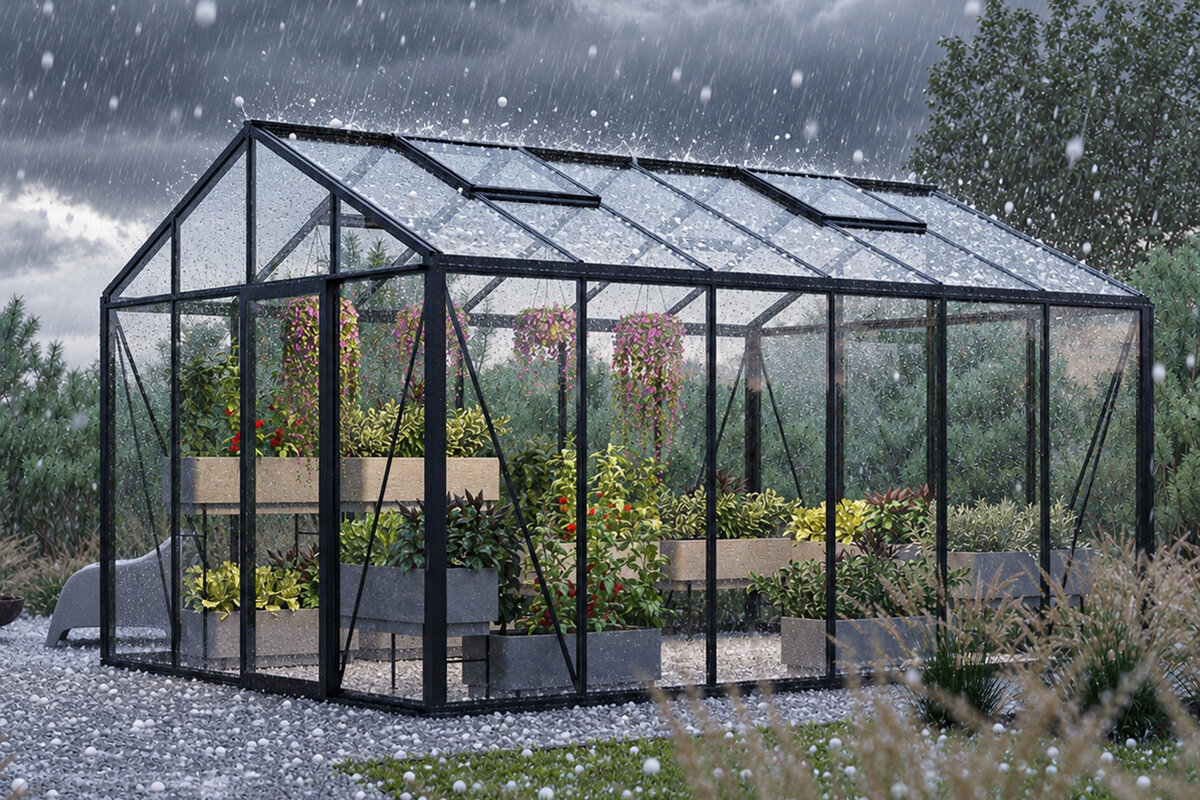
When planning a greenhouse in New Zealand, treat hail as a realistic weather load. Hailstone size, hardness and angle of impact can vary greatly between regions and thunderstorms. There is therefore no single glazing choice that is automatically right for every garden. Your exposure, intended crops and design expectations all matter.
Glass offers clear views, calm architectural character and the familiar look of a traditional garden structure. Polycarbonate is more diffuse and is often chosen where a less break-prone panel solution is the priority. Both materials need careful consideration: the frame, fixings, foundation and correct installation influence the resilience of the whole greenhouse, not just the glazing.
This guide sets out the key differences and helps you ask the right questions for your site. It does not replace checking product documentation or obtaining project-specific advice for unusual property conditions. Bringing weather risks, intended use and maintenance together before purchase supports a considered, long-term decision.
01 · Material choice
Assess hail risk
Hail is not a uniform event. Smaller stones place different demands on glazing than larger ones, while wind, direction of fall and storm duration also matter. Look beyond general forecasts and ask neighbours about local experience. An exposed garden on open ground may have different needs from a sheltered courtyard or a built-up residential site.
Choose material from an honest risk assessment, not an assumption of absolute protection. Glass and polycarbonate respond differently to impacts by design. It is equally important that glazing is correctly held within its frame. Loose components, uneven ground or unsuitable fasteners can increase loading and should not be treated as minor details.
Do not judge the surroundings only by visible shelter. A nearby wall may calm one weather-facing side, while downpipes, roof overhangs or turbulent air can create additional stress. Leave sufficient clearance from building edges and check that rainwater is controlled. This keeps the greenhouse accessible and easier to inspect after severe weather.
Later use also affects risk: frequently opened doors, roof work and stored equipment should have enough clearance from glazing and maintenance routes.
Record hail events from recent years and ask neighbours about typical conditions at the exact site.
Allow for exposed wind corridors, large tree canopies and roof edges that may add risk during storms.
For a freestanding starting point, a Standard Classic aluminium greenhouse offers a straightforward basis for planning.
02 · Site
The site matters
A greenhouse beside a house, high wall or trees experiences rain differently from one on an open lawn. Shelter can help, but brings its own issues: dripping water, falling branches and snow sliding from roofs should be considered when choosing a position. Observe the proposed area deliberately in rain and wind.
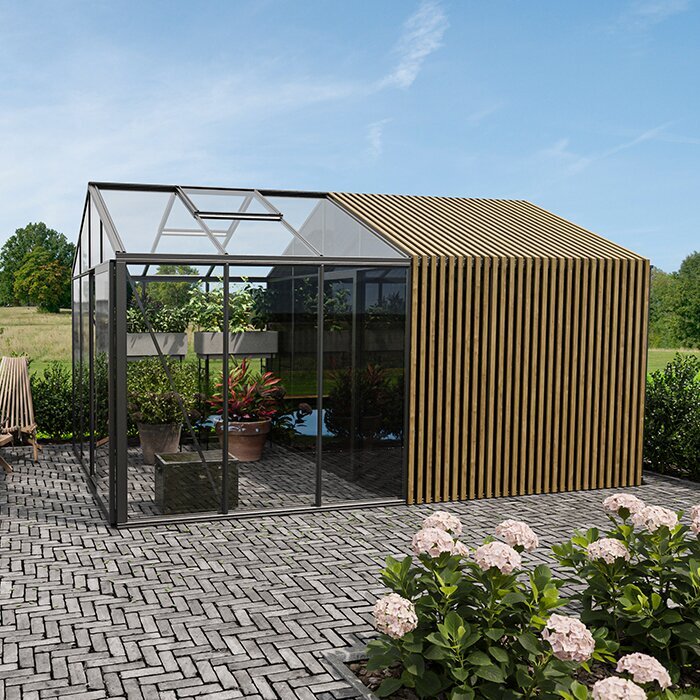
For a lean-to installation, plan the relationship between the building environment and greenhouse especially carefully. Water management, access and proximity to downpipes need attention. A wall does not automatically make glazing hailproof, but it can affect microclimate and airflow. Keep maintenance routes clear so panes, frames and junctions remain inspectable.
As well as appearance, glass affects the view into the greenhouse and the sense of garden space. If you want plants, equipment and structure to remain visible, balance that transparency against sensitivity to concentrated impacts. Before installation, inspect every pane and fixing for undamaged edges and a clean fit.
For lean-to models, also check whether leaves or moisture can collect between wall and greenhouse. Clear gaps make joints and frame areas easier to inspect.
Avoid positions directly beneath vulnerable branches or where roof water lands in a concentrated stream.
Plan level, accessible ground so inspection, cleaning and any replacement remain practical.
For a generous house-wall installation, consider a full-size classic lean-to greenhouse with a properly planned site.
03 · Glass
Choose clear views carefully
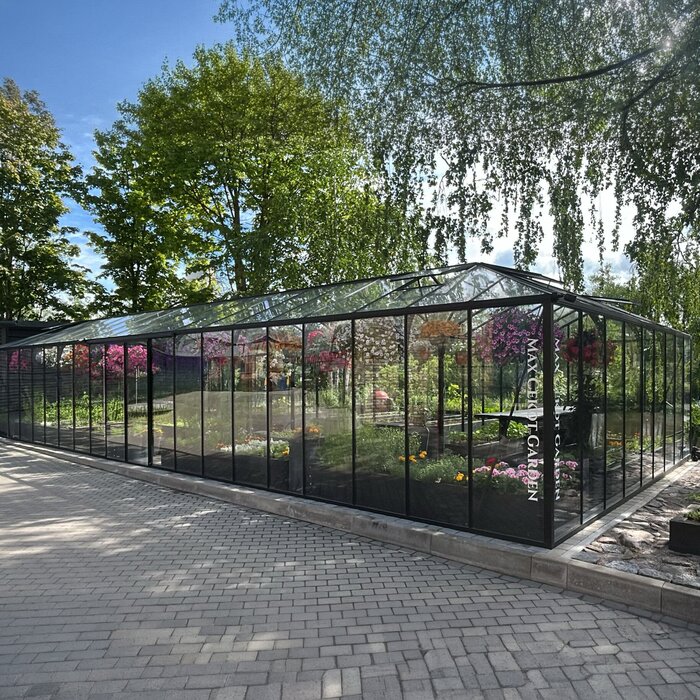
Glass gives a greenhouse transparency and a high-quality, timeless presence in the garden. It keeps plants, shelving and work areas clearly visible and suits formal garden spaces or ordered architecture particularly well. In hail, however, accept that a hard material can be damaged by strong concentrated impacts. Careful weighing-up matters more than a blanket verdict.
Bloomcabin greenhouse glazing uses 4 mm toughened glass. This describes the supplied material, not a site-specific risk assessment. Ensure frame supports are clean, seals are correctly fitted and installation follows the applicable instructions. After a storm, inspect pane edges, fixings and any components that may have loosened.
Polycarbonate's light diffusion can noticeably alter the character indoors. Views outside and of individual plants are less sharp, but the visual impression is more even. Do not decide on expected weather exposure alone; consider samples, propagation plans and your preference for transparency together. Review the care guidance for the specific glazing before deciding.
Comparing samples in different daylight can help your choice. It shows how reflections, visibility and the appearance of plants may suit your garden space.
Choose glass if clear views and the classic expression of your greenhouse strongly shape your priorities.
For exposed sites, allow for a visual inspection after exceptional weather events.
For a combination of transparency and garden architecture, the Standard Classic greenhouse with glass look offers a compelling design direction.
04 · Polycarbonate
Diffuse panels for robust priorities
Polycarbonate is often considered as an alternative to glass for greenhouses when resistance to impact is given greater weight. Its surface creates a different effect from clear glass: incoming light is more diffuse and outlines behind the panels are less distinct. This diffusion may suit many crops, while people wanting unrestricted views will judge its character differently.
Bloomcabin polycarbonate glazing is 6 mm. It remains important to check the exact version, including profiles and installation guidance. Polycarbonate is not maintenance-free: gentle cleaning, suitable products and avoiding abrasive tools help keep its surface tidy. Regularly inspect panel edges and joints, especially after wind or heavy rain.
During installation, make sure drainage paths and covers remain free of dirt. Standing water, pinched seals or later drilled holes can affect individual components. Use only construction-compatible parts for repairs and document changes to the build. This makes later inspections easier and keeps the original installation condition traceable.
Remember that diffuse panels can look different depending on planting and furnishing. Coordinate shelving, paths and shading with this character.
Polycarbonate suits planned use where diffuse light and a less glass-like appearance are welcome.
Avoid harsh cleaners and rough sponges so the panel surface is not unnecessarily damaged during care.
For a building-adjacent design, a full-size classic lean-to greenhouse with polycarbonate can complement the site concept well.
05 · Construction
The frame supports the choice
Glazing can only perform as part of the complete construction. Aluminium frames, corner joints, glazing strips and fastening elements must belong to the relevant model and be installed correctly. Improvised alterations or unsuitable replacement parts can create stress and compromise secure pane retention. Follow the installation manual and seek competent assistance if unsure.
The foundation also matters for dimensional stability. A distorted base can make doors run poorly or leave glazing under stress. Plan ground that is load-bearing, level and durable for the soil and model. After assembly, check that all elements are properly aligned. This care helps in hail as well as everyday garden use.
Carry out visual checks calmly and without rushing. First inspect from a safe distance for visibly shifted parts or loose debris nearby. Only then examine frame and glazing details. Do not use a ladder on wet or uncertain ground. If damage or safe access is in doubt, professional support is the more prudent choice.
Checks should not happen only after storms. Observe doors, vents and transitions during normal use so changes are noticed early and their cause can be traced.
Before fitting glazing, check that the frame is plumb and all bearing surfaces are clean.
Keep installation documents so later maintenance or spare-part enquiries use the correct model basis.
A clear frame layout is offered by a freestanding Standard Classic greenhouse for careful installation planning.
06 · Care
Inspect methodically after a storm
After hail, wait until the area is safe to access, then inspect the greenhouse in good light. Start outside with roof, corners and door area before checking indoors for fine cracks, movement or moisture. Photograph anything unusual without unnecessarily touching damaged parts. Where glass has broken, protecting people comes first.
For polycarbonate, look for visible strikes, cracks, loose end caps or changes to fixings. Glass damage may be obvious, while fine edge damage can be less noticeable. Also inspect gutters, roof junctions and the ground immediately around the greenhouse. Removing branches, debris or standing water makes assessment and care easier.
Good documentation starts before damage occurs. Store invoices, product papers and images so the model, glazing and assembly condition are identifiable. If an event occurs, photograph the condition and secure damaged areas only where this is safe. The next steps depend on your insurer's terms and response.
Keep people away from visible glass damage and wear appropriate protective equipment when clearing up.
Report a possible claim after orderly documentation and follow your insurer's requirements.
Inspection remains accessible with a full-size classic lean-to greenhouse along a clear house wall.
07 · Insurance
Prepare damage records
Whether hail damage to a greenhouse is insured, and to what extent, depends on your individual policy, how the structure is classified and the agreed terms. Do not rely on general comments from acquaintances. Before purchase, ask your insurer what information is needed and whether freestanding or lean-to structures have particular requirements.
Keep purchase records, product descriptions, installation information and photographs of the completed greenhouse organised. These can make communication easier after damage, but do not replace an insurer's decision. Avoid hasty repairs if an inspection or approval could be required. Confirm the next steps directly with the relevant party.
It can help to record your decision in writing: which qualities are essential, which compromises are acceptable and which local risks are known? This prevents appearance or one material feature from outweighing all other requirements. Include future access to the roof, side walls and joints. Suitable glazing works long-term only when the overall plan supports it.
Ask in advance about hail treatment, excess, documentation duties and any requirements for the site.
Photograph the greenhouse from several angles after assembly and update the images after significant changes.
For documented garden planning, a Standard Classic garden greenhouse can be a traceable model choice.
08 · Purchase decision
Set glazing priorities
The right choice follows your priorities. If clear views, a classic design and direct sight of your plants matter most, glass may be the fitting option. If your garden is in a hail-prone location and you place greater weight on the material's impact resistance, examine polycarbonate more closely. Neither material removes responsibility for siting and installation.
Compare versions using the available product information and plan for more than the purchase day: consider the coming gardening seasons. How easily can you reach roof and sides? How important are transparency, light quality and cleaning? Which local weather events are plausible? These questions turn glass versus polycarbonate into a well-founded decision for your project.
If several criteria seem equally important, note the benefits and unresolved points for each option. Direct comparison helps you make a decision you can understand later.
Create a personal ranking of hail risk, light quality, appearance, cleaning routine and site accessibility.
Where the building situation is unclear, check council requirements and the chosen product configuration early.
For a generous project beside a building, a full-size classic aluminium lean-to greenhouse is a distinct alternative to freestanding placement.
Glass and polycarbonate compared directly
This table is a guide for initial selection. It describes typical properties, not a promise for particular hail events. For a final decision, always consider model documentation, installation conditions and the characteristics of your property.
Appearance
Clear and transparent, with a classic effect.
Diffuse appearance; plant outlines less distinct.
Hail consideration
Hard material; allow for possible breakage.
Often considered where impact resistance is prioritised.
Indoor light
Direct views and clear light.
Diffused light with a softer effect.
Care focus
Inspect edges, panes and fixings.
Clean the surface gently and inspect joints.
Suitable priority
Architecture, visibility and traditional garden aesthetics.
Material character for weather-aware site planning.
Five steps to suitable glazing
Allow enough time for selection. Structured advance planning reveals differences that are easily missed in a quick material comparison.
01
Observe the site
View the proposed area in rain, wind and at different times of day. Note exposed sides, roof water, trees and existing protective structures.
02
Gather weather experience
Ask nearby residents about hail, storms and typical rain directions. Local observations are often more useful than general assumptions.
03
Define the use
Decide whether clear views, decorative impact, propagation, overwintering or a practical work area will chiefly guide your plan.
04
Include the construction
Choose the foundation, position and installation route to suit the model. Ensure later checks of roof, sides and connections remain possible.
05
Compare documentation
Read product and installation information plus insurance terms before ordering. Clarify open questions about the property or project with the relevant authorities.
Checklist before purchase
Use this list to check whether your glass or polycarbonate choice suits everyday gardening, rather than only the first impression.
01. Hail experience at home and in the immediate neighbourhood has been asked about and recorded.
02. The planned site is not unnecessarily beneath branches, roof edges or concentrated water outlets.
03. Clear visibility or diffuse light has been clearly set as a personal priority.
04. Foundation, access and assembly space are ready for the greenhouse size and construction.
05. Product documentation for the desired glazing and installation requirements has been read fully.
06. After a storm, the roof can generally be safely inspected or viewed.
07. Insurance conditions have been confirmed with your own insurer for the specific project.
08. Cleaning, maintenance and possible repairs are practically included in garden planning.
Frequently asked questions about greenhouse glazing in hail
Is polycarbonate always the better choice in hail?
Not automatically. Polycarbonate is often selected when its inherent impact resistance is especially important. The best choice also depends on your preferred light, design, site, frame construction and maintenance. Check the specific product version and do not assume that one material can withstand every weather situation without consequences.
Can a glass greenhouse stand in a hail-prone region?
Yes, glass can still be a deliberate choice there. Include possible damage in your planning, ensure the construction is assembled carefully or install it correctly yourself, and assess the site attentively. Also clarify with your insurer in advance which conditions apply to your particular greenhouse.
What should I check straight after a hailstorm?
First wait until there is no safety risk. Then inspect roof surfaces, panes, panel edges, frames and fasteners for visible damage or movement. Photograph anything unusual and keep the area clear where glass is damaged. Before starting major work, consult your insurer where appropriate.
Does the foundation affect hail resistance?
A foundation does not stop hail, but it is important for a stable, low-stress structure. If a greenhouse is distorted, its frame and glazing may be loaded unfavourably. Choose a level, load-bearing base according to the model guidance and check alignment carefully during installation.
What role does cleaning play for polycarbonate?
Gentle cleaning helps keep the surface presentable and makes damage easier to spot. Do not use abrasive tools or unsuitable products that could affect the panel. After severe weather, inspect joints, edges and fasteners in particular, rather than looking only at the visible surface.
Do I need consent for a greenhouse?
It depends on the design, dimensions, foundations, services, site and intended use. Even when building consent is not required, the work must still meet applicable Building Code requirements, and a district plan may require resource consent. Ask your council about the specific greenhouse before ordering, and check any tenancy, body corporate or title requirements.
Discover greenhouses
Glazing that suits your garden
In hail, glass or polycarbonate is not purely a matter of taste. Glass stands out for clarity and classic presence, while polycarbonate may interest projects where impact-oriented material choice is central. Only the combination of weather, site, construction and use makes the choice genuinely robust.
Plan your greenhouse as a complete system and allow time for ground preparation, installation and later inspection. With a realistic view of local weather events and the relevant product documentation, Bloomcabin offers a version that usefully complements your garden.
Compare greenhouse forms and glazing options against your site requirements.
