
Growing lemons and citrus trees in a greenhouse
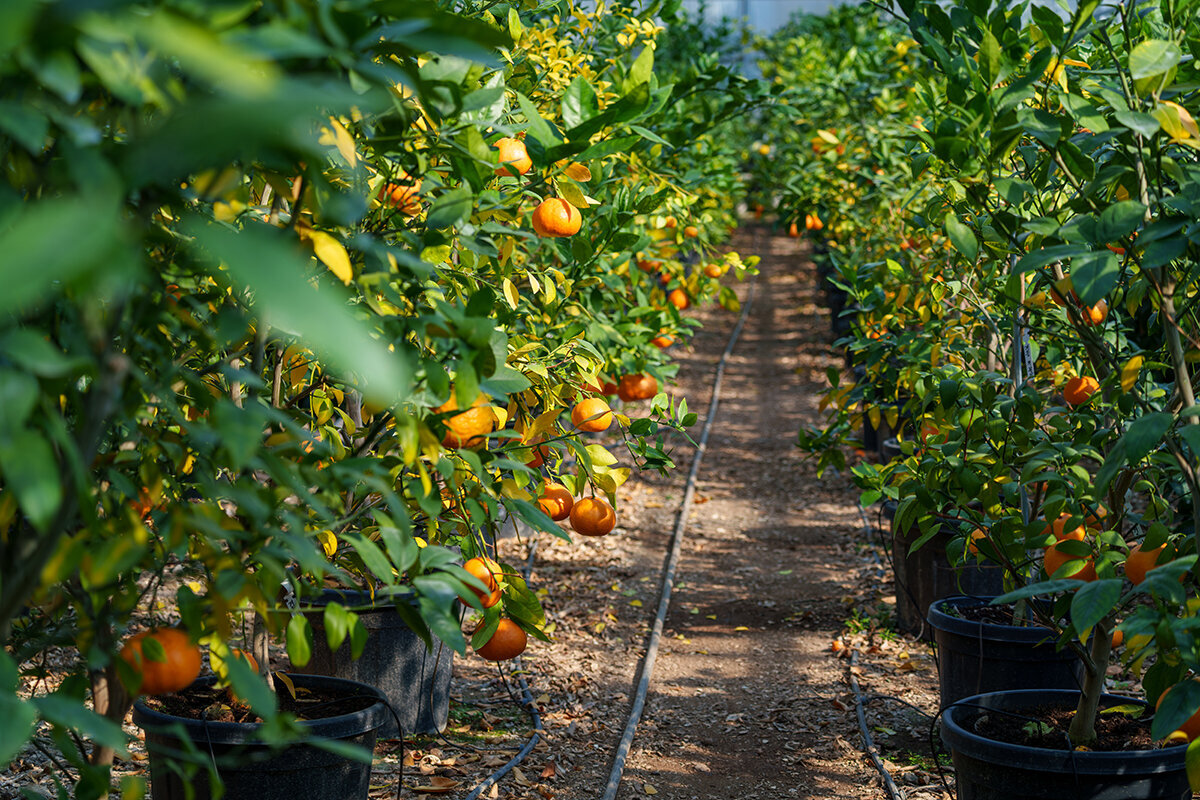
Classic aluminium greenhouseNew Zealand · Greenhouse journal
Citrus under glass
Growing lemons and citrus trees in a greenhouse
A lemon tree under glass can become a long-lived container orchard: fragrant, demanding and productive when light, roots, water and winter protection are planned as one system.
The key approach
Greenhouse citrus succeeds when treated as a planned, movable fruit garden rather than a patio plant that simply happens to overwinter indoors.
Light powers everything A protected winter position is valuable, but glass alone does not guarantee enough light. Place citrus trees in the brightest possible spot and keep glazing clean.
Roots set the pace In containers, air, water and nutrients are limited. Pot size, substrate structure and watering practice must therefore work together from the outset.
Seasonal movement matters In New Zealand, a greenhouse works best as a flexible orangery: protective in cool seasons, well ventilated in summer and bright, frost-free and monitored in winter.
01 / Choose with foresight
Choose a citrus tree that can remain in a container
A rewarding citrus collection starts with restraint. A compact grafted tree from a specialist nursery is usually a better long-term companion than a cheap seedling or a vigorous plant bred for open-ground fruit growing. Seedlings can grow attractively, but vary in their characteristics and often take many years to flower. In grafting, the fruiting variety – the scion– is joined to a rootstock that influences vigour, root development, container suitability and sometimes its response to growing stress.
Lemons
Citrus limon embodies the classic orangery dream: scented flowers, useful fruit and, with good care, several growth stages at once. Lemons need abundant light and tolerate neither frost nor persistently cold, wet roots.
Limes
Limes are fragrant, elegant and well suited to containers, but are often more sensitive to cool winter conditions than lemons. Reserve the warmest reliably frost-free position in the collection for them.
Kumquats
Kumquats remain relatively compact and bear small fruit that can be eaten with the skin. They suit bright, cooler winter quarters, but still need reliable protection.
Calamondin and relatives
Calamondin is a smart choice for smaller orangeries: freely flowering, ornamental and producing tangy aromatic fruit for marmalade or syrup. Its compact form makes it particularly good as a second citrus tree.
Buy with questions, not only the label: Ask about the variety name, rootstock, expected container size and recommended winter protection. Citrus types do not share one temperature limit or growth habit. A clearly labelled, healthy plant makes every later decision easier.
02 / Read the trunk
The graft union shows which shoots belong to the canopy
On a grafted citrus tree, look for the slightly swollen, angled or scarred point on the lower trunk. It must remain visible above the finished substrate surface. Planting too deeply can encourage the scion to make its own roots and makes inspection harder; persistent moisture also endangers the trunk area.
Strong shoots below this point come from the rootstock. Remove them cleanly at their base while soft and small. Shoots above the graft form the wanted canopy and should only be shaped selectively. Citrus stores energy in its leaves and does not benefit from annual hedge trimming. Remove mainly dead, damaged, strongly crossing or awkwardly upright branches.
Healthy roots need both moisture and air-filled pores, not a permanently saturated pot base. An open, balanced canopy is ideal in a greenhouse: leave space beneath the trunk for watering and allow air to move between leaves. If light comes mainly from one direction, turn the pot slightly every one to two weeks during active growth rather than moving it abruptly.
Scion Above the union
Graft union Keep visible
Rootstock shoot Remove below
Roots Need air
03 / The root workshop
A container that drains, breathes and stays movable
A citrus container should be large enough to buffer summer warmth and rapid drying, while exceeding the existing root ball only moderately. Put a small tree straight into a huge pot and a broad zone of unoccupied, wet substrate develops around it. Roots cannot quickly occupy this zone, making lack of oxygen, weak growth and root damage more likely.
Repot preferably just before strong spring growth and usually choose only the next pot size. Many mature container citrus trees manage long term with a 60–95 litre container ; compact varieties need less and vigorous ones more. Large clear drainage holes, a wide stable base and a wheeled plant stand or trolley that safely carries the fully watered pot are essential.
Use quality, structurally stable container mix rather than heavy garden soil. A blend of organic ingredients for water and nutrient storage with coarser mineral or structural components for air pores works well. The aim is not a decorative gravel layer at the base, but a root zone that drains evenly and quickly from top to open outlets.
Container hydrology
Pot and root ball
Water slowly
Moisten root ball
Preserve air pores
Keep drains clear
A correctly sized pot lets excess water drain promptly, then dries gradually. An oversized container often remains wet too long; a fully rooted pot can dry out within a short time. Water evenly until a little runs out below, and never leave the container permanently standing in a full saucer or cover pot.
04 / Water by observing
Water the root zone – and read the tree’s response
A fixed weekly schedule is rarely precise enough for greenhouse citrus. A sunny January week, a dull July spell, a newly repotted tree and a densely rooted container all use very different amounts of water. Check the substrate a few centimetres down, note the pot’s weight and use leaf appearance as confirmation – not as the only signal.
1. Check→
2. Water→
3. Drain→
4. Adjust
Check: Feel beneath the surface. Water when the upper layer is slightly dry but the inner root ball is not yet dust-dry.
Water: Water slowly, ideally in two passes, until a small amount emerges below rather than wetting only the surface each day.
Drain: Empty saucers and cover pots, and check that drainage holes are clear. Citrus does not tolerate permanently saturated roots.
Adjust: Increase frequency in heat and active growth; reduce it as light, temperature and growth decline in winter.
Water quality and feeding
Very hard or alkaline water can gradually raise substrate pH and limit trace-element availability, especially iron. Do not respond to every pale leaf with more fertiliser. First check moisture, root condition, recent temperature or position changes, pests and the exact pattern of discolouration.
Feed regularly and moderately during active growth with citrus fertiliser that includes trace elements. Follow the maker’s dosage; smaller even applications are usually better than rare heavy doses. In cool, low-light winter conditions, fertilise much less or not at all. If water leaves heavy lime or salt deposits, clean rainwater or a mix with tap water can be practical. Flush only where the substrate drains freely.
Read leaves before feeding
Even yellowing
Green veins
Brown edges
Bronze patches
Speckling
Even yellowing can relate to ageing leaves, low light, wet roots, exhausted substrate or a general nutrient shortage.Green veins on pale leaves can indicate limited trace-element availability, sometimes worsened by high pH.Brown tips can result from salt build-up, dry roots or excessive fertiliser.Watery or bronze patches can indicate cold, heat or sun damage.Speckles, webbing or sticky surfaces call for close inspection for pests.
05 / The flower room
Flowers are a promise, not an instruction to overload
Pollination
Many common citrus varieties are self-fertile and can set fruit without a second tree. Air movement and occasional insect visits support pollen transfer. In a very enclosed winter space, a soft brush can help: gently move it from one open flower to the next during the morning. Do not treat every flower routinely, however. First observe whether the tree sets fruit reliably without assistance.
Fruit set
Some young fruit naturally drops. After a move, or under root stress, low light, drought or overwatering, the tree often sheds flowers and developing fruit to regain balance.
Patience
Keep water and nutrient supply as even as possible while flowering, and avoid heavy pruning then. If a young or weakened tree carries too many fruitlets, remove some so canopy and roots can continue building strength.
Citrus can carry flowers, young fruit and ripe fruit at the same time. This is what makes growing under glass so appealing – and why stability matters more than constant intervention. Sudden heat, cold draughts, long dry spells, saturated roots and abrupt light changes can cause leaf or fruit drop. Stabilise conditions first rather than rushing to fertilise.
06 / The protected season
Summer ventilation and winter warmth belong to one climate plan
A glazed greenhouse amplifies the weather. In summer, citrus trees often need roof ventilation, open doors, temporary shade and moving air well before the garden feels unpleasantly hot. In winter, the same structure needs a deliberate plan: ample light, reliable frost protection and watering suited to the plant’s much slower metabolism.
Summer: prevent heat build-up
- Ventilate early. Roof vents, automatic openers and, where needed, gentle air circulation prevent stagnant heat among the leaves.
- Use temporary shading in intense sun, especially after moving a tree from darker quarters into the greenhouse.
- Acclimatise citrus gradually to outdoor sun or stronger light under glass. A sudden change can scorch leaves and trigger leaf fall.
- Avoid placing containers on strongly heated surfaces and check root-ball moisture more often during summer hot spells.
When planning a citrus orangery, consider ventilation, shading, circulation space and watering together from the beginning. A useful starting point is a classic aluminium greenhouse with well-planned height and easily reached openings.
Winter: cool, bright, protected
Lemons and limes are especially frost-sensitive; some kumquats and other citrus types tolerate cooler conditions depending on variety and rootstock. In many New Zealand regions, an unheated greenhouse is still not a universal answer for classic lemon trees, as clear winter nights can cool sharply. Monitor the true minimum temperature and plan insulation, supplementary warmth or timely relocation before cold arrives.
The winter envelope
TemperatureReliably avoid frost
LightBrightest position
WaterLess often, thoroughly
AirVentilate gently
Set winter protection according to the most sensitive tree in your collection rather than relying on one temperature figure for all citrus types. Keep glazing clean and avoid needless shading. Low winter light limits how much water and fertiliser the tree can use. Water less often but deeply when needed. Briefly ventilate on mild days to reduce high humidity without creating persistent cold draughts.
If the greenhouse will carry citrus trees through New Zealand winters, enclosed volume, usable height, ventilation and technical equipment all matter. The classic aluminium greenhouse offers a solid basis for a site-specific orangery plan. Allow wide routes for heavy wheeled containers, accessible roof vents and suitable glazing or heating options where required. Place sensitive trees where temperature, root ball and pest activity are easy to monitor – not only for visual symmetry.
07 / Diagnose before acting
Five citrus problems that deserve calm checking
Root alert
Leaves yellow while the substrate stays wet
Pause fertilising. Check drainage holes, pot weight, smell and root condition. Improve watering intervals and drainage before assuming the pattern is a nutrient deficiency.
Light alert
Long soft shoots and few flowers
Usually light should be checked first. Move the tree brighter, clean the glazing and avoid nitrogen-heavy feeding that drives more soft growth.
Pest alert
Sticky leaves or dark coating
Inspect shoots and leaf undersides for scale insects, mealybugs, aphids or other pests. Isolate the plant where possible, clean it mechanically and improve airflow and inspection routines.
Salt alert
Dry leaf edges despite regular fertilising
Fertiliser salts can accumulate in containers. Flush with suitable water only where substrate drains freely. During active growth, then feed more lightly but regularly.
Temperature alert
Leaf drop after a cold night or summer heat spell
Check maximum and minimum readings using a reliable thermometer at canopy level. Stressful events are often visible in the temperature record, not on one leaf. Improve ventilation, shading or frost protection before making major pruning or feeding corrections.
08 / A year under glass
A container-citrus calendar for New Zealand
Treat this calendar as a rhythm, not a substitute for actual weather. The season may begin earlier or later according to region, altitude and greenhouse. A sunny outdoor position is often ideal in summer; the greenhouse then serves as a protected transition space and bright winter home.
June–July Protect from frost, maximise light, water sparingly and regularly inspect for scale insects, mealybugs or spider mites. Do not force soft winter growth with heavy fertilising.
August–September Feed moderately as new growth begins. Repot or work roots only when the root ball is dense. Open roof vents early on sunny days.
October–November Check and water more often as growth increases. When moving outdoors, acclimatise slowly to direct sun. Watch flowers and the first fruit set closely.
December–January Prioritise shade, air exchange and even root-ball moisture. Continue moderate feeding during active growth. Check containers and foliage daily in hot periods.
February–March Plan the return under glass before nights become critically cold. Acclimatise trees gradually to lower light and check for pests before bringing them inside.
April–May Activate the winter strategy, clean the glazing, reduce watering and monitor actual overnight lows at canopy height and around the root zone.
Every month Remove rootstock shoots, turn containers occasionally for even growth, clean dusty leaves and harvest fruit by its variety-typical size, fragrance, slight softness and flavour.
With every change If leaves react, first trace recent changes in light, temperature, water, fertiliser, humidity or position before making another intervention.
For greenhouse architecture that supports this seasonal pattern, explore a classic aluminium greenhouse and consider the equipment of a classic aluminium greenhouse. A citrus orangery needs clear circulation space, room for wheeled bases, accessible water, effective ventilation and enough headroom for a mature canopy. Plan door width and turning space around the heaviest container – not only the young plant at purchase.
Questions from the citrus bench
Frequently asked greenhouse citrus questions
Can a lemon tree overwinter in an unheated greenhouse?
Only if the greenhouse reliably remains above damaging temperatures for that particular plant. In many New Zealand regions, an unheated house is not a guaranteed winter solution for lemons or limes. Measure temperature at canopy and root level, then plan extra protection, warmth or another location before frost arrives.
Do greenhouse lemons need a second tree for pollination?
Many common container citrus species and varieties are self-fertile. A second tree is usually unnecessary. In a very enclosed space, gentle air movement or a soft brush can support pollen transfer.
How often should greenhouse citrus be watered?
There is no universal interval. Water according to substrate moisture, pot weight, season, light and temperature. The goal is evenly moist, well-aerated roots – not a permanently wet surface.
Why does the tree lose leaves after being moved?
Citrus often reacts to abrupt changes in light, temperature and humidity. Acclimatise the tree to its new place over several days, keep watering stable and do not combine the move with repotting, heavy pruning and strong fertilising.
Does a citrus tree need pruning every year?
Prune lightly and purposefully. Remove dead wood, rootstock shoots, strongly crossing branches and shoots that disrupt the desired structure. Avoid radical annual cutting.
When is a greenhouse too hot for citrus?
Warning signs include wilting foliage despite adequate root-ball moisture, scorched leaf surfaces or indoor readings consistently far above outdoor temperature. Open doors and roof vents early, improve air movement and use temporary shade before the strongest midday heat.
Sources and further reading
A well-grounded citrus library
These expert sources explore container growing, watering, nutrition and winter protection. They help adapt general guidance to the variety, rootstock, water quality and local winter conditions. For valuable or sick plants, advice from a specialist nursery is also worthwhile.
More from Bloomcabin: Custom aluminium greenhouse · Classic aluminium greenhouse · Sizes, glazing and options for aluminium greenhouses
- North Rhine-Westphalia Chamber of Agriculture – overwintering container plantsGerman practical guidance on bright, cool and frost-free winter quarters for sensitive container plants.
- North Rhine-Westphalia Chamber of Agriculture – container-plant guideA concise overview of position, care and winter protection for vulnerable container plants in Germany.
- Mississippi State University Extension – Growing Citrus in ContainersFundamentals of free-draining substrate, suitable pot size, watering and nutrient supply for container citrus.
- Texas A&M AgriLife – Citrus Fact SheetExpert information on grafting, light, container culture and correctly applied watering for citrus trees.
- University of Florida IFAS – Citrus Nursery Production GuideTechnical background on irrigation control, substrates and nutrient management in protected citrus production.
- University of California IPM – Cultural Tips for Growing CitrusLinks between watering, feeding, canopy care, pests and long-term citrus plant health.
Room for an orangery
Give citrus the winter room it deserves.
Plan headroom, bright glazing, effective ventilation and a clear route for wheeled containers through every season. The result is more than shelter for a lemon tree: a cultivated orangery that brings fragrance, flowers and fruit into the New Zealand garden year.
Classic aluminium greenhouseFor further possibilities for a long-term orangery, see the classic aluminium greenhouse– a thoughtfully designed space for plants that stay and grow over the years.
