
Growing Lettuce in a Greenhouse: New Zealand Guide
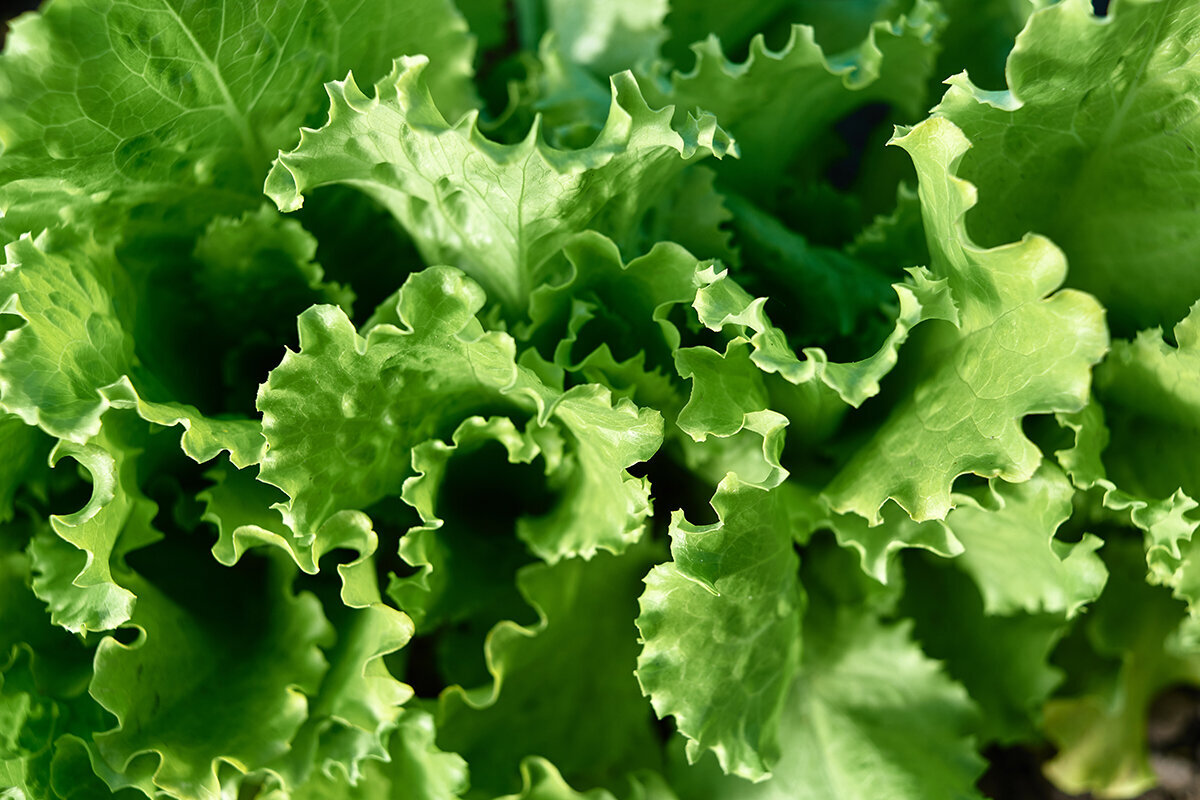
NEW ZEALAND • Greenhouse growing guide • Bloomcabin Journal
Growing lettuce in a greenhouse
Cool roots, even moisture, good airflow and regular sowings are the basis for crisp greenhouse lettuce.
Why lettuce suits a greenhouse
A greenhouse does not make lettuce heat-loving. It extends and steadies the cooler growing periods when lettuce develops its best quality.
Frost dates, rainfall and summer heat vary greatly between the far north, inland basins, coastal regions and the South Island. Lettuce uses protected space efficiently because it grows low, can be ready quickly, and fits between taller crops or as an early and late crop. For New Zealand home gardeners, it is one of the most practical crops for spring, autumn and, with suitable varieties, parts of winter.
For head lettuce, around 15–18 °C is a practical target range. It is not a fixed recipe, but useful guidance: when greenhouse temperatures stay well above about 24 °C, bolting, bitterness and quality problems become more likely. Ventilation, shade and sowing at the right time matter more than maximum warmth.
If you also grow tomatoes, cucumbers or capsicums, give lettuce its own climate zone. The Bloomcabin growing calendar shows how leafy crops fit into the wider greenhouse season; the greenhouse set-up guide helps with beds, paths and ventilation planning.
Growth targetabout 15–18 °C
Sowing depthabout 0.5–1 cm
Head lettuce spacingabout 20–30 cm
Best strategySuccession sowing
01 • Choosing varieties
The best greenhouse lettuce variety depends on how you want to harvest
For New Zealand greenhouses, loose-leaf and cut-and-come-again lettuces are especially straightforward: they grow quickly, need little room and can be picked leaf by leaf or harvested young as whole rosettes. Butterhead and head lettuces form closed heads but need steadier moisture. Cos lettuce grows upright and suits narrow beds, while iceberg needs more space and consistently cool management.
Choose for season as well as flavour. Cold-tolerant varieties suit early and late batches; bolting-resistant, more heat-tolerant types help into summer. Seed packets usually give seasonal advice, which is more useful than looking for one supposedly universal greenhouse lettuce.
For beginners, a mix of two loose-leaf varieties and one head or cos lettuce is practical. You will quickly see what grows most reliably in your own microclimate while spreading the harvest.
| Type | Strength | Best for | Key point |
|---|---|---|---|
| Loose-leaf | quick, flexible | small beds, ongoing picking | harvest early before heat brings bitterness |
| Butterhead | tender, compact | spring and autumn | even moisture |
| Cos | upright growth | narrow rows | good airflow |
| Iceberg | firm head | cool, stable spells | allow more room and avoid heat |
02 • Sowing calendar
When should you sow greenhouse lettuce in New Zealand?
In many New Zealand regions, reliable lettuce growing in an unheated greenhouse starts in late winter or early spring. Sow regularly through spring; as summer heat builds, overheating becomes more likely. January and February can be difficult in sunny locations. From late summer into autumn, a second strong season begins for lettuce. Use local weather, frost and heat information rather than following one national timetable.
Do not rely on dates alone: measure the actual greenhouse climate. A sunny winter day can become surprisingly warm inside, while the following night may fall close to outdoor temperature. For germination, moderately cool, even compost is better than strongly overheated soil.
A useful routine is to sow a small amount every 10 to 21 days. This spreads the risk: if one batch struggles through an unusual hot or cold spell, younger plants are already coming on.
| Season | Typical focus | Greenhouse practice |
|---|---|---|
| Late winter | first protected sowings | watch light and overnight frost |
| Spring | main season | sow again every 2–3 weeks |
| Summer | heat period | only with ventilation, shade and suitable varieties |
| Autumn | second main season | establish plants for cool weeks |
| Winter | slow growth | smaller batches, less water, maximise light |
03 • Temperature
Lettuce succeeds when you manage heat, not when you heat the greenhouse to the maximum
New Zealand summers range from cool and cloudy to prolonged hot spells. In northern districts, inland areas, cities and sheltered gardens, a glazed greenhouse may need early shading and strong ventilation; coastal wind can assist ventilation but also increase water loss. For lettuce, the daytime upper limit often matters more than the minimum temperature. On sunny days the greenhouse can become far warmer than outdoors, so open doors and roof vents before heat accumulates.
Excess warmth does not simply speed growth. It can cause loose growth, bitter leaves, poor head formation and early bolting. Young seedlings are particularly sensitive to overheated growing media.
A thermometer at plant height is more useful than a reading on the house wall. If possible, also measure temperature around the roots and note which areas warm most in morning or afternoon sun.
04 • Direct sowing or seedlings
Direct sowing or raising seedlings? Both work in a greenhouse
Direct sowing saves work and is very practical for loose-leaf lettuce. Sow shallowly, keep the top layer evenly moist until emergence, and thin crowded rows early. Seedlings packed too closely stay damp longer and make weaker plants.
Raised seedlings give you more control over space. Keep a seed tray in a bright, cooler place and transplant only sturdy plants into the bed. This is particularly useful when another crop is still in the greenhouse or when you want to fill gaps precisely.
For continuous household harvests, combine both methods: direct sow short rows and raise a few seedlings alongside them. Find more sowing basics in the Bloomcabin seed guide.
05 • Spacing
Give mature heads room; plant closer only when you deliberately harvest young
For standard head and cos lettuces, about 20–30 cm is a useful starting spacing, depending on variety and the desired final size. Loose-leaf lettuce for baby leaves can stand much closer because it is harvested earlier.
Do not choose spacing only for the highest possible plant count. Air must move between plants and each leaf needs enough light. Overcrowded crops increase humidity within the canopy, make aphid checks harder and encourage rot.
Allow a narrow working route too. Lettuce looks low and harmless, but harvesting, watering and checking plants become needlessly difficult if you must reach over foliage every time.
06 • Soil and nutrients
A loose, fertile root zone matters more than heavy feeding
Lettuce grows well in humus-rich, free-draining soil or a quality vegetable mix. The aim is a root zone that holds water without remaining wet. Improve heavy soil with organic matter and structural materials; containers need reliable drainage holes.
Too much nitrogen is not a quality advantage. It can encourage very soft, lush growth and make the crop harder to manage. Use balanced base nutrition instead, and watch leaf colour, growth rate and root health.
If you grow lettuce in the same bed every year, refresh compost or growing-media components, remove crop debris and rotate with other plant families where possible. Clean growing areas are especially valuable under cover.
07 • Watering
How often should greenhouse lettuce be watered?
There is no fixed watering schedule in days for New Zealand. Young plants with a small root zone need frequent, small applications; larger crops use much more water on bright days. Test the soil with a finger or moisture sensor and water as the root zone starts to dry, before plants visibly wilt.
Consistency matters more than large volumes. Switching between dry media and flooding stresses the tissue and can worsen quality problems. Water directly onto the soil in the morning where possible, so leaves and paths can dry before night.
Drip irrigation can suit longer rows but still needs checking: blocked drippers or uneven pressure show up quickly in lettuce. A short manual inspection round remains worthwhile.
08 • Ventilation
Ventilation protects against heat and helps keep leaf surfaces dry
Ventilation is not only a summer task in a New Zealand greenhouse. Even on cool days, high humidity can build where wet soil, plants and condensation share an enclosed space. Open early on mild days and create gentle air movement.
Roof vents are particularly effective because warm air rises. An open door or opening on the opposite side completes the air exchange. Check automatic vent openers regularly: lettuce can react to one very hot day faster than many tough ornamental plants.
Avoid persistent cold draughts directly over young plants at the same time. The aim is exchange, not a strong stream of air across wet foliage.
09 • Bolting
Why lettuce bolts, and how to delay it
Bolting is the shift from leaf growth to flowering and seed production. It is accelerated mainly by increasing day length, high temperatures and stress. Once the central stem starts to rise, the head becomes looser and flavour may turn noticeably bitter.
Prevention starts with seasonal planning: choose more heat-tolerant varieties for late spring sowings, shade during hot spells, keep water even and harvest in time. Do not try to reverse a bolting crop with extra fertiliser.
If high summer is regularly too hot, taking a crop break is not failure. Use the space for warmth-loving crops and restart lettuce once nights become cooler.
10 • Succession growing
Do not sow 40 heads in one day if your household cannot eat 40 heads at once
Lettuce is especially useful because it suits succession growing. For a household, small sowings about two weeks apart are usually more sensible than one large bed. You then harvest over many weeks rather than in a single weekend.
Divide the area mentally into four zones: freshly sown, young plants, nearly ready and just harvested. Prepare a zone again as soon as it is free. This simple rotation keeps the crop clear and helps you spot pest or watering issues early.
Also combine different maturity speeds. Fast loose-leaf lettuce bridges the wait for cos or head lettuce.
Batch A: sow today
Batch B: in 10–21 days
Batch C: after the first harvest
In summer, only where heat is controllable
11 • Pests and hygiene
A greenhouse keeps some pests out, but can multiply introduced pests rapidly
Aphids are particularly important in protected lettuce because they develop quickly in mild conditions and can settle deep among young leaves. Check new plants and seedlings before bringing them in, and inspect leaf undersides regularly.
Remove heavily infested plants early. Yellow sticky traps can indicate flying pests, but do not replace visual inspection. Clean pots, tools and old plant debris so diseases and pests are not carried from one batch to the next.
Biological control with beneficial insects can work very well in a greenhouse, but needs the right species, temperature and timing. For crop-protection products, follow the New Zealand label and EPA controls for the exact crop and use, including withholding periods.
12 • Tipburn and quality
Brown leaf edges do not automatically mean there is too little calcium in the soil
Tipburn often occurs when fast-growing young leaves do not receive enough calcium, even though the root zone may contain enough. The deciding factor is calcium transport in the plant’s water stream.
In practice, water evenly, avoid extreme heat, do not overapply nitrogen and improve airflow through the crop. Sharp growth surges after drought stress are less favourable than calm, steady growth.
If the problem repeatedly affects one variety, trial another alongside it. Varieties vary in sensitivity, and the best response is often a combination of climate, watering and genetics.
13 • Hydroponics
Can you grow lettuce hydroponically in a home greenhouse?
Yes. Lettuce is a classic crop for NFT, deep-water and other hydroponic systems. European research shows that lettuce can grow efficiently in controlled systems. Hydroponics suits home gardeners who are willing to monitor pH, conductivity, nutrient solution, oxygen supply and hygiene regularly.
Hydroponics does not remove climate problems. Warm water, insufficient oxygen, high air temperature or poor hygiene can affect an entire crop very quickly. Start with a small system and keep records.
If you want the simplest start, soil or growing media is not a disadvantage. The greenhouse already offers major benefits through protected conditions and controllable watering.
14 • Winter
Can lettuce overwinter in an unheated greenhouse?
In a New Zealand winter, light is often the limiting factor. Corn salad and dedicated winter lettuces are tougher than standard summer varieties. An unheated greenhouse can extend harvest windows, but growth almost stops during prolonged frosts; inner fleece can give vulnerable batches extra protection.
It is important to distinguish survival from growth. Cold-tolerant lettuce may live through a cold spell while producing almost no new leaves. Growth resumes when light and temperatures rise, so winter crops should be well established before the darkest period.
Water less often in winter because evaporation and growth slow down. Permanently wet soil is more dangerous now than a briefly dry surface. Keep glazing clean and avoid unnecessary shade.
15 • Harvesting
Harvest lettuce before the greenhouse forces your hand
Loose-leaf lettuce can be picked leaf by leaf while the heart remains intact. Head, butterhead and cos lettuces are harvested when their size and firmness suit your intended use. When hot weather is forecast, do not wait for maximum size: quality matters more than the last grams.
Harvest in the cool morning where possible, when leaves are crisp. Remove damaged outer leaves from the greenhouse immediately and chill the crop promptly. Clean tools reduce the risk of spreading disease between plants.
A good succession plan provides not the largest single harvest, but the greatest number of useful kitchen portions through the season.
16 • Choosing a greenhouse
What greenhouse is suitable for lettuce?
Lettuce does not need great ridge height, but it benefits from usable floor area, reliable ventilation and easy access. A compact aluminium greenhouse can be highly productive when beds are arranged well. Larger models make it easier to separate lettuce from taller, warmth-loving crops.
The Bloomcabin greenhouse collection offers different sizes and designs. Planning use first—beds, shelving, paths, water supply and ventilation—usually leads to a better choice than buying only by external dimensions.
Also use the Bloomcabin beginner’s guide if you are setting up a greenhouse for the first time. Lettuce is an excellent starter crop because mistakes show quickly and a new batch can be sown soon after.
For construction, ventilation, size and equipment questions, see the Bloomcabin aluminium greenhouse FAQ.
17 • Troubleshooting
Five common greenhouse lettuce problems
Start diagnosis with three questions: how warm has it been in recent days, how evenly moist was the root zone, and how good was the airflow? These three factors explain a large share of visible problems.
Bitter leaves often point to heat or harvesting too late. Tall, stretching plants suggest bolting has begun. Brown inner edges may be tipburn. Soft, rotting areas call for checks of moisture, hygiene and airflow. Sticky or distorted leaves should be checked for aphids.
Do not change five things at once. Correct the most likely stress factor first and observe the next batch. This is how you learn your own greenhouse climate faster.
| Symptom | Likely cause | First step |
|---|---|---|
| bitter leaves | heat / late harvest | grow cooler, harvest earlier |
| long central stem | bolting | adjust season and variety |
| brown young edges | tipburn / water transport | stabilise moisture and climate |
| soft rot | too wet / poor airflow | ventilate, improve hygiene |
| distorted, sticky leaves | aphids | inspect and isolate immediately |
18 • FAQ
Common greenhouse lettuce questions
What temperature is best for greenhouse lettuce?
A moderately cool range around 15–18 °C is a good target for quality growth. Short deviations are normal; sustained heat is the main problem.
Can lettuce grow in an unheated greenhouse?
Yes. It grows more slowly in cool seasons, and frost may require extra protection. Variety, light and actual overnight temperature are decisive.
How often should I sow lettuce?
For a continuous harvest, small batches every 10 to 21 days are very practical. In hot midsummer, a break can be wiser.
Why is my lettuce bitter?
Common causes are heat, drought stress, the start of bolting and harvesting too late. Check temperature and water supply first.
Can lettuce grow with tomatoes?
Yes, but their climate preferences differ. Use lettuce in cooler edge areas, and before and after the warm main tomato season.
Which lettuce is easiest for beginners?
Loose-leaf and cut-and-come-again lettuces are usually simplest because they grow quickly, harvest flexibly and need less room for a perfect head.
Conclusion
The best greenhouse lettuce is not forced through high summer, but grown quickly, evenly and without stress.
In New Zealand, lettuce is ideal for keeping a greenhouse productive before and after the main warm-season crops. Use the structure as a buffer against wind, heavy rain, cool nights and changeable weather, while remembering that sunshine can heat the interior very quickly.
If you keep only three rules, make them these: sow small amounts regularly, keep the root zone evenly moist and ventilate early when warmth builds. These steps prevent many common problems before they appear.
Anyone planning a new greenhouse will find Bloomcabin greenhouse collection models in different sizes and designs. For lettuce, usable floor area, dependable ventilation, easy watering access and a layout that separates cool and warm crops matter more than maximum height or heat.
Sources and further information
- Bavarian State Institute for Viticulture and Horticulture — protected lettuce growing and hydroponics
- Bavarian Garden Academy — lettuce in small protected greenhouses
- New Zealand EPA — gardening safely and product-label guidance
- Wageningen University & Research — lettuce in controlled environments
- Wageningen University & Research — lettuce under glass and LED lighting
- Agroscope — strategies against aphids in greenhouse lettuce
