
Can Outdoor Furniture Stay Under a Pergola All Year?
Pergola weather and outdoor furniture
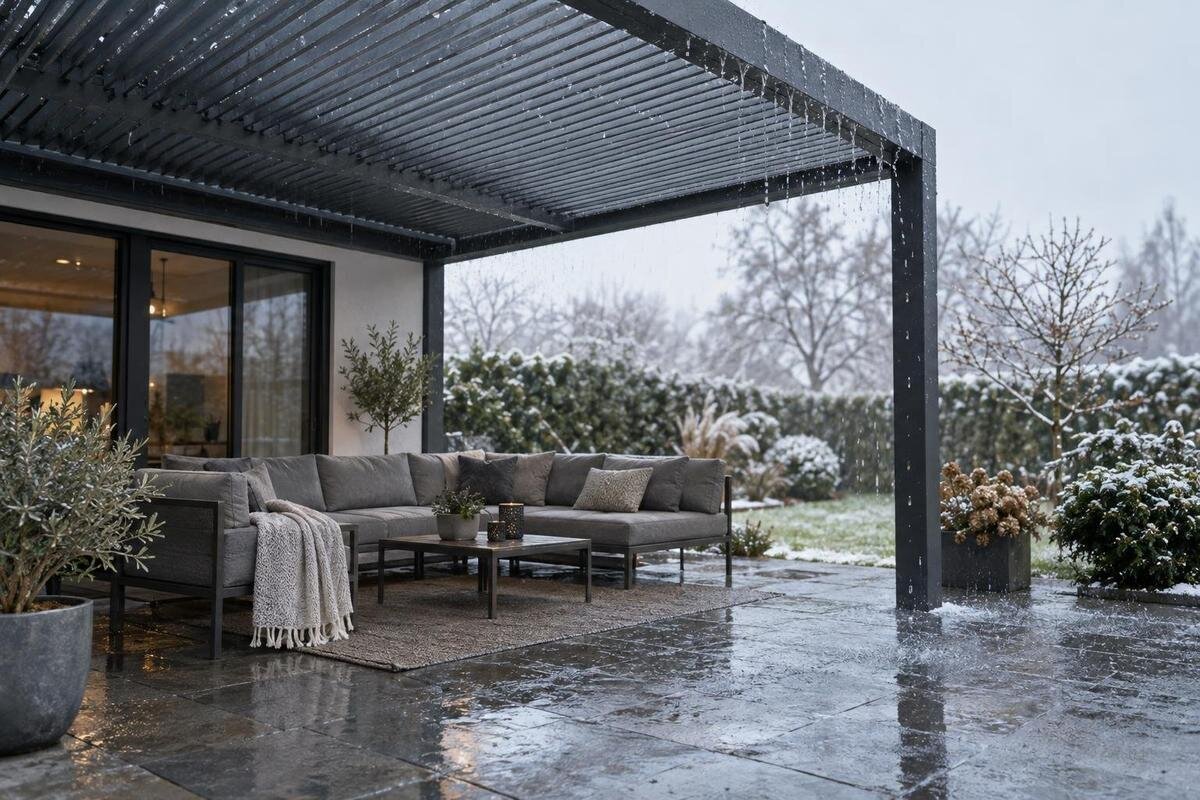
Outdoor furniture can often remain beneath a pergola, but the roof does not turn the area into a dry storeroom. Wind-driven rain can reach the sides, damp can persist in still air, and a furniture cover may hold moisture against fabric. The answer depends on the structure’s exact roof and side setup, the position of each item and its care instructions. Treat frames, cushions and other soft furnishings separately.
How much shelter does a pergola provide?
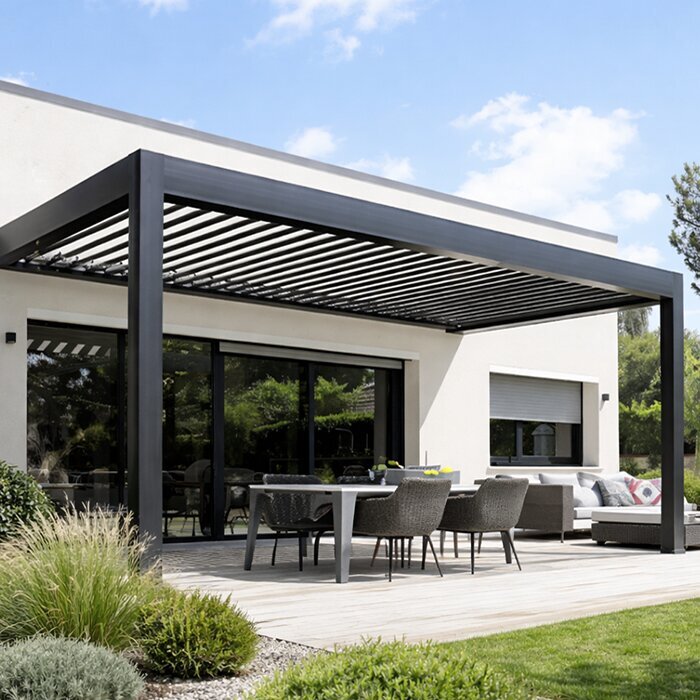
Treat a pergola as partial shelter rather than a dry room. Its roof may reduce direct overhead rain and sun, but open sides can leave furniture exposed to rain carried by wind, splash from paving and damp air. The actual protection depends on the roof design, its operating position, the direction of the weather and where each item sits. An outdoor-rated chair frame may cope better with being left outside than its cushions, moving parts or decorative finish. Assess the parts of a setting separately rather than calling the whole arrangement weatherproof. If you are considering the Bloomcabin Wall-Mounted Pergola, assess the furniture layout alongside the roof and side configuration, rather than treating everything beneath the roof as equally sheltered.
Judge the sheltered area from what happens on the ground, not from how broad the roof looks. After an ordinary shower, compare furniture near the open edges with pieces closer to the centre. Notice whether water arrives from above or from one side, and whether damp remains after the surrounding area has dried. One calm shower is a poor test of year-round exposure. Furniture intended for outdoor use may be convenient to leave in place if it dries between showers and its care instructions allow this. Persistent damp or signs of deterioration are reasons to store vulnerable pieces or change the routine, even if most of the setting appears well sheltered.
Rain direction matters as much as the roof
Rain falling into a sheltered part of the footprint is different from rain driven sideways beneath the roof. The direction of the wind changes which edge is exposed, so a seat close to an open perimeter may get wet while the middle stays comparatively dry. Water can also run from a roof edge or splash back from paving, reaching items that were not directly beneath a drip. A tabletop, chair seat, underside and lower frame can show different exposure. Compare these locations after several showers, paying attention to where the water arrives rather than assuming all wet surfaces have the same cause.
Read the exact roof and drainage information before assuming runoff is carried away from the furniture. Check where water is intended to leave the roof, whether that path changes with the roof position, and what the maker says about drainage channels. When planning a layout beneath the Bloomcabin Pergola, distinguish the listed footprint from the area that remains sheltered during wind-driven rain. A drainage diagram can explain the intended water route and help you assess furniture positions, but it is not a guarantee that open sides or the area below will stay dry in every downpour.
Check the roof and drainage information for the exact model
Roof configuration changes how much rain lands directly on furniture, so check the instructions for the exact model rather than relying on the generic word pergola. Fixed, adjustable and louvred roofs may manage rain differently; with an adjustable roof, the chosen position can change exposure. Do not infer watertightness from the appearance of a roof, its product title or a lifestyle image. When reviewing the Bloomcabin Bioclimatic Pergola, identify the exact product configuration and ask for its weather limits and drainage information. A roof position shown in a picture is not proof that the same setup is included or appropriate for every use. This is evidence about the structure, not a promise that furniture beneath it will remain dry.
Useful documents describe the roof’s intended operation, water path and weather limits, and clarify whether any side enclosure is part of the chosen configuration or an optional extra. Ask for the product manual, model-specific performance information and a drainage drawing; if a seller refers to a test or observation, ask which model and setup it applies to. Ask how any stated limit applies to the roof position and side configuration rather than assuming one answer covers every arrangement. Keep that evidence separate from winter operation: furniture may need to be moved even when the roof is being used within its instructions, and moving furniture does not make it appropriate to operate the roof outside those instructions. If site conditions or a proposed enclosure are unclear, ask the manufacturer or a qualified installer about the exact arrangement.
Condensation can damp furniture without rain
Rain is not the only source of wetness. Moist air can leave condensation on cooler roof surfaces, furniture or textiles, while poor air movement can slow drying. A pergola may be open to the weather and still have pockets where damp lingers, particularly around stacked pieces or close-fitting covers. Side screens and other enclosure choices can alter airflow; they do not automatically prevent condensation. Look for moisture under cushions, around seams and on the underside of table tops, not just on surfaces that are easy to see. If several surfaces feel damp without an obvious rain path, note that pattern too. A dry-looking roof does not prove that every piece is drying well.
Check furniture early in the day and after damp spells, then lift cushions or covers to see whether the underside is dry. Give wet pieces room to air, and dry them in the manner allowed by their maker; do not seal damp textiles away or leave a cover sitting tightly over a wet seat. If you are considering an enclosure for the Bloomcabin Bioclimatic Pergola model, confirm what is included and how the specified layout affects ventilation. Consider both rain exposure and drying conditions: reducing water entering from the sides does not necessarily resolve moisture lingering beneath cushions or covers.

Furniture materials have different care needs
Furniture material changes how much shelter is worthwhile. An outdoor-use label is useful, but it is not a promise of zero maintenance or equal performance across every finish. Timber can change appearance with exposure and needs care suited to its finish; metal should be checked for damage to its finish and for moisture around joints; plastic, resin and woven materials vary by construction and care requirements. Natural fibres may have different limits from synthetic ones, while fabric panels can retain moisture at seams. Do not assume that two pieces that look similar will weather the same way. Follow each maker’s cleaning and storage guidance, and inspect feet, fixings and undersides as well as visible surfaces.
Use that guidance to sort items into frames that can stay out, pieces that need periodic protection, and items that should be stored when not in use. Keep a record of what changes first—such as fading, swelling, corrosion, loose fibres or a finish becoming dull—so you can adjust the routine early. The Bloomcabin Pergola size range, from 9 to 24 m², provides a starting point for planning the layout, but area alone does not tell you whether a furniture finish tolerates sun, rain or damp. Place more sensitive pieces in the most sheltered position available, while leaving enough room to inspect and dry them.
Cushions and soft furnishings need separate care
Cushions and other soft furnishings often need a different routine from the frame below them. Fabric covers, seams, foam and fillings do not all absorb or release moisture at the same rate; a surface that feels dry can hide damp in a seam or underneath. Check the label for whether the item is intended to remain outdoors, its cleaning method and storage advice. Removable cushions are easier to take inside or place in suitable dry storage than built-in upholstery. Do not assume a cushion described for outdoor use is intended to stay exposed through every wet period. If in doubt, follow the maker’s instructions and use the pergola as a place to use the cushions, not necessarily to store them.
After use, put cushions into suitable storage if rain is expected or if the sheltered area remains humid. Dry them fully as directed before stacking, and give both sides room to air. If you cover them in place, lift the cover regularly so moisture is not trapped, and make sure the cover is suitable for that fabric. Separating cushions from seat frames gives each part a chance to dry. For built-in seats or large accessories that are difficult to move, check the maker’s advice rather than assuming they need the same care as loose cushions. A routine you can keep up is more useful than a cover that stays in place for weeks without inspection.
When an outdoor furniture cover helps
An outdoor furniture cover can reduce some direct splash, dirt and sun exposure when a piece is not in use, but it does not turn an open pergola into an enclosed room. Choose a cover made for the furniture’s shape and outdoor use, with the ventilation and water-shedding features described by its maker. A very loose cover can move; a tight, poorly ventilated cover can hold condensation against the surface. Check that water is not pooling on top or collecting at the bottom edge. Covers are a tool for a particular item, not a substitute for following the furniture’s storage instructions or checking what weather enters from the sides.
Before buying several covers, decide which pieces genuinely need them and whether you can lift them often enough to inspect and dry the furniture. Avoid covering damp upholstery, and follow the cover maker’s advice about fastening; do not improvise a connection to pergola parts. If you are also considering a side enclosure for the wall-mounted pergola model, confirm which configurations and accessories are compatible and whether they are included. A furniture cover protects an individual item, while a side panel changes exposure across part of the space. Neither should be assumed to make the whole area weatherproof.
Plan for wind and weather while you are away
Wind affects furniture as well as the structure above it. Lightweight chairs, cushions and covers can shift or lift, and a cover that appears secure in calm conditions may move when gusts reach it. Do not assume a pergola’s documented weather limits apply to furniture, umbrellas or loose accessories; these are separate items with their own instructions. Store or secure portable pieces as their makers direct, and remove anything that should not be left unattended. If furniture is too heavy or awkward to move safely, plan its position and storage before the wet season rather than waiting until poor weather is imminent.
Build an absence routine around what you can do safely: take cushions inside, check lightweight accessories, and use only the furniture’s intended stacking or folding method. Keep the pergola operating instructions separate and do not force or override its parts. If you are considering the Bloomcabin wall-mounted model, include furniture storage in your planning as well as the roof’s operating requirements. The pergola’s weather limits do not tell you which loose items can safely remain beneath it. If severe weather is forecast, follow current local guidance and move portable items to a sheltered place when it is safe and practical to do so.

Observe how your own site behaves
A short observation log turns a vague judgement into a repeatable one. Note the date, whether rain was driven from a particular side, which furniture pieces became wet, and how long they took to dry. Add a check after still, humid conditions, because moisture without visible rain can point to condensation or slow airflow. Look at the same points—the outer and inner seats, table top, chair feet, cushion seams and undersides—so comparisons are useful. You do not need specialist measurements for this household check; it records what the furniture experiences, not the pergola’s structural performance. Repeat the checks in different seasons, as sun angles and weather direction can change which parts are exposed.
Recheck after a meaningful change, such as moving furniture, changing the roof position, adding a side screen or altering nearby planting. A screen can block some rain yet also change ventilation, so observe its effect rather than assuming it will improve every condition. If furniture stays damp for long periods, ask the manufacturer or installer about the exact roof and side configuration, drainage paths and any model-specific weather limits. Keep the question narrow: what does this combination of roof, enclosure and placement provide? A general product description or another household’s experience cannot establish how dry your own furniture will stay.
Year-round storage choices for each item
Group furniture by how well it tolerates exposure. Leave a frame in place only if its own instructions permit outdoor use and your observations show it dries between wet spells; remove cushions and sensitive accessories more often; store items that remain damp or show early deterioration. This need not be all or nothing: chairs may stay beneath the roof while their pads go indoors, and a cover can be reserved for a particularly exposed piece. Set a check interval that suits how often you use the area, with an extra inspection after wind-driven rain or a long damp spell.
Review the routine whenever you change the furniture layout, roof position or an enclosure. When comparing the Bloomcabin Pergola product listing with your planned setting, allow room to lift covers, remove cushions and reach the pieces that need regular attention. Decide in advance where cushions and lighter items can go, and keep covers accessible rather than permanently fitted. The most convenient arrangement is one you can maintain when the weather changes, not simply one that fits beneath the roof. If an item needs frequent attention to stay in good condition, storing it indoors may be simpler than trying to make the pergola behave like a shed.
Frequently asked questions
Will a pergola keep my outdoor furniture dry?
Not necessarily. A roof can reduce direct overhead rain, but wind-driven rain may enter from open sides, and water can splash up from paving. Condensation can also leave surfaces damp. Check the exact roof and drainage information, then observe the furniture in different weather.
Can I leave cushions under a pergola overnight?
That depends on the cushion maker’s care instructions and how damp the space gets. Rain entering through the open sides and condensation can reach them. If cushions get wet or stay damp, dry them as directed and use suitable dry storage rather than leaving them under the roof.
Are outdoor furniture covers needed under a pergola?
Not always. A suitable cover may reduce some dirt and rain exposure, but covering damp furniture can trap moisture, and a loose cover can move in wind. Follow the cover’s care and fastening instructions, and lift it regularly to check the furniture underneath.
Does a pergola protect furniture from winter weather?
It may reduce some exposure, but it does not remove the effects of rain, wind or damp. Check the pergola’s own instructions for winter operation, then decide what to leave outside based on each item’s care requirements and the conditions at your site.
How can I tell whether my furniture is sheltered enough?
Check seats, table surfaces, joints, feet and cushion seams after rain from different directions, then check again after still, damp weather. Note how quickly items dry. If they stay wet or show changes, store them or adjust your routine instead of relying on the roof’s appearance.
Year-round placement is a practical arrangement, not a promise that everything beneath a pergola stays dry. A mixed routine often makes more sense: leave suitable furniture frames in the sheltered area, take cushions into dry storage when needed, and use suitable covers while regularly checking the furniture underneath. Watch for side exposure, runoff and lingering damp as conditions change. If a piece repeatedly stays wet or needs constant attention, follow its care instructions and store it somewhere drier rather than relying on the appearance of the roof.
