
What Pergola Information Should You Give Your Insurer?
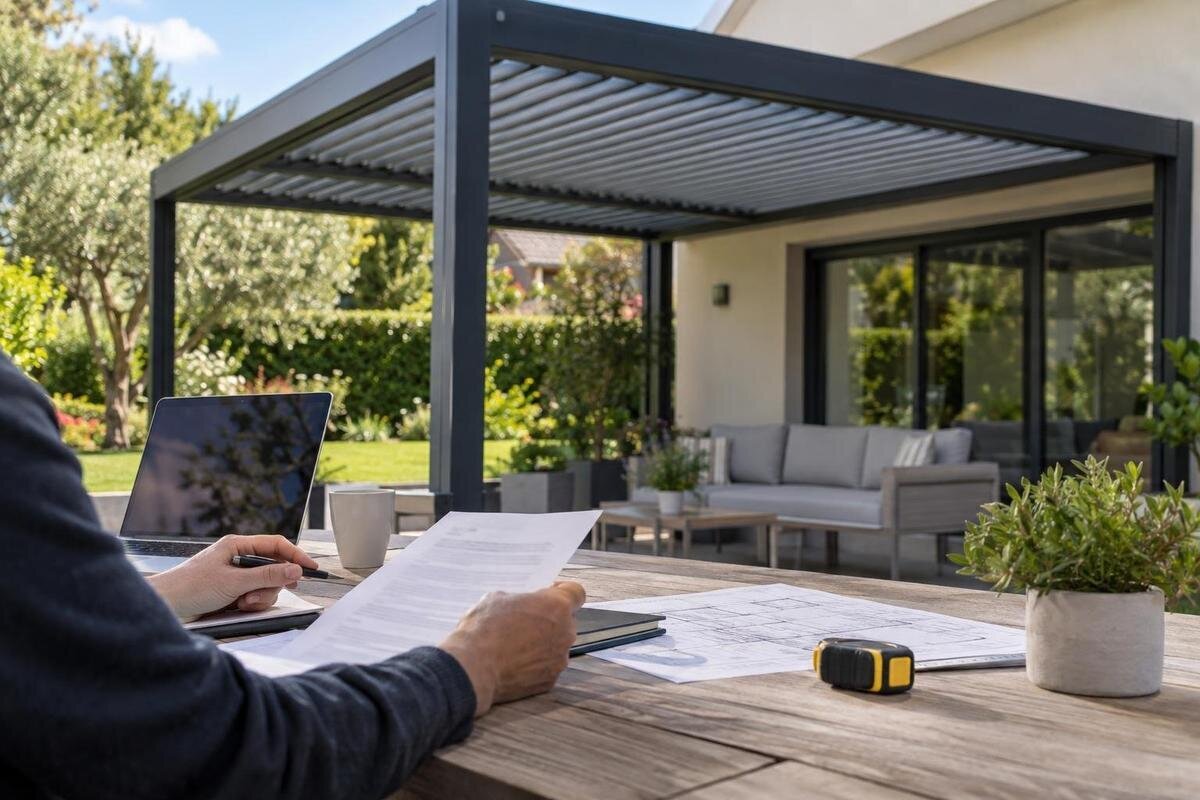
Pergola insurance
Before speaking with your insurer, assemble a factual description of the pergola as proposed or built: where it sits, how it is supported or attached, its roof arrangement, included equipment, installation scope and cost. Send the current drawing and quote or contract, and say whether the work is planned, under way or complete. Then ask how your particular policy treats the structure, when any cover could apply and which limits, exclusions or conditions matter. Do not assume a pergola is covered simply because it is attached to the home, sold as an outdoor structure or shown on a product page. Only your insurer can confirm the terms that apply to your policy.

01
When to contact your insurer and what to ask
Start by identifying what stage the project has reached and the reason for your enquiry. A plan before ordering is not the same record as a pergola already delivered, being installed or completed, so label the status plainly. Give the policyholder’s name, insured property address and policy number if available. Add the date you are contacting the insurer, the intended purchase or work dates, and whether anyone has begun the work or stored materials at the site. If dates or specifications remain provisional, say so rather than supplying a best guess as if it were final. That lets the insurer answer against the project that actually exists.
Be specific about what you want the insurer to do: note the project, assess a proposed change, quote for an updated arrangement, or explain a claim or policy question. Ask when they expect to be told—before the order, before installation, at completion, or at another point stated in your policy—and whether you need to contact them again if plans change. Also ask how a decision will be documented: for example, a revised schedule, endorsement or written message. A premium estimate or a conversation you have summarised yourself is not, by itself, confirmation that the policy wording has changed; ask what record confirms the insurer’s position. Save the contact date, name, reference and exact answer; if you use a broker, retain the message they send to the insurer.
Describe the pergola as it will be built
Describe the proposed pergola with a current plan rather than relying on a broad label such as pergola. State whether it will stand independently or attach to a building; give the planned overall length, width and height if known, and mark the roof outline, support locations and position relative to the house on the drawing. Include the actual site address and identify which drawing revision matches the quote. If measurements came from a supplier’s plan, a builder’s measure or your own estimate, label their source and status. Do not turn a concept sketch into a final measurement or infer structural details that are not in the documents.
Give the insurer a plain-language summary alongside the drawing: proposed or finished dimensions, intended location, what it attaches to, what roof configuration is included and which options are still undecided. Include a dated, annotated site plan if the pergola is part of a larger outdoor project. If you have selected a named option such as Bloomcabin Wall-Mounted Pergola, copy the model name from your quote or order and pair it with the selected configuration; the name alone does not describe the version or work at your property. Send a revised plan if a measurement or layout changes, and clearly identify which earlier version it replaces.
02
Explain the connection to the house and the installation
Explain the relationship with the house in factual terms. State whether the frame is freestanding or attached, which part of the building it connects to, and whether the project changes an existing deck, wall, roof edge or other structure. If it is separate, say where it sits in relation to the dwelling and other structures. Include photographs or a site plan that make the arrangement clear. For an attached pergola, identify the connection shown in the installation documents rather than relying only on the phrase attached to the house. If installation details are not yet confirmed, mark them as proposed and ask the designer or installer for the correct description rather than guessing at fixings or supports.
Separate the product supplier from the person carrying out the work. Give the installer’s business name and contact details where available, who will handle site preparation, assembly and any work to the house, and the planned dates. A contract or work description can show who is responsible for each part; attach it if the insurer wants supporting evidence. If your order is for the Bloomcabin Pergola, include that name alongside the installation scope so the insurer can connect the product order with the work described. Ask whether it needs further details about the installer or relevant professional documentation. Refer technical questions about the connection or supports to a suitably qualified professional.
List the roof system and every included accessory
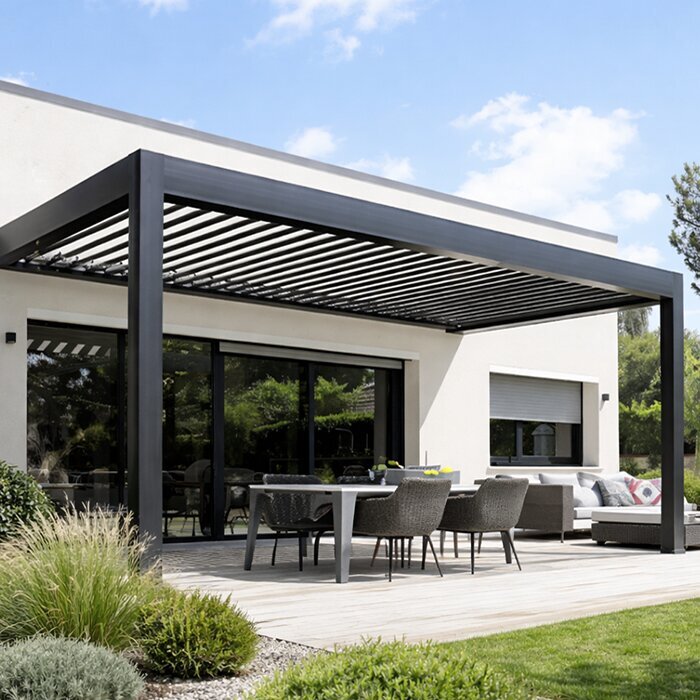
Describe the roof arrangement actually ordered or installed. For example, say whether it is fixed, retractable or has movable sections, and describe how those sections operate if this is specified in your documents. Do not list an option just because it appears in a product image. Note any controls or motorised components if included, and distinguish included features from equipment you may add later. If roof drainage, screens, side panels, blinds, lighting, heating or other items are part of the scope, list each separately and say whether it is fitted, planned or excluded. This gives the insurer a clear account of the equipment involved and a basis for any follow-up questions.
Attach an itemised configuration page or order record that identifies the precise roof and accessory package. A model name such as Bloomcabin Bioclimatic Pergola is useful for identifying a selection, but it does not establish what options appear in your quote or what equipment has been fitted. Ask whether powered equipment, controls, screens and separately purchased items should be described or valued on their own, and whether the policy treats them with the main structure or differently. If a component has not been chosen yet, label it as undecided and follow up after the final selection; avoid declaring a future option as part of the current installation.
03
Give the exact position and surrounding context
Tell the insurer exactly where the pergola is on the insured property, not just the street address. A marked site plan can show its position in relation to the house, garage or other structures and any nearby features the insurer asks about. Add clear, dated photographs from the dwelling and the wider site, particularly if the structure already exists. If the site has a slope, retaining feature, tree or other nearby condition that affects the layout, describe what is visible without deciding for the insurer what it means. Use measured distances only when you have them; otherwise say they have not been measured. A precise location lets the insurer ask relevant follow-up questions.
Make the ownership and policy arrangements clear as well. Say who owns the property, who holds the policy and whether the property is rented, jointly owned or managed by someone else, if any of that applies. Do not assume the owner, tenant, property manager or another household member has already notified the insurer. Ask who needs to make the enquiry and whether any other named party should be involved. If another person’s approval or a council document is part of the project file, describe it accurately and provide it if requested. For consent or building-approval questions, check current requirements with your local council or a suitably qualified building professional; do not guess or treat approval as insurance confirmation.
Record the purchase scope and ask how value is assessed
Send the pergola quote, accepted order or contract, plus invoices or receipts if the purchase has already happened. Explain what the stated amount includes: structure or kit, delivery, installation, site preparation, electrical work, roof equipment and other separately priced items, where applicable. If a supplier has bundled work into one figure, say that the breakdown is not available instead of inventing an allocation. If the project has changed since the quote, attach the latest version and identify the revised items. This lets the insurer see the documented cost and scope, rather than a figure copied from an earlier estimate or a product description.
Ask the insurer what value it needs recorded and how it wants you to establish that figure. The amount on a supplier invoice may describe the purchase, while the insurer may ask for a different basis; do not assume the two are interchangeable or choose a number without guidance. Check whether its question refers to the pergola alone, the completed installation or specified equipment, and what to do about future additions. A model reference such as the Wall-Mounted Pergola product page can help identify the selected item, but the order and itemised documents provide the project’s actual costs. Keep all versions so you can explain how the declared amount was reached.
04
Document the installation timeline and responsibilities
Set out the work sequence in simple dates: when materials will arrive, when installation is expected to start and finish, and whether the project will be completed in one go or in stages. If dates are not fixed, mark them as estimates. Identify who will deliver or store the components, who will carry out assembly and any separate trades involved, as far as known. Keep the supplier’s scope separate from the installer’s scope; buying the structure does not tell the insurer who is responsible for setting it up. If the pergola is already on site, state where it is being kept and whether work has begun, rather than leaving the insurer to infer that from delivery dates.
Ask directly how the insurer treats the period before completion. Ask whether the existing policy applies to materials in transit or storage, work in progress, or only a completed structure; do not assume one answer applies to all stages. Check whether it needs a contractor’s details, an installation record or another document when the work is finished. Keep delivery notes, contracts, invoices and dated messages together under the model name on your order, such as the Bloomcabin Pergola model, and record the actual dates as work progresses. If the insurer requests a completion update, distinguish the delivery date from the date installation was finished and identify any work still outstanding.
Keep drawings, approvals and photographs together
Put the paperwork into one folder, with a clear label for the property and project date. Useful records include the latest plan, site plan, configuration or order sheet, itemised quote, contract, invoices, installer details, manuals and any relevant approvals or correspondence. Preserve earlier drawings when a revision changes dimensions, location or accessories, but mark them superseded so they cannot be confused with the current plan. If an approval or consent document exists, keep its conditions with it; if the insurer asks whether one applies and you are unsure, say so and verify through the appropriate local source. Do not present a supplier brochure as a substitute for a site-specific plan.
Take photos before work begins and after completion if you can do so safely: show where the pergola sits, its relationship to the house and wider property, and the included equipment in place. Keep original images with dates and note what is shown and from which side, rather than relying on memory later. For a Bloomcabin wall-mounted pergola, use the model and order details on your paperwork to label the photographs and link them to the correct drawing revision. If something is hidden once work is complete, retain the relevant pre-installation record or ask the installer what documentation is available. Send the records the insurer requests and retain a copy of what you provide.

05
Report changes and retain records after installation
Contact the insurer again when a material fact changes: the position, dimensions, attachment, roof system, equipment, installation date or project cost. Record when the change was agreed and whether it is a temporary variation or the final configuration. Send a dated revised drawing or order record, highlight what changed and ask whether the answer previously given still applies. Examples include adding a screen or lighting later, changing the roof options, relocating the structure or replacing components after damage. A small-looking change can alter the information the insurer has on file, so use the insurer’s stated notification process rather than deciding for yourself that it is immaterial.
After installation, keep the product and installation documents, maintenance records, repair invoices and photographs with the policy correspondence. Follow the instructions supplied for the equipment, and record the dates and details of maintenance or repairs. If there is damage, note the date and visible facts, take photographs where safe, and ask the insurer what evidence it needs and whether it wants to inspect before non-urgent removal or repair. If your order identifies a Bloomcabin Bioclimatic Pergola, include its selected configuration in the report and state which components appear affected. Describe the event and what you can observe without guessing at the cause.
Ask clear questions about cover, limits and exclusions
Turn the discussion into precise questions rather than asking only whether it is covered. Ask which policy or section, if any, applies to this pergola; whether it is treated differently because it is attached or separate; when any cover would start; and whether the answer changes while the work is under way. Ask about limits, excesses and exclusions, and how the wording addresses events relevant to your site, such as storm, wind, water entry, earthquake, fire, theft or accidental damage. Also ask whether the policy’s liability provisions are relevant if someone is injured or another person’s property is damaged. These are matters to clarify, not benefits you can assume your policy includes.
Ask the insurer to point you to the wording, schedule or written endorsement that records its answer, and confirm any conditions you need to meet, documents it still requires and the date the decision takes effect. If the reply is general, ask for a response based on your installation and equipment details. Include the Bloomcabin Pergola product reference alongside your order number and selected configuration so the response clearly identifies your project. Keep the final response with the drawings and contract, and note when to report completion or later changes. If the wording remains unclear, ask the insurer or broker to clarify before relying on it.
Frequently asked questions
Does home insurance automatically cover a pergola?
Do not assume it does. Whether a particular pergola is covered, and on what terms, depends on your policy and the insurer’s response. Describe the structure and its location, then ask for confirmation in writing rather than relying on a general assumption.
What should I send with my first enquiry?
Send the latest drawing and site plan, an itemised quote or order, the expected work dates, and the installation scope. Add photographs if the pergola is already on site or complete. Mark any measurements, options or dates that are still provisional.
Should I tell the insurer if the pergola is attached to the house?
Yes. State clearly whether it is freestanding or attached, and show the relationship to the house on a plan or in photographs. Do not assume that attachment automatically places it under a particular part of your policy; ask how your insurer treats that configuration.
When should I contact my insurer?
Contact them early, ideally before ordering or starting work, and ask when they need to be notified. Update them if the design, dates or installation arrangements change. There is no single timing rule to assume, so check your policy or ask the insurer.
What if I add roof accessories later?
Tell your insurer about later additions and ask whether they affect the policy, the recorded value or any conditions. Keep the updated order, invoice and configuration details, and follow the notification process the insurer gives you.
Good insurance information is a project record, not a sales description: it names the site, structure, roof, equipment, installation stages and documented cost, with drawings and dated records to back each point. Tell the insurer what is final and what remains provisional, then keep its written response beside the policy documents. Ask again when the finished pergola or later changes differ from what you first described. Most importantly, treat cover as a question for the insurer and the wording of your own policy—not as an automatic result of buying, installing or attaching a pergola.
