
Prepare Your Greenhouse Delivery Safely

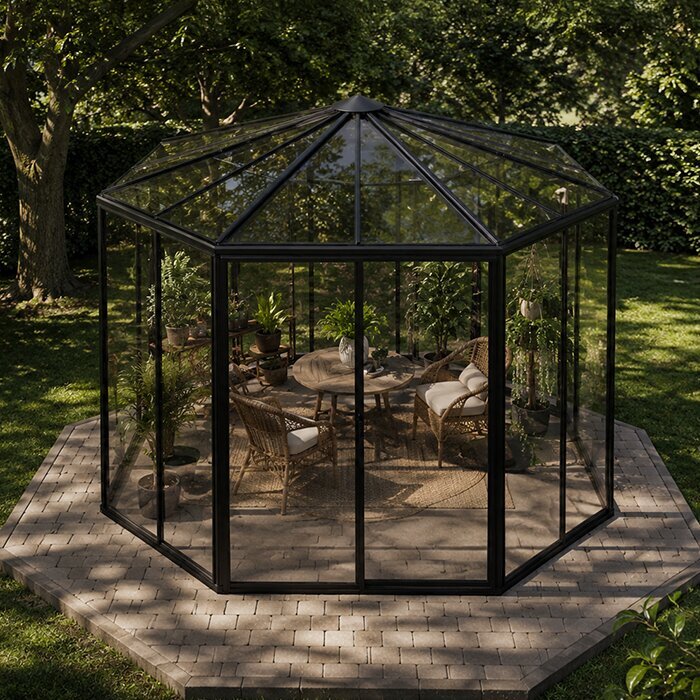
Delivery guide
In brief: plan your delivery well
Plan your greenhouse delivery backwards from the unloading point: can the delivery vehicle reach the accessway, can packages be set down safely, and is there room for a joint visual check? Discuss any special conditions with the appointed delivery partner early and keep the route clear on delivery day.
Do not accept the shipment unchecked into a cluttered corner of the garden. Compare the number and external condition of packages with the delivery documents, record visible differences, and store everything dry, level and clearly sorted until assembly. This creates a sound basis for the next stage.
01
Access
Check the route, clearances, turning points and possible obstacles from the roadside to the unloading area early, in realistic weather conditions.
02
Handover
Arrange for someone to be present, keep paths clear, and allow time for the delivery note, package count and recording obvious packaging damage.
03
Temporary storage
Store packages dry, level and off the ground; keep labels visible and do not separate accessories from their related packages.
Prepare Your Greenhouse Delivery Safely: From Access to Package Checks
A greenhouse arrives in several manageable packages, some of which may be long or heavy. On narrow sections, in built-up neighbourhoods or where accessways are unsealed, preparation determines whether handover is calm and easy to track. Treat delivery as a planning stage in its own right, not simply an appointment before assembly.
Start with a realistic view of the whole route: from the public road through the driveway, gate and garden path to the planned unloading point. Measure critical pinch points and remove obstacles that can be moved beforehand. Remember parked vehicles, wheelie bins, branches, building equipment and slippery surfaces.
A protected place between handover and assembly is equally important. Packages should remain organised, dry and accessible for later installation. Keeping packaging, delivery papers and photos properly matched from the start helps identify missing or unusual items early and avoids rushed searching on assembly day.
01 · Before delivery day
Trace the full access route
Good planning starts at the road, not at the garden gate. Walk the likely delivery route and note every point where width, height, slope or ground conditions matter. A tight bend can be as relevant as a low branch fork or soft verge. Photos help you describe special features precisely when asking questions.
Remember that the actual delivery depends on the agreed dispatch and transport arrangements. Do not assume a vehicle can, or is permitted to, use every private drive. If direct approach seems uncertain, plan a suitable handover point and the onward route to the garden with enough helpers and appropriate moving equipment.
Measure gate widths, narrow passages and overhead clearances; also mark cables, branches and projecting building elements.
Move vehicles, bins and loose garden furniture so there is a continuous, safe walking route on delivery day.
For planning the site of a freestanding model, look at standard Classic greenhouses before setting the delivery route.
02 · Unloading point
Create a clear handover area
The unloading point should be close enough to the final site without blocking the driveway or a passage. Choose an area that is as level, firm and clean as possible. Gravel, lawn or recently softened ground can make controlled unloading harder. If needed, have suitable supports ready so cartons and profiles do not sit directly on wet or dirty ground.
Allow enough room around the packages. During handover, packaging must remain visible, delivery papers accessible and people able to stand safely. An unloading area beside a steep edge, beneath dripping gutters or in the middle of a tight building site is unsuitable. Relocate it in advance rather than improvising on the day.
Keep tools, wheelbarrows and planters out of the unloading area so packages can be placed neatly beside each other.
Provide secure footing and good visibility; in rain or fading light, cover and extra lighting make checks easier.
If your project is planned against a wall, compare full-size standard lean-to greenhouses with the available unloading space.
03 · Organisation
Clarify delivery-day responsibilities
Decide in advance who will accept delivery, who can help if needed and who will check the documents. One person can do these jobs, but should have enough time. Tell everyone involved the arrival window, access route and unloading point. A reachable phone number and clear plan avoid unnecessary trips if access needs last-minute coordination.
If you arrange help to move packages across the property, ensure there are enough adults and that long items are handled safely. Do not lift in haste or drag packaging over hard edges. When uncertain, it is better to store goods neatly at the handover point than force a risky move to the final location.
Have the delivery note, pen, smartphone and a list of check points ready before handover begins.
Tell helpers about trip hazards, slopes and the rule that packages are moved together and under control.
When choosing a freestanding kit, you will find standard Classic greenhouses as useful starting points for planning.
04 · Package check
Check the shipment visibly and systematically
Take time for an external check at handover. Count delivered packages and compare them with the available paperwork. Inspect cartons, wrapping and edges from all sides. Pay particular attention to punctures, severe deformation, open packaging, moisture or marks that may indicate unsuitable loading or handling.
Photograph clearly visible issues immediately and record them clearly through the intended handover process. Do not sign anything you do not understand. Visible packaging damage does not automatically mean material damage, but it should be recorded before unpacking. Keep documents and image files together with the shipment.
Photograph the overall view, package labels and any unusual areas in good light, without making damage worse by further opening.
Compare package numbers and markings with delivery papers; record differences objectively, fully and promptly.
For an installation planned close to a wall, full-size standard lean-to greenhouses help consider space requirements and the package route separately.
05 · Temporary storage
Store materials dry, level and sorted
Not every delivery is assembled on the same day. For temporary storage, choose a dry, preferably covered place with level ground. Protect packages from standing water, splashing dirt and prolonged direct weather exposure. A breathable, secure cover can help if it does not trap moisture or place weight on vulnerable edges.
Open packaging only as far as needed for a necessary check, and retain labels and package associations. Do not rearrange packages based on guesswork. Small fittings, seals and documents belong labelled with the matching components, not loose in the workshop or garage. This keeps assembly later understandable and complete.
Support packages so they do not lie directly on soil or puddles and air can circulate beneath them.
Store long profiles straight and supported, without placing other heavy items on them or stacking cartons unnecessarily.
For a freestanding garden option, you can compare standard Classic greenhouses with storage space in mind too.
06 · From package to site
Plan on-site transport realistically
The route from the unloading point to the foundation is often underestimated. Measure more than width: check steps, thresholds, loose pavers, slopes and tight changes of direction. Especially long packages need extra room to turn. Draw the route or mark it out in the garden with a tape measure before the packages arrive.
Choose aids suited to the surface, such as a suitable trolley for firm paths. Not every aid works equally well on lawn, gravel or stairs. Secure the load, keep hands clear of pinch points and wear suitable footwear. Moving packages onward must not damage them or affect planting beds or prepared foundation areas.
For steps or narrow turns, plan controlled hand carrying and enough breaks instead of risky one-person manoeuvres.
Protect edges when setting down packages and never lay long packages across routes that remain an escape or access way.
For projects along a house wall, full-size classic lean-to greenhouses provide a clear basis for route planning.
07 · Link with assembly
Coordinate delivery and assembly
Delivery planning does not replace assembly preparation, but the two should work together. Check that the foundation, work area and access remain reachable until installation time. Do not store the shipment on the future work area if it would need moving again before starting. A clear space for tools, sorting and safe movement saves time and unnecessary handling on assembly day.
Read available assembly instructions in good time without unpacking or mixing parts prematurely. They often suggest a practical order for making packages ready. Before assembly, check again that the storage area and components are dry and all documents are still present. Any questions about issues should be resolved before installation.
Keep the foundation and adjacent work area clear so the shipment does not need to be moved repeatedly.
Arrange packages by their markings and open them only for the intended assembly step, not simply out of curiosity.
Anyone preparing a freestanding model will find standard Classic greenhouses in a suitable product overview.
08 · Special conditions
Ask early about difficult conditions
Narrow accessways, sloping properties, building sites, shared areas or temporarily closed routes need particularly early coordination. Describe the situation specifically and, where helpful, send measurements or clear photos through the stated contact channels. Also establish who is responsible for access to gates, yards or shared areas. Verbal assumptions are not dependable delivery planning.
Have an alternative unloading and storage plan when weather could cause problems. Before delivery, make sure routes are clear, free of ice and firm enough. If resource consent or shared-access agreements may be relevant, contact the local council or property manager. Ask for project-specific guidance based on your site and proposed greenhouse.
Keep an alternative dry storage area ready if the original space becomes unavailable through rain, building work or access obstacles.
Clarify shared accessways and temporarily blocked areas early with the responsible people or relevant management.
Where wall-side space is limited, discover full-size standard lean-to greenhouses as a planning option.
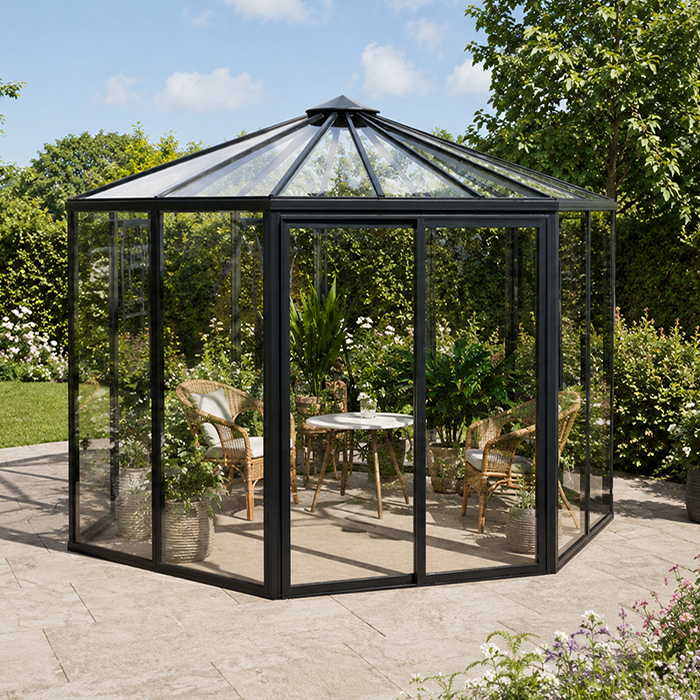
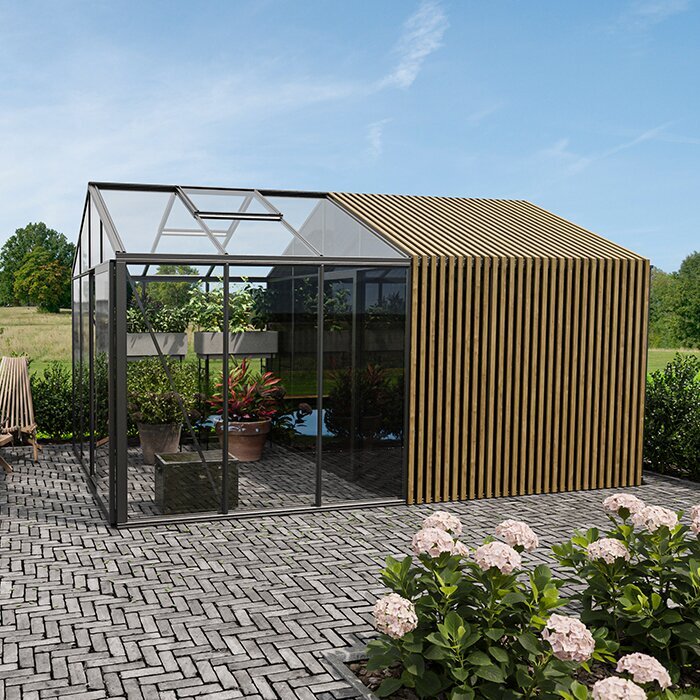
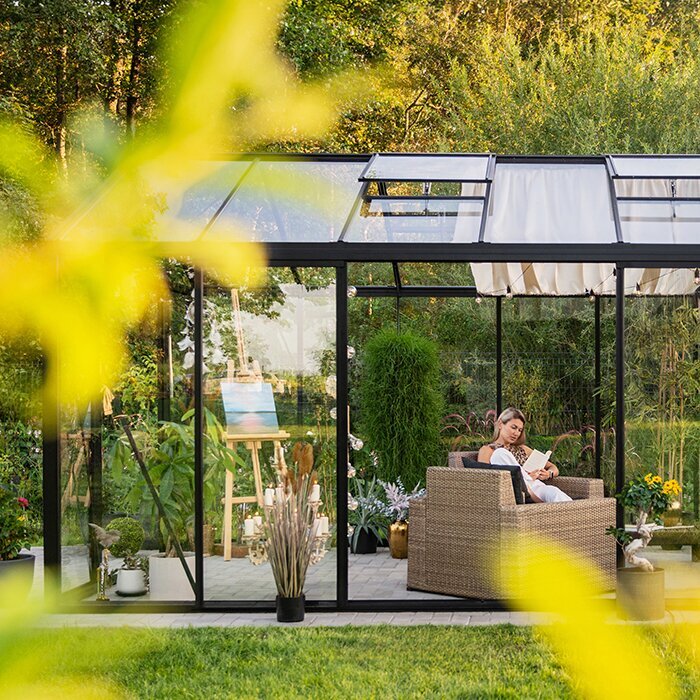
Delivery readiness: typical situations compared
The right preparation depends less on a general rule of thumb than on your property. This overview shows what to consider in common situations before arranging greenhouse delivery.
Direct driveway to the garden
Check clear width, turning space and firm surfacing in advance.
Place packages in order, leave labels visible and document their exterior immediately.
Narrow townhouse section
Measure pinch points; prepare the handover point and hand-carry route in detail.
Choose a dry space near the route so packages do not need repeated moving.
Slope or steps
Assess gradients, steps and safe carrying routes; allocate helpers early.
Do not store near edges; prevent sliding and use level supports.
Assembly later
Do not confuse or block the unloading area with the future work zone.
Store protected from weather, dry and sorted; leave documents with the packages.
Shared access
Coordinate access times and possible obstacles with responsible parties early.
Choose storage only if it is usable, safe and does not inconvenience others.
Your process for a well-prepared delivery
Work through these steps a few days before handover. This reveals practical or organisational gaps while they can still be solved without pressure.
01
Walk the delivery route
Walk from the road to the unloading point. Measure pinch points and check gates, bends, ground, slopes and possible obstacles.
02
Mark the unloading area
Define a level, clean and easily reached space. Leave room for handover, package checks and safe onward transport.
03
Arrange helpers and equipment
Name a responsible person and arrange support if needed. Check which transport aids suit the actual surface and route.
04
Prepare check documents
Have delivery papers, a pen and smartphone ready. Decide how package numbers, visible issues and photos will be recorded in order.
05
Prepare storage
Set up a dry, level temporary storage place. Support and protect packages suitably, and keep assembly markings visible.
Greenhouse delivery checklist
A final check the day before prevents many avoidable interruptions. Adapt this list to your property and agreed delivery arrangements.
01. Access from the road to the garden checked, including gates, bends, branches and parked vehicles.
02. Unloading space chosen level, clean and large enough; paths remain clear for people and packages.
03. Ground at the unloading point checked for wetness, soft spots, trip hazards and possible slipping.
04. A reachable, briefed person arranged to accept delivery; help planned if longer or heavier packages require it.
05. Delivery papers, smartphone and pen ready for package counts, exterior checks and photographic records.
06. Dry temporary storage prepared, with supports against ground moisture and room for visible markings.
07. Route from unloading point to foundation measured; steps, slopes and tight turns realistically considered.
08. Contact channels known; special access conditions or shared areas agreed in advance.
Frequently asked questions about greenhouse delivery
Do I need to be home for delivery?
Personal acceptance is generally sensible because you can check package numbers and visible external condition directly. If another person takes delivery, they should know the unloading point, documents and recording process. Please confirm which acceptance options are available in your case with the responsible delivery partner.
What should I check at handover?
Count the packages, compare markings with delivery papers and inspect packaging for clearly visible damage, moisture or open areas. Photograph anything unusual in good light and record it through the intended handover process. Keep the delivery note, photos and packaging organised until the matter is clarified.
Can I store the packages in the garden?
Yes, if you prepare a dry, level and preferably sheltered place. Packages should not sit directly on damp soil or be placed under load. Keep markings visible and ensure the goods can later reach the assembly area without another risky move.
What should I do if packaging is damaged?
Record the condition immediately with clear photos and note the issue through the handover process. Do not rush to open or assemble affected parts if clarification is needed. Contact the stated point of contact with delivery-note details, package markings and images so the next steps can be assessed.
How much space should the unloading point provide?
The area should hold the packages without blocking the driveway, home access or working routes. You also need room to inspect packaging from all sides and move it safely. The exact area depends on the ordered version and package sizes, so use the relevant documents as your guide.
Must the final site be ready before delivery?
The final site need not be ready for assembly on delivery day, but plan the foundation, transport route and storage area together. Do not put packages on the future work area. Check with your council or relevant property manager if the project may affect boundaries, shared areas or building requirements.
View greenhouse options
Good preparation keeps assembly organised
Carefully planned greenhouse delivery creates clarity before the first component is assembled. Clear access, a firm unloading area and systematic package checks prevent avoidable stress. With dry, sorted temporary storage, materials and documents remain easy to reach until assembly day.
Take time to view your property from the delivery perspective, from the roadside to the foundation. When access, unloading and responsibilities are clear beforehand, you can manage handover with focus and continue your Bloomcabin greenhouse project on a reliable organisational footing.
Discover suitable greenhouse solutions and include the delivery route, site and assembly preparation in your decision from the start.
