
Bathroom privacy glass: frosted, patterned or reflective?
Planning a bathroom window
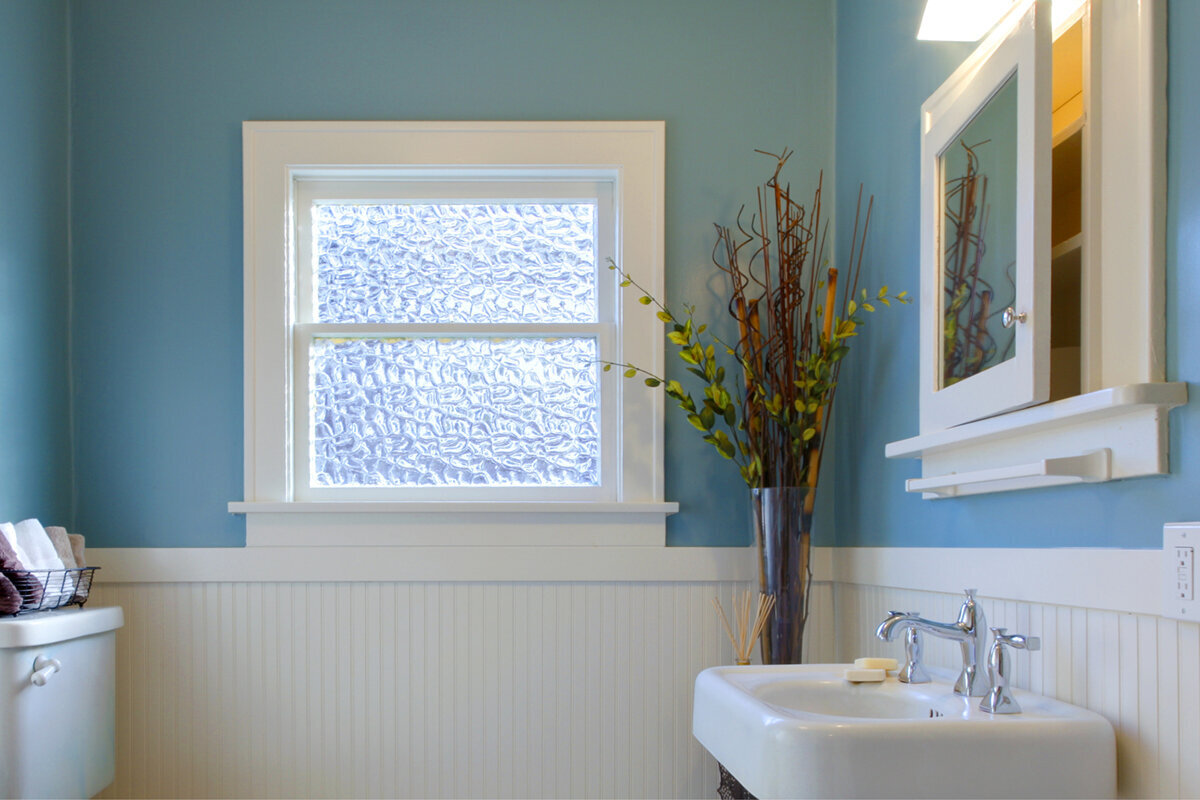
A bathroom window must solve two jobs at once: it should bring daylight and fresh air into the room without leaving occupants feeling overlooked at the basin, shower or bath. The choice therefore involves more than simply asking for “obscure glass”. Frosted, patterned and reflective glass create privacy in different ways, and each responds differently to backlighting, darkness, cleaning and close views. The most reliable choice matches the window format, opening type, room use and actual sightlines from a neighbouring property or pavement. Check the critical viewing directions before selecting a glass design to avoid a bright bathroom window that feels too transparent in the evening.
Compare the viewing situation, not only the glass name
Start with a brief assessment of the installed or planned window. From where can people see the glazing: an opposite house, a side garden path, a higher flat, or only directly beside the façade? A window above the bath can offer different privacy from a low window beside the toilet, even with the same glass. Also note whether curtains, plants or an external screen are permanently in place or only help occasionally. These additions should not be the sole barrier where the bathroom is used regularly. A view in ordinary daylight is not enough; assess the situation with the bathroom lights on and dusk falling outside.
Then use a simple order of priorities: privacy at the most critical location first, desired light second, then appearance and maintenance. Many buyers assess only how glass looks from indoors. For privacy, however, the outside view matters just as much. When choosing samples, ask to see them against light and dark backgrounds and from several distances. A nearby silhouette, a hand directly behind the glass and a person in the middle of the room all create different impressions. Ask the supplier to specify the exact glass design in the quotation rather than accepting a general reference to “privacy glazing”. This keeps the order clear even if the frame, window size and opening direction are agreed later.
Frosted glass for a calm, even surface
Frosted glass diffuses incoming light through its treated surface. From outside, bathroom outlines usually appear soft, while the glazing reads as an even, light surface. It suits understated bathrooms where the window should not become a decorative feature. The room remains noticeably bright, but views out are restricted just as views in are. This can be especially welcome in a small bathroom, where the window still supplies light without making a busy exterior view part of the design. Transparency and blur vary by specification, so neither a photograph nor the general term “satin-finished” replaces a real sample.
It is also practical to ask which side carries the treated surface and how this fits your cleaning routine. Limescale splashes, soap residue and fingerprints may show differently on a frosted surface than on smooth clear glass. Discuss the intended glass orientation, suitable cleaning products and whether the surface will receive more wear indoors or outside. A single casement window opening inwards may suit a compact bathroom, for example, but the glass choice changes neither its opening arc nor the space required by the sash. Plan the clearance from tall cabinets, the basin and towel rails together with the glazing instead of treating these decisions separately.
Patterned glass: texture, outlines and moving light
Patterned glass creates privacy through its texture rather than a uniformly frosted appearance. Depending on the pattern, it can break light dynamically, emphasise vertical lines or echo the character of historic glazing. This makes it an appealing option where a bathroom window may remain visible but should not allow a clear view through. However, “patterned glass” is not one consistent level of privacy. A finely textured pattern can look very closed from a distance, yet reveal clearer shapes at close range or in strong backlight than a deeper relief. Compare not only the patterned side, but always the selected glass in its intended orientation.
In renovations, the texture can also shape the relationship with existing windows. A outward-opening traditional Kombi casement window initially describes the window configuration and style, not the required pattern. Establish separately which glass design suits the elevation, existing glazing bars and the other windows. Glazing bars and patterned glass can look full of character together, yet too many lines and textures in a small window area may also appear restless. Ask for an elevation drawing at the intended scale, or hold samples against the planned opening. This shows whether the texture will read in the bathroom as a quiet filter or a dominant decorative feature.
Reflective glass is not a dependable night-time solution
Reflective glass can create a mirror-like effect in bright outdoor conditions and make views from outside more difficult. Its performance, however, depends on the difference in brightness outside and inside. When it is dark outdoors while the bathroom lights are on, the inside is often brighter than its surroundings. A strong daytime mirror effect must therefore not be treated as reliable privacy. In a bathroom used in the morning and evening, choose reflective glass only after considering the lighting conditions. An exterior light, illuminated courtyard or streetlight can alter the result further, making general claims even less useful.
Reflective glazing can be appropriate where the daytime appearance, sunlight or a particular façade effect is the priority and an independent indoor solution is planned for the evening. This could be a suitable blind, internal privacy screen or structural shielding; ease of use matters too. Anyone who has to remember a screen after showering will not always use it. Ask the practical question: what can people outside see when only the bathroom ceiling light is on in the evening? Do not accept a comparison made only in daylight. Where dependable privacy throughout use takes priority, frosted or appropriately textured alternatives are usually the more direct starting point.
Distribute daylight deliberately, rather than simply seeking brightness
Privacy glass does not automatically deprive a bathroom of daylight, but it changes its character. Clear glass gives an open connection to the outside and more focused light patterns. Frosted glass spreads light more softly around the room. Patterned glass can divide shadow and light more strongly, depending on its texture. The more useful effect depends on room depth, wall colours and window position. In a narrow bathroom, a bright diffuse surface may feel more pleasant than a limited view of a nearby wall. In a larger bathroom with a sheltered setting, the connection with outdoors may be a genuine advantage. Judge glazing in relation to the whole room, not in isolation at a sample stand.
Window geometry is also an effective design tool. A higher fixed toplight can bring in daylight while offering less visibility than a low window. Fixed-glazed windows are an option where no opening function is needed at that point; they do not resolve ventilation or escape requirements, which must be considered separately in the overall design. In a combination of fixed and opening sections, the glass type can have a different purpose in each: greater privacy below and potentially more openness above. Whether such a division suits the design and technical arrangement should be clarified early with the window plan and installation situation.
Ventilation and privacy belong in the same plan
A closed window can provide privacy, whereas an open one cannot. This simple fact is often overlooked when choosing glass. Anyone who ventilates thoroughly after showering needs a plan for the open window: is the opening at a protected height, is side-on visibility limited, or should an additional solution provide cover while airing the room? Especially with windows beside a passage or on a closely spaced property, the opening position can matter more than visibility through closed glass. Mark where the sash stands on the floor plan and walk through everyday routes in the room. This reveals whether the window obstructs use of the shower, toilet or cupboard.
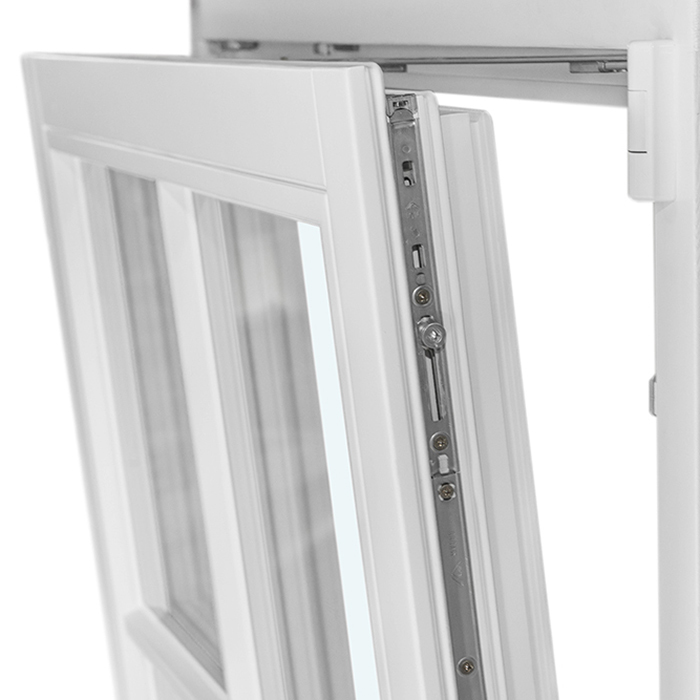
An outward-opening top-hung window can organise ventilation differently in a high installation position from a low casement. The product description defines only the opening type; ask specifically about dimensions, operation, glazing build-up and suitability for your opening. Also check how the window can be cleaned and whether there is adequate outside access. For every bathroom window, coordinate with the designer or qualified installer, particularly where room ventilation, moisture protection and the building situation interact. Privacy glass does not replace a coordinated ventilation plan, but it can complement one without conflict.
Plan maintenance around the surface and window position
In a bathroom, humid air, limescale, cosmetics and frequent cleaning all affect the glass. Smooth faces can often be wiped differently from textured or frosted faces; with relief patterns, residue may be more visible in recesses. What matters is not only the glass name, but whether the textured or frosted side faces the room and how accessible it is. Ask for written care advice for the selected glazing. Do not use abrasive tools or unsuitable products without checking the manufacturer’s guidance, as the visible surface should be protected. A sample helps here too: do not wet it in the showroom, but inspect it in side light for streaks and texture.
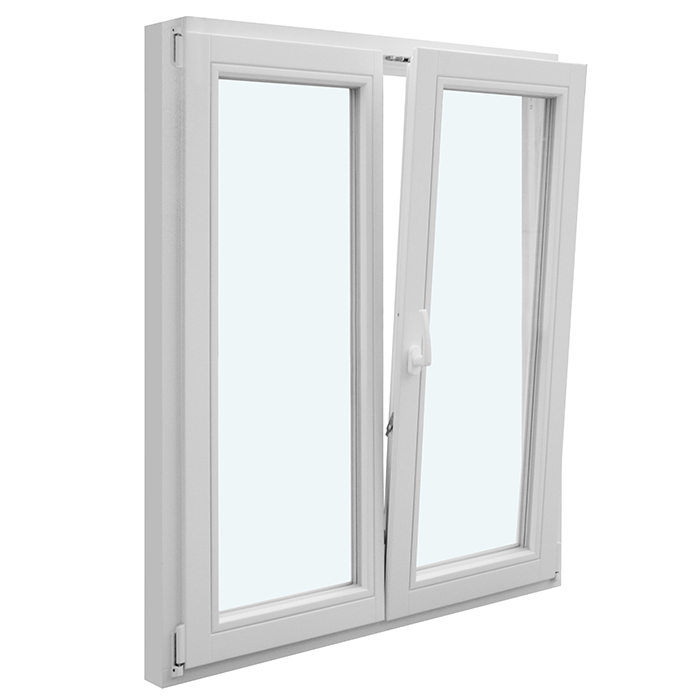
With multi-sash windows, more glass edges, fittings and frame areas must remain accessible for cleaning. Check in advance that taps, the sill and reveals leave enough room for a cloth, squeegee and hand. In deep reveals, a small, easily reached glazed area can be more practical day to day than a large surface whose corners are awkward to reach. A double casement window opening inwards may suit a wide opening, but requires a clear idea of how both sashes will be moved and cleaned in the furnished bathroom. Do not decide only by maximum opening width. A basin directly in front of the window or a large mirror may influence practical cleaning more than the floor plan suggests. Also decide whether the outside will be cleaned from indoors, from the garden, via a balcony or by a service provider before finally ordering the format and opening type.
Read frame, glazing bars and glass design as one view
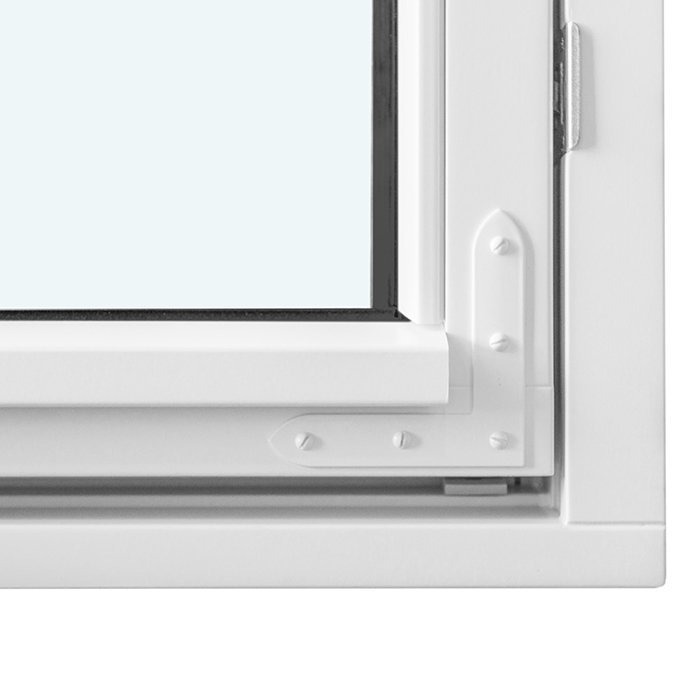
Glazing never stands alone. A slim frame can make a frosted surface feel generous, while a more strongly divided frame gives the window greater definition. Glazing bars can bring order to a façade and divide the view through a bathroom window into smaller fields. They do not, however, replace deliberately selected privacy glass: the question of how clearly outlines remain visible persists between and through the fields. Distinguish between applied glazing bars and true dividing bars. The former may sit on the pane as a visual detail, whereas true dividing bars actually split the glazing. The desired appearance should be stated clearly in the quotation and drawing.
With an outward-opening double traditional casement window a historic character can arise, for example, from sash divisions and glazing bars. Whether subtle frosted glass, patterned glass or another solution belongs with it is a design choice with implications for light and cleaning. Picture both the internal and external views as complete settings: wall tiles, fittings and mirrors shape the interior, while façade colour and neighbouring windows shape the exterior. Where you depart from the standard specification, request a clear description of the desired division and glazing. This significantly reduces misunderstandings between design, ordering and installation.
Special window shapes need an appropriate sampling format
Round, semicircular, triangular or sloping windows bring light into areas where a rectangular window does not fit. Their glass texture also becomes more noticeable because the shape itself is already a focal point. Calm frosted glass can emphasise the outline, while a lively patterned glass can accentuate it further. Actual size is crucial: a texture that appears fine on a small sample may read very differently across a large arched field. Conversely, it may scarcely be noticeable in a small special shape. Ask early which glass choices are available for that exact geometry, rather than checking availability only after the rest of the planning is complete.
Triangular and sloping fixed-glazed windows are one possible configuration for these shapes. Since fixed glazing does not provide an opening for ventilation, it must be combined with other ventilation options in the room where needed. For the privacy decision, the viewing direction along the slope is also important: a field that appears high from the front can be clearly visible from the side through a neighbour’s window. Place a scale elevation of the façade beside a site plan and mark potential sightlines. This exercise usually gives more clarity than asking which glass type is generally “best”.
Turning a comparison into a dependable order
Before ordering, everyone involved should be able to read the same short specification. It should cover the window position and structural opening size, opening direction, number and division of sashes, selected glass design, the location of any treated surface and the viewing side of glazing bars. Add which priority comes first: maximum privacy, abundant light, outward view, historic character or easy maintenance. Request a binding quotation based on these details and check drawings before approval. If a sample decision was made only in daylight, repeat it in an evening view. For alterations, a qualified installer should assess the installation situation; the glass choice must suit the complete window connection.
A pivot roof window clearly demonstrates why position and operation must be considered together: its height, pitch and accessibility change daylight, sightlines and cleaning compared with a vertical façade window. The product name says nothing, however, about the privacy glazing that suits your bathroom. Record the glazing as a separate item and establish what sampling is possible before final approval. Coordinate delivery with storage space and the construction schedule. If the window arrives before tiling or plastering, responsibilities for receiving, protecting and installing it must be clear. Before approval, also check that dimensions and viewing directions match in all documents. Windows and doors from Bloomcabin come with a 5-year guarantee. Subject to order confirmation, delivery takes 4–6 weeks. These general details replace neither technical checking of your order nor coordination with finishing work, tiling and installation timing.
Frequently asked questions
Is satin-finished bathroom glass always opaque?
No. Satin finishing describes a matt-looking surface, but visible transparency depends on the specification, distance, backlighting and movement close to the glass. Check a specific sample from both sides. Testing with internal lights on and a dark outdoor setting is particularly important.
Can reflective glass provide privacy in the evening?
Do not rely on it. Reflection depends on the relative brightness inside and outside. If the bathroom is brighter than outdoors, the mirror effect can be much weaker from outside. Plan an independently effective privacy solution for evening use.
Which glass is easiest to clean?
A general ranking would be misleading. The important factors are the exact surface texture, which side of the treated surface faces the room, water hardness and accessibility. Ask for care guidance for the chosen glazing. In everyday use, an accessible window with a suitable surface matters more than a broad label.
Can I choose privacy glass only for the lower part of a window?
This can be visually and functionally useful, for example where lower glazing prevents views in while upper glazing retains more outlook. Confirm with the supplier and designer whether the desired division is available and appropriate for the particular window. Consider the division, cleaning and sightlines too.
Must I give up ventilation because of bathroom privacy glass?
No, but the two decisions need to work together. A window provides privacy through its glazing only when closed. Check visibility when it is open, operation in the furnished room and the planned bathroom ventilation. A qualified installer can assess the specific installation situation.
Next step
The best privacy glass for a bathroom is not automatically the most opaque glass. It is glazing whose effect has been understood in your actual setting, in daylight and in the evening, and which suits ventilation, window shape, cleaning and design. Frosted glass offers a calm, diffuse solution; patterned glass brings texture and needs close sample comparison; reflective glass requires especially careful night-time testing because it depends on light. Establish the sightlines first, then choose the exact glass design and record it with the opening type and window division in the order. That way, privacy does not become a problem to solve afterwards.
