
Compare Black Friday Offers on 44 mm and 70 mm Garden Sheds
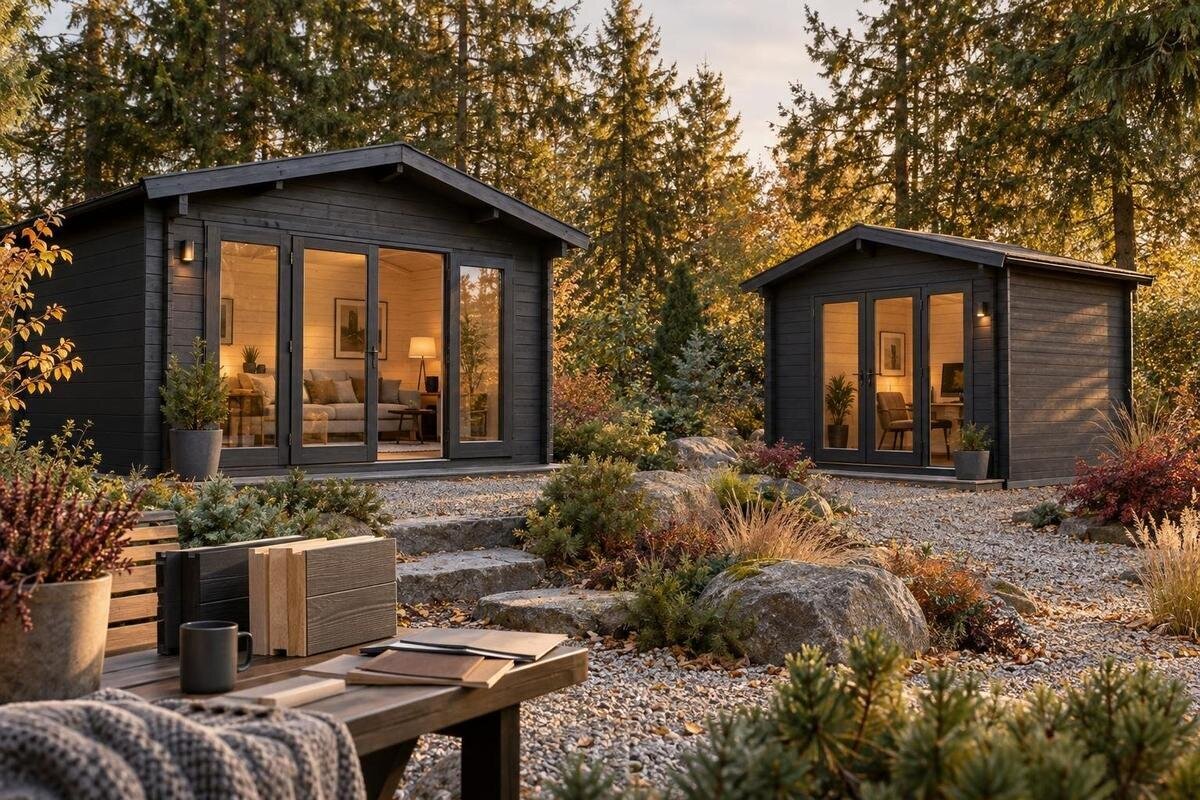
Garden shed buying guide
Black Friday garden shed offers can make two prices look easy to compare, but a 44 mm or 70 mm label is only a starting point. First confirm what the measurement describes; then compare the same type of shed, its included specification and the amount payable under the stated terms. A larger thickness figure is not a complete performance rating, and a bold discount percentage does not prove that one option suits your plans. This guide helps you assess an offer if one is presented; it does not assume that any particular promotion or saving is currently available.
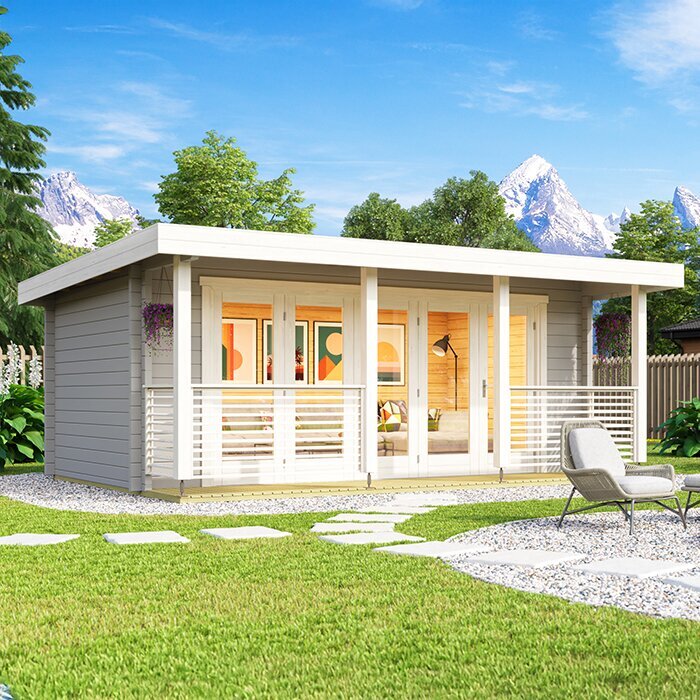
What 44 mm and 70 mm actually tell you
On a listing, 44 mm and 70 mm are useful only if they refer to the same wall measurement. On that like-for-like basis, 70 mm is 26 mm thicker than 44 mm, or about 59% greater. That arithmetic describes the stated dimension, not the quality or performance of the complete shed. Check whether the figure refers to one board, an assembled wall profile or another component, and whether it applies to the exact version shown in an offer. A diagram or written specification is more informative than a product title or promotional badge alone. If the wording is unclear, ask the seller to identify the part being measured.
Thickness cannot tell you whether a shed will be warm, weather-resistant, secure, long-lasting or structurally suitable. Those qualities depend on more than one dimension and need their own supporting specifications; do not treat 70 mm as a substitute for them. The two offers may also differ in their overall design, so a thicker wall does not prove that the models are otherwise comparable. Compare each stated feature on its own terms, including whether it belongs to the selected version rather than to a general product range. If a listing does not define its measurement, pause the price comparison until you have an answer. That way, a percentage or badge does not end up standing in for the information you actually need.
Match the choice to your planned use
Before comparing prices, describe what the shed needs to do. Storage for garden tools has different practical demands from a space that also needs to accommodate larger equipment, bicycles or a regular hobby activity. Make a list of the items you intend to keep there, note which need easy access, and consider how often you expect to use the shed. This helps you prioritise useful dimensions, door access and layout rather than treating wall thickness as the only meaningful difference between two options. Use a sketch of the intended layout if that will help: mark the footprint of larger items, the route to the door and space needed to take things in and out. It will not replace published measurements, but it exposes questions about access and usable space before a promotional price pushes the decision.
A 44 mm option may be enough for your plans, while a 70 mm option may be worth considering if its confirmed specifications address a requirement that matters to you. Neither conclusion follows from the number alone. Check internal dimensions as well as outside measurements; depending on the design, the two may not change in the way you expect when wall thickness differs. Consider the clearance needed to move bulky items through the entrance and to retrieve them without constantly rearranging the space. If you intend to use the shed for an activity beyond straightforward storage, check the relevant features and limitations rather than assuming that a thicker wall makes it suitable. A stated thickness also does not tell you how much unobstructed floor area is available, whether the doorway works for the objects you plan to move, or which items form part of the chosen configuration. Those questions belong in the specification comparison, where they can be answered from stated details instead of guesses.
Compare the complete specifications
A fair comparison covers more than the wall measurement. Note each shed’s external and internal dimensions, the opening available through the door, and any stated details about windows, ventilation, roof and floor. These affect how the space may work for your belongings, but do not assume that a feature is included just because it appears in a photograph or description. Check the written specification for the selected variant and distinguish what comes with it from anything listed as an option. It can also help to note the direction in which doors open and the usable wall space left for shelves or stored items, where those details are published.
Keep the model name and the documented details in separate columns in your notes. For example, use the Verdana 1 garden shed listing as a place to look for published information, not as evidence of a particular wall thickness. Record the exact variant and the measurements stated on its page, if provided, then do the same for the alternative. If one listing omits a detail, mark it as unknown rather than assuming that it matches the other shed. That makes the comparison more reliable and gives you a clear question to put to the seller.
Compare the amount payable, not just the banner
A Black Friday offer can draw attention to a reduced figure or a percentage, but neither tells you the full cost by itself. Compare the amount payable for the same configuration, including any required charges shown during checkout. Note whether the displayed price applies to the 44 mm or 70 mm version you selected, and whether a code, particular payment method or other condition is needed. Check whether changing a selected option alters the price before treating the original displayed figure as your comparison point. If the figures describe different variants, they are not a like-for-like price comparison, even if the listings look similar.
Check the Verdana 2 garden shed page as you would any other listing: identify the exact option, then confirm the relevant price and conditions where the order is placed. Compare any advertised saving only when the reference price relates to the same model and configuration. Also account for other costs you would actually need for your plans, such as optional items or services, rather than assuming they are part of the headline amount. This gives you a more useful view of the total budget without relying on a promotion’s wording.
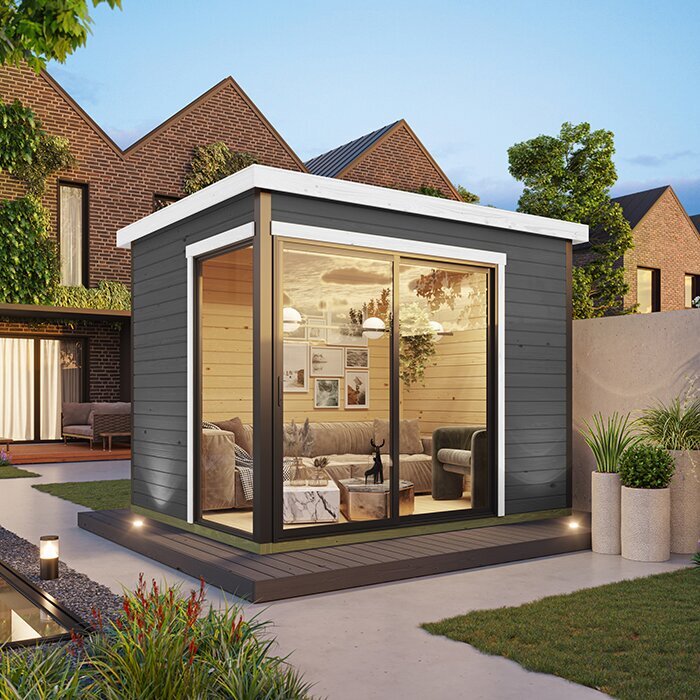
Read how the wall is described
The same thickness figure can be presented with different levels of detail. Look for a clear description of the wall components and how the measurement is defined. If a drawing is provided, check that it corresponds to the selected model and explains the dimension being quoted. Details about how the walls join, how openings are formed and what finish or treatment is specified may also help you compare construction, but they should be checked independently; one wall measurement does not confirm any of them. Where a product page offers documents or variant selectors, ensure that the information you note matches the version currently selected.
When reviewing the Durano garden shed page, for instance, use the written specification to establish what is actually stated rather than drawing conclusions from the model name or images. Apply the same approach to both thickness options. If the page uses a general term without explaining it, ask the seller whether the figure is nominal, what part it describes and whether it applies throughout the walls. Keep the reply with your notes so that you can compare the two offers on a consistent basis.
Consider site conditions and ongoing care
Wall thickness is only one factor when you consider how a shed will work in its intended position. Think about the exposure at your site, including sun, rain and wind, and check which product details address the conditions you are concerned about. Look for stated information on materials, finishes, roof design, ventilation and any maintenance requirements. Consider practical matters too, such as whether nearby trees may drop leaves or whether the location makes routine access awkward. Do not infer weather resistance or a particular level of care from a 44 mm or 70 mm label if the relevant details are not given. Make a note of which concerns arise from the position and which are answered by a published specification. This separates a practical site question from a marketing impression and helps when comparing models with different layouts or maintenance requirements.
Use the Veltor garden shed listing in the same way: look for published details that help answer your questions, and treat missing information as something to clarify rather than a claim either way. A shed that will be opened often may also need practical access and ventilation that suit its use; check those features separately from wall thickness. If your site raises a specific structural or installation concern, seek advice from the seller or a suitably qualified professional. Avoid choosing on a general thickness comparison where site-specific information matters.
Decide whether a price difference is worthwhile
If a 70 mm option costs more than a 44 mm alternative, ask what documented difference matters to you before paying the extra amount. Compare the two models’ sizes, construction details, included specification and offer terms. The price gap may reflect several differences, so do not assume it is attributable to the walls alone. Give more weight to differences that solve an identified practical need than to a feature that is merely described more prominently. Conversely, if the 70 mm offer is not more expensive, still check whether the overall configuration suits your plans; a lower figure does not make an unsuitable size or layout a good purchase.
Set a maximum total budget before deciding, leaving room for any items or services you have established are needed. Then judge the Orello garden shed listing by the information actually published for the selected variant, not by what its name might suggest. Ask whether any claimed benefit is explained in the specification and relevant to your use. If the reason for a price difference remains unclear, seek clarification rather than assigning value to a thicker number on its own.
Read the Black Friday offer conditions
Promotion terms can determine which model, configuration or order qualifies for an advertised price. Read the conditions for the exact item you are considering, including any stated validity period, eligibility requirements and exclusions. Check whether the offer depends on selecting a particular option or entering a code, and whether the amount shown remains the amount payable once the details are applied. Note the date and configuration you checked, as seasonal offers and available choices can change while you are comparing alternatives. Do not assume that a promotion on one garden shed also applies to another thickness or variant. Check the terms at the point of order as well as the promotional page. A banner may summarise an offer, while the selected variant and checkout details show whether its conditions have been applied to the configuration in your basket.
Treat the Modano garden shed listing as a separate item to assess, not as a source of terms for another model. Before ordering, confirm the selected configuration, the price shown at checkout and any conditions attached to it. Review the seller’s stated arrangements for delivery, payment and returns, and ask about anything that is not clear. Keep a copy of the offer details and order confirmation so you can see what was agreed; this is especially useful when a seasonal promotion has several options or conditions.
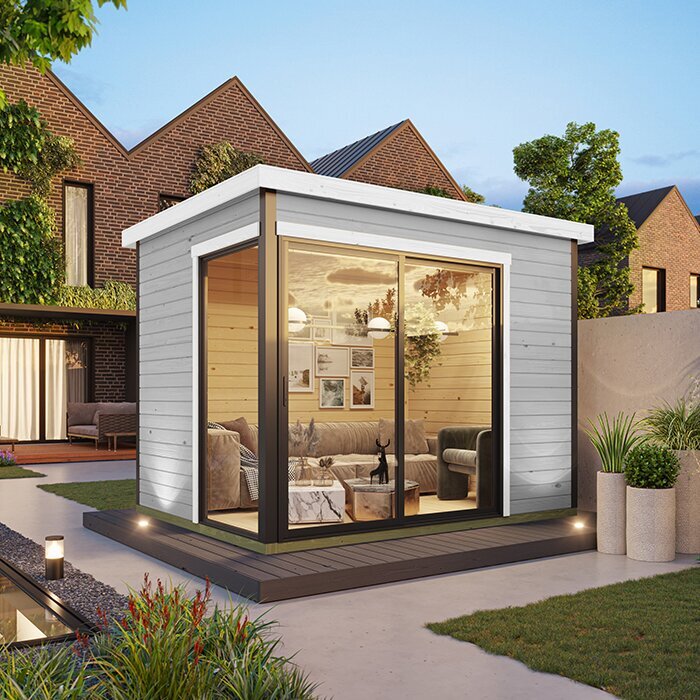
Keep a side-by-side comparison
A simple comparison record helps stop the larger number or more prominent discount from dominating your decision. Set out the exact model and variant for each option, then record wall measurement and definition, external and internal dimensions, other relevant specifications, included items, total amount payable and offer conditions. Mark information as confirmed, not stated or still to be clarified. Using the same headings for both sheds makes gaps visible and helps you ask focused questions instead of comparing one detailed listing with one that leaves important points open. Include the source of each entry, such as the selected product page, checkout page or a written reply from the seller, and note when you consulted it. This avoids mixing details from a general range description with those of a particular variant and makes it easier to revisit an unresolved point.
You can include the Wooden Garden Tool Shed M listing as one named entry in that record, but do not infer its wall thickness, dimensions or suitability from the name. Fill in only details stated for the chosen version. Add any other costs you have identified for your own plans, and keep optional extras separate from what is included. Once the table is complete, compare the total budget and the features that matter most to you, rather than trying to turn the wall measurement into a score for the whole shed.
Choose on confirmed fit, not the biggest number
A 44 mm shed is the more sensible choice if its confirmed specification, size and terms meet your needs and the alternative offers no verified benefit that matters to you. A 70 mm shed is worth considering when its stated thickness is clear and the rest of its specification fits your requirements at a total price you are comfortable paying. These are comparison principles, not guarantees about particular models: the surrounding construction, dimensions and terms still need to be checked. Where both options remain viable, rank the confirmed differences according to their importance to your actual use. This makes the trade-off explicit and prevents a single headline specification from outweighing space, access, included items or the conditions of the offer.
Before committing, compare your notes with the final configuration and amount shown for the order. The Wooden Garden Tool Shed S page can be treated as another named listing to assess, not as evidence of a specific thickness or of how it compares with another model. If key information is missing, ask for clarification before relying on the offer. The strongest choice is the one supported by clear details and a practical match to your plans, not simply the one with the larger wall-thickness figure.
Frequently asked questions
Is a 70 mm garden shed always better than a 44 mm one?
No. The 70 mm figure indicates a greater stated wall thickness only when both measurements use the same basis. It does not, on its own, establish better weather resistance, insulation, durability or suitability. Compare the complete specifications and the shed’s fit for your intended use.
Does 70 mm mean the shed should cost 59% more?
No. About 59% is the difference between 70 mm and 44 mm as measurements, not a guide to price. There is no reliable price formula based on wall thickness alone. Compare the exact size, construction, inclusions and amount payable for each option.
Can wall thickness tell me whether a shed will suit my site?
Not by itself. Check the specifications for relevant materials, finishes and other features, and consider the exposure at your site. If you have a site-specific building or installation concern, ask the seller or a suitably qualified professional rather than relying on the thickness figure.
How should I compare two Black Friday prices?
Compare the same model and configuration, then check the amount payable at checkout and any conditions or additional costs that apply. A larger advertised percentage does not necessarily mean a better-value shed. Make sure the price and any stated saving relate to the exact option you are considering.
What should I confirm before placing an order?
Confirm the exact model and variant, the stated wall measurement, what is included, the total price and any offer conditions. Check that the order details match the configuration you selected. If the listing is unclear about thickness or terms, ask the seller for written clarification before paying.
Compare 44 mm and 70 mm garden shed offers by confirming what each measurement means, then checking matched specifications, the amount payable and the conditions that apply. If a thicker option has no verified advantage that matters to your plans, the larger number alone is not a reason to spend more. The better buy is the configuration that fits your intended use and budget on the evidence available.
