
Buying a Garden Shed for an Art or Craft Studio
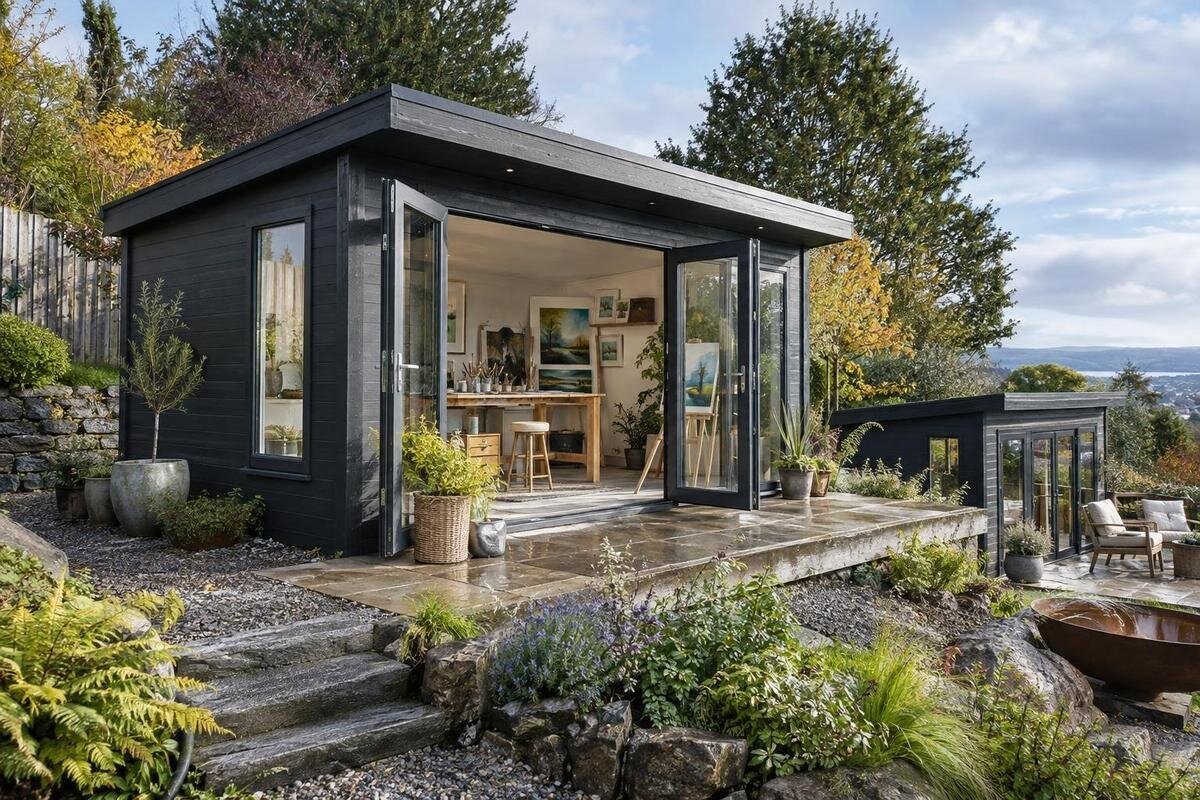
Garden shed buying guide
When buying a garden shed for an art or craft studio, the useful question is what the work needs from the space. Painting, sewing, framing and other creative tasks call for different combinations of clear floor area, storage, daylight, ventilation and access. Before you buy, map your work areas, list the tools and materials that need a home, and check a product’s stated dimensions and included features. A practical comparison helps you choose a shed for creative work without relying on assumptions.
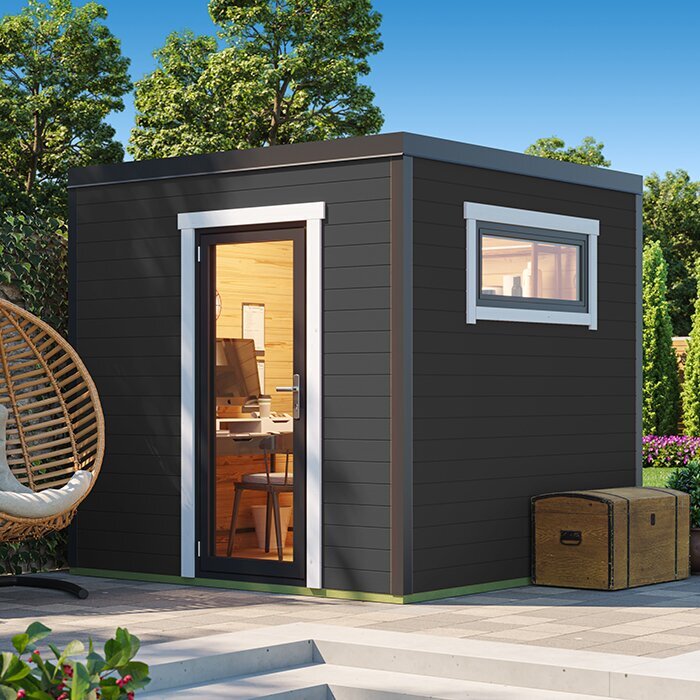
Define the work before choosing a size
Begin by describing a normal work session, rather than choosing a shed from a picture. List the activities you actually do—painting, sewing, drawing, model-making or finishing small projects—and note what each requires. Do you work seated, stand at a bench, spread out paper or fabric, or need to leave a piece in place between sessions? Record the largest item you expect to use, whether it needs clear floor around it and whether another person sometimes joins you. These details reveal whether the studio needs one flexible area or separate work zones. Distinguish regular activities from occasional ambitions so that an unlikely project does not dictate the whole purchase.
Separate essential requirements from nice-to-haves. Essentials might include a work surface of a particular size, storage for materials or enough space to move without shifting equipment. Nice-to-haves could be an extra chair or a spare display area. Build a shortlist using the same questions for every candidate. For example, put the Verdana 1 garden shed listing into a comparison sheet, then copy only information that its page actually confirms. Mark missing details as questions for the supplier; a model name or catalogue image does not establish floor area, included fittings or suitability. This makes it easier to compare the actual options against your work brief.
Measure usable studio space
Draw a floor plan at a consistent scale and add the table or bench, chair, easel, machine, drying rack and cabinets you expect to use. Mark room to pull out drawers, turn a canvas or handle long material. A bare rectangle can look generous until equipment is placed inside it. Allow for movement around active work areas, not just the outlines of furniture. If the shed will support several activities, sketch each arrangement separately and see whether you would need to move tools or furniture to change tasks. This test can reveal a cramped layout before you commit to a footprint.
Compare the outside footprint with usable interior measurements, when both are provided. Wall thickness, roof shape and low eaves can affect practical space; do not estimate it from a photograph. Read plan views carefully, check what the stated measurements refer to and ask for clarification if the listing gives only an external size. Apply the same checks to the Verdana 2 garden shed listing as to every other candidate. Confirm measurements for the exact configuration you intend to order, including clearance above a tall work surface if that matters. Judge the layout with equipment in place, not by floor area alone.
Allow for storage as well as making
Take stock of everything that will occupy the studio, separating items used every session from supplies brought in occasionally. Count stools, easels, tools, boxes, paper, fabric and works in progress, then note which need a flat surface, shelving, drawers or a protected place. A table does not provide useful working space if it is permanently covered with stock. Group supplies by task and estimate storage using the containers you already have, rather than allowing for a vague “somewhere for materials”. This matters especially for craft work with many small components and for painting that needs room for unfinished pieces.
Decide whether storage should be inside the studio or in a separate area. Moving supplies outdoors between sessions may be inconvenient, while filling every wall can make the workspace feel cramped. Check the actual arrangement, not the product label: the garden tool shed M listing identifies a product but does not confirm shelves, cupboards or a studio-ready layout. Look for stated interior measurements, included fittings and guidance on attaching anything to the walls. If storage is not included, add freestanding units to your floor-plan test and leave access to doors, windows and work surfaces clear.
Check daylight, glare and privacy
Think about where light falls on the work surface at the times you use the studio. A window can brighten a room but still leave an easel in shadow or cause glare on a glossy surface or screen. If colour decisions matter, note what light you use and test the proposed site at different times rather than relying on one midday visit. Trees, neighbouring buildings and roof overhangs can change the result. A simple sketch showing work areas and possible window positions helps you compare options without assuming that every shed has the openings shown in a picture.
Check the stated window size and position, the type of glazing and whether each window opens. These details affect daylight, privacy and airflow in different ways. For the Modano 1 listing, confirm from the product information whether openings are included, where they sit and whether they can be opened; do not infer those details from the name or an image. Consider what faces the window too: a view onto a busy path may affect how you arrange your work, while direct sun could fall on stored supplies. More glass is not automatically better for every studio, so compare the actual layout with your needs.
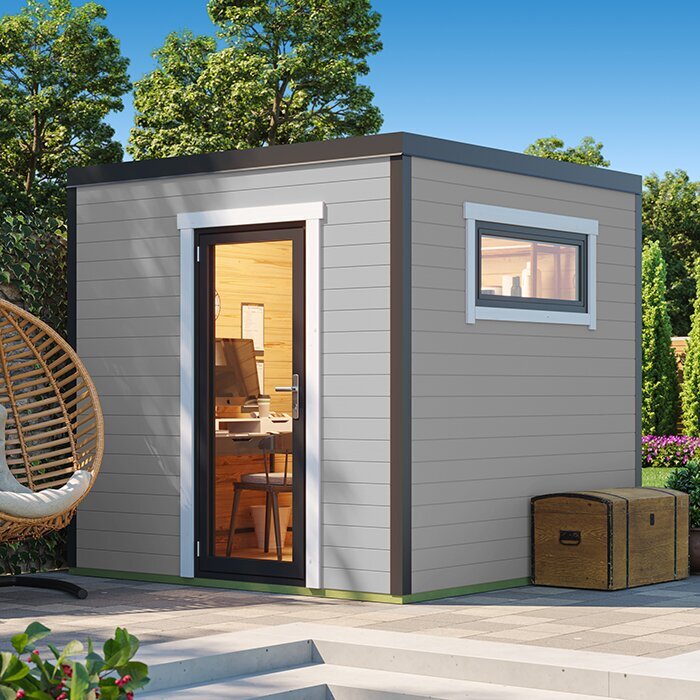
Plan task lighting and power
Decide what type of lighting your work needs after sketching the work surface and equipment. General room lighting may not reach fine-detail work, while a close task light can cast a strong shadow if placed on the wrong side. If you compare colours, note the light source you use, because appearance can change under different lamps and daylight. Plan where lights could be positioned and whether switches would be easy to reach without crossing clutter. Make sure portable task lights have a suitable place to stand. These are layout considerations, not a reason to assume that a product listing includes lighting.
List the electrical items you might use, such as lamps, a sewing machine, a computer or a fan, and note where each would sit. Check whether the listing says that electrical provision is included; do not assume that wiring, sockets or lights come with the shed. If you need a powered workspace, discuss the proposed supply, equipment requirements and any routing or fitting with a qualified electrician before ordering. Ask whether the chosen building and site can accommodate your plans. Apply the same check to the Durano garden shed listing as to every other option, using its stated details rather than its name or appearance.
Match ventilation to your materials
Make a list of materials and processes before deciding what ventilation the studio needs. Paint, adhesives, inks, sanding and other making tasks do not all create the same dust or fumes. Read the labels and safety information for the materials you use, then note whether their instructions call for particular ventilation or storage conditions. A window that is fixed, small or far from the work area may not meet a process’s needs. Do not treat daylight openings and ventilation as interchangeable features: confirm what can actually be opened and seek qualified advice where your work creates dust or vapour.
Ventilation also affects day-to-day tidiness. Allow space to sweep up, wipe a bench, dry clean tools and keep waste or used materials separate from the main work area. Store materials in line with their labels and keep frequently used supplies accessible without crowding the work surface. When reading the Orello 1 listing, look for explicit information about openings and intended use; do not infer airflow from the model name or image. If your process may require extraction or specialised ventilation, ask an appropriate professional whether the proposed building and setup are suitable before buying.
Measure doors and movement routes
Check how canvases, boards, lengths of material, sewing projects or finished crafts will enter and leave. Measure the widest item you plan to carry, then compare it with the stated clear doorway width, not simply the building’s overall dimension. Consider the route from the garden path to the shed as well as the opening: tight corners, steps or soft ground can complicate moving supplies. Inside, leave a direct route between the door, work surface and storage. If you sometimes work on a large piece, sketch the temporary space it occupies with the door open and equipment in use.
Check whether the door arrangement will suit your routine and the site. A door that opens into the work area may take up clearance, while outdoor space can also be restricted by walls, plants or furniture. Confirm the opening, threshold and any stated access dimensions from the exact product details, and ask if anything is unclear. Include the Veltor 1 listing in that check only on the basis of its published measurements and configuration. Think about carrying supplies in wet weather, bringing out finished work and reaching frequently used items; access is part of the studio plan, not an afterthought.
Consider comfort and material storage
Creative work can involve materials affected by damp, heat or strong sunlight, so consider the proposed site as well as the shed itself. Note whether the position is exposed to direct sun, shade, wind-driven rain or water collecting nearby, and check the manufacturer’s information about intended use and care. Do not assume that a garden shed will maintain the same conditions as an indoor room. Paper, canvas, textiles, timber and some art materials may need storage conditions stated by their makers. Plan suitable storage for those items instead of expecting the building alone to protect everything.
If you intend to use the studio in every season, ask specifically about the floor, weather protection, insulation, glazing, ventilation and any limits on fitting heating or cooling. These are separate details: one feature does not establish the others, and a product photo cannot tell you how the room performs. Compare the garden tool shed S listing using published specifications and care instructions only; its name does not establish comfort or suitability for art materials. If a controlled indoor environment is essential, have a competent building professional review the proposed structure and site before committing.
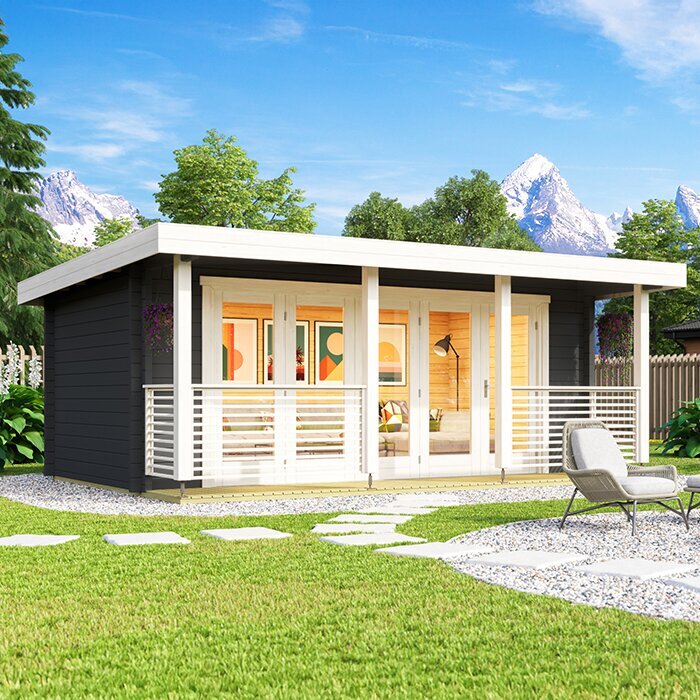
Confirm site preparation and order scope
Check the proposed site before ordering: measure the footprint available, note overhead and side clearance, and confirm that delivery and assembly access are possible. The supplier’s installation instructions may specify the base or preparation required; use those instructions rather than choosing a foundation by guesswork. If the ground is sloped, uneven or subject to water pooling, ask the supplier or a qualified building professional what needs to be assessed. Do not rely on the garden’s appearance alone to establish that the site is ready. Allow room to position the shed and open its doors, then compare that requirement with paths, fences, trees and existing structures.
Read the order information for the exact model and configuration. Confirm what is supplied, whether a floor or fittings are included, what assembly is expected, whether installation is offered and which tasks remain yours or your contractor’s. Check delivery access, unloading arrangements, packaging removal and any costs or exclusions shown; do not assume these are included. If a builder, electrician or other specialist needs to prepare the site, coordinate their requirements with the shed instructions. Keep written answers to questions about dimensions, assembly and inclusions so you can compare the complete project rather than just the product headline.
Compare the shortlist before ordering
Use a comparison table that separates confirmed details from open questions. Give each candidate the same rows: usable interior size, doorway, furniture layout, storage, daylight, ventilation, power needs, site preparation, assembly and included items. Mark each requirement as essential, preferred or unresolved, and do not score a missing specification as a pass. A simple scale drawing can reveal a space problem more clearly than a long list of features. If one option suits painting but not sewing or storage, keep that trade-off visible instead of letting one appealing feature dominate the decision.
Before ordering, reread the current product information for the exact version you selected and compare it with your measurements and layout. Ask the supplier to clarify anything that affects fit or use, including dimensions, openings, inclusions and preparation; check the stated delivery, assembly and change or return terms as well. Keep the product information and written answers with your plan so there is a clear record of what the purchase is meant to include. The best choice is the one that fits your work in practice and whose important details are confirmed, not the one with the most persuasive name.
Frequently asked questions
How much space do I need for a garden shed studio?
There is no single ideal size. Draw the work surface, seating or equipment, storage and movement space into a floor plan, then compare that layout with the shed’s stated usable interior dimensions. Include room for the largest project you expect to bring through the doorway.
Is a window necessary in an art studio shed?
That depends on your work and the available lighting. Daylight can help with some tasks, but windows can also create glare or leave areas in shadow. Check their size, position and whether they open. Remember that daylight and ventilation are separate considerations.
Can I use a garden shed for painting or craft work that creates fumes?
Check the labels and safety information for the materials and processes you use. Do not assume that an ordinary window will meet their ventilation requirements. Confirm what openings the shed has and consult an appropriate professional if your work needs specialised ventilation.
Should I choose a larger shed for storage?
Choose extra space only if it serves a clear purpose. List your tools, supplies and works in progress, then add them to a floor plan with the work surface and movement routes. Too much storage can take over the area you need for making.
What should I confirm before placing an order?
Check the exact configuration, interior and doorway measurements, included fittings, ventilation details, site preparation and assembly requirements. Clarify delivery arrangements and any listed costs or exclusions. Ask the supplier about details that affect your planned layout or use.
A good studio shed is the one whose verified interior, access and environmental details suit the work you do, not simply the one with the most appealing name or picture. When two options look similar, the practical differences may be usable space after furniture, doorway width, window placement, storage and what must be arranged separately. Keep your layout sketch beside the product information and resolve important unknowns before ordering. That gives you a clearer basis for choosing a garden shed that can support your art or craft work.
