
Buying a Garden Shed on Black Friday for Spring Assembly
Seasonal buying guide
If you plan to buy a garden shed on Black Friday for spring assembly, coordinate two dates: when you place the order and when you want the build done. Choose a site and intended use before comparing models, then check each product’s measurements, preparation and assembly information. Work out when delivery can be received and where the kit can be stored until the build. Black Friday itself does not confirm a discount, arrival date or assembly service. A sound purchase still has to fit your garden, budget and schedule after you look beyond the promotion.
Plan the spring build before you buy
Treat “spring assembly” as a date, not just a season label. Put a specific week or month against it, then work backwards to decide when the site must be cleared, when preparation can happen and when the shed needs to arrive. Black Friday may be close to the build date you have in mind or much earlier; those situations call for different delivery and storage plans. Do not assume the promotion date confirms when an order will arrive or how long assembly will take. If the shed must be ready for a particular occasion, leave a practical buffer for weather, site work and scheduling changes.
Decide who will be responsible for the build before choosing a model. If you plan to assemble it yourself, locate the instructions for the exact product and check its preparation, tool and assistance requirements. A product name or photograph is not enough to judge the work. If you may hire an installer, ask whether they will assemble that model, when they could attend and what their quote includes. Confirm who handles site preparation, delivery coordination and packaging waste. If installer availability depends on the site being ready, coordinate those dates too. This makes the spring build part of the buying decision, not something to solve after placing the order. Also decide who will be available to receive components, inspect the order against the delivery documentation and keep small fittings together until assembly starts. Clear responsibility at this stage avoids gaps between delivery and installation.
Measure the site and the delivery route
Measure the proposed position, not just the garden’s spare patch. Compare the footprint stated for a model with the space available, and check whether the measurements describe the outside dimensions or usable interior. Confirm any clearances stated by the manufacturer and allow for door operation and practical access around the shed where required. A structure may fit on paper yet block a path or leave no convenient way to move stored items. Measure the largest item you intend to store and compare it with the stated door opening rather than estimating by eye.
Measure the delivery route separately, from the place where a vehicle can stop to the final position. Gates, narrow paths, steps, uneven ground and overhead obstacles may affect how a package can be moved. Check any package dimensions or delivery conditions provided, and ask if they are unclear. Note turning space as well as the narrowest point; the straight-line width alone can be misleading. Mark the footprint and tight spots with removable tape or string. For a candidate such as Verdana 1 garden shed, use current product information to verify dimensions and access needs, not the model name or promotional image. Repeat the measurements after removing temporary obstructions from the planned route. This can reveal whether a gate, path edge or turn needs attention before delivery day.
Choose capacity around what you will store
List what the shed is expected to hold before comparing capacity. Separate everyday items from seasonal equipment, and note which pieces are bulky, long or awkward to lift. An inventory helps distinguish floor area that looks generous from space you can actually organise and reach. Think about whether items will be parked, hung or taken out often, and keep frequently used tools near the entrance in your sketch. Include things you genuinely expect to add soon, but avoid filling the plan with purchases you have not decided to make.
Draw a simple layout and check it against the stated interior measurements and opening details for each option. Leave a route to reach items at the back rather than planning only for everything to fit. If you want shelves or other fittings, verify whether they are included and whether the product allows the arrangement you have in mind. For a candidate such as Verdana 2 garden shed, compare the published details with your inventory and ask about any essential feature that is not specified. Do not count optional fittings as included unless the product information says so. Revisit the layout with doors, bins and long-handled tools in mind, since these can create awkward pinch points. A sketch that reflects how items are carried in and out is more useful than a list of floor-area figures.
Prepare a suitable site and base
Walk the proposed area and note anything that could affect preparation or access: sloping or soft ground, places where water collects after rain, nearby roots, overhanging branches, fences and paths. Consider whether there will be enough room to reach the shed for its intended use and any maintenance described by the manufacturer. A product photograph cannot show the conditions at your home, so assess the actual position rather than choosing a spot from appearance alone. If more than one location is possible, compare the access and preparation each would involve.
Use the requirements for the specific shed when planning its base; do not assume that a base suitable for another structure will work here. If the ground is uneven, soft or otherwise difficult to assess, discuss the site with a qualified builder or installer before committing to a build plan. Check any local requirements that may apply with the relevant authority or a qualified professional, without relying on general online advice. Add preparation to your calendar and budget, and confirm who is responsible for it if an installer is involved. Keep the planned footprint free of stored garden items while preparations are under way. It gives you a final opportunity to confirm access, working space and the relationship between the base position and nearby paths or boundaries.
Check the assembly work and requirements
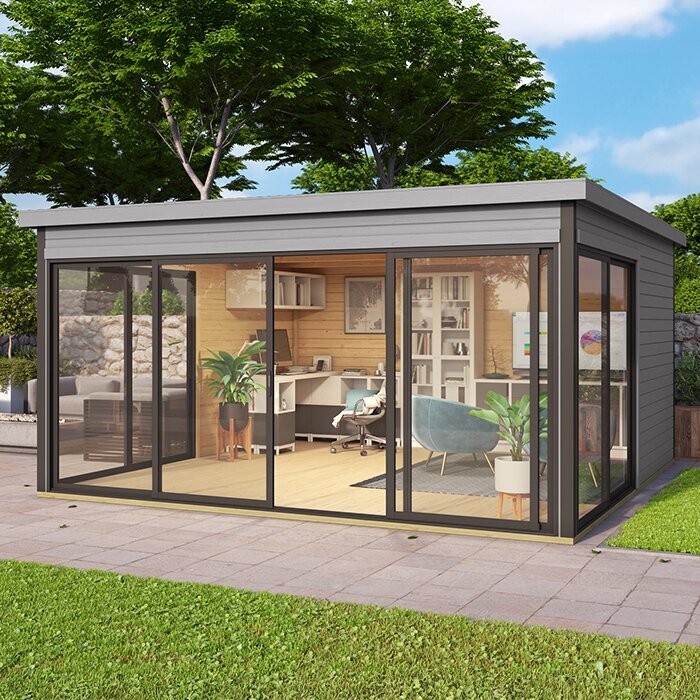
Read the instructions for the exact shed before paying, where the seller or manufacturer makes them available. Look for the stated assembly sequence, tools, site preparation, handling requirements and whether assistance is recommended or required. Check what components and fittings are included, and identify anything listed separately. An illustration is not a packing list. A page such as Durano garden shed can be a candidate to investigate, but its name or image does not establish assembly time or package contents. If you cannot review the guide, ask how to obtain the relevant information before ordering.
Compare the instructions with your skills, available workspace and calendar. Consider where components can be handled as directed and how assembly will fit around other work in the garden. If you intend to hire a professional, confirm their availability for your planned dates, what preparation they expect and whether they have agreed to assemble the selected model. Ask for the scope and cost in writing so you do not assume that site work, delivery coordination and assembly are one service. If you will rely on help from family or friends, check their availability before the build day. Allow time to read the instructions before the appointment rather than opening the package only when helpers arrive. Questions about missing information are easier to resolve before people and equipment have been scheduled.
Compare Black Friday prices on the same basis
The words “Black Friday” do not, by themselves, show that a garden shed is discounted or that its price is the best available. Note the price and terms actually displayed, including any stated conditions, and compare like with like. Make sure you are comparing the same model and configuration, rather than two listings with different included items. Check the final amount shown at checkout before paying. If a price or saving is unclear, do not base your decision on a headline figure alone. Record the date on which you made each comparison, especially if you are considering more than one listing. That note helps you distinguish confirmed information from an earlier assumption when you make the final choice.
Set a project budget that accounts for more than the shed: consider delivery, site preparation, any separately sold items, assembly and suitable storage for the kit. These costs may be quoted or handled separately, so verify what applies to your order rather than assuming. For a candidate such as Veltor 1 garden shed, compare the actual product details and purchase terms with your budget. A lower displayed price cannot resolve an unanswered question about fit, delivery or assembly, so keep those checks separate from the price comparison.
Plan delivery and storage before spring
Before ordering, check the delivery terms and the date or window that can be confirmed for your address. Ask what delivery covers, where the package will be left and whether you need to be present or arrange help to receive it. Make sure someone can manage the delivery and that the route to the storage or build area will be clear. Do not assume that a seller can hold a package for a later date or change a delivery time without conditions; confirm the options before relying on them. Consider whether the delivery day conflicts with travel, work commitments or access restrictions at your property. A workable arrangement includes both the seller’s terms and your ability to receive the order safely and promptly.
If there will be a gap between delivery and assembly, choose a sheltered, secure place for the kit and follow the manufacturer’s or seller’s guidance about storage and package handling. Do not assume that outdoor storage is suitable. Keep the order details and any labels with the package so you can identify it when work begins. If you cannot store it appropriately, check whether the delivery can be timed closer to the build rather than relying on an unconfirmed arrangement. For a candidate such as Orello 1 garden shed, base the plan on the actual delivery and storage information available.
Match the shed to its intended use
Be clear about the main job the shed needs to do: storing garden tools, keeping seasonal equipment together, providing a potting area or supporting another planned activity. The use affects what matters in the layout, access and product details. For frequent access, consider whether the entrance and route will work with the items you use most. If you have a particular requirement for light, ventilation or space for a work surface, check that it is stated for the model rather than inferred from a photograph or design name. Rank these requirements as essential or desirable before comparing models. This prevents an attractive appearance from outweighing a practical need, such as room to retrieve equipment without moving everything else first.
Compare the published details for each candidate with the use you have in mind. A listing such as Modano 1 garden shed is an option to assess, not proof of any feature or suitability. Do not assume a garden shed is suitable for sleeping, regular work or an electrical installation simply because there is room inside. Check the intended use and product information, and speak to a qualified professional before planning alterations or services. Treat a requirement that is not confirmed as an open question, not as a feature you can count on.
Keep the order details and build plan together
Save a dated copy of the product details you relied on, along with the exact model or configuration, final price, stated inclusions, delivery terms and confirmed timing. For example, keep the information you compare for wooden garden tool shed M with your notes rather than relying on memory. A dated record makes it easier to refer back to the details you saw when ordering. Keep the order confirmation and any answers to questions about dimensions, preparation or assembly in the same place.
Turn the purchase into a short spring plan with the main responsibilities and dates: who will receive the delivery, where the kit will be stored, who will prepare the site and who will assemble the shed. Check the seller’s stated terms for changes, cancellations and how to raise a query before placing the order. If you hire an installer, share the product information and confirmed schedule with them. This helps surface mismatched expectations while there is still time to resolve them, rather than during delivery or on the planned build day. Keep contact details for the seller, delivery provider and installer with the plan. Having the relevant order reference and notes in one place makes it easier to deal with a scheduling question without searching through separate messages.
Apply a final purchase check
Before paying, put each shortlisted model through the same decision test: does its stated footprint fit the measured site, can the delivery route work, does its information support the intended use, and can you meet the assembly requirements? Add the confirmed delivery timing, storage plan and total project budget to the comparison. A candidate such as wooden garden tool shed S should pass on its own published details, not simply because its name sounds suitable or its image looks right. Mark missing information clearly rather than filling gaps with assumptions.
Proceed when the product, location and spring schedule make sense together and the purchase terms are clear. If a key fact is still unknown, such as an essential measurement, a delivery window or an assembly requirement, ask for clarification or reconsider the timing. If more than one option passes, compare their confirmed details and total costs, then note why you chose one. That gives the Black Friday purchase a practical basis: a defined shed, a workable site and a build plan you can follow. Before completing payment, check that the selected model and configuration in the order summary match the notes you made during comparison. This final check is particularly useful when several similar product pages have been open at the same time.
Frequently asked questions
Does Black Friday guarantee the best price on a garden shed?
No. The event label alone does not confirm a discount or a saving. Compare the price shown at checkout, the same product configuration, included items, delivery and assembly costs, and the purchase terms before deciding.
How far ahead should I order for spring assembly?
There is no single lead time for every product, seller or location. Check the delivery window confirmed for your order, then allow time for site preparation and assembly. If timing is essential, get it confirmed before paying.
Can I leave a shed kit unopened until spring?
Only if the manufacturer’s or seller’s storage guidance suits the space available to you. Plan a sheltered, secure place and follow the instructions for storing and handling the package. If you cannot store it appropriately, check whether delivery can be scheduled closer to the build.
Should I prepare the base before ordering?
Understand the product’s stated base and site requirements before choosing a model. Follow its specific instructions, and ask a qualified builder or installer for guidance if ground conditions or preparation requirements are unclear.
Can I assemble any garden shed without an installer?
Not necessarily. Assembly requirements vary by product and by the tools, space and assistance available. Read the instructions for the exact model, and arrange an experienced installer if you cannot meet the stated requirements.
A Black Friday purchase can suit a spring project when its timing is planned rather than assumed. The right choice is one whose measured dimensions, site preparation, intended use, delivery and assembly requirements all make sense for your garden and budget. Check those details against the actual product information and confirmed order terms; the date of a promotion cannot replace a workable build plan.
