
Buying a Garden Shed to Replace an Old Shed: What Must Change?
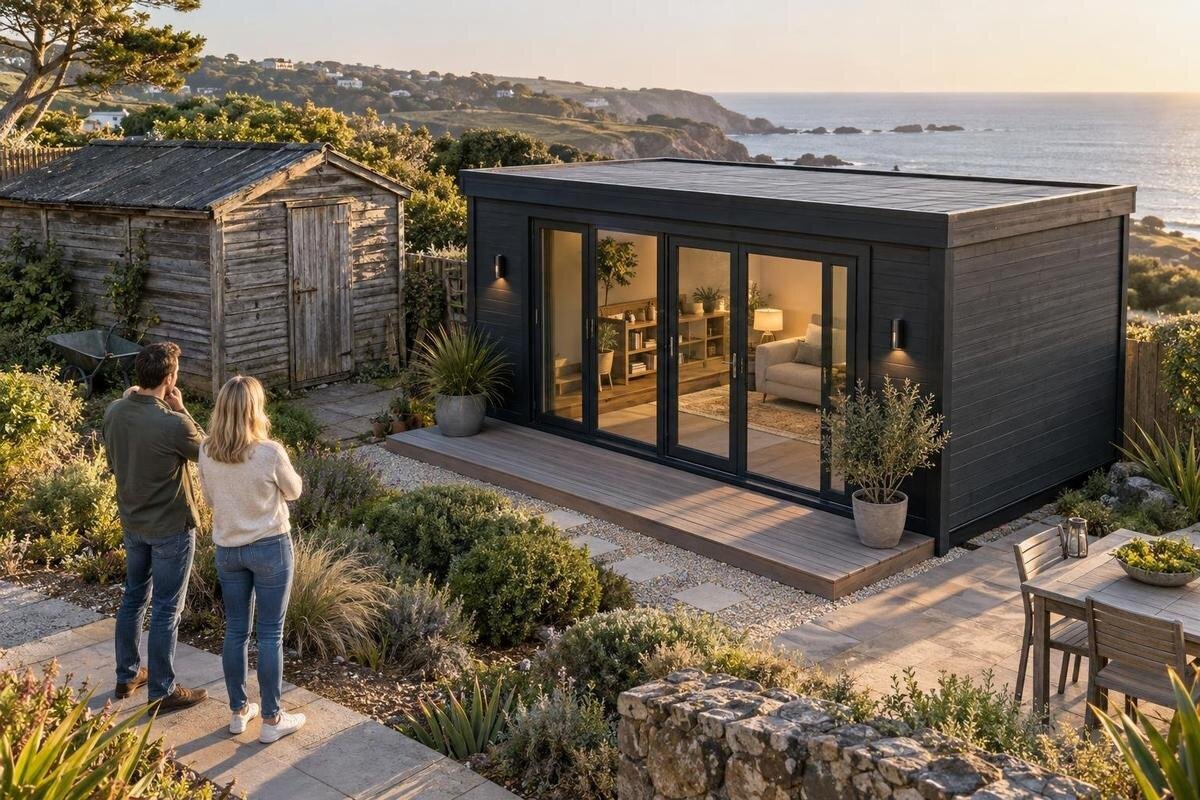
Garden shed replacement guide
If you are buying a garden shed to replace an old shed, treat the existing building as evidence of how you use the space, not as a specification to copy. Your storage may have grown, household routines may have changed, or the old layout may have made ordinary items awkward to reach. Before choosing a replacement, review the contents, measure the site and decide what the new shed needs to do. Then compare published product details with those requirements and resolve unclear ordering or installation points before committing.
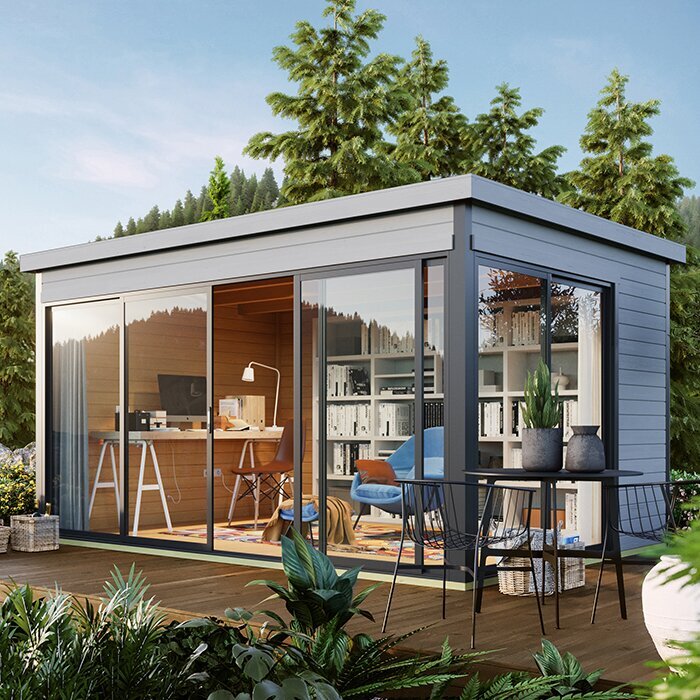
Review how the old shed was used
Before browsing new models, write down what actually went into the old shed and how often each item was used. Separate everyday tools from seasonal equipment, long-handled items, containers and anything that had to stay outdoors. Include tasks carried out inside, such as potting or repairs, only if they will remain part of the plan. Note quantities and the size of the bulkiest pieces, not just broad categories. This inventory helps distinguish a genuine storage shortage from an arrangement problem, or from belongings you no longer need to keep. Ask other household members what they use there so a shared shed is not planned around one person’s routine. Photographing or labelling groups of items can make the list easier to check later, particularly when the old shed has been emptied. Record items that are borrowed, rarely used or due for replacement, so they do not inflate the storage requirement for the new building.
Record where the old layout caused problems, too. Were everyday tools hidden behind less-used boxes? Could the largest item pass through the entrance without awkward manoeuvring? Did stacking make the contents hard to reach, or did the floor become a landing place for things with no proper home? Note what worked as well, such as a useful approach from the house or a convenient spot for frequently used equipment. If the shed is being replaced because of deterioration, treat that as a separate issue: its condition does not by itself show that its size or arrangement was wrong.
Measure the space around the shed
Measure the space you can genuinely allocate, not merely the old shed’s outside edges. Record the available width and depth, then note paths, planting, walls, gates, windows, overhanging branches and other features that may restrict placement or movement. If the site is irregular, measure at more than one point and use fixed landmarks so you can describe it accurately. Include the approach from the house or gate and any route needed to bring the new building or its parts into the garden. If an obstruction can be moved, count on that only if you plan to move it before installation.
Treat the old footprint as a reference, not a guarantee of fit. Compare your measurements with any external dimensions published for each candidate, and check what those figures include. When reviewing the Verdana 1 garden shed listing, record the dimensions actually stated rather than estimating from the product name or image. If a drawing or measurement is unclear, ask for clarification. Mark the proposed outline temporarily on the ground, then check that the route, entrance and nearby doors remain usable; this catches conflicts that a simple length-and-width comparison can miss.
Size storage around the items you will keep
Use your inventory to size the inside, not just the outside. Measure the largest items at their widest and tallest points, including handles, wheels or cases that stay attached. Note which pieces need to be carried straight in, wheeled through, lifted onto a shelf or pulled out regularly; a tight fit can become impractical even if an item technically fits. Include containers and fixed equipment in the plan, because they also occupy floor or wall space. If boxes are stacked, allow room to open them or remove one without having to shift the whole pile. Group items by how often they are retrieved, placing regularly used equipment where it can be reached without moving heavier or less-used possessions. This turns a list of dimensions into a workable storage arrangement rather than a calculation of maximum capacity.
Decide what amount of spare room is genuinely useful. A replacement need not house every object simply because the old shed did: sort items into keep in the new shed, store elsewhere and remove. If you expect a specific purchase or activity, allow for that named item rather than an undefined future margin. Consider whether anything can be stored vertically, but count it as an option only if the layout and storage method support it. While reviewing the Verdana 2 garden shed listing, compare its published dimensions with your item list rather than reading size into the model name.
Check the opening against what needs to pass through
Check the entrance against the largest item, not an average one. Compare the clear opening dimensions stated by the seller with the item’s width and height, then consider the space needed to turn or manoeuvre it from the path into its storage position. Wheels, handles and long tools may make the movement harder than the bare object dimensions suggest. For a wheeled machine, compare its widest point with the clear opening, not just the distance between its wheels. Also check whether the route is narrow, stepped or interrupted. If exact opening dimensions are not available, ask before selecting a model.
How the door opens also affects the approach area. For a hinged door, account for its swing; for a sliding or folding arrangement, check the stated clearance and opening details rather than assuming the panel moves out of the way. Think about where a frequently used wheelbarrow, mower or tool will sit after entry, and whether it blocks other contents. When comparing the Durano garden shed listing, record any published access details alongside your measurements; do not judge the opening from a photograph alone.
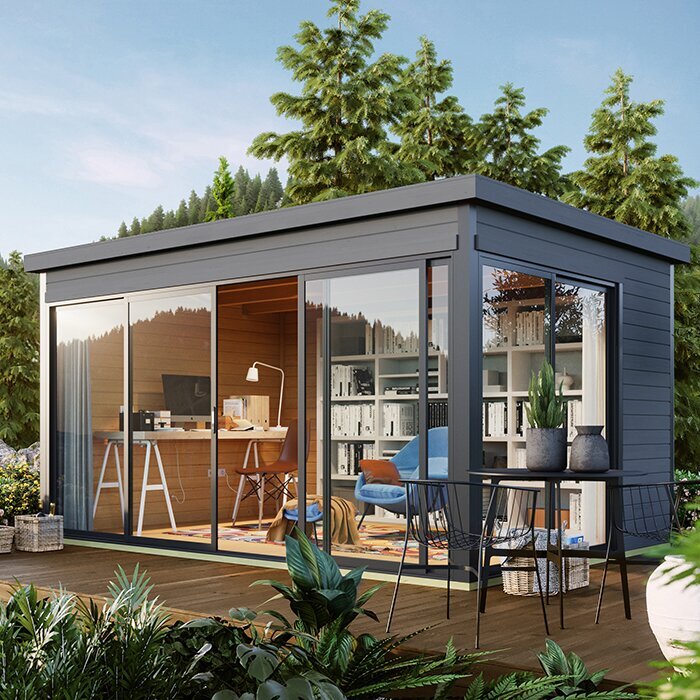
Decide whether the shed will still be storage-only
Decide whether the replacement will store tools alone or support another regular activity. A shed used for potting, repairs or a hobby needs room for the activity as well as the things put away afterwards. Think through where you would stand or sit, whether a work surface is required, and how stored items can remain reachable while the task is under way. If several uses must share one building, identify which one takes priority and whether you can keep them separate without blocking the entrance. A temporary work surface may be enough for occasional tasks; it need not dictate the whole layout. Consider the timing of each use as well: equipment that is only put away after gardening may need a different position from materials kept close to a work area. Naming the routine helps prevent a general-purpose plan from becoming cluttered once the shed is in use.
Some activities require a particular amount of natural light or airflow. State that need plainly, then verify any relevant openings or features in the written product information; photos and a model name cannot confirm them. If a planned use depends on electrical or plumbing work, discuss feasibility and sequencing with a qualified professional before buying. Use the Veltor 1 garden shed listing as one page in your comparison, checking only the features actually described rather than assuming they suit a particular activity.
Check how the internal layout uses the available space
Outside dimensions help you judge whether a structure may fit the site, but they do not necessarily show how much usable floor or wall space you will have. Check whether each measurement refers to the exterior or interior, and look at any supplied plan for the position of doors, windows and fixed elements. Plot the largest stored items on the plan where dimensions allow. This can reveal when a footprint that looks adequate leaves too little clear floor, or puts an entrance where you need storage. If there is no plan, ask about the internal dimensions rather than relying on a guess.
Make the comparison in the same terms across product pages. For the Orello 1 garden shed listing, note which internal and external measurements are actually supplied and whether the selected variant is clearly identified. Do not assume that another product’s drawing or dimensions apply to it. If a plan uses unexplained labels or omits a measurement you need, ask the retailer to clarify before comparing it with alternatives. That matters when the layout determines whether your largest pieces can be placed without blocking everyday access.
Check the proposed position and base
An existing shed’s position may have been chosen for convenience at the time, but the garden around it may have changed. Check how the proposed spot relates to paths, doors, planting, overhanging branches and areas you need to reach for routine garden work. Notice where rainwater travels and whether the ground changes across the proposed footprint. Consider exposure to sun, wind and rain, then ask what conditions the selected product is specified for. These are questions about the site; they are not evidence that a particular product will suit it. Revisit the position at the times when you normally use the garden, because a route that appears clear at one moment may be occupied by bins, parked equipment or an opening gate. Leave practical access to maintain nearby planting and to move stored items in and out.
Do not assume the old base is suitable just because the old shed stood on it. Compare the replacement’s stated footprint and base or surface requirements with what is already there, and check whether the existing base can be reused. The Modano 1 garden shed listing is one place to look for product information, but use the current details rather than its name or image to make that comparison. If the surface, drainage or preparation needs are unclear, ask the supplier or a qualified installer. Where property rules apply, confirm them with the relevant body before ordering.
Plan removal and ordering logistics
Removal and replacement happen as a sequence, so decide what needs to come out of the shed and where it will go in the interim. Keep essential tools accessible, separate items to retain from those to remove, and avoid assuming the new building will be ready as soon as the old one is cleared. Check access for any removal team, delivery or assembly activity, including gates and tight turns. If the old structure is unstable or difficult to dismantle, arrange an appropriate professional assessment rather than treating dismantling as an automatic do-it-yourself task. Plan for weather-sensitive contents while the site is being cleared, especially items that cannot safely be left outdoors. Clearing unwanted materials before the replacement arrives can also make the access route easier to inspect and reduces the chance that retained equipment is mixed with material intended for disposal.
Before placing an order, establish what the purchase includes and what you must arrange separately. Ask about the product components, required preparation, assembly arrangements, delivery access and whether removal of the existing shed is excluded. Details can vary, so get answers for the exact model and destination instead of assuming a standard package. Use the Wooden Garden Tool Shed M listing as a prompt to check its product-specific information, then confirm any point that affects your schedule, access or site before committing.
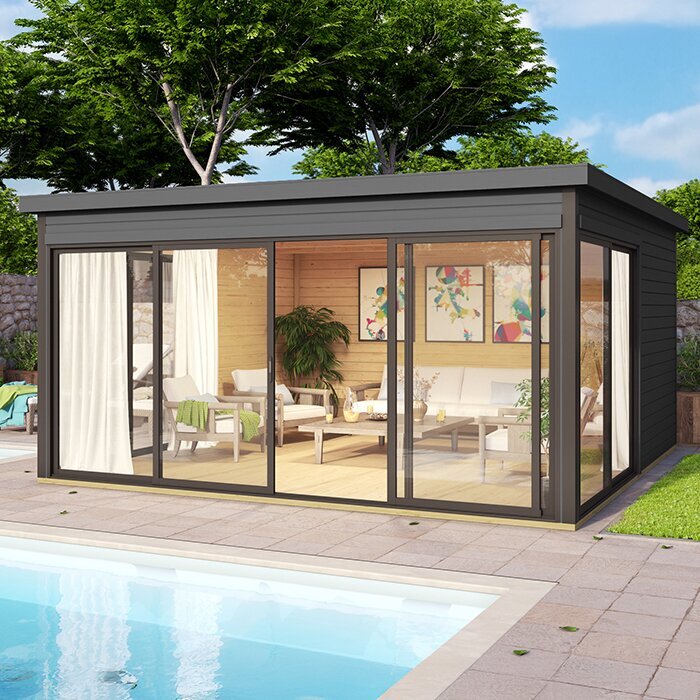
Compare product listings using the same criteria
Compare candidates in a simple table, using one row per exact product or variant and the same questions for each. Include external dimensions, available internal measurements, opening details, layout, stated base requirements, intended use and what is included. Mark each item as confirmed, unclear or not applicable; that prevents a missing figure from being mistaken for a match. A label such as S in the Wooden Garden Tool Shed S listing is part of the product name, not a substitute for its stated measurements.
Separate must-haves from preferences before looking at appearances. The site may set a maximum footprint, while the equipment sets minimum opening and interior needs; those are harder constraints than a finish or style you could live without. Compare upkeep or assembly information if it affects how you intend to use the building. If a product page leaves a must-have unanswered, pause and ask rather than filling the gap from a picture or a similar model. Keeping the same checklist for all options makes the comparison fair and easier to review.
Write a clear brief for the replacement
Turn your review into a short replacement brief: what must be stored, what activities will happen inside, the available site dimensions, the required opening and any site conditions that need confirming. Add explicit fixes for the old shed’s problems, such as easier access to frequently used items or a layout that keeps bulky equipment clear of the entrance. Keep must-haves separate from preferences. This gives you a practical basis for comparing options instead of replacing the old building by habit. Include the date of your measurements and the exact items used for comparison, so you can revisit the brief if the site, inventory or chosen variant changes. A concise written brief is also useful when asking a supplier a specific question.
Use the brief to rule out options that fail a non-negotiable requirement, then compare the remaining candidates on their documented features. If none fits, revisit the inventory or proposed position rather than stretching a critical measurement. Before ordering, check the exact product name or variant against its current information and keep the answers to any questions you asked. The old shed has served as evidence of how you use the garden; the replacement should suit those needs now.
Frequently asked questions
Should a replacement shed match the old one’s footprint?
Not automatically. The old size may have been too large, too small or poorly arranged for your current needs. Recheck your inventory and site measurements, then compare them with the replacement’s published dimensions. Keep the old footprint only if it still suits the garden, access route and items you plan to store.
Can the existing base be reused?
Possibly, but don’t assume it will suit a different shed. Compare its dimensions and condition with the new product’s stated footprint and base requirements. If you are unsure whether the surface is suitable, ask the supplier or a qualified installer before ordering.
What should I measure before choosing a garden shed?
Measure the available site, the largest items you intend to store and the route those items must take through the entrance. Also account for the door’s opening area, nearby paths and obstacles, and any space needed to reach or use the shed.
How can I check whether equipment will fit through the door?
Compare the equipment’s widest and tallest points with the clear opening dimensions supplied for the shed. Allow for handles, wheels and the room needed to turn or manoeuvre the item. If the opening details are not clear, ask the seller rather than estimating from a photograph.
What should I confirm before placing an order?
Check the exact product or variant, its published dimensions and any relevant base requirements. Ask what the purchase includes and what you must arrange separately, such as preparation, assembly, delivery access or removal of the old shed. Confirm any detail that could affect whether the replacement fits your site or routine.
Replacing a shed works best when it preserves what was useful and corrects the problems that made the old one frustrating. An inventory, measured site and clear use plan give you a better basis than copying the previous footprint. Compare current product information, resolve uncertainties before ordering, and choose a replacement that fits both the garden and the way you use it now.
