
Buying a Garden Shed for a Coastal Location
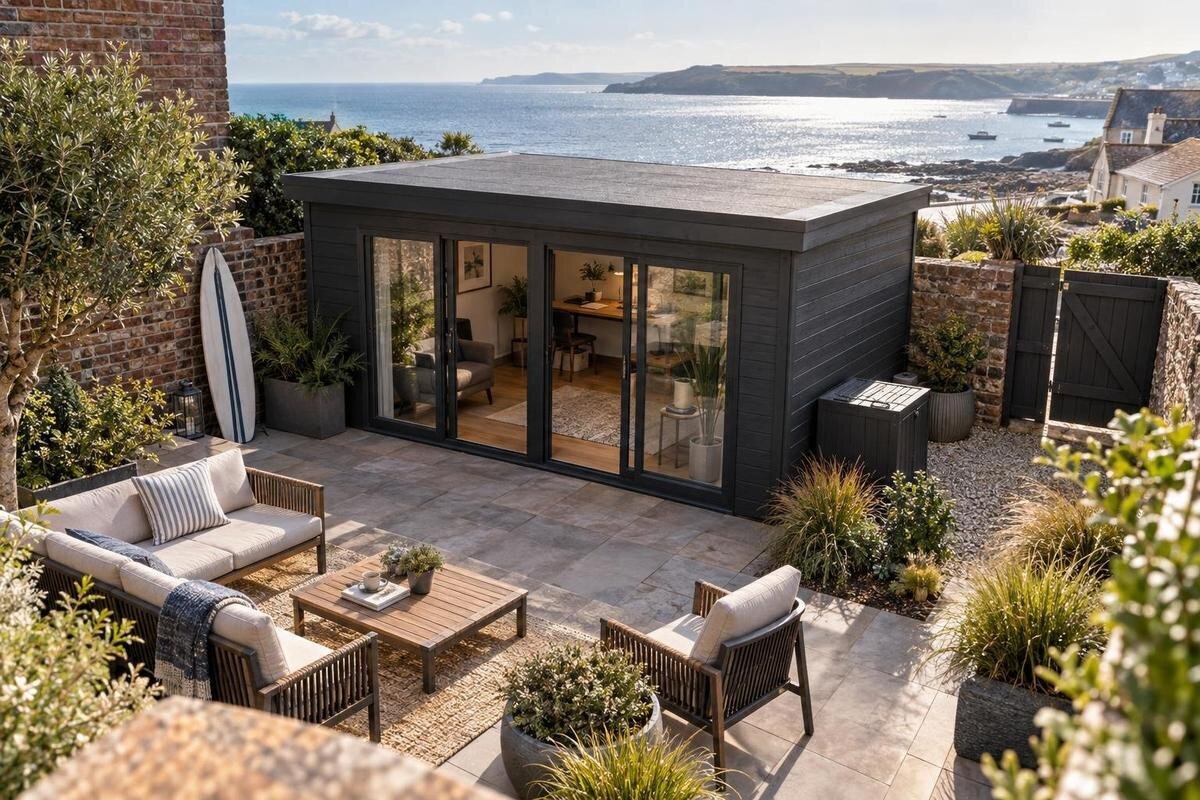
Coastal garden shed buying guide
Buying a garden shed for a coastal property calls for more than choosing a size and appearance. Salt carried in the air, wind-driven rain and lingering damp can affect a shed’s surfaces, fixings and the work needed to keep it in good condition. Conditions vary from a sheltered courtyard to an exposed garden, so there is no single material or model that suits every coastal site. First assess the proposed position and what you need to store. Then compare documented construction, hardware, anchoring, base requirements, maintenance and delivery arrangements, so the choice reflects the conditions the shed will actually face.
Assess the exposure at the exact site
Coastal exposure is not the same in every garden. Sea spray can travel with wind, while onshore gusts and driving rain may reach one side of a property more than another. Walls, neighbouring buildings and hedges can offer shelter, but a corner or gap between buildings may funnel wind. Shade and poor air movement can also leave surfaces damp for longer. Distance from the shoreline alone is therefore a weak guide: nearby properties can experience different levels of salt, wind, wetting and drying. Consider these factors separately rather than treating “coastal” as one uniform condition. Note whether the proposed position is open year-round or sheltered only when nearby vegetation is in leaf.
Visit the exact spot at different times, and note what happens during or after unsettled weather if you can: which faces receive wind-driven rain, where water pools, and whether paving or a roof throws runoff towards the shed. Check for irrigation, taps, branches and dense plants that could keep a wall damp or block inspection access. Mark the intended orientation and the most exposed sides on a simple site sketch. A calm viewing does not reveal every condition, and the garden’s most sheltered corner may not suit your storage needs. These observations give the supplier useful context when you ask about finishes, fixings and anchoring.
Compare materials and protective finishes
Material labels are only the beginning of a coastal comparison. Timber, metal and synthetic panels weather differently, and the performance of a finished shed depends on more than its broad material category. Ask what the walls, roof, frame and floor are made from, which parts receive a protective treatment, and whether cut ends, joints and underside faces are covered. For timber, establish whether it is supplied treated and what finish needs renewing. For metal, ask about the base material and coating; for synthetic materials, ask about suitable cleaning methods and any stated exposure limits. Do not assume that “durable” means maintenance-free or suitable for every exposed site.
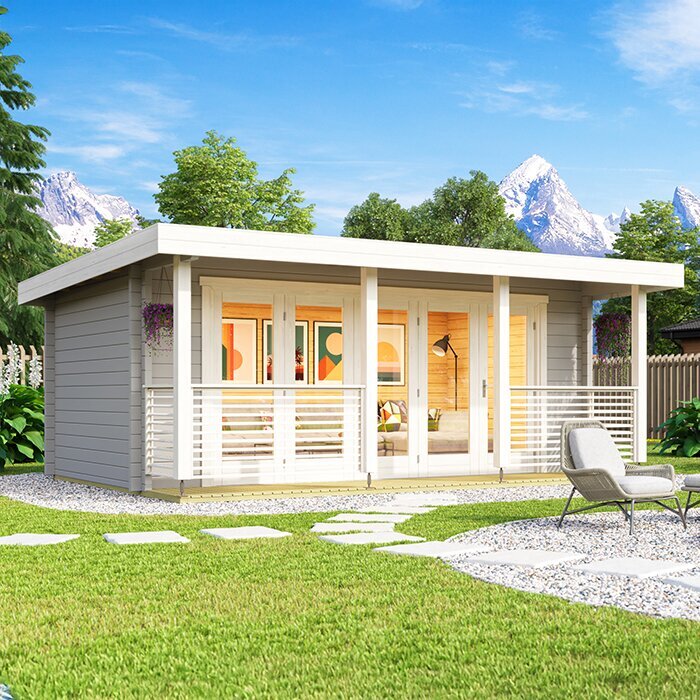
Use the Verdana 1 garden shed page as one line in your comparison, but record only construction and finish details that the product information actually states. A photograph cannot show the composition of a concealed frame, treatment on the underside or how a cut edge is protected. If any details are missing, ask the supplier to confirm them in writing and request the recommended cleaning and re-treatment products. Also ask whether suitable replacement panels or finish products are available if weathering eventually calls for a repair. These answers make it easier to compare upkeep rather than ranking options by a material word in a title.
Check fixings and exposed hardware
Fixings deserve their own check because a shed can have several types of metal parts: screws, bolts, brackets, hinges, handles, latches and, where supplied, door tracks or anchoring hardware. Not every component is equally sheltered from salt and wetting. A coated wall may still be paired with exposed hardware that needs attention, and corrosion on small parts can make a door difficult to use or a joint harder to maintain. Ask for the specified material and protective finish of exposed components, not just a general description of the main structure. Check whether the answer covers all external fittings or only the visible frame.
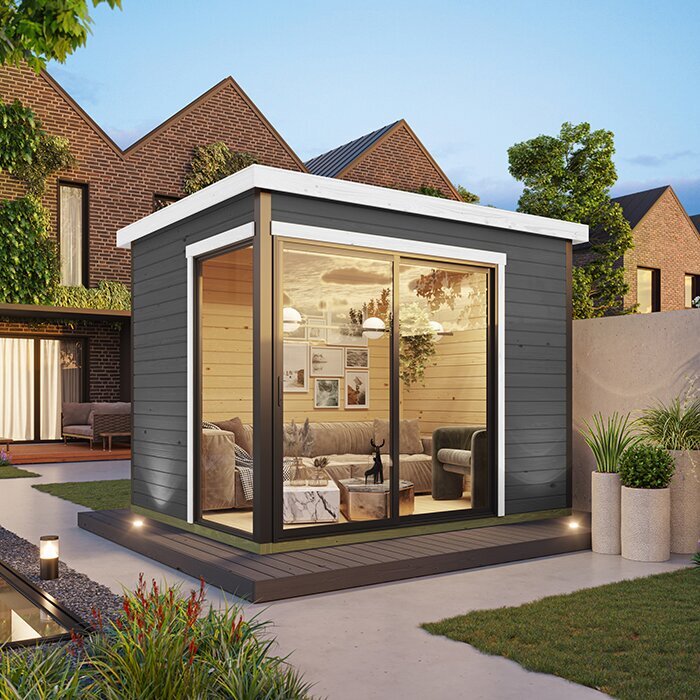
Descriptions such as “rust-resistant” or “coastal-ready” are not a substitute for identifying the metal and finish. Where different metals meet, ask the manufacturer whether that combination is suitable and what fixings should be used if a part must be replaced; avoid improvising a substitute. When reviewing the Garden Shed Verdana 2 listing, look for information on hinges, screws and other exposed hardware. If it is not stated, ask before purchase rather than assuming all fittings have the same protection as the panels. Keep any written answer with the installation and care documents.
Confirm wind suitability and anchoring
Wind exposure affects more than whether a shed feels sturdy. Gusts can act on broad wall and roof surfaces, while an open approach, a gap between buildings or a corner can change how air reaches the structure. Wind-driven rain can also reach openings. A sheltered position may reduce direct exposure, but do not treat a nearby wall as a guaranteed windbreak: airflow around buildings is site-specific. Avoid judging suitability from a product’s apparent weight, overall shape or a general phrase such as “strong construction”. Those details do not establish what wind conditions a particular model and installation can withstand.
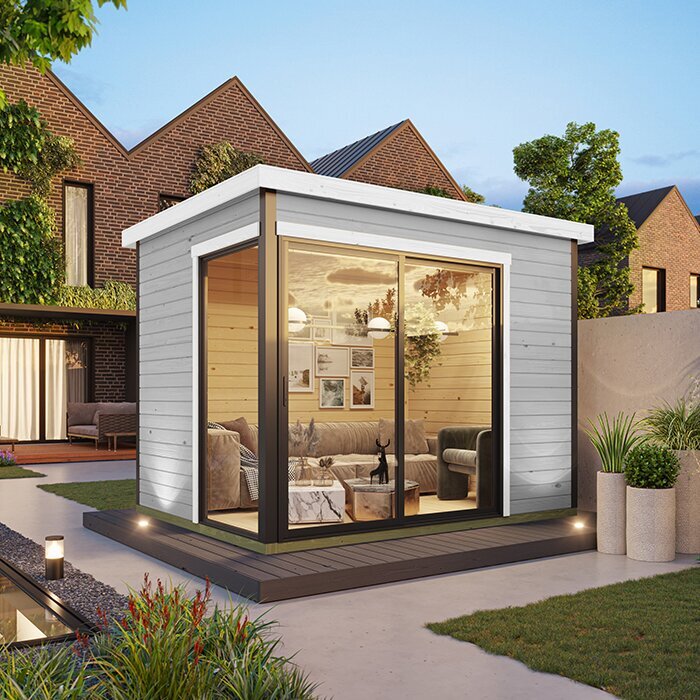
Before ordering, ask whether the supplier has wind-suitability information for the exact model and what base, anchoring points and installation method that information assumes. A wind statement is useful only when it can be matched to the site, the complete structure and its required fixings. Do not estimate wind loads or improvise anchors from online advice. For an exposed position or uncertain ground, take the supplier’s instructions to a qualified local building professional and ask for an assessment. The Durano garden shed page is a candidate to check against that documentation; its name or image alone cannot confirm wind performance. Resolve important gaps before paying or arranging site preparation.
Plan the base and manage water
Moisture management begins with the ground below the shed. Ask what kind of base the chosen model requires, whether it must be level, and how the installation instructions address drainage and ground clearance. A base that does not suit the design can leave lower edges exposed to splash or standing water; soil or paving that stays wet can also make the area harder to inspect and maintain. Look at the route water takes after rain, including runoff from roofs, paths and garden taps. The aim is not to apply one base rule to every property, but to make sure the proposed base and site conditions match the manufacturer’s written requirements.
Check the Veltor 1 garden shed product information for stated base, preparation and installation requirements, then ask about anything it leaves unclear. Do not infer the base from a model name or picture, and do not assume a shed can be adjusted to accommodate an uneven site. Note nearby drains, irrigation and planted areas that could keep the structure damp, as well as whether there will be access to inspect the underside and lower wall edges later. If the ground is sloping, soft, waterlogged or otherwise uncertain, ask a qualified local professional what preparation is appropriate for that site. Choose a model only once its installation plan looks feasible.
Consider the maintenance you can manage
Compare maintenance as a continuing task, not just a line in the product description. Salt deposits, rain, shade and sun can affect surfaces differently, and the right cleaning or treatment depends on the stated material and finish. Ask how to clean each exterior surface, whether a protective coating must be renewed, how often the manufacturer recommends inspection, and what signs indicate that repair is needed. Avoid applying a generic stain, cleaner or rust treatment without checking compatibility: the wrong product could damage a finish or conflict with the care guidance. A clear routine is more useful than a broad promise of low upkeep.
Think through whether you can reach all sides of the shed, including corners near a fence, beneath eaves and around door hardware. Leave room for inspection when positioning it; a narrow gap that looks tidy can make cleaning or repair difficult. Ask what to check after heavy rain or strong wind, and whether the care guidance changes for a more exposed site. For the Orello 1 garden shed, as for any shortlisted option, look for specific care instructions and note unanswered points beside the finish and fixing details. The practical choice is the one whose upkeep fits your time and access, not a theoretical minimum inferred from its appearance.
Size the shed for the items you will store
Choose a size from a storage list, not a label such as “compact” or a number in a model name. Measure the longest and bulkiest items, including handles, and decide whether they need to stand upright or lie flat. Then compare the published external footprint with the internal dimensions, door opening, threshold and usable wall height. These measures answer different questions: an exterior footprint does not show how easily equipment will fit through the entrance or how much room shelves will occupy. Allow space to move items in and out without having to unload everything stored in front of them.
Measure the space around the proposed site as well, including room for doors to open and for you to carry equipment. Check whether shelves, hooks or other storage additions are included or optional before counting them in the layout. If you expect the contents to change, spare capacity may be more useful than choosing the smallest possible footprint, but it should not compromise access or a suitable base. Use the Modano 1 garden shed listing to note the dimensions and layout actually published; if an opening size or interior measure is absent, request it rather than estimating from an image. This keeps the comparison tied to usable capacity.
Check doors, ventilation and security
Openings matter in a coastal setting because wind-driven rain and salt can reach around doors, vents and joints. Check where the entrance would face once the shed is positioned, what door arrangement is specified, whether a threshold or weather seal is mentioned, and how the door closes. The product information should explain what protection is provided rather than relying on the word “weatherproof”. Consider whether you can reach the entrance without stepping through a puddle or moving stored items, and whether the hardware can be inspected and replaced. No door design removes the need to consider site exposure and installation.
Assess ventilation and rain protection together. Air movement can help surfaces dry, but an opening may admit wind-driven rain if its placement and design are not suited to the exposure. Do not cover vents or seal gaps without the manufacturer’s advice. Ask whether openings can be closed, what conditions the maker expects, and whether the shed is suitable for items that need to remain dry. Include the latch and lock in the hardware check, especially if the structure will be unattended for long periods. Judge the Wooden Garden Tool Shed M listing by its stated door, ventilation and locking details, not by its title or category wording.
Check delivery, installation and aftercare
Delivery and assembly can affect which shed is practical for a coastal property. Measure gates, narrow paths, turns and overhead clearance from the unloading point to the final position; also note steps, soft ground and places where a vehicle cannot stop. Ask the supplier what arrives in each package, whether parts need to be carried along access routes, how unloading is handled and whether assembly is included. Confirm who prepares the base, who installs the structure and what must be ready before delivery. A suitable model is not a workable order if its components cannot reach the site or the installation requirements cannot be met.
Read the product and ordering terms for maintenance obligations, warranty scope, exclusions and the process for replacing damaged or corroded parts. Ask whether cover depends on particular installation, treatment or cleaning, and whether coastal exposure affects any conditions; do not assume what is covered. The Wooden Garden Tool Shed S listing is another page to check for installation and aftercare information, with missing points confirmed in writing. Check with the relevant local authority or a qualified local professional about any approvals or site requirements that apply, rather than relying on a general rule found online. Keep the final specification and care instructions with your purchase records.
Compare complete specifications before deciding
Bring the comparison together in a simple table, with one column per candidate and rows for the material of each main part, protective finish, exposed fixings, wind and anchoring information, base requirements, dimensions, openings, maintenance, delivery and aftercare terms. Mark each detail as stated, confirmed by the supplier or still unknown. Treat a blank as a question, not a neutral score. Compare the full installed cost as well, including any separately quoted base, preparation, assembly and finishing work. These costs vary by site and option, so use actual quotes rather than a rough figure. A table is particularly helpful when two listings use similar broad descriptions.
Give more weight to details that affect your exposure and storage needs than to decorative features. Be cautious if a seller uses a broad phrase such as “coastal-proof” without identifying the protected parts, fixing materials, wind assumptions and maintenance conditions. Ask for clear written answers and check that they refer to the exact product and installation. If essential information remains unavailable, do not treat the gap as proof that the shed will fail, but do not buy on an assumption either; compare an option with clearer evidence or seek professional advice. Your shortlist should end with a shed that fits the site, can be maintained and has a verifiable installation plan.
Frequently asked questions
What matters most when buying a garden shed near the coast?
Start with the exposure at the exact installation point, then check the shed’s stated materials, finishes, fixings, wind and anchoring information, base requirements and maintenance. Distance from the sea alone does not show how much salt, wind or rain the shed will face.
Which material is best for a coastal garden shed?
There is no single material that is best for every coastal site. Compare the material of each main part, how exposed surfaces and edges are protected, the care instructions and the availability of suitable replacement parts. Judge the complete specification rather than a broad material label.
Are stainless-steel or galvanised fixings always suitable near the sea?
Not automatically. The exact material and finish, how the fixing meets other components, and the manufacturer’s installation advice all matter. Ask what is specified for the exposed parts and use compatible replacements if anything needs to be changed.
Does a heavier shed automatically cope better with coastal wind?
No. Weight alone does not confirm that a particular shed and installation suit an exposed site. Ask for information about the exact model, its required base and anchoring method, and get advice from a qualified local building professional if the site is exposed or the ground is uncertain.
How often should I maintain a garden shed near the coast?
There is no single interval for every material and finish. Follow the manufacturer’s care instructions and ask whether they change for a more exposed site. Regularly check the surfaces, fixings and openings for signs that cleaning or repair is needed.
Coastal buying is a question of fit between the shed, the exact site and the care you are prepared to provide. A suitable size is not enough if the exposed hardware or anchoring remains unclear; a protective finish is not helpful if the base leaves the structure persistently wet. Compare the complete specifications and practical installation obligations, and settle any important wind or ground questions before ordering. That leaves you with a choice based on the conditions your shed will face, rather than a coastal-sounding label.
