
Buying a Garden Shed for a Corner of Your Garden
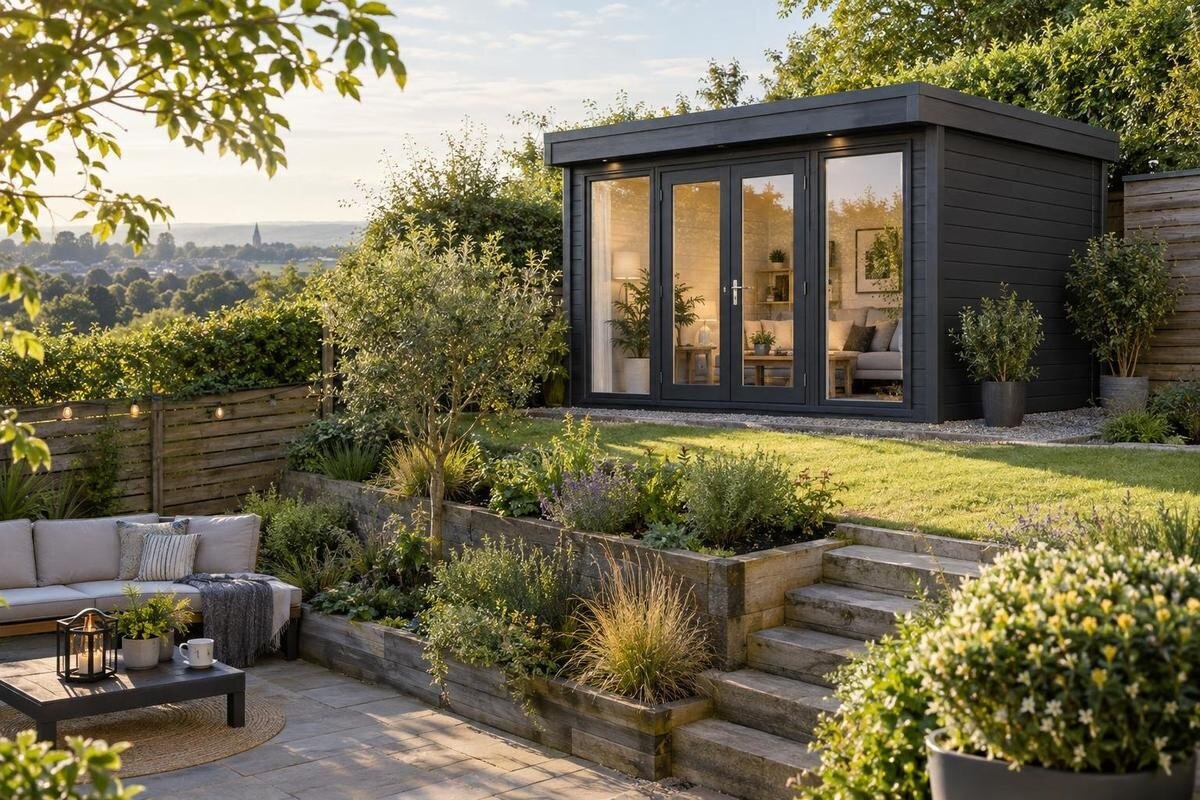
Garden shed buying guide
A garden corner can seem like an obvious place for extra storage, yet a shed that fits the ground may still block a route or be awkward to use. When buying a garden shed for a corner of the garden, assess the shape of the site, the space around the doorway and the path to the building, as well as the items you want to store. The aim is to compare actual model information with a measured site, not to rely on a product name or a photograph.
01
Decide what you need the corner to store
A corner may look like unused space, but a shed placed there can affect how you reach a tap, gate, compost area or garden bed. Start by listing what you want to store, including the largest item and anything you use often. A mower, long-handled tools, pots, boxes and seasonal equipment create different requirements for floor area and access. Note which items need to stay upright, which should be easy to lift out, and whether you expect your storage needs to grow. Include any containers that are normally moved only occasionally, because they can still determine the depth needed at the back of the shed. This list gives you a realistic storage brief before you compare models.
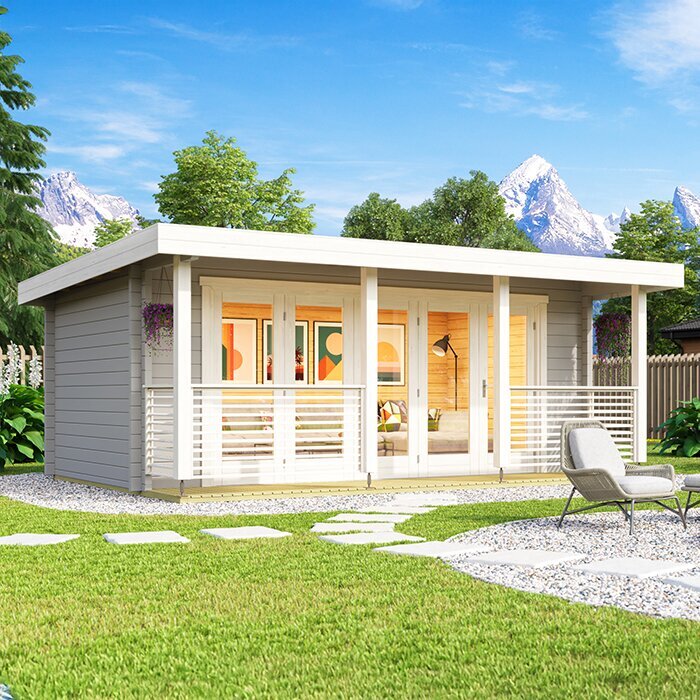
Think about how each item will be carried through the gate, turned inside and brought back out. A shed that holds everything only when tightly packed may not work well for everyday use. Separate frequent-use items from those that can sit further back, and decide whether you need to step inside or mainly reach in from the doorway. Leave a simple route to the items used after rain or during busy gardening periods, when you are less likely to want to rearrange stored equipment. The Verdana 1 garden shed listing is one page to compare against your inventory: use the dimensions and layout information stated for that model, and ask about anything essential that is not specified. A name or photograph alone cannot establish capacity.
Measure the usable corner, not just its boundaries
Measure the space at the proposed base position and record how much uninterrupted length remains along each boundary. A fence post, wall return, gate, outside tap, drain cover or raised bed can reduce the usable area, even when the garden itself seems spacious. Note nearby doors and gates that need to open, too. Do not assume the corner forms a right angle: fences and walls may meet at an angle, or the available width may change along its length. Measure from fixed points rather than from plants, pots or movable furniture, so the sketch reflects the space that will remain available after the garden is tidied.
Make a simple sketch with the boundary lengths, fixed obstacles and the direction of access marked. If the edges are uneven, take measurements at several points rather than relying on one reading. Keep units consistent, and distinguish the clear space from the full length of a fence or wall. Record the measurement date as well, especially if plants, stored materials or movable containers currently narrow the area and may later be moved. As you compare candidates, add the garden shed Verdana 2 listing only when you can match its stated dimensions to your sketch. If a key figure is missing or unclear, ask before treating the model as a fit; a product image is not a scale drawing.
02
Compare the shed footprint with the stated dimensions
A shed’s advertised width and depth may describe different parts of its outline. Check whether the figures refer to the floor or base, the walls, or the outermost roof edge. If the design has projecting roof edges, they may take up more space than the wall footprint. Also distinguish outside measurements from the usable interior: walls, frames and the door opening can make the inside smaller than the area suggested by the overall dimensions. Where dimensions are presented in a table, identify the unit used and avoid rounding figures on your site sketch, as small differences can matter in a confined corner.
Look for a dimension drawing or a clear description of how measurements are taken. If height matters for items you plan to store, check what the stated height measures and where the lowest and highest points are. Do not infer these details from the model name or a photograph. Write the external and internal figures in separate columns in your comparison notes, so a larger outside size is not mistaken for more usable storage. For the Durano garden shed listing, for example, compare only the measurements and layout details stated for that model; contact the seller if you cannot tell which edges a figure describes. Consistent measurement conventions make it easier to compare candidates fairly.
Allow for the door opening and entry
A shed can fit its corner and still be awkward if the doorway faces the wrong way or cannot open fully. Check the door’s position, the clear width and height of the opening, and how it operates. A hinged door needs room for its swing; a sliding door does not use the same swing space, but its opening and track still need to be accessible. Treat these as details to verify for the particular model rather than assumptions based on a product image.
Use your largest stored item as a practical test. Picture carrying it from the garden path to the entrance, lifting it over any threshold and turning it into the shed. Check that the open door will not block a gate, path or other feature you use. It is also worth considering the space needed to pause while unlocking the door or setting down an item before putting it away. Allow for the person carrying the item as well: an opening that is just wide enough for equipment may still be uncomfortable to use safely and repeatedly. When reviewing the Veltor 1 garden shed listing, look for the stated entrance information and ask for clarification if the opening or door position is not clear. The best-looking orientation is not useful if you cannot get your equipment through it.
03
Check the route to the corner before delivery
The shed’s final position is only one part of the fit. Trace the route from the likely delivery or unloading point to the corner, measuring the narrowest gate, path or passage and noting tight turns, steps and overhead obstacles. A building or package may need more room to pass through than the finished shed occupies. Do not assume that a model arrives assembled, or that its components can be carried through every access point. Take photographs and note measurements of difficult turns for your own planning, especially where a side passage changes width or has a low branch, eave or cable overhead.
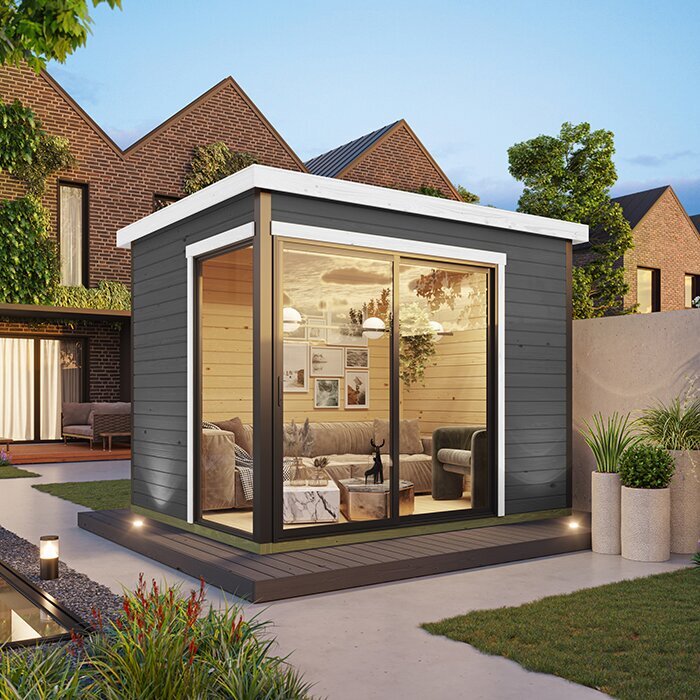
Check the product information for packaging dimensions and assembly requirements if these are provided, and confirm any missing details with the seller. Find out who is responsible for unloading and carrying the parts to the final position, and what space is needed to assemble the shed. Consider temporary obstructions too, such as parked vehicles, bins or narrow side passages that may affect access on the relevant day. The Orello 1 garden shed listing can be assessed in the same way: the model name does not tell you how it is delivered or assembled. Confirming these practical arrangements before ordering can prevent a suitable-looking footprint from becoming an impractical delivery.
Match the interior to the stored items
Once you know the outside footprint, compare the usable interior with the items on your list. Check interior width, depth and height where those figures are available. Measure your largest objects, including handles, wheels or cases that affect how they pass through the doorway. An item may fit on the floor but be difficult to position if you cannot angle it through the entrance or leave enough room to reach other belongings. Group items by the space they require when being removed, rather than only by their stored size, since a wheelbarrow or mower needs a clear route to leave the shed.
Decide how you intend to arrange the contents before counting on every part of the floor as usable storage. Shelving, hooks or other fittings may be optional or may not be included, so check the product details rather than assuming they come with the shed. Photos can also show staged items that are not part of an order. Leave space to remove one item without having to take out several others, particularly where tools and seasonal equipment are stored together. Apply the same questions to the Modano 1 garden shed listing as to any other candidate: compare its stated interior information with your actual belongings, and ask about included fittings if the listing does not say.
04
Review the ground and surroundings at the chosen position
Look at the corner through ordinary conditions, not only when the garden is dry and clear. Notice where rainwater flows or collects, whether overhanging branches drop leaves, and how much sun and shade reach the spot. These conditions can affect how convenient the location is to maintain and how easily you can keep the area around the shed clear. Also consider whether placing a shed there would cover a drain, access point or other feature you need to reach. Check the spot after rain if possible, and look for signs of standing water, soil wash or water running from a neighbouring surface towards the proposed position.
Before ordering, check the manufacturer’s instructions for the required base and site preparation. Do not assume that a photograph shows the base arrangement, or that every shed suits every surface. If the ground is uneven or you are unsure what preparation is appropriate, ask the supplier or a qualified installer rather than relying on guesswork. Plan where excavated soil, tools and building materials can be placed while the site is being prepared, without obstructing the access route or damaging planted areas. When reviewing the garden tool shed M listing, use its stated product details to check material, care and preparation requirements; do not infer these from the name. Keep enough access for any maintenance the instructions call for.
Preserve everyday access around the shed
Decide which way the entrance should face by looking at how you move through the garden. A door that opens towards a path, gate, washing area or frequently used bed can make a well-sized shed inconvenient. Allow for the route you need to walk with equipment in hand, not just the space occupied by the shed itself. Think about where you will stand while taking items in and out, and whether you can still reach other parts of the garden. Consider who will use the shed most often and the direction from which they normally approach it, as this can make one orientation noticeably easier in daily use.
Consider access to the sides as well as the front. You may need room to clear leaves, inspect the exterior or carry out care described in the product instructions. If the corner is tight, check whether those tasks can still be done without moving stored items or disturbing a boundary. Consider how the route works when the door is open and when garden tools, wheelbarrows or bins are temporarily nearby. For the garden tool shed S listing, compare the actual stated outline and entrance position with this access plan; do not treat a model label as a measurement. A modest change in orientation can sometimes preserve a useful path without changing the storage brief.
05
Confirm what the order includes
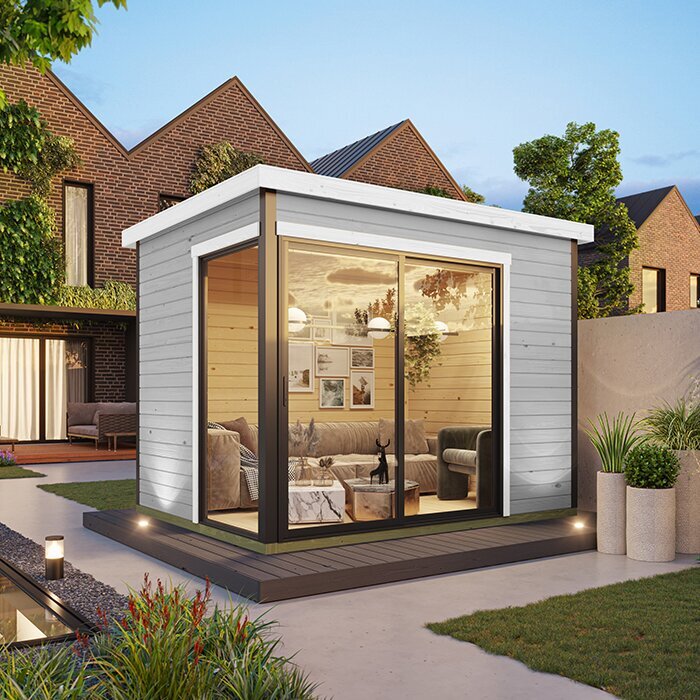
Before selecting a model, read the product information for the exact item you intend to order. Confirm its dimensions, door position, stated materials and finish, and whether a floor, glazing, fittings or other pictured elements are included, where relevant. Check the assembly instructions and any requirements for the base. These details can vary between models, so do not transfer information from a similar-looking shed or another product page. Save or print the relevant product details while comparing options, so you can return to the exact information used for your measurements if a listing is updated or you revisit the decision later.
Review the ordering and delivery terms as well. Confirm what is included in the quoted purchase, whether unloading or assembly is part of the arrangement, and whether you need to organise any separate site preparation or additional fittings. Keep a list of unanswered questions alongside each model, rather than relying on details remembered from several product pages. If a detail affects the fit or the planned cost and it is not explained clearly, ask the seller for written clarification before placing the order. Keep the response with your product notes so you can compare candidates on the same basis, rather than making a decision from photographs or assumptions.
Test shortlisted dimensions at full scale
Before you commit, mark the proposed footprint on the ground using the dimensions that match the shed’s outermost edges. String or another visible marker can show how the outline sits against the fence, wall and nearby features. Include any projecting roof edge indicated in the product information. Then mark the door’s opening area and walk the route from the garden path with an object of similar size to your largest stored item. This simple test can reveal a tight turn or blocked path that a sketch alone may not make obvious.
Compare shortlisted models by how well their stated dimensions, storage space and access work together, not by which one fills the corner most completely. If a shed only fits by blocking a gate, covering something you need to reach or making its contents difficult to remove, reconsider the position or the storage plan. Recheck the marked footprint after walking through the garden’s usual routines, including taking out bins, tending beds and moving larger equipment. If site preparation, boundaries or other constraints are unclear, ask the relevant local authority or a qualified professional before ordering. A smaller or differently placed option may be more useful than forcing a poor fit.
Frequently asked questions
How do I measure a corner for a garden shed?
Measure the usable length of both boundaries at the proposed base position, then note obstacles and any access that must remain clear. Check the shape at several points if the edges are uneven, and sketch the corner rather than assuming it is a perfect right angle.
Should I compare inside or outside shed dimensions?
Compare both where they are provided. The outside dimensions show how much space the shed occupies; the inside dimensions help you judge whether your items will fit. Check what each measurement refers to, including any roof edge or overhang.
How much space should I leave in front of the shed door?
There is no single clearance that suits every door and use. Check the opening width and how the door operates, then allow enough room to open it fully and move your largest stored item through without blocking a path.
Can I place a garden shed right against a fence?
Do not assume that a close fit is suitable. Check the product instructions for any required spacing, and consider whether you can reach the sides for maintenance and whether water or debris could collect there. Ask the supplier or a qualified installer if the guidance is unclear.
What should I confirm before placing an order?
Confirm the exact model, its stated dimensions, door position and opening, what is included, and any base or assembly requirements. Also check delivery and unloading arrangements for your site. Ask the seller to clarify any important detail that is missing or ambiguous.
The useful choice is not simply the largest shed that can be squeezed into a corner. It is the model whose confirmed footprint, usable interior and entrance suit both your belongings and the way you move around the garden. Measure the site, check how each option is described and test the shortlisted outline before ordering. That way, the corner becomes practical storage without making the rest of the garden harder to use.
