
Buying the Right Garden Shed for a Hobby Room
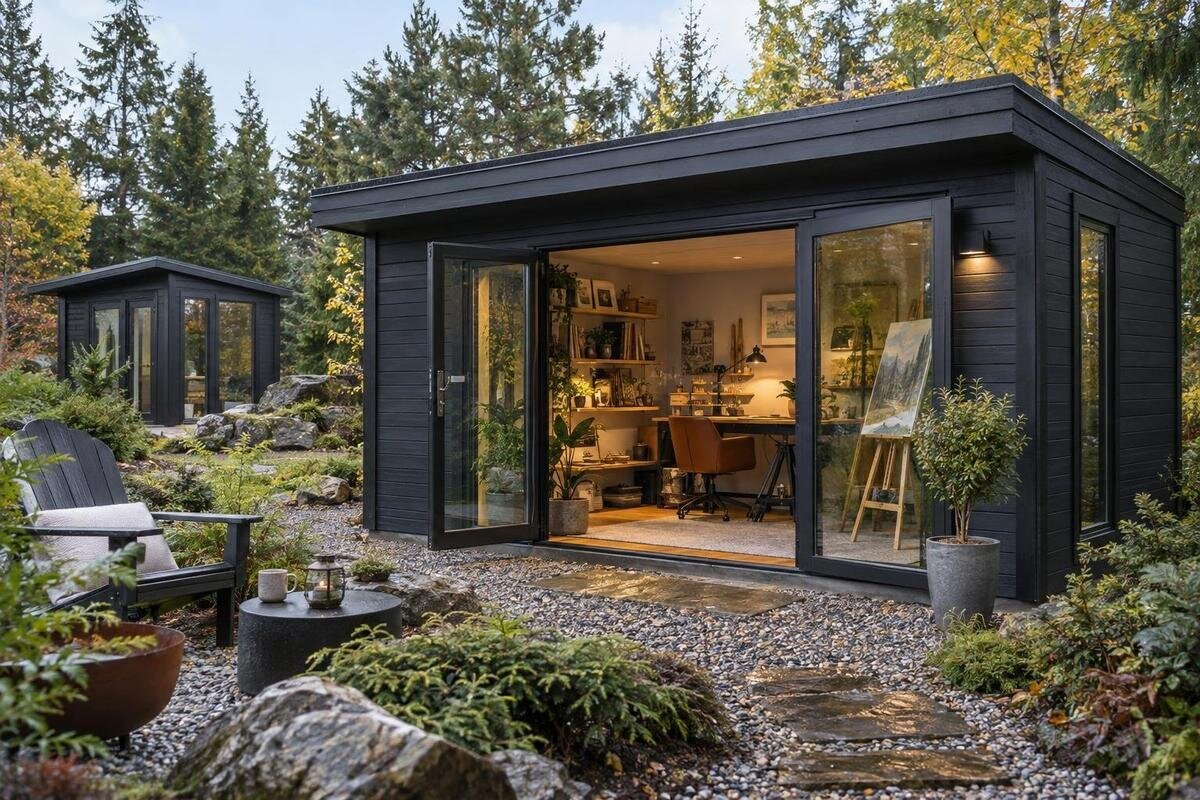
Garden shed buying guide
Choosing a garden shed as a hobby room is less about finding the biggest model than about fitting your activities into a space you can use comfortably. A building that holds tools but leaves no room to work will not serve the purpose; one sized for an imagined future may use more of the garden and budget than necessary. Before ordering, map the work you actually do, the equipment and projects that need a home, and how you will reach the shed. Then compare confirmed dimensions, layout, access and what each option includes.
Before you buy 1
Define the hobby room before comparing sheds
A hobby room can mean a bench for repairs, a place to assemble models, a sewing or making area, or a shared space for several interests. Those uses do not need the same arrangement. List the activities you expect to do most often and note whether each needs a clear work surface, a chair, floor area for a project, or room to handle long or bulky items. Record how often you will use the room and whether you want to leave work set up between sessions. This helps distinguish a simple work-and-storage space from a room that needs separate zones, rather than choosing a shed on the vague idea that it should be roomy.
Write down what must stay in the shed: tools, materials, unfinished work, finished projects and equipment you would otherwise carry outside each time. Measure the largest items and note how they are used, not just where they are stored. A project may take up the bench for days, or need space around it while you work. Decide what can be packed away, what must remain accessible and what can live elsewhere. If more than one person will use the room, include where each expects to work and what must not be moved. This inventory gives you a reason for every part of the floor plan and helps prevent spare capacity from becoming clutter.
Check internal and external dimensions
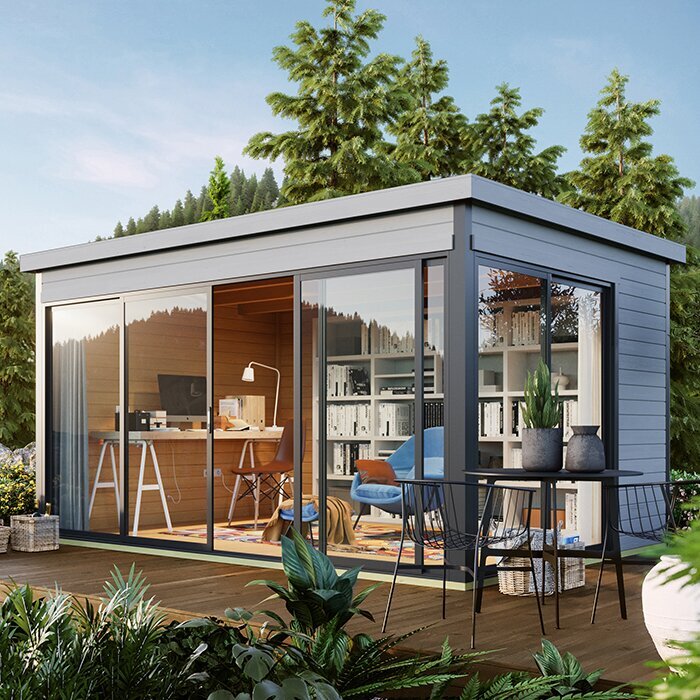
A product page may show several dimensions, so check what each one describes: overall outside width and depth, internal floor area, wall height or door opening. The footprint is not the space available for a bench and chair; walls and any internal fittings reduce usable room. Use internal measurements if supplied, or ask for a dimensioned plan where the distinction is unclear. Draw the building to scale and add your actual bench, chair, cupboards and equipment, leaving room to move between them. Include standing room and any overhead storage needs, since floor area alone does not show whether a planned setup will work. Compare the Verdana 1 garden shed listing using confirmed measurements, not its name or image.
Measure the proposed spot in the garden as well as the room you hope to create. Mark the intended footprint on the ground and check its relationship to paths, gates, trees, walls, boundaries and any services or drains. Think about the space needed to open the entrance and reach the building for maintenance. Check the route to the site too: a convenient shed position is of little use if bulky items cannot be carried there. Site preparation and local permission requirements are separate from a product’s dimensions, so confirm them with the supplier and the relevant local authority or a qualified professional before ordering.
Before you buy 2
Plan the layout around active projects
Once the usable floor area is clear, arrange it around the way you work. Put the main bench where you can reach tools without crossing the area occupied by a project. If you do more than one hobby, decide whether each needs a permanent surface or whether one worktop can serve different activities. Show the door, seating, storage and project footprint on the same drawing. Remember that a clear route matters when you are carrying materials or moving a finished piece; a plan that fits furniture tightly may feel awkward in practice.
Test the layout with cardboard outlines, chalk or string before you choose a size. Walk the route you expect to take from the entrance to the work area, and check that drawers, cupboards and the door can open without colliding with other items. Include space for temporary sorting and cleaning if your hobby creates offcuts or loose materials. If one activity has to be cleared before another begins, account for the space and time that reset takes. Do not assume a wider shed automatically gives a better layout: an extra strip of floor may be less useful than an entrance or work surface in the right place. For a model such as the Verdana 2 garden shed listing, use only confirmed dimensions and opening positions in your sketch.
Plan storage alongside the work area
Storage should support the activity rather than occupy every spare wall. Group tools and materials by how often you use them: everyday items need easy access, while occasional supplies can sit farther from the bench. Count the floor area taken by cabinets, bins or larger equipment, and leave room for items in progress. Small supplies may need drawers, boxes or open shelves, depending on how you find and use them. Wall storage can free floor space, but it also uses wall area and may affect where a worktop, opening or shelf can go. Plan storage as part of the room from the start instead of assuming it can all be added after the shed arrives.
Check whether shelves, flooring or fittings are included, and whether the product details identify usable wall space for additions. If you intend to fix heavy storage to a wall, ask the supplier or installer what the structure can accommodate; do not infer a safe load from a photograph or model name. The listing titled Wooden Garden Tool Shed M can be assessed by the same method, but its title alone cannot show whether a workbench and your materials will fit. For paints, adhesives or other hobby supplies, follow their stated storage requirements and consider whether the planned room suits the materials you use.
Before you buy 3
Check the door opening and delivery route
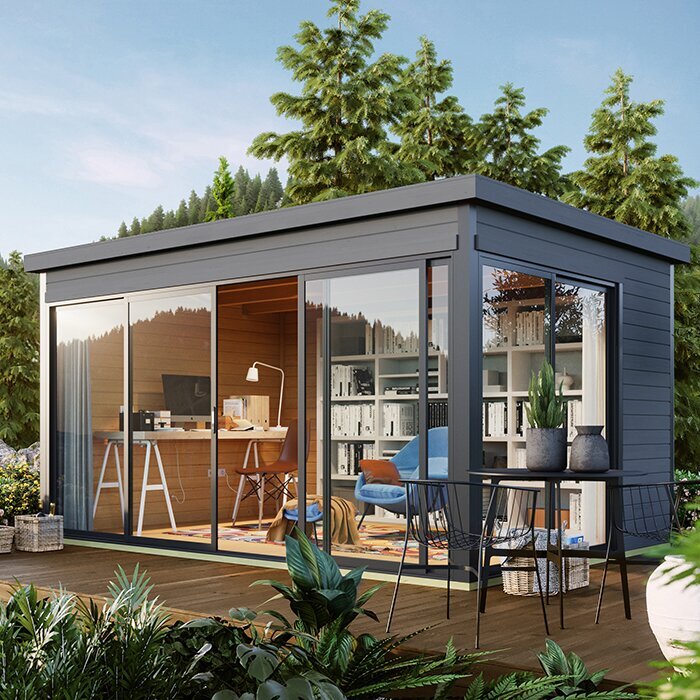
Check the clear entrance opening against the largest item you plan to carry in, including equipment, a packed project or a finished piece. Overall door dimensions may not be the same as the usable opening, so confirm the clear width and height, the direction in which doors open and any threshold details from the product information. Measure turning space inside as well as the doorway: an item that passes through may still be difficult to position once inside. For any option, including the Durano garden shed listing, use confirmed opening details rather than inferring them from a picture.
Trace the whole delivery and access route from the property entrance to the chosen site. Gates, steps, corners, overhead branches and narrow paths may affect the movement of people, tools or packaged components. Ask what delivery covers, whether assembly is available, what access the installer needs and what preparation must be completed beforehand. If a large item will be delivered, ask whether delivery stops at the entrance or includes bringing it to the site. Confirm these points before paying, especially if your garden has restricted access. Delivery and assembly arrangements can change what is practical even when the shed appears to fit your measurements.
Assess light, ventilation and privacy
Natural light can make detailed tasks easier to see, but its usefulness depends on where openings are and how sunlight moves across your garden. Consider the hours you expect to work, nearby trees and buildings, glare on a work surface, and whether an opening looks onto a private or shared area. A window may improve daylight but reduce uninterrupted wall space, so balance each opening against your storage and bench locations. Confirm which windows or glazed elements are included in the chosen configuration; a product image does not prove that every pictured feature is standard. Check the Veltor 1 listing for its stated opening and glazing details before planning around them.
Air movement is tied to the hobby, not just to comfort. Some activities create dust, fumes, heat or moisture, so identify what your work produces and check the manufacturer’s guidance for materials and equipment. Do not assume that a window or door shown in a listing will meet a particular ventilation need. If your activity requires specialist ventilation, powered tools or a permanent electrical fitout, discuss the proposed use with a qualified professional before choosing the shed and planning its installation. That conversation may affect both the room layout and the total order.
Before you buy 4
Check construction, flooring and site preparation
Read the construction details instead of treating a product name as a specification. Compare stated materials, wall and roof details, floor provision, finish, openings and maintenance requirements, then check that the selected configuration suits the intended use and site. For the Orello 1 listing, as with any listing, rely on explicit product information or a supplier’s answer rather than interpreting the model name or photograph as proof of a particular material, insulation or weather rating. Ask what upkeep is expected and which parts may need attention over time; do not assume that a finish is maintenance-free. If an important detail is missing, ask before making a comparison.
Find out what base or site preparation is required, whether a floor is supplied and who is responsible for each part of the work. The conditions under the shed and around it matter to the finished room, so record ground levels, water run-off and nearby obstructions and have any technical requirements reviewed by the supplier or a qualified installer. Do not design a base from guesswork or assume that a general-purpose garden shed is rated for every exposed position. If rules or property conditions may affect placement, check the requirements that apply to your site with the appropriate local authority or professional.
Confirm the model configuration and included features
Before comparing prices, decide which configuration you are actually considering. Write down the details that matter for your use, such as the stated dimensions, door and window arrangement, floor, finish, included fittings and maintenance instructions. The Modano 1 listing should be judged from the specification for the option you would order; do not assume a feature is included because it appears in a photo or is suggested by a product name. A consistent list makes it easier to see whether two quotations describe comparable buildings rather than different combinations of extras.
Ask for written clarification of anything that could change the order: optional fittings, assembly, delivery, surface treatment, flooring, fixings and any work not included. If you need a powered tool, task lighting or specialist ventilation, include that requirement early and obtain qualified advice about the separate fitout rather than assuming the shed package covers it. If you expect to add shelving later, ask which additions are compatible and whether they affect the quoted configuration. This avoids choosing a building first and only later discovering that a required feature needs a different arrangement or additional work.
Before you buy 5
Budget for the complete hobby-room setup
Work out the cost of the complete hobby room, not just the building. Depending on the site and your plan, the total may also involve preparation, a suitable base, delivery, assembly, a finish, storage, work surfaces, seating and lighting. Treat each item as unconfirmed until the supplier or installer states what is included. If you compare the listing titled Wooden Garden Tool Shed S, record only its current quoted price and confirmed contents alongside the other options; the listing title does not tell you the cost or what extras are supplied.
Use the same cost categories for every shortlisted shed and ask for a like-for-like quotation. Check who handles delivery and assembly, what site access is assumed, which work is excluded and whether any installation or maintenance conditions apply. Review the supplier’s current terms for payment, changes, returns and warranty rather than assuming one option offers terms that another does not. Keep estimates for uncertain site or fitout work visible instead of hiding them in a single total. A low displayed figure is not a fair comparison if it excludes work you need; compare the final scope, not a headline alone.
Make a like-for-like shortlist before ordering
Put the shortlist into a simple comparison table. For each option, record confirmed internal and external dimensions, entrance opening, floor and fittings, the work and storage plan it can accommodate, site requirements, delivery and assembly scope, and the total cost of the setup. Mark each item as confirmed, unclear or not included; that is more useful than relying on adjectives such as large or compact. Decide which requirements are essential for your hobby and remove any option that cannot meet them or whose missing information cannot be resolved.
Before placing an order, make sure the quotation and product details refer to the exact model and configuration you have compared. Recheck site measurements, access, base requirements and any local placement rules, then confirm the delivery and assembly plan in writing. Keep some flexibility in your layout if you expect your interests to change, but do not pay for unused space at the expense of a well-planned work area. If a key measurement or requirement is still unclear, pause the order until it is confirmed. The strongest choice is the shed whose verified details support your activities, storage and site, with no essential assumption left to sort out after purchase.
Frequently asked questions
How do I work out the right size for a hobby room?
Start with the activities you do most, measure your largest equipment and project, then draw them to scale inside the stated internal dimensions. Include a work surface, storage and a clear route to the door. If the dimensions are unclear, request a dimensioned plan before deciding.
Can I use one garden shed for hobbies and storage?
Yes, if the layout gives each activity enough room and keeps frequently used tools accessible. List what needs to stay in the shed, then test a work area, storage and walking space on one drawing. Confirm the shed’s dimensions and fittings rather than relying on a product photo.
Should I plan the base before ordering a shed?
Plan the site and base early, but check the requirements for the specific product and location. Follow the supplier’s instructions and have technical questions reviewed by a qualified installer. Confirm what the quotation includes so preparation work is not overlooked.
What should I check about windows and ventilation?
Check which openings are included, their positions and dimensions, and how they relate to your work surface, storage and privacy. Match ventilation needs to your activities and materials; do not assume that a pictured window will be enough for dust or fumes. Seek qualified advice if specialist ventilation is needed.
What information should I have before placing an order?
Have the proposed site measurements, activity and storage list, equipment sizes, access route and layout ready. Ask for the exact configuration, a dimensioned specification, base requirements and a written breakdown of delivery, assembly and exclusions. Review the supplier’s current terms before ordering.
A good hobby-room shed is one whose confirmed internal space, openings and construction match the activities you will actually do, while fitting the garden and the complete project budget. Treat storage, access, site preparation and fitout as part of the same decision. When an important detail is unclear, resolve it before ordering; a measured plan and a like-for-like comparison are more dependable than choosing by a model name or attractive image.
