
Buying a Garden Shed for a Holiday Property
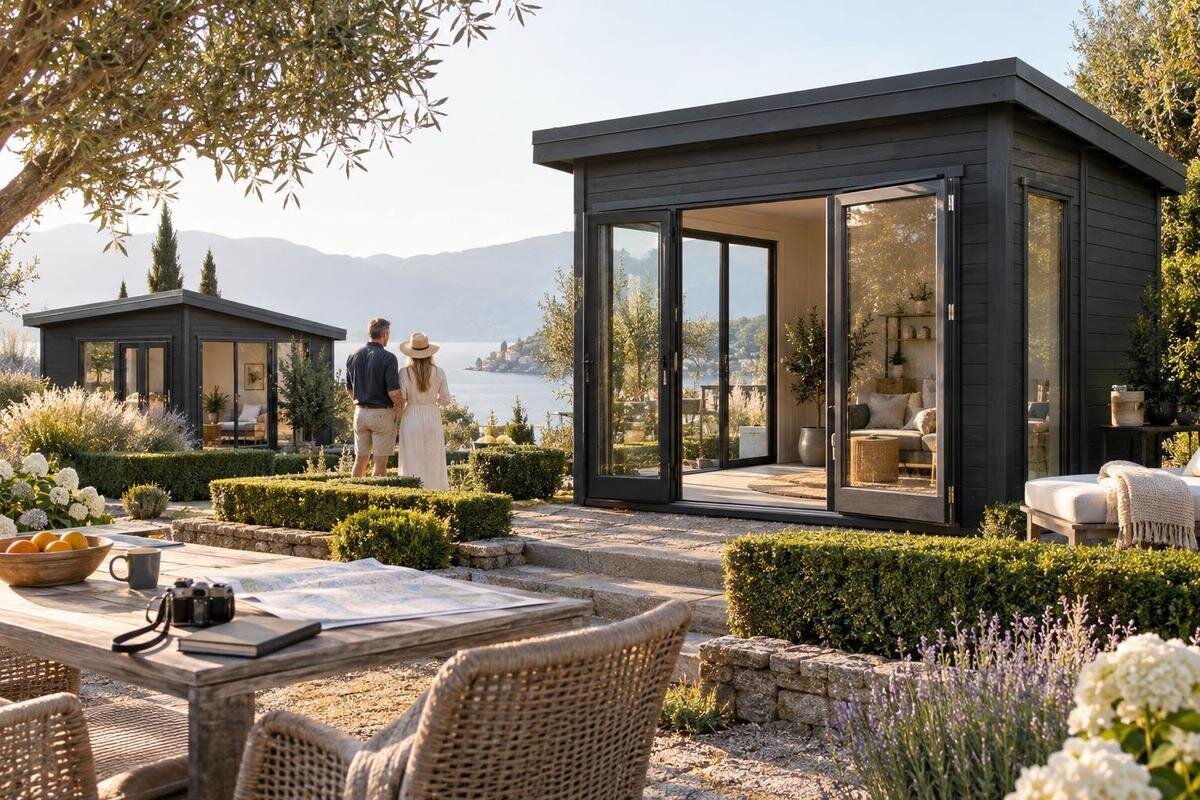
Garden shed buying guide
At a holiday property, a garden shed may stand unused for long stretches, then need to work from the first day of a visit. It should keep the right equipment accessible, stay manageable while the site is empty and fit a location that may not be checked every week. Choosing by appearance or advertised floor area alone can leave you with a tight doorway, wasted space or more upkeep than anyone can provide. Before comparing products, list what will stay on site, how often someone can inspect it and where a shed could sit. Then weigh usable dimensions, construction, security, maintenance, delivery and assembly together. The right choice is the one that suits the property’s actual routine—not automatically the largest or most feature-rich option.
01
What needs to stay on site
Make an inventory before browsing. Separate equipment kept there throughout the year—garden tools, a hose, maintenance supplies or outdoor furniture—from seasonal items that arrive with you. Record the longest, widest and tallest pieces, anything that must stay upright, and what you need immediately on arrival. Count awkward shapes as well as boxes: a folded chair, ladder or mower takes a different kind of space from small hand tools. Note whether several items have to be lifted out together. This list establishes what the shed has to accommodate and helps prevent a large-looking footprint from being mistaken for useful storage.
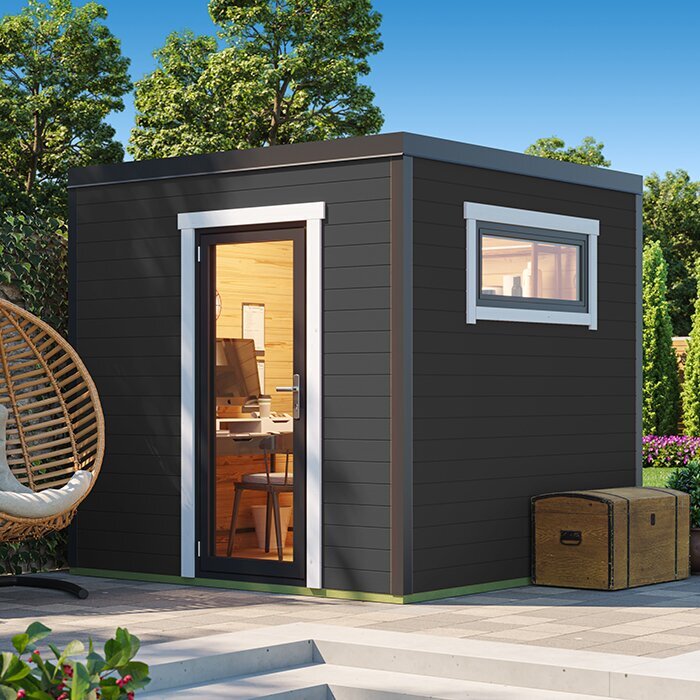
Next, decide which belongings should not remain in an outbuilding during a long gap. Valuable portable equipment, documents and items affected by damp or heat may be better stored elsewhere, depending on the property and product guidance. Group the rest by how often you use it, so frequently needed gear can be reached without unloading the entire shed. If tool storage is part of the plan, compare the Garden Tool Shed M listing with alternatives. Use its stated dimensions and inclusions, not the wording of its name, to judge whether it fits your inventory; ask whether extra shelves or hooks are included or need to be sourced separately.
Usable space and the real footprint
Measure the site and the objects, not just a preferred square-metre figure. Check the internal dimensions given by the manufacturer, the external footprint, overall height, door opening and any roof projections shown in the drawings. The outside measurements determine how the shed sits on the site; usable interior space determines whether shelves, handles and larger equipment will fit. Ask how dimensions are defined if a listing is unclear, and compare like with like: maximum external width is not the same as clear internal width. Include the Garden Tool Shed S listing in your comparison, but do not use its model label as a measure of capacity.
On a simple sketch, mark the building, the route from the gate and enough room to carry items through the entrance. Include the open-door area and space to move around something you need to retrieve. A shed can fit on paper yet be awkward if the door opens against a wall, a hedge blocks one side or the path is too narrow for bulky equipment. Check height as well as floor area when long-handled tools or stacked containers are involved, and leave access for inspection and cleaning. If you expect storage to grow, allow useful clearance without paying for space you have no clear use for.
02
Construction and exposure at the site
Look at the actual position rather than relying on a general description of the region. Note how much direct sun reaches the spot, where rainwater runs, whether the ground stays damp, and whether trees or neighbouring structures shed leaves or shade the area. Wind exposure and seasonal weather can vary across one property, so consider conditions at the proposed location, not only at the entrance or house. A sheltered corner may reduce some exposure but still be difficult to inspect or maintain. Do not assume any garden shed suits every outdoor position; compare the manufacturer’s site and weather guidance with what you observe.
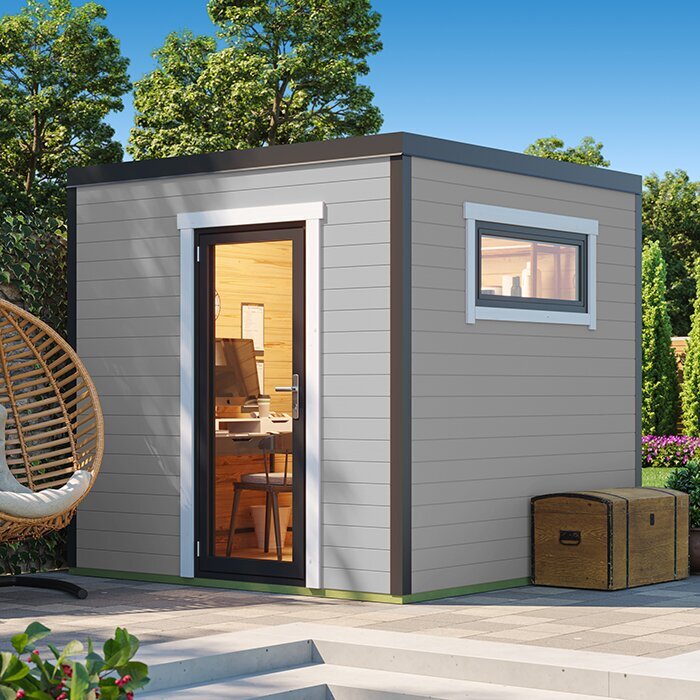
Construction affects the care routine, so read the materials, surface finish and maintenance instructions rather than using appearance as a guide. Ask whether routine treatment, repainting, cleaning or checking fixings is required and how often the manufacturer recommends it; the answer depends on the product and its exposure. Find out how damaged parts can be maintained or replaced, and whether protective items are included or sold separately. The Verdana 1 garden shed can be part of a like-for-like review once you verify its stated materials, finish and site guidance; its name alone establishes none of those details.
Placement, access and the base
Placement affects how easily you can use the shed after arriving. Consider the everyday route from the house or parking area, the width and surface of the path, gates, steps and turning space needed for larger equipment. Leave practical access for opening the door, cleaning around the outside and checking the base. Avoid a spot where falling leaves or vegetation will be difficult to clear, or where runoff from nearby ground can collect. If access is restricted, compare alternative positions before settling on a size; moving a shed later may not be straightforward. A convenient location should also remain reachable for routine checks.
Before ordering, check the product’s stated base, level and anchoring requirements and compare them with the ground at the proposed location. A slope, soft ground, drainage issue or existing paving can change the preparation needed; do not guess at structural details or assume any flat-looking patch is adequate. Ask the supplier or installer what the specification requires, and have a suitably qualified professional assess unusual ground or stability concerns. Also confirm any relevant property, estate or local requirements with the appropriate manager or authority. The Verdana 2 garden shed listing is one place to seek model-specific installation details; where they are not stated, ask before ordering.
03
Security while the property is empty
When the property is empty, security is about reducing opportunity and deciding what risk you are willing to accept; a lock alone cannot guarantee that stored items will be safe. Prioritise what is kept there and avoid leaving high-value portable equipment if there is a more secure alternative. Check how the door closes, what locking hardware is supplied, whether a compatible lock is included or optional, and how hinges and other accessible points are described. Do not assume a product photo or broad label such as secure tells you the details. Ask for the relevant specification if a listing does not explain the arrangement.
Think about visibility as well as access. A shed placed far from regular sight or behind dense planting may be less convenient to check; a position exposed to passers-by may create different concerns. Choose a location that a key holder can reach, and decide who will inspect it when you are away and how you will respond to signs of damage. Keep a simple record of stored items and what should be removed before a long absence. The Veltor 1 garden shed can be compared with other listings, but confirm its actual locking and construction details rather than inferring them from its name or appearance.
Upkeep between visits
Maintenance matters more when nobody is on site to notice a small issue. Read the care instructions before buying and work out whether recommended cleaning, surface treatment, ventilation, tightening or other checks can be done at the intervals stated. Do not assume a product is maintenance-free, or that every material needs the same routine. If care has to be carried out on a schedule that does not match your visits, arrange a reliable person to handle it or compare a different option. Include labour and materials in your estimate of ownership, not just the purchase amount.
Consider the location and storage habits together. Clear leaves where they accumulate, avoid leaving wet items trapped inside, and keep enough room to inspect the shed. Follow the maker’s directions for cleaning and protection rather than applying a treatment by guesswork. Decide what happens after heavy rain or strong wind: who will check the shed, and when? The Modano 1 garden shed is another option to assess against its stated upkeep requirements; the model name itself says nothing about the necessary routine. A written checklist for whoever looks after the property can make that responsibility clear.
04
Door access and internal layout
Ease of access can decide whether a shed is useful in practice. Compare the clear opening, door type, opening direction and any threshold described in the documentation with the largest object you plan to store. If you carry equipment in and out often, a direct route with few obstacles can make visits simpler; if items stay for months, room to reach them for inspection still matters. Check that the door can open fully in its intended position without hitting a fence, wall or vegetation. A wide opening is not automatically necessary for every inventory, but it should suit the pieces you have measured.
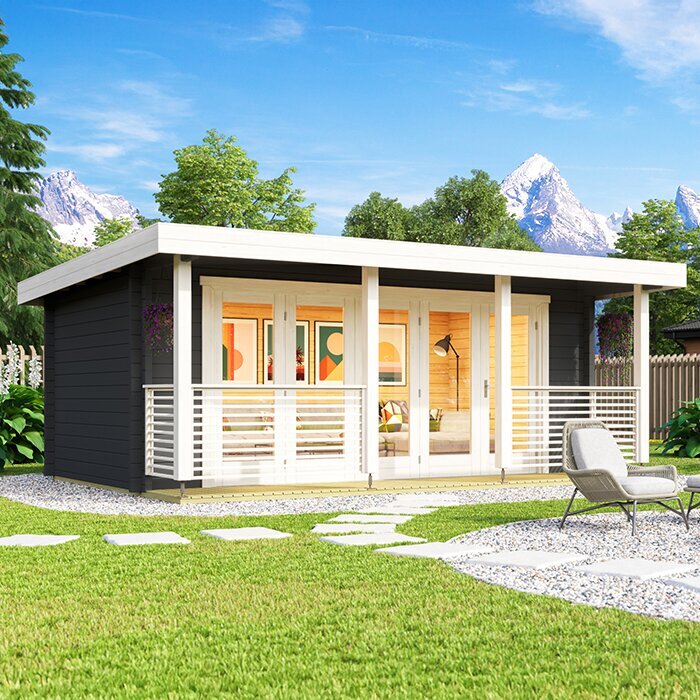
Review internal features separately from the exterior. Confirm whether shelves, hooks, windows, ventilation elements or floor components are included, optional or absent, and whether their position suits your storage plan. Openings can affect light and airflow, but they may also affect privacy or security; do not assume every arrangement suits every set of contents. If you plan to keep fabrics, paper, liquids or moisture-sensitive equipment, check the product’s storage guidance rather than assuming a shed will control conditions. The Durano garden shed belongs on the shortlist only after you have checked its documented layout and openings or obtained clarification.
Delivery and assembly arrangements
A holiday property can be harder to supply than a home where someone is present every day. Before ordering, confirm the delivery address, vehicle access, gate width, parking or unloading arrangements and whether materials can be carried to the chosen spot. Ask what happens if the vehicle cannot reach the site and whether someone must be there to receive or inspect the delivery. Do not rely on an assumed delivery time or service; check the current terms for the exact product and address. Measure narrow turns and routes inside the property, not only the entrance road. The people assembling the shed may also need clear access.
Clarify who prepares the base and who assembles the shed, whether either service is included, what tools or additional parts are needed and what the order covers. Confirm that the chosen location is ready before delivery and that assembly instructions are available to the person responsible. Where assembly or site preparation calls for a qualified installer, arrange that in advance rather than improvising. Check how damaged or missing components are reported and keep the product and order details accessible. The Orello garden shed page can be part of the comparison; use the information it actually provides and ask about missing ordering or assembly details rather than inferring them from a photograph.
05
The full cost of ownership
Compare the full cost of getting a shed into usable condition, not just the displayed purchase figure. Depending on the product and site, the total may also involve preparing a base, delivery or access arrangements, assembly, locks, shelving, protective treatment and future maintenance. Some items may be included, optional or arranged separately; verify each one in the current listing or with the seller. For a holiday property, also consider who will carry out recurring care and what it entails. An apparent saving on the building may not remain a saving if it requires site changes or extra work that your visit schedule cannot support.
Use a short comparison sheet for the options you are considering. Record the product price and what it covers, internal and external dimensions, construction and care instructions, installation requirements, security details, and any delivery or assembly costs that have been confirmed. Mark information that is not stated instead of treating it as included. That makes it easier to ask the same questions about each shed and spot important gaps. Keep one-off costs separate from annual or periodic upkeep so the option with the lowest initial amount is not automatically mistaken for the lowest-cost choice. If a cost depends on a site assessment, leave it provisional rather than guessing.
A practical shortlist for ordering
Once you have the facts, separate requirements into three groups: must fit, must be checked and would be useful. Must fit covers the measured contents, footprint and access route. Must be checked covers the base, weather suitability, care, security and order terms that depend on written product details or site advice. Would be useful can include added storage features or appearance preferences that do not determine whether the shed can do its job. This ranking prevents attractive extras from taking priority over a doorway that cannot accommodate your equipment or a location you cannot maintain. It also gives you a clear reason to reject options that miss an essential.
Before paying, check the final model, stated dimensions, material and care information, included items, price and any relevant service terms against the version you intend to order. Keep unanswered questions visible and seek clarification where a specification affects fit, security or installation. If no option matches the essentials, adjust the inventory, placement or budget instead of hoping a mismatch will work out. For a property visited only occasionally, ease of access and a realistic care plan are sound reasons to choose a simpler, more manageable shed over unused capacity. Save the order details for whoever will maintain or inspect the building.
Frequently asked questions
How do I work out what size garden shed I need?
Measure the largest items you plan to store and note how they need to be positioned. Then compare those measurements with the stated usable interior, entrance and external footprint. Allow space to reach stored items and open the door, and check that the proposed position and access route can accommodate the shed.
Should I leave valuable items in a garden shed?
That depends on the property, the items and the security arrangements. A lock cannot guarantee that belongings will be safe, so consider keeping valuable portable equipment elsewhere. If items do remain on site, check the product’s documented locking details and decide who can inspect the property during longer gaps between visits.
Which construction is best for a holiday property?
There is no single best choice for every site. Compare the product’s materials, finish, care instructions and repair options with the conditions where it will stand. Also consider who can carry out any recommended upkeep while you are away. A model name or appearance alone does not establish how a product will perform.
Does a garden shed need a prepared base?
Requirements vary by product and site. Read the manufacturer’s installation information and compare it with the proposed location. If the ground is sloped, soft or affected by drainage concerns, ask the supplier or installer what the specification requires and seek advice from a suitably qualified professional where needed.
What should I confirm before ordering?
Check the dimensions, materials, care instructions, included components and locking details for the exact model. Confirm what preparation and assembly are required, what the quoted price covers, and how delivery works for your address and access route. Ask about any missing details rather than assuming an item or service is included.
Buying a garden shed for a holiday property is about matching storage with the time and attention the site receives. Start with the items that genuinely need to stay, then test each option against measured space, access, exposure, security, upkeep and the arrangements for getting it installed. Verify product-specific details instead of relying on a model name or photograph, and include recurring care in the decision. A shed that can be reached, used and checked without adding an unrealistic burden is more useful than extra capacity you cannot manage. Once the essentials are met, choose the style and optional features that suit the property.
