
Buying a Garden Shed for Summer Relaxation
Garden shed buying guide
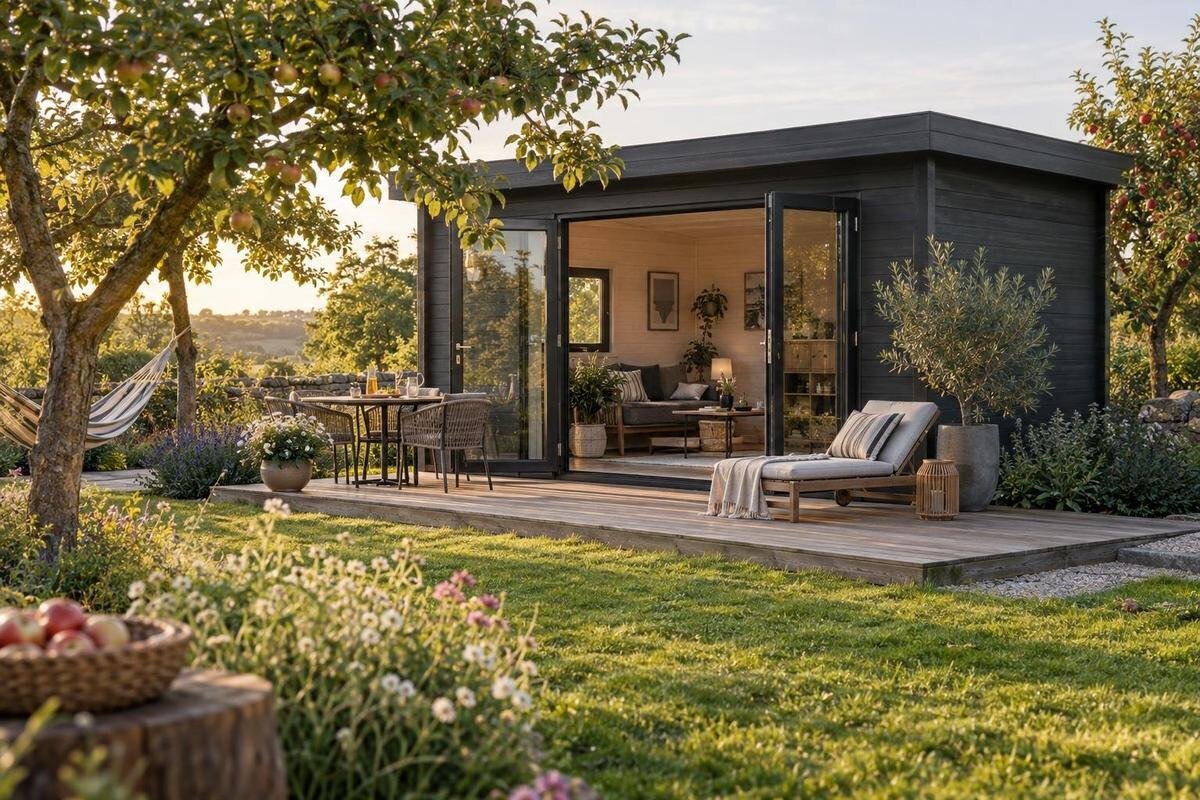
Choosing a garden shed for summer relaxation begins with the kind of break you want it to provide. A chair in a quiet corner, room to talk with friends and a space that doubles as general storage call for different layouts. The shed also has to fit its position in the garden and work at the time of day you are most likely to sit there. Compare the position, usable floor area, openings, care requirements and ordering details; photographs alone cannot confirm whether a particular model will suit your plan.
Decide how you want to relax
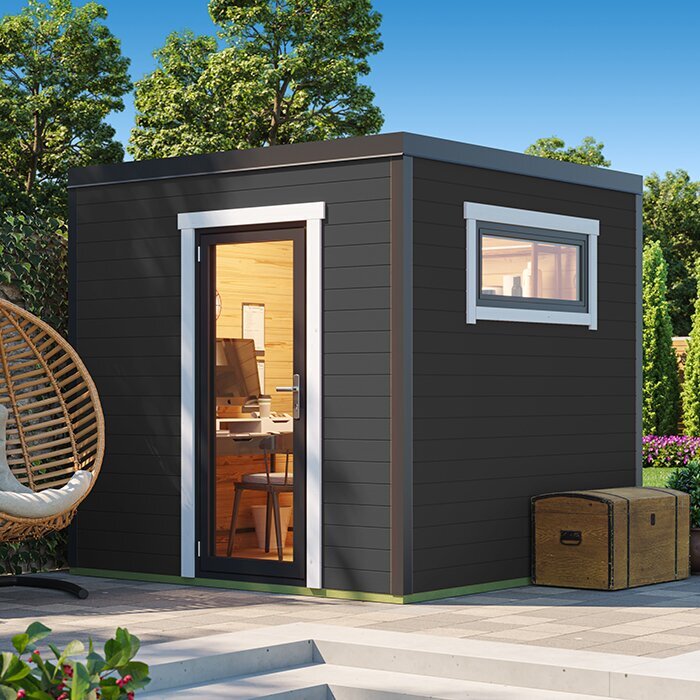
Before looking at listings, describe a normal summer visit. Is the shed for reading alone, a quiet conversation with one or two people, or a place to sit together after spending time in the garden? Note how often you expect to use it and how long you are likely to stay. A quick pause has different needs from a long afternoon, which may call for more comfortable seating, a small surface and room to move. Think too about what you will bring with you: books, drinks, children’s games or a blanket can all need a practical place to go. If you will also keep gardening items there, record that separately; they take up floor space. Separating relaxation needs from storage needs gives you a clearer brief and prevents a pleasant sitting space from becoming an afterthought.
Turn your answers into a short list of essentials and extras. You might prioritise a garden view, a private corner, space for a drink and somewhere to put cushions, while treating extra floor area as optional. This makes comparisons less dependent on polished photographs. Keep the Verdana 1 garden shed among the options only if its published measurements and listed features match your brief; a model name alone does not establish whether it suits your plans.
Choose a position that works through the day
Walk the route from the house or patio to the spot you are considering. If it means squeezing past a gate, crossing an awkward part of the garden or taking a long detour, you may use the retreat less often. Check that the shed will not block a main route, an existing sitting area or access to things you use regularly. Imagine approaching it with a book or a drink, then sitting where you would actually relax. Consider whether the route is still convenient when the ground is wet or when someone is carrying cushions or refreshments. A more secluded corner may offer privacy, while a connected position can make it easier to enjoy the rest of the garden. The best position is often one that balances a sense of escape with everyday accessibility.
Visit the proposed position at the times you are most likely to use the shed. Sun and shade shift, so note whether the seat would be exposed when you want shade or shaded when you would prefer daylight. Consider overlooking from nearby homes, foot traffic, wind and rain exposure, and how trees or fences affect the space. For any candidate, including the Verdana 2 garden shed, compare the listed information with the conditions in your own garden rather than expecting the model name to answer questions about its setting.
Measure the footprint and usable interior
Measure the space available before choosing a footprint. Mark the proposed length and width with tape, string or removable markers, then walk around it as you would when carrying furniture or opening the entrance. Allow for practical access to the building as well as the ground it covers. Check how the marked area relates to boundaries, paths, trees and other garden features; a shed that fits on paper may still crowd a route or leave little usable outdoor space.
Compare the external measurements with any internal dimensions the listing provides. The floor area available for a chair and table can be less than the overall footprint, while the roof shape or position of openings may affect how the space feels. Include the thickness of any walls where the product information states it, because it can affect the usable internal area without telling you on its own how suitable the building is for leisure. If it is unclear how dimensions are measured, ask before comparing. With the Durano garden shed, as with any option, use the published measurements and plan rather than a photograph or model name to estimate the space you will have. Keep a note of which measurements are internal and which are external so that comparisons remain fair.
Plan seating and clear access
Sketch the furniture you expect to use, including its actual measurements if you have them. Allow room for the chair or chairs, a small table and a clear route from the entrance to the seating. If friends or family will join you, draw the arrangement for the usual number of people rather than assuming extra seats will fit later. Leave enough space to sit down and get up without moving everything around. Consider where a person will put down a drink, where cushions can be kept while in use and whether the arrangement still works when the door is open. A simple plan can show whether the layout supports conversation or leaves the seating feeling squeezed against a wall.
Check the current product information for the entrance position and how its door opens, if that is stated. A door that needs clearance can affect where furniture goes; other opening types may have different space requirements. Ask for a plan or further measurements if you cannot tell from the listing. Apply the same layout test to Veltor 1 garden shed: rely on the available measurements and drawings for usable space, not assumptions based on a model name.
Check daylight, privacy and ventilation
Think about the view from the seat and how exposed the space will feel. Look for sightlines from paths, neighbouring windows and other parts of the garden, then decide whether you want an open outlook or a more private corner. Notice where direct light might create glare at the time you expect to relax. Plants or screens may help shape a view, but do not count on them to solve every privacy issue; consider what the site looks like now and how you will use it.
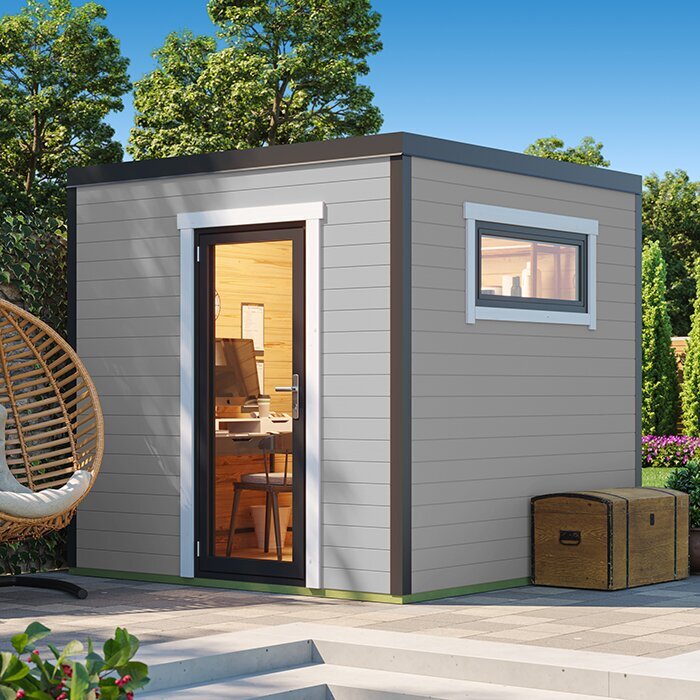
Daylight and airflow depend on the openings actually included and where they are placed. Check the listing for windows, doors or vents and distinguish standard inclusions from optional extras. Consider whether an opening would be close to the planned seating or whether it would affect where furniture can stand. The direction of the outlook matters as well: a pleasant view may be more valuable to you than a larger opening facing a boundary or a busy part of the garden. If the information does not show their positions or describe how they work, ask before deciding that the interior will suit your preferences. For Orello 1 garden shed, as for any other model, use the current product details to confirm the openings rather than inferring them from the name or a lifestyle image.
Consider summer comfort and maintenance
Plan for the conditions at the chosen site, not an imagined average day. Consider how direct sun, shade, airflow and rain exposure might affect the hours when you want to use the shed. Look at the site on more than one day if possible, as a corner that seems calm at one time can feel very different later in the afternoon. If you expect to sit inside during warmer parts of the day, look closely at the details provided about the structure and its openings. A shaded spot outside may also be part of the plan, giving you a choice of where to sit. No photograph can confirm how comfortable a particular building will feel in your garden. Your own observations are more useful than assumptions drawn from a styled image.
Factor upkeep into the decision as well as the initial layout. Ask what care the listed material or finish requires, whether any routine treatment is needed and how to keep the space ready for use between visits. Think about removable cushions or furnishings that you can store elsewhere when they are not in use. For Modano 1 garden shed, check the current product information for material and care details instead of assuming them from the model name.
Keep garden storage from taking over
List the items that would live in the shed, not just the furniture. Cushions, a folded table, gardening tools and other equipment all compete for floor space. Decide whether the building is primarily a place to relax or whether it has to serve as everyday storage too. If both uses matter, allocate space for each on your sketch and check that the seating remains easy to reach. Consider how often each stored item is used: equipment needed every week should not require you to move chairs or tables each time. Moving bulky equipment to a separate storage area may help preserve the open feel you want. It can also make the leisure area quicker to prepare when you have a spare hour in the garden.
Be specific about what storage means for your household: a few cushions need a different arrangement from tools used frequently. A separate storage product may suit that need, but assess it on its own stated purpose and measurements. The listing name garden tool shed M is a reminder to compare storage requirements separately from seating; do not assume that any model will accommodate both uses without checking its details.
Match the shed’s intended use to your plans
Set realistic expectations about how the building will be used. A place for occasional summer relaxation is different from a room intended for regular, extended occupation. Do not assume that a garden shed is suitable for every kind of use simply because it can hold a chair. Check the stated purpose and construction details, and seek advice from a qualified professional if your plans go beyond a casual place to sit. Local requirements may also be relevant, so check them with an appropriate authority or professional where needed.
Think about who will use the space and what they need from it: enough room for the planned seating, a convenient entrance, a comfortable level of privacy and a layout that feels straightforward to use. The listing called garden tool shed S is identified by its name, but that name does not establish whether its layout or stated use fits a sitting area. Read the current product information and ask for clarification before treating a model as a leisure space.
Confirm site preparation, delivery and assembly
Ask what site preparation and base the selected model requires before choosing where it will go. Look at the surface, access, nearby obstacles and how the area behaves after rain, but leave decisions about suitable preparation to the supplier or a qualified installer. Requirements can differ between models and sites, so do not assume that a patch of ground that looks suitable in a photograph will be ready for installation. Clarify the necessary arrangements before committing to the order.
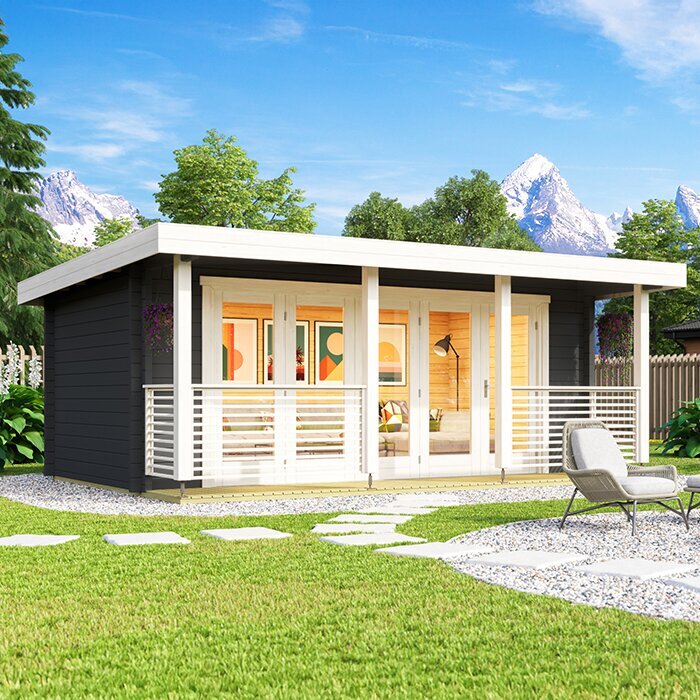
Check how the shed will reach its final position. Measure gates, paths and tight turns, and note steps or other obstacles along the route. Confirm what delivery and assembly arrangements are included and what you would need to organise separately; do not infer these details from a model page image. If you expect a power connection for lighting or other equipment, discuss feasibility and requirements with a qualified electrician before ordering, and do not assume that electrical work is included.
Compare the complete cost and inclusions
Compare like with like by listing the costs that may form part of the project: the building, any required site preparation or base, delivery, assembly, finishes and furniture. Some items may not apply to your choice, while others may be optional rather than included. Ask for a clear, current breakdown so you can see what you are comparing. A lower headline figure may not represent the full amount needed to have the space ready for summer use, and no two listings should be treated as identical without checking their inclusions.
Before placing an order, read the product details and the retailer’s current terms for delivery, assembly and any optional items. Confirm the model, dimensions, configuration and included components in writing, and ask about anything that remains unclear. Keep the information together with your measurements and layout sketch, so the choice reflects the garden you have rather than an assumption based on a title or photograph. This final comparison can help you choose a shed that supports the kind of summer break you actually want.
Frequently asked questions
How much space do I need for a garden shed for relaxing?
Begin with the number of people and the furniture you expect to use. Measure the site, the shed’s published interior dimensions and the space needed to enter and move around. A marked-out footprint and a simple furniture plan can reveal whether the layout feels cramped before you order.
Can I use a garden tool shed as a place to sit?
Do not assume that the title tells you how the interior is laid out or what use the model is intended for. Check the product information for its stated purpose, dimensions and openings. If you plan to use it as an occupied room beyond occasional leisure, ask a qualified professional about the relevant requirements.
Where should I position a garden shed for summer relaxation?
Choose a place that is convenient to reach and suits the way you want to relax. Consider the view, privacy, shade and daylight at the hours you are most likely to use it, as well as access to the rest of the garden. Check site preparation with the supplier or a qualified installer.
What should I check for summer comfort?
Think about shade, airflow, daylight and the weather exposure of the proposed position. Then check the listing for the actual openings and other features provided, and ask about care requirements. Do not assume that a photograph or model name confirms how a particular shed will feel in your garden.
What should I confirm before ordering?
Confirm the dimensions, stated use, included items, available options, care information and any site or base requirements. Check delivery access and who is responsible for assembly, then compare the full cost of the project. Ask the retailer to clarify anything that is missing or unclear in the listing.
A garden shed for summer relaxation should suit the way you spend time outdoors, the space available and the conditions at its chosen position. Decide what matters most, measure the furniture and site, and compare the current product details before ordering. With those points clear, you can choose a retreat that feels like a natural part of your garden rather than an extra space you have to work around.
