
Buying a Garden Shed on a Fixed Budget: Prioritise the Essentials
Buying guide
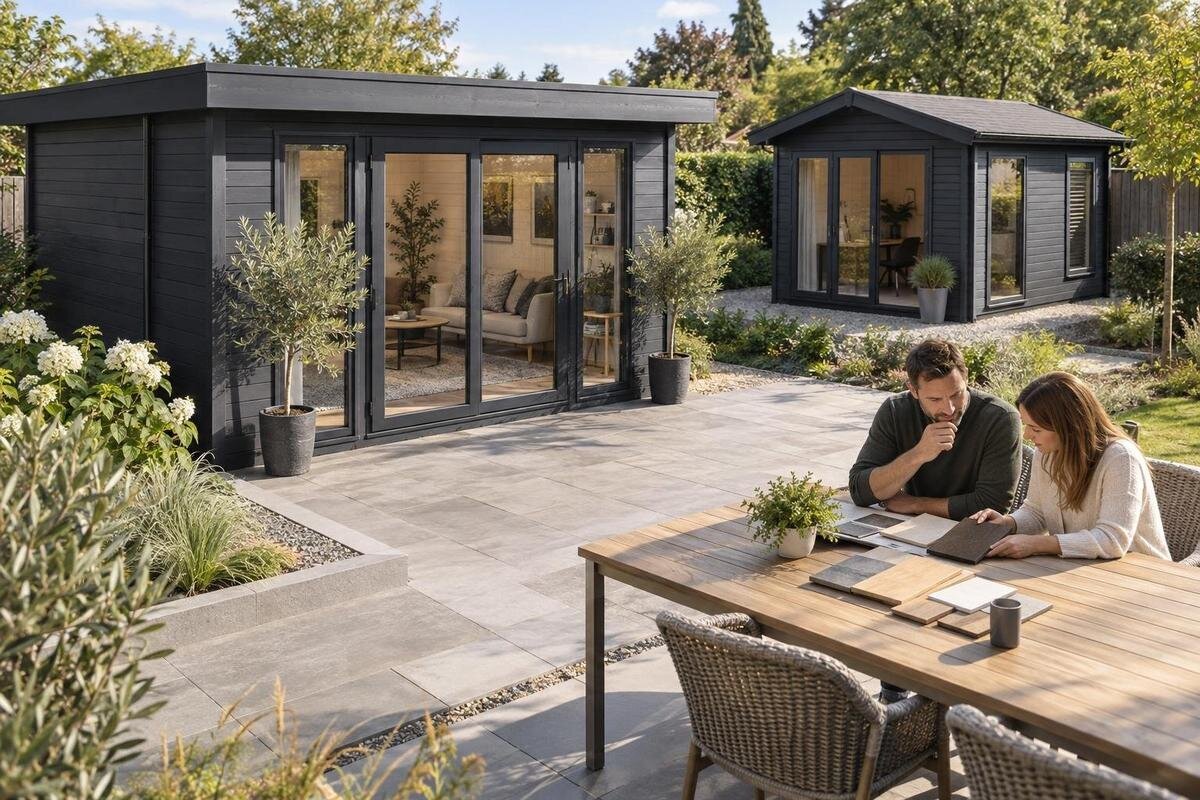
With a fixed budget, the lowest listed price is not automatically the least expensive choice. A garden shed still has to fit the site, hold the items you want to store and arrive with the parts and services you need. The useful comparison is between complete, suitable purchases—not just product prices. Set a spending limit, list your storage requirements and measure the available space before comparing listings. Then decide whether optional features solve a real problem or can wait. This approach protects the essentials while leaving room for sensible compromises.
Budget checklist 1
Set a budget for the complete purchase
Set a maximum amount you can spend before opening product pages. Treat the garden shed’s listed price as one part of the budget, not automatically the total. Ask whether it includes everything you need for the purchase, such as a suitable base or floor, delivery to your address, assembly, fixings or site preparation. These may be included, optional or charged separately, so do not assume either way. Request a written breakdown if the listing is unclear. That gives you a fair comparison and shows whether the shed remains within your limit once practical costs are added.
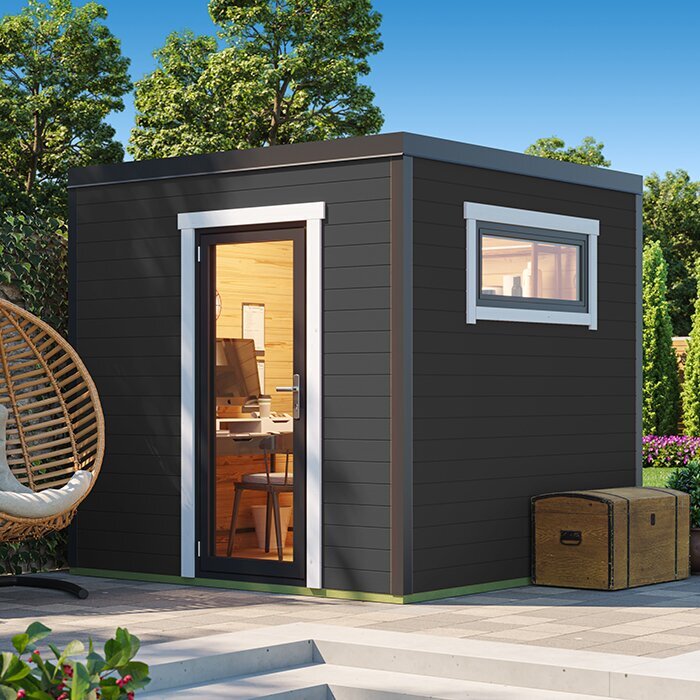
Keep a reserve for costs that are not clear until the site and order are confirmed; do not assign every rand to the shed itself. If the total exceeds your ceiling, identify why before cutting anything. A decorative extra may be optional, while dimensions, supplied components or base requirements can determine whether the shed will work for you. Write down the maximum amount available for each necessary part of the purchase, then update the figures only when the seller confirms them. This makes it easier to see whether a saving is real or merely shifts a cost to a later stage. Compare the Verdana 1 garden shed listing against the same all-in checklist you use for every option. If a cost is missing, ask the seller for it rather than assuming it is included or estimating from another listing.
List the items the shed must store
Start with a list of what you actually need to store, rather than choosing by appearance or model name. Note the length and height of awkward items, how often you need each one and whether it must remain easy to reach. Separate bulky equipment from small pieces that could fit in boxes or on shelving, if the shed allows for it. Measure larger items where their dimensions matter: a general label such as garden tools can hide a long handle or bulky machine. Include what you own now, and treat hoped-for future purchases as a separate possibility.
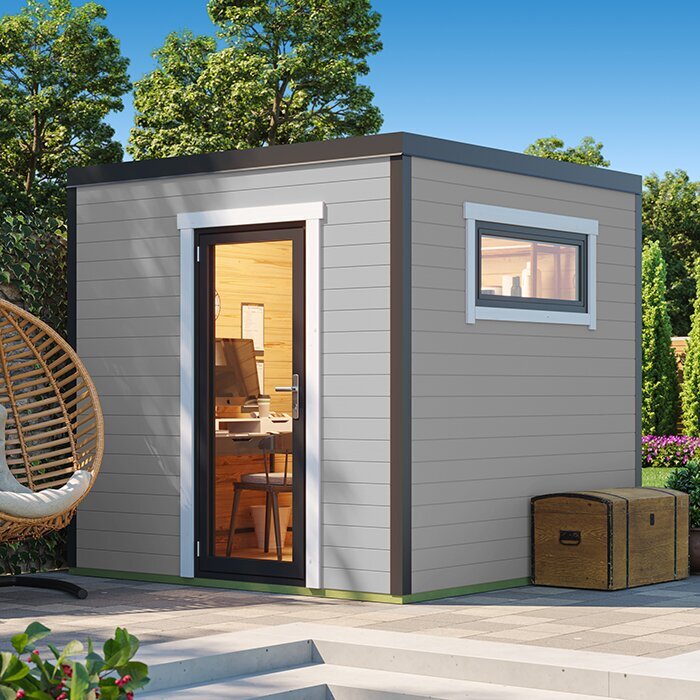
Plan around the way you will use the space, not just what can be packed inside. Items you reach for often should be accessible without shifting bulky things, and room to bring equipment in and out is part of usable capacity. Group your list into frequently used, seasonal and occasional items so that you can decide what needs the easiest access. This also helps you avoid paying for more floor space when a better arrangement would meet the same storage need. If you expect shelving, check whether the seller lists it as included or optional and whether it would leave space for larger items. A quick sketch of the largest objects and the entrance can expose a conflict before you buy. Run the same inventory against the Verdana 2 garden shed listing and other candidates, without assuming its name tells you the dimensions.
Budget checklist 2
Measure the space available in the garden
Measure the area where the shed could actually stand, not just the garden’s broadest open patch. Record the usable width and depth, then note paths, taps, planting beds, windows, boundary features and anything else that must stay accessible. Allow working room at the entrance and, where needed, space to reach the outside for routine care. Check whether doors can open without hitting a wall, fence or stored item. Ask for the product’s external measurements and any projections stated by the seller; photos are not a measuring tool. Keep your measurements beside every listing while shortlisting.
The footprint is only part of site preparation. Find out whether the ground needs work and what base the chosen shed requires; do not assume an old pad, patio or lawn will suit it. Consider how rainwater flows across the area and whether the chosen position will leave access to nearby garden features. These observations do not replace professional advice, but they can identify questions to raise before spending money. A mismatch can add cost after you have chosen a product, so ask about base requirements in advance. If the site or base raises a technical question, seek advice from a suitably qualified installer or other relevant professional rather than guessing. For the Durano garden shed listing, compare the stated dimensions with your measurements, and request any that are missing.
Compare usable capacity, not just outside size
External dimensions tell you how much garden a shed occupies, but not exactly how much usable storage it offers. Where the seller provides them, compare internal floor dimensions and usable height as well as the external footprint. Check the layout too: an entrance that takes up room when open may affect where you can put shelving or stand to lift equipment. Think about the route from the entrance to the back of the shed, especially if long-handled tools or wheeled equipment will be moved regularly. Any lower-clearance area may limit what fits beneath it. Treat these as details to verify from the listing or supplier, not features to infer from a photograph.
Choose enough room to store and retrieve the items on your list, with a clear place for the ones you use often; do not add space simply because a larger figure sounds reassuring. At the same time, reducing the size to meet the price is a false saving if your essentials no longer fit or access becomes awkward. For the Veltor 1 listing, record the internal measurements, external footprint, entrance arrangement and any storage fittings the seller confirms. Mark missing details as unknown until the supplier answers.
Budget checklist 3
Factor routine care into the cost
The purchase price is only one part of ownership. Check the stated construction material, finish and care instructions for each option, and ask what routine upkeep it may need. Do not infer the material or its protection from a photograph, colour or product title; ask the supplier to confirm what is supplied and what the buyer must do later. Different materials and finishes can call for different care, so compare instructions for the actual product rather than relying on a general claim that a shed is low-maintenance. Include relevant care products or labour in a longer-term comparison if they apply to your situation.
If the seller makes claims about durability or provides warranty terms, check what is covered, what is excluded and whether care requirements affect the terms. Do not treat a warranty as a substitute for maintenance or assume a claim applies without reading its conditions. For the Orello 1 garden shed listing, record only material, finish and care details that are actually stated; ask about anything important that is absent. Apply the same standard to every shortlisted product, so a polished description does not get a more generous interpretation than another.
Confirm what the price covers
Before treating a listing’s price as complete, check what arrives with the shed. Look for a clear list of supplied components and ask whether items such as a floor, roof covering, fixings, shelving or glazing are included, optional or not provided. These are examples to verify, not a universal kit list. Product images may show accessories or styling that are not part of the standard package, so rely on written contents rather than appearance. Also check whether the stated dimensions refer to the assembled shed and whether separate items are required for the layout you have chosen.
Assembly can affect the total too. Confirm whether the price includes assembly, whether the service is offered separately or whether you must arrange labour yourself. Ask what preparation the seller expects and whether any assembly service covers the base as well as the building. If anchoring or base details are unclear, seek advice from the supplier or a qualified installer rather than improvising a structural answer to save money. Keep the response with your quote. Use the Modano 1 product page as one more checklist item, not as proof that any component or service is included.
Budget checklist 4
Separate essential features from extras
Classify possible add-ons as essential, useful or purely aesthetic. A feature earns its place when it supports a specific job: for example, extra light may help if you regularly sort items inside, while a decorative detail may add little value if the shed is mainly for storage. Make that judgement against your own use, not a product photograph. If a listing offers glazing, shelves, partitions, extra doors or a different finish, check the additional cost and whether the feature is included in the displayed version. Do not assume every option is available on every model.
Before postponing an extra, ask whether it can be added later, whether it will fit the selected shed and what it would cost. An upgrade is not a saving if it cannot be fitted to that model; equally, buying an accessory now is wasteful if you may not need it. Check the tool-shed M listing in the same way: distinguish what the listing names from what the written specification confirms, including any accessories pictured. Keep the final list short enough for the total to remain within your ceiling.
Compare product listings on equal terms
Use a comparison table for options that already pass your space and storage checks. Record confirmed dimensions, included components, any required base or preparation, delivery, assembly, care information and the full quoted amount. Put questions beside missing details rather than entering a zero; zero can look like a confirmed absence of cost when the amount is simply unknown. Compare options with the same scope: a basic product price should not be set against another shed’s delivered and assembled total. This also shows which price difference buys something you value.
Do not rely on cost per square metre as your only value test. Two sheds with similar footprints may differ in internal layout, components or the work needed before use, and a lower rate cannot make an unsuitable size useful. Record the date of each quote and whether it covers the same version, services and address, as comparisons can become misleading when those details change. Decide which differences matter to your list, then compare the remaining quotes on those points. For the tool-shed S product page, enter only confirmed details in your table and ask the seller for an itemised total for your address. A like-for-like comparison makes compromises visible before you order.
Budget checklist 5
Check the order terms and final amount
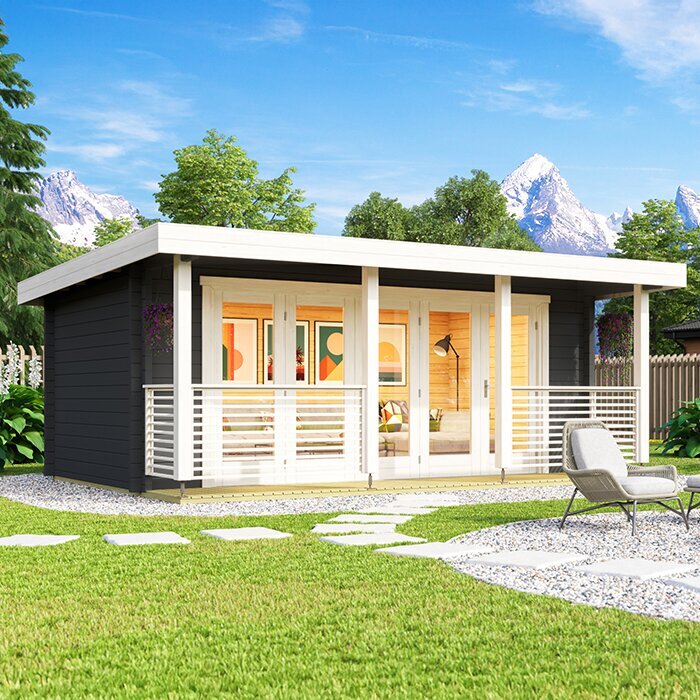
Before placing an order, confirm that the quote refers to the exact product and version you chose and shows all charges that affect your budget. Ask how delivery is priced for your address, what the service includes and whether unloading or assembly carries a separate charge. Check whether the quoted amount is still valid, what is available to order and the expected delivery or collection arrangement. If the quote describes options or selections, make sure these match the version you have compared rather than a standard illustration or another configuration. Do not plan around a date or availability that has not been confirmed. These details affect the purchase total and handover, not just the product line.
Read the seller’s terms before paying, especially payment timing, changes or cancellation, returns and how to report missing or damaged components. Ask for clarification if the terms or quote are hard to reconcile, and keep written answers with your order records. If the final amount is above your budget, pause and remove a genuine optional extra or compare another suitable listing; do not accept an unknown charge just to hold your choice. A clear total and agreed delivery arrangement help you decide what your budget can realistically cover.
Choose the lowest-cost shed that meets your needs
Shortlist only sheds that meet three non-negotiables: they fit the measured site, provide enough usable storage for your inventory and have a clear route to a complete purchase within your limit. Remove any option that fails one of these tests, even if its headline price is attractive. Then compare the remaining choices on construction information, maintenance, supplied components, labour and optional features. This sequence keeps the decision grounded in your requirements before appearance or sales language takes over, and avoids comparing products that cannot work in the space.
If none passes, revise the budget or storage plan openly instead of overlooking a cost or measurement. First consider dropping an add-on you do not need; consider a smaller model only if the inventory still fits and the entrance remains practical. Do not cut a necessary base, essential assembly or required item from the calculation just to make the advertised price fit. A shortlist with confirmed details may have fewer choices, but it is more useful than a long list of prices that cannot yet be compared. The right compromise is the least expensive option that still meets your actual requirements.
Frequently asked questions
Should I spend my whole budget on the shed itself?
Not unless you have confirmed that the listed price covers everything you need. Check the cost of delivery, assembly, any required base or preparation, and the components that come with the shed. Keep routine care in a separate line if you want to consider longer-term costs as well.
How do I choose the right size?
List what you need to store, measure the larger items and note how often you need to reach them. Then measure the available site and compare it with the shed’s external dimensions. Where the seller provides them, check internal measurements too, so you can judge usable storage rather than relying on the footprint alone.
Is the lowest-priced garden shed the best choice on a tight budget?
Not necessarily. A low listed price may not include costs you will need to pay, and a shed that cannot fit your items or site is poor value. First remove options that fail your practical requirements, then compare the complete costs of the remaining choices.
Which extras can I leave out?
Begin with features that do not solve a particular need, such as a finish or accessory chosen only because it appears in a product image. Before postponing an extra you may want later, ask whether it can be added to that model and what it would cost. Availability and compatibility should be confirmed with the seller.
What should I do if a product page leaves costs or details unclear?
Ask the seller for the missing measurements, a list of included components and an itemised quote for your address. Confirm any separate delivery, assembly or preparation costs before ordering. Keep the written answers with the quote; an unknown amount should not be treated as a confirmed zero.
On a fixed budget, the strongest choice is the one that clears the practical tests with the fewest unknowns: enough usable room, a site it can occupy and a complete cost you can meet. Let measurements and a written cost comparison set the limit on features, not the other way around. That keeps an affordable garden shed tied to what you will store and what you can actually spend.
