
Buying a Garden Shed Online: A Pre-Order Checklist
Garden shed buying guide
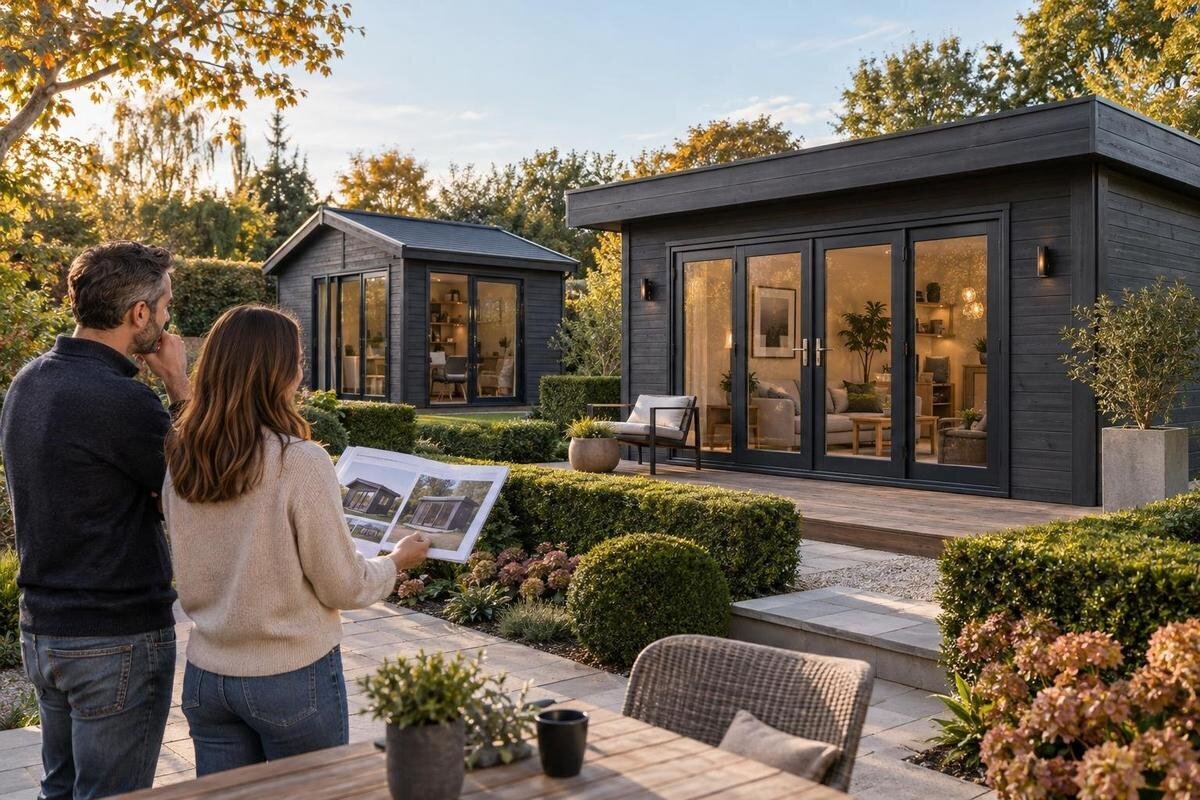
Buying a garden shed online is easier when you treat each product page as the start of a checklist, not the whole offer. Before placing an order, establish what needs to fit inside, measure the site and the route to it, and read dimensions and timber details in context. Then confirm base requirements, delivery arrangements and assembly scope in writing. This guide focuses on the checks that make options comparable and help avoid a mismatch between the shed, your site and the order. A model name or photograph can identify a listing, but neither replaces a clear specification and order confirmation.
Decide what the shed must hold
Write a short use list before opening several product pages. Note the largest item that must pass through the door, how often you will need it, and whether the shed is for storage only or also needs room for sorting or maintenance. A mower, long-handled tools, boxes and bicycles place different demands on the layout; judge the actual shapes and access you need rather than relying on an advertised capacity. Record whether equipment must be reached without moving other items. Include planned shelving or a work surface, but account for the floor space and door clearance those may use. These details turn “extra storage” into practical requirements you can compare.
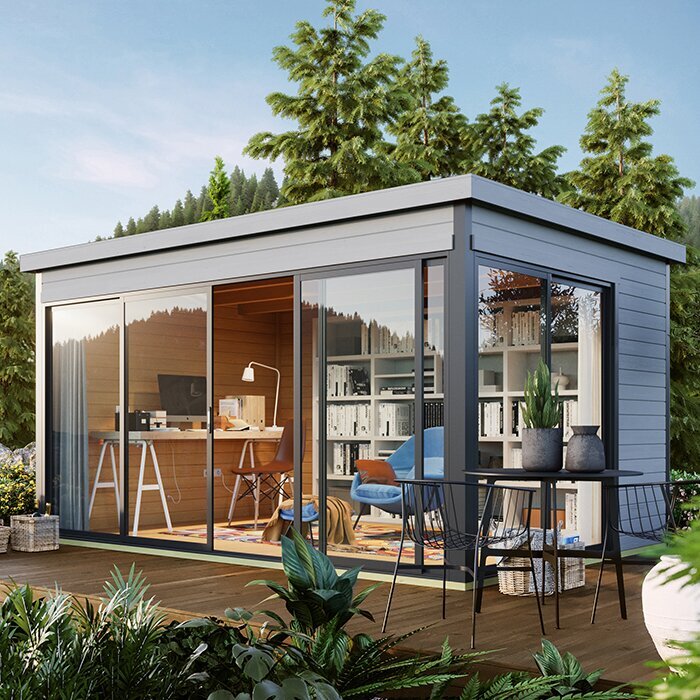
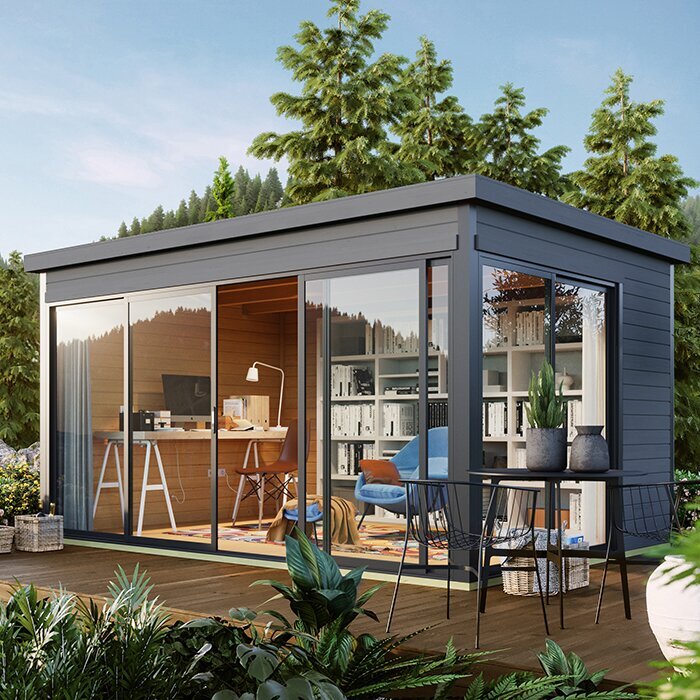
Treat every listing as a separate specification, not as a promise implied by its name or photograph. For the Verdana 1 garden shed, record what is explicitly stated about dimensions, layout and included parts, then mark anything you cannot find as a question. Use the same method for each candidate: distinguish a feature shown in a picture from an item named in the description, and do not assume shelving, a floor, treatment or accessories come with the kit unless the written offer says so. If two pages use different terms for similar components, ask what each includes. A simple comparison sheet keeps styling from outweighing the details that decide whether a shed suits your planned use.
Measure the installation area and working clearance
Measure the intended installation area at ground level in more than one place, then mark the proposed position with string, pegs or a temporary outline. Check the whole area, not just the central rectangle: fences, walls, tree trunks, drains, outdoor taps, steps and nearby doors can restrict where the shed can sit. Include room to open the doors fully and move stored items in and out. There is no single clearance figure that suits every site, so use the dimensions and installation guidance for the chosen model, then consider how you will reach its sides during assembly and future upkeep.
Record the approach to the position as well. A site may fit a completed shed but leave too little room to carry components or work during assembly. Check gate openings, corners, passage widths, low branches and changes in level; note anything that cannot be moved. If the ground slopes, holds water or has an uncertain surface, do not assume a standard base will resolve it. Ask what the assembly guide requires and, where the ground needs assessment beyond your experience, seek advice from an appropriate building or groundworks professional. When reviewing the Verdana 2 garden shed listing, use only measurements explicitly given and ask whether they refer to the base, walls or roof.
Read every listed dimension in context
Product pages may show several measurements, and each figure is useful only when you know what it describes. Look for a dimensioned plan that labels the external width and depth, internal floor area, overall height and any separate roof projection. Check whether the footprint is measured at the walls, floor or roof edge, and whether the units are clear. Do not judge the fit from a single headline width if another part of the shed extends beyond it. If the drawing or description does not identify its measurement points, ask for clarification; a photograph’s apparent scale is not a reliable substitute.
Compare the inside space with your use list, not just the outside footprint. Confirm the clear door-opening width and height, the room available where you intend to store taller items, and any space taken up by framing, door tracks or a threshold if these are shown. A bulky item may fit in the floor area yet be awkward to turn through the entrance, so check its route as well as its final position. For the Durano garden shed listing, compare dimensions only where a drawing or written specification makes their meaning clear; request missing internal or opening measurements instead of inferring them from the name or image.
Read the timber specification component by component
Read the timber wording precisely. If a wood species is named, confirm which parts it applies to; a description of the walls does not necessarily describe the floor, roof, framing, doors or trim. Ask for the stated wall and roof thicknesses, and check whether they are nominal or finished measurements if that distinction is not explained. If treatment or surface finish matters for your site, find out what is used, which components receive it and whether further finishing is expected after assembly. Terms such as “solid timber” or “treated” are not a complete specification when they leave these details open.
Establish how the kit is supplied and what care the seller recommends. Ask whether the floor, roof covering, fasteners, glazing and door fittings are included in your chosen configuration or offered separately; request the instructions if they are available before purchase. Note any stated maintenance, storage or finishing requirements and decide whether they suit the time and work you can take on. For the Veltor 1 garden shed listing, as with any option, use the written details for each component and ask for clarification where a part or finish is not identified.
Confirm the base and site preparation
Ask for the assembly or installation instructions for the exact model before choosing a base. They should explain what prepared support is required, which dimensions it must meet, and whether a floor is part of the kit or supplied separately. Check any stated requirements for a level, stable surface, fixing points or clearance, but do not choose a slab, paving arrangement or base size from a product photograph. If the instructions are not available, ask the seller for them. Where the ground or proposed work needs a technical assessment, use a suitably qualified professional rather than improvising construction details.
Find out which preparation tasks fall outside the product order. Levelling, removing an existing structure, clearing vegetation, moving garden services or preparing a foundation may be separate jobs, so agree who is responsible and when each will be done. Consider runoff and how the position relates to boundaries, paths and things you may need to reach later; no one position suits every garden. If the area is close to a retaining edge, buried service or another feature you cannot assess, get competent advice. If considering the Orello 1 garden shed listing, use preparation instructions for that model if supplied, and ask for them if they are not available.
Measure the full delivery route
Walk the route from the place where a delivery vehicle can stop to the installation position. Measure the narrowest gate and passage, check turns and overhead clearance, and note slopes, steps, soft ground, gravel, paving or other surfaces that could affect moving packages. A route that looks wide enough in a straight line may not allow a long package to turn a corner. Compare the route with package dimensions and handling information from the seller, not only the dimensions of the assembled shed. If there are tight corners, take measurements or photographs to help the seller assess access.
Ask exactly where delivery ends: at the property boundary, driveway, a named unloading point or somewhere nearer the site. Confirm whether the driver can move goods beyond that point, whether anyone must be present to help unload, and what happens if the vehicle cannot reach the agreed position. Do not assume those services are included because a delivery charge appears at checkout. For the Modano 1 garden shed listing, request package dimensions or other handling details if they are not published; the assembled shed’s measurements alone may not tell you whether the kit can get through your route.
Get delivery terms in writing
Confirm that the delivery service covers your postcode, what charge applies and how delivery is scheduled. Ask whether you will receive notice before arrival and which address or contact details the carrier will use. Tell the seller about a shared entrance, limited parking, access restrictions or time limits before paying, and ask whether these affect the arrangement. Check the stated availability and delivery estimate for your order rather than relying on a general description elsewhere on the site. Keep any agreed delivery point, access notes and additional charges in the order confirmation so that a general service description is not mistaken for a promise about your particular property.
Ask what to do when the kit arrives: how many packages to expect if this is specified, where they may be left, and how to report visible damage or missing components. Check the written terms for rescheduling, failed delivery, returns and storage if the site is not ready; do not assume a carrier’s procedure. Make a record of the condition at handover and keep the order documents until the listed items have been accounted for. The wooden garden tool shed M listing needs the delivery terms for the specific order checked too; its title does not establish where a driver will unload.
Clarify assembly responsibilities
Decide whether you will assemble the shed yourself or arrange assembly as a separate service. For self-assembly, confirm which components and fixings are included, whether instructions are supplied or accessible, and what tools or preparation the instructions call for. Ask whether the floor, roof covering, doors, windows and fittings shown in a chosen configuration form part of your order; a complete-looking image does not confirm what the kit contains. Set aside time for the work and check how components should be kept before assembly. If you will need help, arrange it in advance rather than discovering a requirement after delivery.
If you hire an installer, ask for a written scope that identifies the exact shed, options, assembly work, site-readiness requirements and exclusions. Confirm whether the installer also prepares the base, handles unloading, removes packaging or deals with missing components, and who supplies anything not included in the kit. Check the service area, scheduling, payment stages and what happens if the site is not ready or delivery is delayed. Keep assembly, delivery and preparation costs distinct so you can compare the full order. Before ordering the wooden garden tool shed S listing, confirm whether assembly is offered for that item and location; do not infer a service from the product page.
Compare the full cost and scope
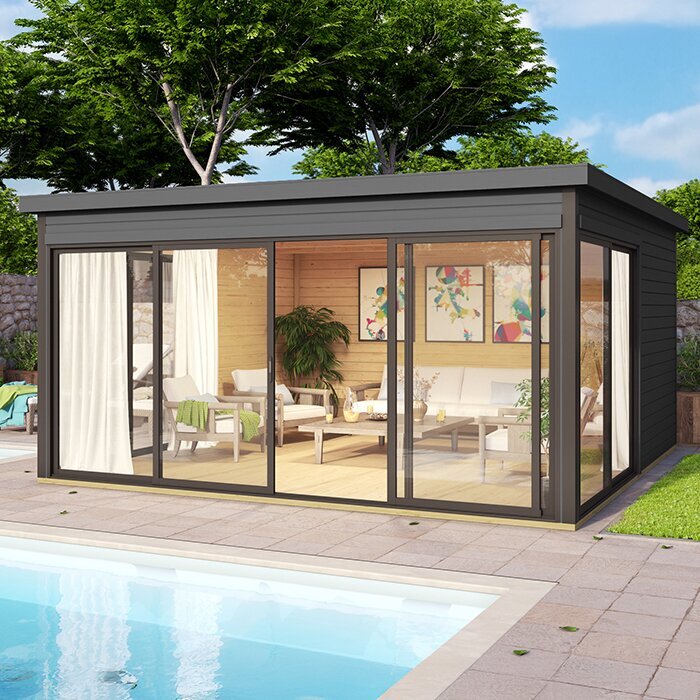
Compare a complete order rather than the first price shown on a page. Write down the selected model, variant, quantity, finish and options, then list each component you need: a base or floor, roof covering, glazing, hardware, shelving, treatment or other accessories. Mark each as included, optional, excluded or unconfirmed. Add delivery, assembly and site-preparation costs where they apply, and check the checkout total for any stated taxes or additional charges. If the seller uses a phrase such as “kit” or “complete”, ask for a contents list; the phrase alone may not settle what is in your chosen order.
Read the sales terms alongside the price. Check the stated availability or delivery estimate, payment conditions, process for changes or cancellation, returns and any warranty information offered. Keep each term within its stated scope rather than assuming it covers every issue. Compare quotations only after the model, components, delivery point, unloading and assembly work align. A lower headline figure is not a useful comparison if an offer omits a service you need or leaves an extra charge unclear. If the total or contents are not confirmed, request an itemised written answer before deciding.
Reconcile the listing, quote and checkout
Before checkout, compare the product page, any drawing or manual, the written quote and the cart line by line. Verify the model and chosen configuration, quantity, delivery address, postcode, contact details and every agreed option. Make sure the dimensions, timber details, included parts, base requirements and delivery or assembly scope all refer to the same model and version. If the cart shortens a description, read the full order record rather than relying on a thumbnail. Save the documents and the seller’s answers together so you can check the order against what arrives.
Pause if a key answer appears only in conversation, conflicts with another document or depends on an assumption about your site. Ask the seller to add the clarification to the quotation or order record, particularly for unclear dimensions, missing components, access limits or preparation responsibilities. Recheck that everyone involved in delivery or assembly has the same site information. Written confirmation before payment is easier to act on than reconstructing what was meant later. Once the essential details agree, you can judge the order against a defined scope and a realistic plan for getting the shed into position.
Frequently asked questions
What should I measure before ordering a garden shed?
Measure the proposed installation area, the space needed to open the doors and reach the shed, and the narrowest points along the route from the delivery point. Also check the largest item you plan to store against the clear door opening and the internal dimensions, if those are provided.
How can I tell what the dimensions on a product page refer to?
Look for a dimensioned drawing that labels the measurement points. Check whether each figure refers to the walls, floor or roof edge, and whether it describes the inside or outside. If that information is missing, ask the seller for clarification rather than estimating from the photograph.
Which timber details are worth checking?
Check which parts the stated timber type and thickness apply to, and ask what treatment or finish is included. Also confirm whether the floor, roof covering, fittings and fasteners form part of your chosen order, and what care or further finishing the instructions call for.
Does the listed price include delivery and assembly?
A headline price does not confirm what services or components are included. Check the written order for the selected configuration, delivery charge and unloading point, plus any assembly or site-preparation costs. Ask for a breakdown if an item or service is unclear.
What if my site is not ready when the shed is due?
Before ordering, ask how delivery can be rescheduled, whether any extra charges may apply and what arrangements are available for keeping the kit until the site is ready. Check the seller’s written terms; do not assume the carrier or installer will store the components.
An online shed order is ready when the specifications, site and service arrangements agree: the measured space accommodates the stated dimensions, the supplied parts match your requirements, the base can be prepared to the instructions, and delivery and assembly responsibilities are clear. This checklist helps you compare complete offers rather than photographs or headline prices. Keeping the final answers with the quote gives you a record of the model and scope you selected, and a practical reference when the kit is delivered.
