
Buying a Garden Shed When Delivery Access Is Limited
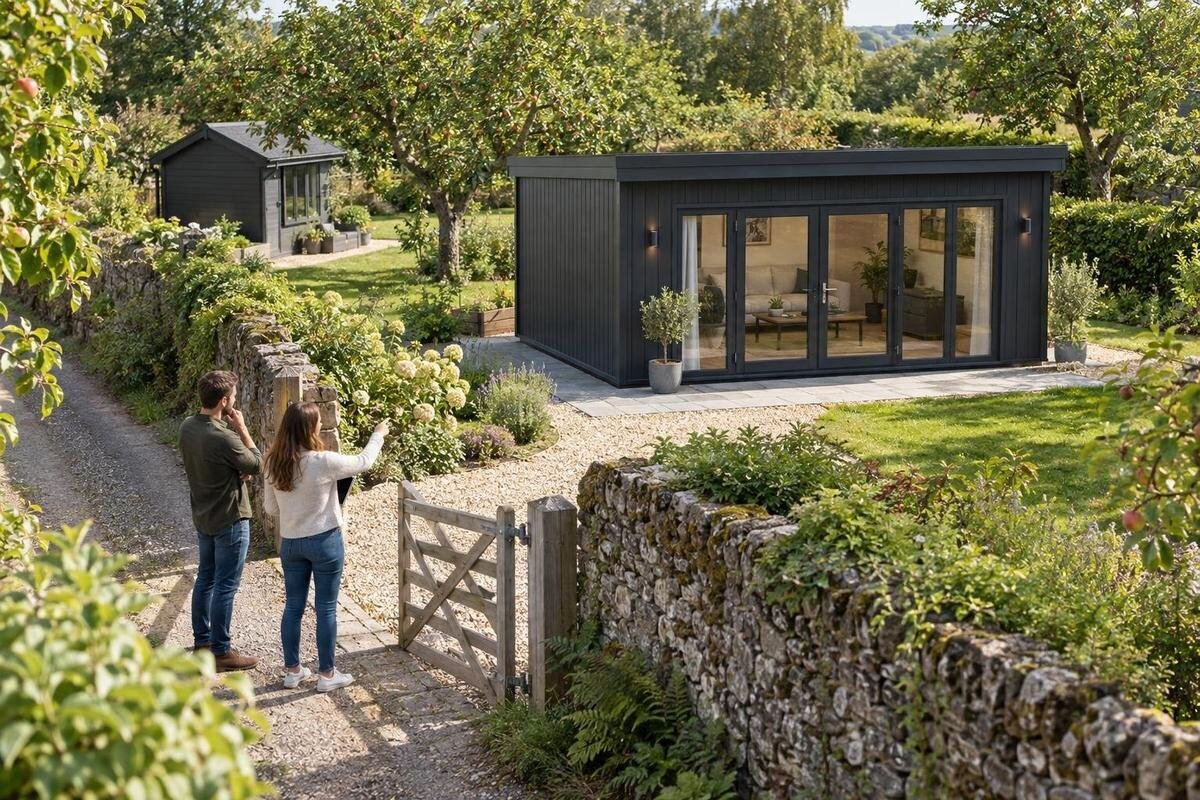
Garden shed buying guide
Buying a garden shed when delivery access is limited is a logistics decision as well as a question of size and storage. A shed can suit its intended position yet be impossible to get through a side gate, around a tight bend or off the delivery vehicle at the point you expected. Finished dimensions do not necessarily tell you the dimensions of the delivery items, how the carrier will unload, or how far the delivery team will move them. Before choosing, map the route from the stopping point to the site, record its clearances and ask the supplier how the selected shed will arrive. Then compare candidates using confirmed delivery information, not appearance alone.
Map the route from the stopping point to the shed site
Trace the route from the point where a delivery vehicle could realistically stop to the intended shed position, rather than starting at the garden gate and assuming the rest is straightforward. Include the driveway entrance, each gate, the side passage, covered sections, corners, steps and the final approach. Note every pinch point in the order a delivery item would travel; two moderate restrictions can combine into a difficult turn. Record possible alternative routes and whether each could be kept clear on delivery day. A simple plan with distances, labelled obstacles and photographs gives the supplier something concrete to assess. Also note whether gates can be held fully open without obstructing the route.
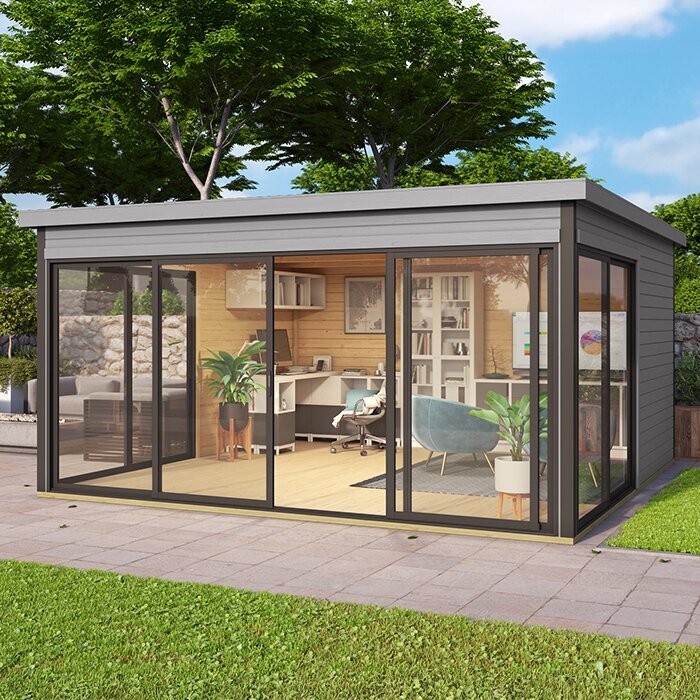
Keep this route plan separate from the space allocated to the assembled shed. For each candidate, record only product dimensions actually supplied and label them as finished dimensions; they do not show what can pass through a gate. You can put the Verdana 1 garden shed page beside your sketch as a product to investigate, not as evidence that delivery will fit. If the page does not state the delivery form or package measurements, mark those details as unknown and ask. Comparing the same route questions against each option prevents an appealing footprint or image from being mistaken for a complete access check.
Measure clear width and overhead height
Measure the usable width at each gate and narrow point with the gate in the position it can be held open on delivery day. Include hinges, latches, handles, posts and fixed fittings that reduce the clear opening; the gap between fence posts may be wider than the passage itself. At bends, record the available space on both sides, not only the straight approach. Use metres and centimetres consistently, and write down the exact spot for each measurement so no one confuses one opening with another. If a measurement is close to a delivery item's width, flag it rather than assuming a tight fit will be workable. Repeat close measurements and note the figure you can confirm.
Check overhead clearance along the full route as well. Eaves, branches, carport beams and other fixed obstacles may affect a tall vehicle or an item that needs to be carried upright. Record the lowest point and ask the supplier what clearance the actual delivery method requires; do not guess from the height of your own vehicle. If overhead services cross the route, keep clear and do not try to move them to create access. When you add the Verdana 2 model to your shortlist, use the same measurement sheet as for the other options and ask for any delivery dimensions not stated. Its name alone cannot answer whether your access is sufficient.
Account for corners and vehicle manoeuvring
Width alone does not establish whether a vehicle or a long rigid item can make a turn. Consider where the delivery vehicle would turn into the driveway, where it could stop and whether there is room to unload without blocking the next part of the route. Then inspect every bend in the path that items may take after unloading. A passage can be wide in a straight line yet leave little room to rotate a long item. Note boundary corners, walls, raised garden edges, steps and gates that must swing clear. Do not assume access for a car proves access for the delivery vehicle; their turning and unloading needs can differ.
Ask what delivery form applies to the exact model. It could arrive as separate components, larger sections or another arrangement, so do not infer the format from a photograph or from the word shed. The route needed by a vehicle may differ from the route needed by individual items after unloading. Give the supplier a drawing of the turns and ask whether the expected items can be moved through them, and what clearance is needed to manoeuvre. Use the Durano listing to identify an option on your shortlist, then request details for that exact model rather than assuming its appearance shows how it will be delivered.
Ask how the shed will arrive
The assembled dimensions answer whether the shed itself fits the planned space; they do not answer whether it can get there. Ask for the delivery form, number of packages and the largest item's length, width and height, plus its weight where available. Clarify that the figures describe the packed item rather than the finished structure or one component. If an item is long, ask how much room is needed to turn it during handling; an opening only a little wider than the stated package may not leave enough working space. For a route with several restrictions, also ask whether any single rigid part is longer than the other delivery items.
Check whether a listing's measurements refer to the completed shed, a base, a component or a package. If the wording is unclear, request an explanation before comparing figures across models; like-for-like information matters when a gate is tight. When you review the Veltor 1 listing, use that exact model name in your question and ask for any delivery measurements or handling details that are missing. Do not assume all parts are small because the finished footprint looks modest, or that package dimensions match the assembled product. The largest item and its handling path can determine whether a restricted route is workable.
Find out where delivery ends
Confirm the delivery endpoint in plain terms. Delivery to your address does not by itself explain whether the driver stops at the kerb, enters the driveway, passes through a gate, unloads inside the property or takes items to the chosen shed position. Ask which point applies to your order and what vehicle access is needed to reach it. Clarify whether unloading is included, and whether moving items beyond the vehicle is part of the service. Unloading, carrying to the site and assembly are different tasks; do not treat one as automatically included with another. This distinction matters when the last part of the route is narrow or far from the stopping point.
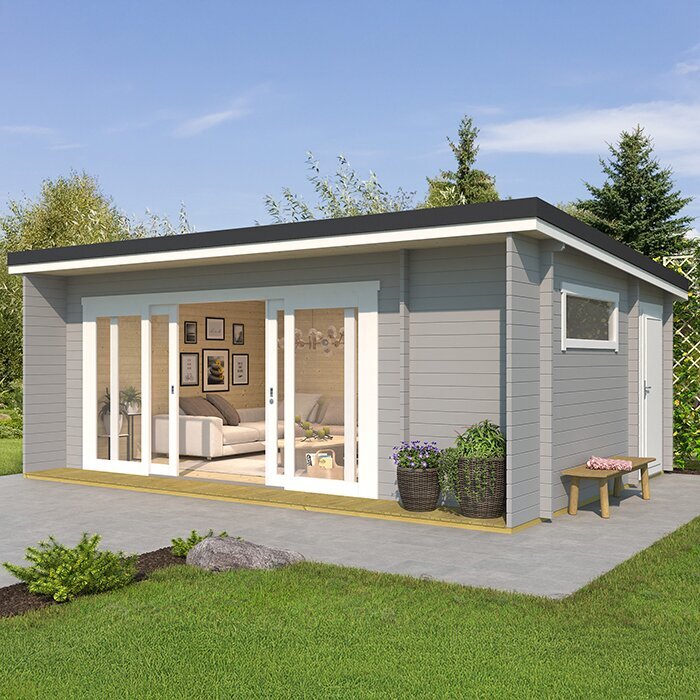
Describe your actual limitation before you order: a narrow entrance, low overhead obstruction, tight turning area or a vehicle that can stop only outside the gate. Ask the supplier to confirm whether that arrangement is acceptable for the selected model and delivery method, and what happens if the vehicle cannot reach the agreed point. Check the written delivery terms for the service you are buying rather than relying on a general statement about delivery to your area. When comparing the Orello 1 with other listings, keep product identity and delivery conditions as separate questions; the product page is not confirmation of a particular offloading arrangement.
Plan the unloading and final carry
Even if a vehicle can reach the property, the last stretch may be more difficult. Measure from the agreed unloading point to the intended shed position, including gates, steps, narrow passages and direction changes. Ask who moves the packages, how far the delivery team will carry them, and whether you need to arrange extra people or equipment. Mention changes in surface or uneven sections when discussing the route. Do not commit to moving an item yourself until you know its dimensions and weight and have a suitable, safe plan. If the route calls for specialist handling, ask the supplier what arrangements are accepted rather than improvising on delivery day.
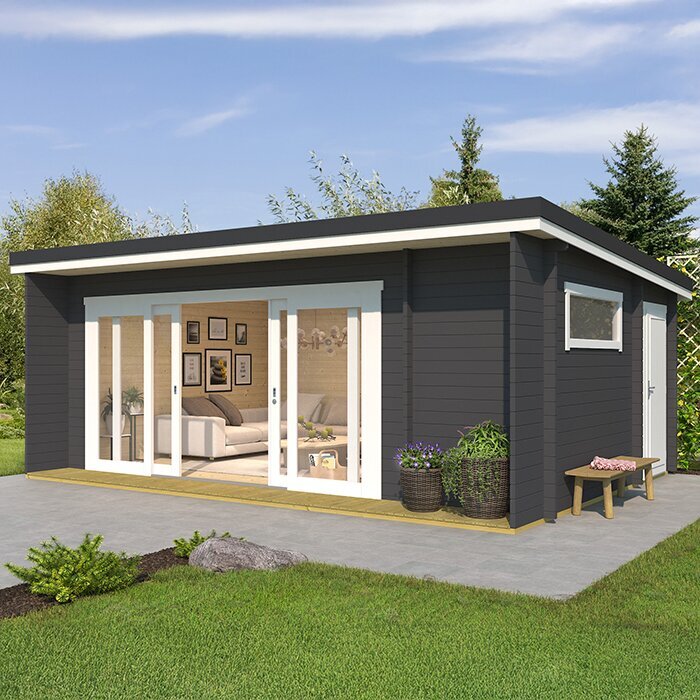
Choose a practical place where items could be unloaded without blocking the route, but do not assume the driver will put them there simply because it is inside the property. Agree where unloading can take place, who will keep the passage clear and how the items will continue to the final position. Ask whether the delivery crew's work ends at unloading or includes carrying further; confirm separately whether assembly is offered. The Modano 1 page helps identify the candidate you are discussing, but only the supplier can confirm what its carrier will do at your address. A clear handover plan prevents confusion between delivery, unloading and moving.
Compare delivery information across your shortlist
Compare options using the same fields rather than relying on a single size label. Record the intended footprint, product height, delivery form, largest item dimensions and weight if supplied, narrowest route clearance, overhead restriction, difficult turn, unloading point and confirmed service. Mark anything missing as not confirmed instead of filling gaps with estimates. A shed with a smaller footprint might still arrive as one long item; a larger finished structure might arrive in separate pieces. Those are possibilities, not conclusions to draw from a model name or product image, so verify the delivery method and measurements for every candidate.
If two models meet your storage needs, practical delivery information can help you compare them. Look for clear answers about package sizes and the delivery endpoint that match the real route; do not assume that a label such as compact or spacious means easier access. Treat the Wooden Garden Tool Shed M listing as a model to assess on its own documented details, not as a recommendation for a restricted route. Keep unanswered access questions visible in your comparison, especially if one option has been confirmed and another has not. This makes the buying decision more transparent without guessing at a product's suitability.
Give the supplier usable access details
Make it easy for the supplier to understand what you mean by limited access. Send a simple route sketch from the vehicle stopping point to the final position, with measured widths and heights, turns, gates and the proposed unloading area marked. Add photographs from both sides of tight points and label each image so it matches the sketch. Note whether a gate opens fully, whether a passage is covered and whether an obstruction is fixed or could be cleared. A single photo can hide depth or scale, so use it alongside measurements. The aim is to provide enough context to assess the route, not to produce a technical drawing.
Ask specific questions in one message: how will this model arrive; what is the largest delivery item; what vehicle access is required; where will the driver unload; and who moves items from there to the site? Include the details the supplier needs to identify the delivery, and ask for confirmation tied to the selected model and route. If a carrier will contact you separately, ask what information that carrier needs and when the access plan must be agreed. Keep the reply with your order details, along with any responsibilities you must arrange yourself. The Wooden Garden Tool Shed S page can identify the candidate in your enquiry, but the answer should address your particular route.
Consider a separate drop point only if it is agreed
If the vehicle cannot enter the property, ask whether delivery to an agreed stopping point outside the gate or another accessible location is possible. Confirm that the supplier and carrier accept that arrangement, exactly where handover happens and whether the items can be unloaded there. If you arrange onward movement yourself, treat it as a separate job: check the delivery-item dimensions and weight, the route for the second vehicle or handlers, and who is responsible between handovers. A neighbour's driveway or a shared access area is not automatically available; obtain permission and confirm it can be used for the planned delivery. Also consider where packages can be kept if onward transport is not immediate.
A separate drop point can add handling, coordination and a need for temporary storage, so ask about those details before deciding. Do not assume a carrier will leave items unattended, move them through another property or wait while another vehicle is arranged; confirm the available options and conditions for your order. Ask whether an alternative handover changes the service or any charge, rather than discovering a difference later. If no safe, authorised route is available, compare a different delivery arrangement or reconsider the purchase instead of expecting the driver to improvise. Any onward transport should be planned around actual package sizes, not the finished shed dimensions.
Settle unknowns before you order
Before ordering, bring the answers together: the route's narrowest width and height, difficult turns, vehicle approach and stopping space, unloading point, delivery form, largest-item dimensions and agreed handling responsibility. Recheck measurements at the actual gate and passage, and make sure they describe the route as it will be on delivery day. A package that matches an opening exactly may still need room to be handled; ask the supplier what clearance is required instead of inventing a margin. If a temporary obstruction will be moved, confirm who will do it and when. The plan should cover the full journey, including the last stretch to the shed position.
Do not treat a general delivery description, silence about package sizes or a product image as confirmation that access is possible. If a key measurement or service detail is missing, ask before placing the order; if it cannot be confirmed, choose an arrangement with clear limits or pause the decision. Keep the supplier's reply with your order details, including the agreed delivery point and any work you must arrange yourself. If the model or delivery method changes, check that the access plan still applies. This gives you a practical basis for preparing the property and discussing a mismatch before the vehicle reaches the gate.
Frequently asked questions
What should I measure before ordering a garden shed?
Measure the usable width and overhead height at every narrow point, including gates when fully open. Note tight turns, vehicle stopping space, the unloading point and the final route to the shed site. Use one labelled plan so the supplier can assess the whole journey.
Do the finished shed dimensions show whether it will fit through a gate?
No. Finished dimensions describe the assembled shed; delivery items may have different dimensions, and a long item may need room to turn. Ask how the shed will arrive and for the largest item's packed measurements. A product photo cannot confirm that it will pass through your route.
What should I ask the supplier about delivery access?
Give the supplier the exact model and your route measurements. Ask for the delivery form, largest item dimensions, vehicle access requirements, unloading point, and whether the delivery team carries items to the shed site. Confirm what happens if the vehicle cannot reach the agreed point.
Can the delivery vehicle stop outside the property?
Only if the supplier and carrier agree to that arrangement. Confirm the exact handover point, how items will be unloaded, who moves them onwards, and whether the alternative affects the service or any charge. A separate drop point does not by itself solve the last part of the route.
Should I order if package dimensions are still unknown?
If those dimensions affect whether the delivery can reach the site, ask for confirmation before ordering. If the details cannot be confirmed, compare another delivery arrangement or pause the decision. Do not judge access from a model name, finished size or product image alone.
Limited access need not end the search for a garden shed, but it changes what counts as a suitable choice. Compare the intended structure and the route together: where the vehicle stops, what arrives, how it is unloaded and how it reaches the final position. Measured clearances and a supplier-confirmed handling plan leave less to guess on delivery day. If one part of that chain remains unknown, resolve it before ordering or choose an arrangement whose access requirements are clear.
