
Buying a Garden Shed with a Large Glass Front
Garden shed buying guide
Large glazing can make a garden shed feel more open and bring daylight into the interior, but it also affects privacy, wall space and how the building sits in the garden. Before you buy a garden shed with a large glass front, decide how you intend to use it, measure the site and compare the actual glazing and installation details rather than judging from a photograph alone.
Before you buy 1
What a large glass front changes
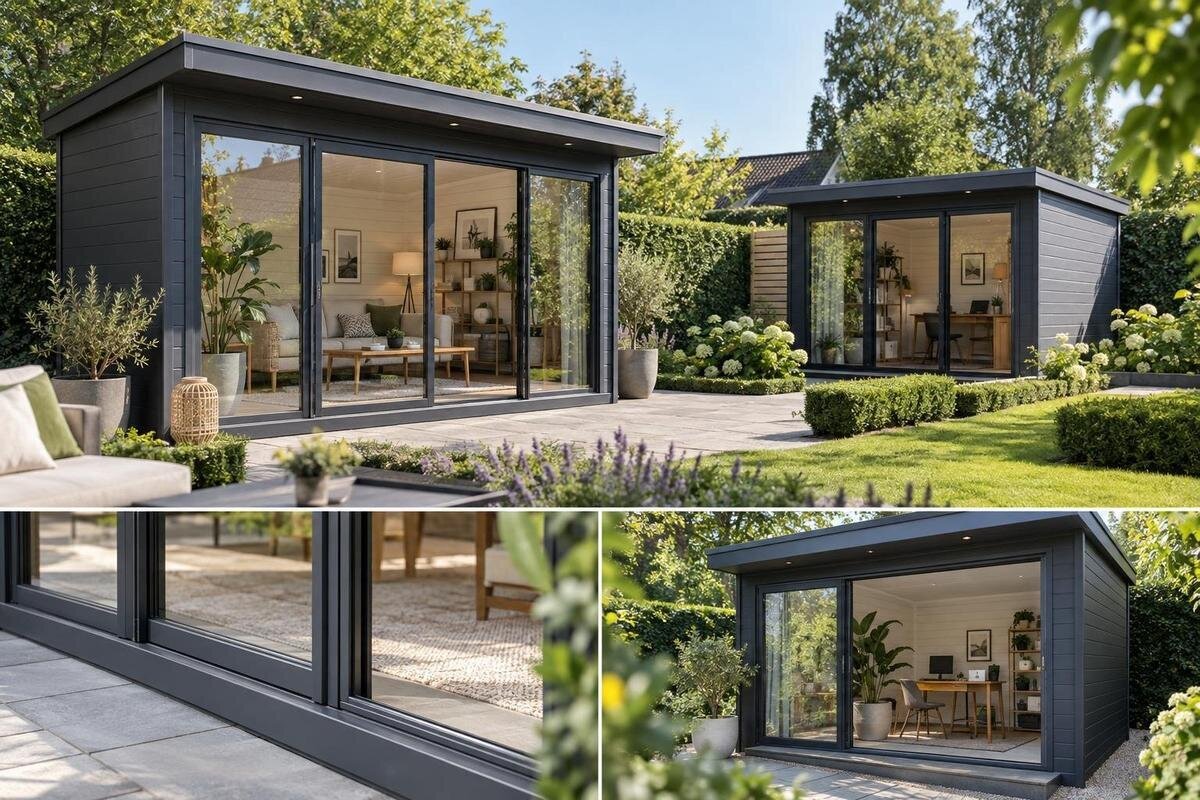
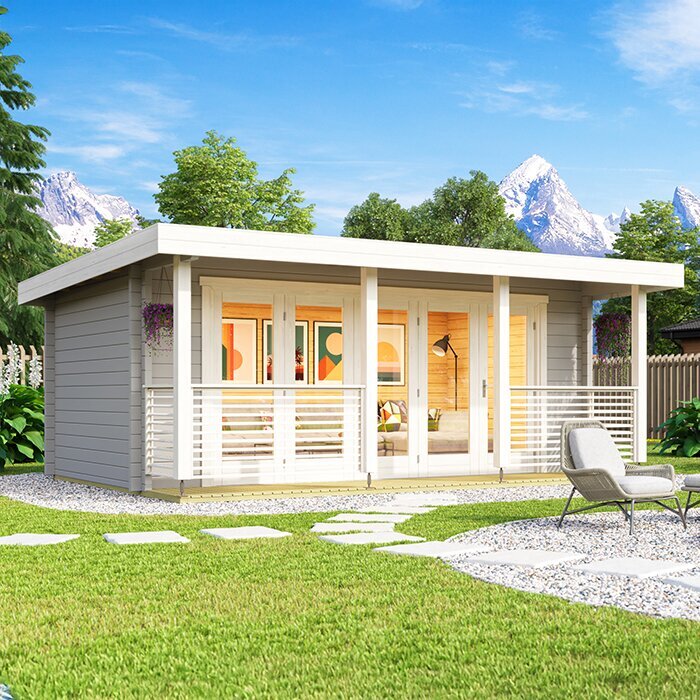
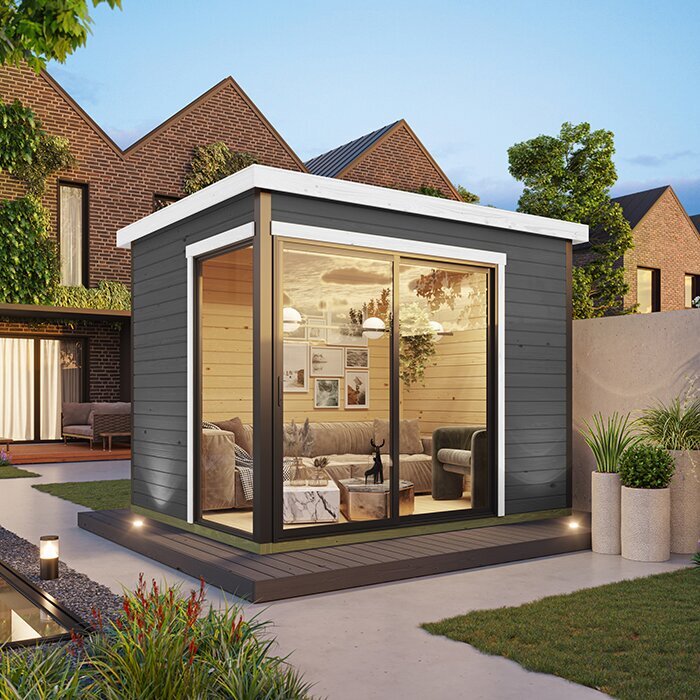
A large glass front changes more than the view from inside. From the garden, it makes one face of the building a strong visual feature; from inside, it may bring in daylight and keep the garden in view. The effect depends on how much of that face is actually glazed, the frame and any solid panels. A catalogue photograph can make a glazed area appear wider or clearer than it will at your chosen viewing distance. Look for a dimensioned front elevation or a written description, and treat a lifestyle image as an illustration rather than proof of the finished proportions.
Judge the shed from two viewpoints: the place where you will see it most often and the position you will occupy inside. Consider nearby planting, fences, paving and the style of your home so the building feels at home in the garden rather than visually dominant. Also consider the season when borders are bare and the shed is more exposed than it may be in a summer photograph. If the Verdana 1 garden shed page is among your candidates, note what its listing actually says about the front; neither a model name nor a single image confirms the glazed area. Compare that evidence with the appearance you want, instead of assuming every modern-looking shed has the same glass layout.
Match the front to what the shed will do
Before choosing a glass-front garden shed, decide whether it will mainly hold tools, garden equipment or other stored items, or whether you want a place for a hobby or occasional sitting. Storage puts emphasis on accessible floor area, shelving, wall space and keeping belongings out of view. A hobby space may put more value on daylight and a view, but the glass itself does not make a shed comfortable or suitable for regular occupation. Write down the main use and the largest or longest items you expect to keep inside; those details help you assess the interior rather than the front alone.
Think through how you will use the entrance and the space immediately inside it. You may need a clear route for carrying equipment, room to set things down, or an arrangement that does not put stored items in the main view through the glass. Sketch the intended positions of tall tools, work surfaces and seating if relevant, including the space needed to move between them. A glazed area may leave less uninterrupted wall at that end than a solid frontage, although the exact effect depends on the design. If the Verdana 2 garden shed page is on your shortlist, compare its stated layout with your own list of needs rather than inferring suitability from its name.
Before you buy 2
Measure the footprint and usable space
Measure the part of the garden available for the building, then compare it with the product’s stated external dimensions. Leave room to reach the entrance and carry out any upkeep; a footprint that fits neatly on paper can still feel awkward if a path, boundary or planting bed is close by. Check the height as well as the length and width, particularly if the shed will sit under overhanging branches or beside another structure. Do not treat the area shown in a photograph as a reliable guide to the dimensions.
External measurements and usable interior space are not interchangeable. Look for internal dimensions and a floor plan if available, then consider how shelving, stored items or furniture would fit without blocking access. Account for the depth of anything placed against a wall, not just its width, as this can reduce the clear route through a compact interior. Marking out the proposed footprint on the ground can help you judge scale and clearance before ordering. Use the Durano Spacious Garden Shed page as an individual listing to inspect, not as a source of dimensions for another model; record only figures the page explicitly provides and ask for clarification if a measurement is missing.
Confirm what the glass-front description means
The phrase large glass front does not specify a standard size or layout. Establish how wide and high the glazed area is, how much of the face remains solid, and whether the glass is arranged in one section or several. Check whether the entrance is separate from the glazed area, or whether any opening panels form part of it. These distinctions affect the appearance, the view from inside and how you might arrange the interior. If the listing uses general wording, ask for a drawing or a written explanation of the selected configuration.
Confirm what material the transparent sections use and what information is available about the glazing, frame, cleaning and replacement. Ask whether the description applies to the standard configuration or depends on an option, and whether any safety information is documented. It is also worth confirming which elements are included in the supplied front, so that a drawing, image and order description all refer to the same arrangement. Do not infer these details from a photograph. If you are unsure what is suitable for your intended use or site, ask the supplier or a qualified glazing or building professional. The Veltor 1 listing needs the same model-specific checks as any other candidate; its name alone does not establish the size or type of its front.
Before you buy 3
Choose a position that suits the view and privacy
A glass front creates a view in both directions. Stand at the proposed position and look towards the shed from the house, patio, paths and any nearby boundary. Then consider what will be visible from inside, including neighbouring windows or areas where people regularly pass. This can help you decide whether the openness is welcome or whether the interior would feel too exposed. Think about privacy before choosing the location, rather than expecting planting or screens added later to resolve every sightline.
Check the view at different times of day and note how nearby buildings, fences and trees affect it. Consider whether a screen or planting would still leave you room to reach the shed and maintain the surrounding area. Decide which direction you would prefer the glass front to face before fixing the final position, since turning the building can alter both the outlook and the level of exposure. The position should also make sense as part of the garden, not only as a way to look through the glass. When considering the Orello garden shed listing, assess its documented front and your actual sightlines together; a product name cannot tell you how visible the interior will be from your boundary.
Consider sunlight, glare and ventilation
Glazing can change how daylight and direct sun enter the shed, but the effect depends on the glazed area, orientation, surrounding shade and glass specification. A bright-looking photograph does not show how the interior will look throughout the day or across the year. Visit the proposed site at different times if possible, and note when it receives direct sun and when it is shaded. Think about glare as well as brightness, particularly if you plan to sit, work or look at a screen inside.
If you expect to spend time inside, find out what ventilation is provided and whether any parts of the front are designed to open. Note where opening elements are located, because an opening that is obstructed by stored items may not be useful in everyday use. Do not assume a large glazed area provides enough airflow or that it will keep the interior cool. Ask for the relevant product details and consider whether the stated design matches your intended use. Before comparing the Modano 1 garden shed page, check its own written information for the glazing and ventilation arrangement; do not transfer assumptions from another model or image.
Before you buy 4
Compare construction and upkeep
Look beyond the front and find out what the building is made from, what finish is supplied and what care the manufacturer recommends. If you are comparing timber options, ask whether any treatment or coating is included and whether further finishing is required; do not assume that a pictured colour or surface treatment comes as standard. Also consider the care needed for the glazed sections and frame, including how you would clean them and what information is available if a pane or component needs attention later.
Check whether upkeep is realistic for the position you have chosen, especially if access to the sides or rear will be limited. Consider how you would safely reach and clean the outside of the glazed front, as well as where water and garden debris may collect around the building. Keep the product’s stated material and care requirements separate from its appearance: two sheds can look similar in a photograph but have different specifications. A separate catalogue entry such as the wooden garden tool shed M listing should be assessed from its own written details; its name does not establish that it has the large glazed front you are seeking.
Check the site, base and delivery route
Before ordering, establish what kind of prepared base the chosen model requires and whether it needs particular site conditions. Requirements can vary, so use the product documentation rather than assuming that an existing paved or planted area will be suitable. Look at drainage and the condition of the ground around the proposed position, and check that you can reach the outside of the shed for routine care. If the site is uneven or you are uncertain about preparation, get advice from the supplier or a qualified professional instead of relying on a guess.
Measure the access route from the delivery point to the final position. Gates, narrow paths, steps, corners and low branches can affect whether components can be moved to the site, even when the shed itself fits the garden. Check for temporary obstacles as well, such as movable pots, outdoor furniture or a vehicle that normally occupies the access route. Ask what delivery includes, whether unloading or assembly is part of the order, and what access the delivery team needs. The wooden garden tool shed S listing is an individual product page, not a substitute for the dimensions of your chosen model; use only its stated figures and check the relevant listing for your own order.
Before you buy 5
Compare the complete order, not just the pictured shed
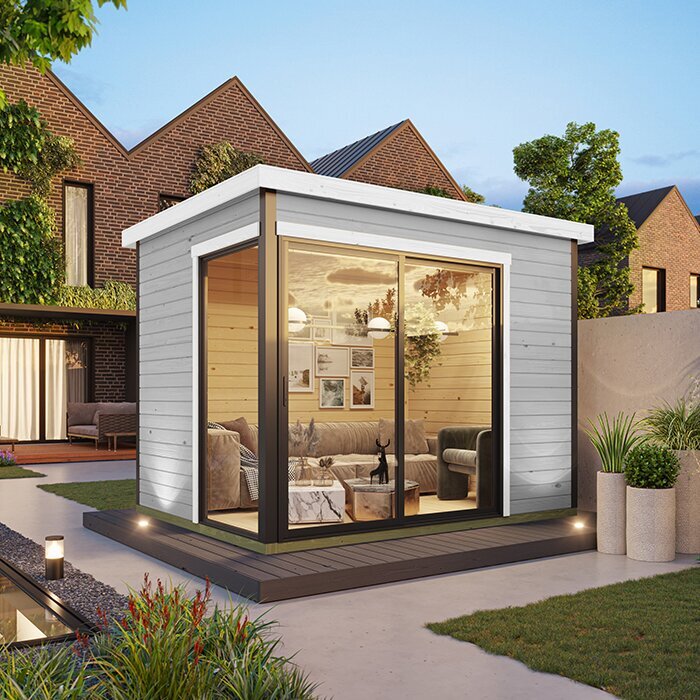
Compare like with like when reviewing prices or quotations. Confirm the exact model and configuration, then check whether the glazed front, chosen finish and any other pictured components are included or optional. Ask whether the base, delivery, unloading and assembly are separate costs, and include anything you will need to arrange yourself when working out the total. A low headline figure is not a useful comparison if it refers to a different configuration or leaves out a service you expected to be included.
Read the order terms and the product details together before committing. Confirm the delivery area, access requirements, estimated delivery arrangements and who is responsible for assembly or installation. Keep a copy of the selected configuration and the product description used when placing the order, particularly where choices affect the appearance of the front. If an important point has been agreed verbally, ask for it to be recorded in writing so you can compare it with the order confirmation. Check any return or cancellation terms that apply to your purchase, and make sure you understand what happens if a selected option or component is unavailable.
Use a shortlist to make the final choice
Compare a small number of candidates against the same criteria: the actual glazed area, internal layout, external dimensions, stated materials, ventilation information and what is included. Separate must-haves from preferences. For example, a particular view or appearance may be desirable, while enough clear floor space and a suitable access route may be essential. This makes it easier to see when a shed looks appealing but would not work for the way you plan to use it.
Before choosing, revisit the proposed position and check that your measurements, privacy concerns and access plan still make sense together. Compare the candidates using the same notes rather than relying on memory after viewing several product pages. Note unanswered questions about the front, base or order scope and resolve them against the information for that exact model. A clear comparison helps you weigh the visual impact of a large glazed front against practical considerations without giving one attractive photograph more influence than the details that will determine whether the shed fits your garden.
Frequently asked questions
Is a large glass front practical for storing garden tools?
It can be, if the interior still has the floor area and wall space you need, and the front has the access and security features you require. Check the layout and the written details for the glazing and locks. Do not assume a particular security level from the appearance of the glass.
How can I tell whether the glass front is large enough?
Ask for a dimensioned front elevation or written measurements of the glazed area. Check whether the stated size includes any glazed doors, and compare the proportions with the whole front. A single product photograph may not show the full layout or scale.
Will a glass-front garden shed be brighter or hotter?
Glazing can affect how daylight and sunlight enter, but the result depends on the glass, orientation, shade and ventilation. A large front does not guarantee comfortable temperatures or even light throughout the day. Ask for relevant product information and consider the conditions at your chosen position.
Does a glass front make a shed suitable as a garden room?
No. The frontage alone does not establish that the building is suitable for regular use as a room. Check the stated construction, ventilation, weather protection and intended use, and seek qualified advice about any site or approval questions that apply to your plans.
What should I confirm before placing an order?
Confirm the exact model and glazed-front layout, external and internal dimensions, what is included, and any base, delivery or assembly requirements. Ask for unclear points in writing, including whether the glass or finish shown is part of the selected configuration.
The right glass-front garden shed balances the look you want with the space you need, the position available and the details confirmed for the specific model. When the frontage, interior layout, site and order inclusions all suit your plans, you can choose with a clearer idea of what will arrive and how it will work in your garden.
