
Buying a Garden Shed with Folding Glass Doors
Garden shed buying guide
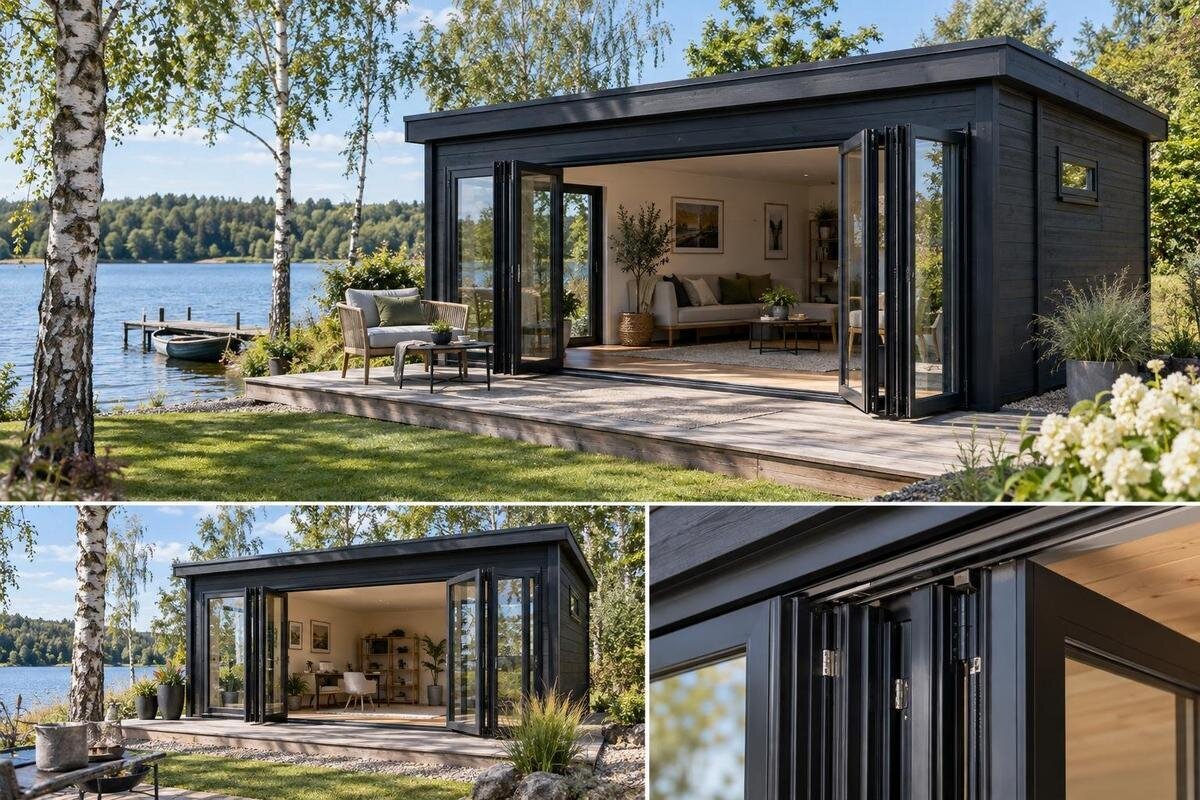
Buying a garden shed with folding glass doors involves more than choosing a glazed front that looks right in the garden. The way the leaves fold affects the clear opening and the space needed beside it; the glass, overall dimensions, materials, site preparation and delivery also affect whether the building works for your plans. This guide sets out the checks that help you compare models using their stated details. Configurations vary, so rely on drawings and written specifications rather than inferring a door layout or construction from a product name or photograph.
Decide what the shed needs to do
Before you compare models, define what the shed must do on an ordinary day. Storing a mower and garden tools, keeping bicycles easy to reach, setting up a potting bench or creating an occasional hobby space calls for different layouts. List the largest item that must pass through the doors, the belongings you need to reach regularly, and any bench or shelving that must stay in place. Include frequently used items as well as those you store seasonally. This turns a vague wish for a glazed frontage into practical requirements: what needs to fit, how often you enter, and how much interior floor area must remain clear. It also helps you judge whether folding doors solve a real access problem or are mainly an appearance preference.
Consider the shed’s main role separately from its appearance. A broad opening can help when you move bulky items, but it does not create more usable floor area; folded leaves, stored equipment and interior fittings still occupy space. A shed used for changing tasks may need flexible shelving or a clear floor zone. If most contents are small, think about whether the glass frontage brings enough daylight and visibility to justify its cleaning and privacy considerations. If you intend to work or spend time inside, check the product’s documented construction and intended use rather than assuming that glazing makes it suitable as a year-round room. Select the shed for the use it is actually specified to support.
Understand the folding-door arrangement
Folding glass doors use hinged panels that gather together when opened, but the number of moving leaves and their direction vary by model. Some arrangements collect the stack at one side; others divide it between the sides. Confirm which panel opens first, whether any panel stays fixed, whether the leaves fold inward or outward, and which side the stack occupies. Ask whether a panel can serve as a separate pedestrian entrance, if that matters to your routine. A product image may show the doors closed or partly open, so it cannot necessarily reveal the full arrangement. Request a dimensioned elevation or clear door diagram if the description does not answer these questions. Do not assume that “folding doors” means the entire front becomes a clear opening.
Check what happens at both ends of the movement. The stack needs room, and the path should not be blocked by a wall, fence, planter, step or furniture. Ask where the handles and locking points sit, whether the leaves can be held open, and if a threshold or track creates a lip across the entrance. These details affect daily use: a wide front can still leave a narrower passage when the leaves are folded to one side, while an outward-opening arrangement may need a clear area outside. Check that the open stack does not obstruct a side route or window, or make the entrance awkward when nearby storage is in place. Compare the fully closed and fully open positions, not just the look of the doors in a sales image.
Measure the usable opening
Measure the widest and tallest item you plan to move through the shed, allowing for the way you will carry or wheel it. Compare those measurements with the clear passage between the frame and with the height beneath the door opening. The overall width of the glazed front is not necessarily the usable opening: frames, fixed panels, handles and the folded stack can reduce the space available. Mark the intended doorway on a simple plan and note the area occupied by the panels when open. Measure the turning space outside as well as the item itself. This matters for equipment with handles, baskets or protruding parts that can make it harder to turn than its basic width suggests.
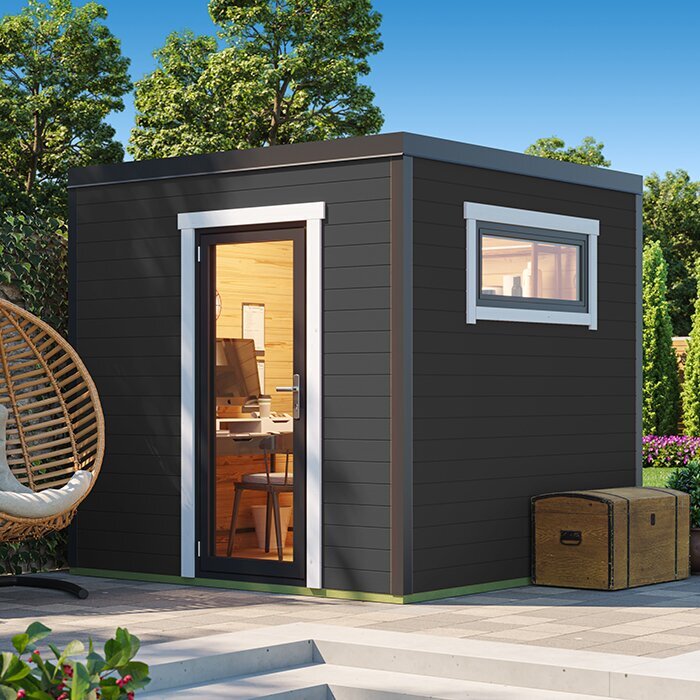
Separate external, internal and opening dimensions when reading a product page. If a page gives only a footprint, it may not tell you the internal room or clear width of the doorway; request a dimensioned drawing or written clarification rather than estimating from a picture. Compare your measurements with any confirmed figures on the Verdana 1 garden shed listing, using the stated measurement points and checking whether the page identifies a clear opening. Keep a note of what each figure measures so you do not compare an outside width with an internal one. If the opening dimension is not provided, treat it as an unanswered question, not as equal to the advertised front width.
Check the glazing details
Ask what glass or other glazing is specified, including its type, thickness and any stated safety or performance properties. Do not infer these from a clear photograph or from the words “glass doors”. If the seller lists a safety classification or thermal-performance figure, check exactly which component it covers and whether it applies to all moving panels. Ask how the glazing is held in the frame and what seals or weather details are described. These checks matter because the door system is a collection of panels, frames and hardware; the glass alone does not describe how the complete entrance is made. If no written information is available, request it before purchase, including any care guidance for the glass and frame.
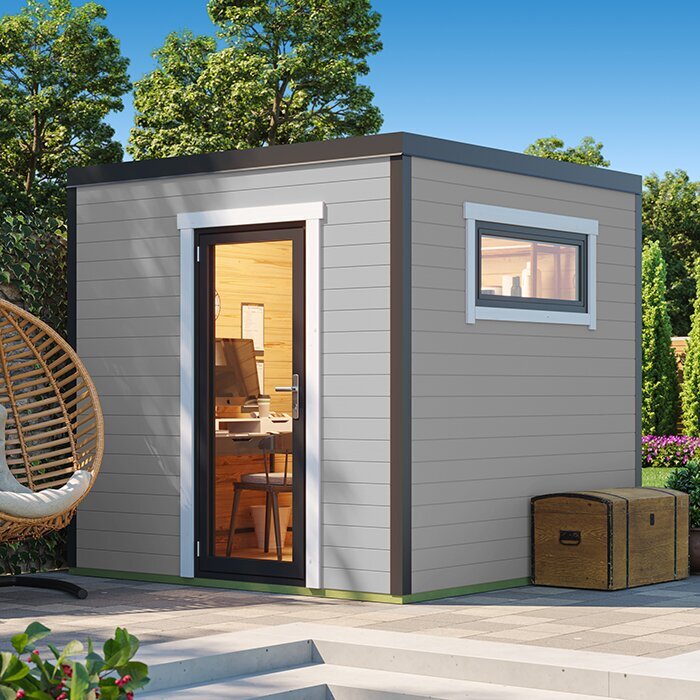
Think about visibility as well as light. Clear panels can make it easier to see the garden from inside and can leave stored contents on view from outside; obscure or tinted glazing may change that balance, but confirm which option is actually offered. Check whether blinds, curtains or screens are compatible with the way the leaves fold and stack, rather than assuming they can be fitted afterwards. Where options exist, make sure your chosen glazing is reflected in the order details. The Verdana 2 garden shed listing is one page to review against these questions: rely on written glazing and door information, and ask for clarification wherever it is missing. Avoid choosing on the basis of an image that may show a different configuration.
Fit the shed to the garden
Check the shed’s full footprint and height against a measured plan of the garden. Include the area needed to approach the entrance, fold the panels aside and use the doors without hitting a path edge or nearby object. Allow for an overhang or other projection only where it is shown in the published dimensions. Consider what will be beside and behind the building, not just whether the floor outline fits. A fence, wall, tree, outdoor tap or planted border may affect access, shade, maintenance and the way the glazed side feels. Keep enough space to inspect or maintain sides that will otherwise sit close to a boundary. If the position is near a boundary, confirm any stated clearance requirements with the seller. Observe the proposed position at different times of day if sunlight or privacy matters, rather than judging it from one view.
Check the route between the garden entrance and the shed as well as the final position. A large panel stack may be awkward if the doorway faces a narrow path or a regular walking route; a door opening towards a seating area may need a different arrangement. Verify that the site has enough working space for the selected configuration, then compare the measured space with the actual dimensions shown for a model. Make sure the doors can stay open without blocking a gate or a route used regularly. A simple plan can show how the open leaves relate to a path or seating area. If the Durano garden shed page is in your comparison, use its stated measurements only and add the clearances your layout requires; the product name or photograph is not a reliable scale.
Compare materials and maintenance
Compare construction materials and finishes on their documented qualities, not on appearance alone. For timber, ask what species or grade is specified, whether a treatment or finish is supplied, and what ongoing care the manufacturer recommends. For another material, check the equivalent information about surface finish, exposure and maintenance. Read the care guidance before deciding whether you can maintain the shed as required; a finish that needs periodic attention may not suit every buyer. A seller’s instructions are more useful than assumptions based on colour or texture. Check whether any surfaces need attention before assembly, and which parts are made from which materials, since the door frame, panels, floor and walls may not all be described by one short label.
A product title is not a complete material specification. When reviewing the Veltor 1 garden shed listing, look for explicit construction and finish details, plus any care instructions and exclusions. If those facts are not given, ask rather than assuming a particular wood, coating or level of weather protection from the model name or its appearance. Compare the stated care requirements with your own maintenance preferences and the shed’s intended use. Do not treat a general category description as evidence that a particular product has a specific finish or treatment.
Confirm the base and assembly requirements
Ask what base or support the manufacturer requires and what is included in the purchase. Requirements can depend on the selected model and conditions at your site, so do not assume that a floor, base, anchors or ground preparation are part of the kit. Check published instructions for the required surface and dimensions, and whether the area must be level or prepared in a particular way. Clarify what “base” means in the product information: it may refer to the support beneath the shed or to a floor supplied with it. Where the ground is uneven or the base arrangement is unclear, seek guidance from the supplier or a suitably qualified professional before ordering. This is a purchasing check, not a reason to improvise a foundation from a photograph or a generic shed diagram.
Read the assembly information before paying, including what components are supplied, whether glazing and door hardware are part of the selected configuration, and whether instructions or assembly service are provided. Confirm which fixings or tools you must arrange yourself, and whether optional items alter the size or layout. Check whether assembly is self-build or a separate service, and who to contact if supplied parts are missing. Also confirm how much clear working space is needed during assembly. When you inspect the Orello 1 garden shed page, look for specific base and assembly notes rather than relying on a feature in a model name. If a point is not stated, get it clarified before ordering so the package and site preparation match your plan.
Weigh privacy, security and everyday comfort
Glass changes how private and secure the shed feels. From the house, neighbouring properties and public-facing parts of the garden, consider whether the interior and stored items will be visible. Screening in one place may not hide a view from an upstairs window or a garden seating area. If concealment matters, compare any offered glazing options and ask whether a compatible screen is available; check that it will not obstruct the folding panels, handles or access. For tools or other valuable items, check the stated locking arrangement and how the door panels are secured. A photograph or general description cannot confirm the security of a complete building, so weigh the written details against what you intend to store. Remember that the view into the shed may change after dark if a light is used inside.
Also think through light, glare and cleaning from your chosen position. A glazed front can change the quality of daylight inside, but the amount and direction depend on the actual configuration and garden setting. Ask how the door surfaces are cleaned and whether any maintenance products or restrictions are specified. Consider whether reflections at different times could affect the way the shed feels from inside or the appearance of the surrounding garden. When examining the Modano 1 garden shed listing, use stated glazing and hardware details rather than assuming features from the product image. If privacy or security is essential, have the seller confirm that the exact option you plan to order addresses it.
Check the package and purchase terms
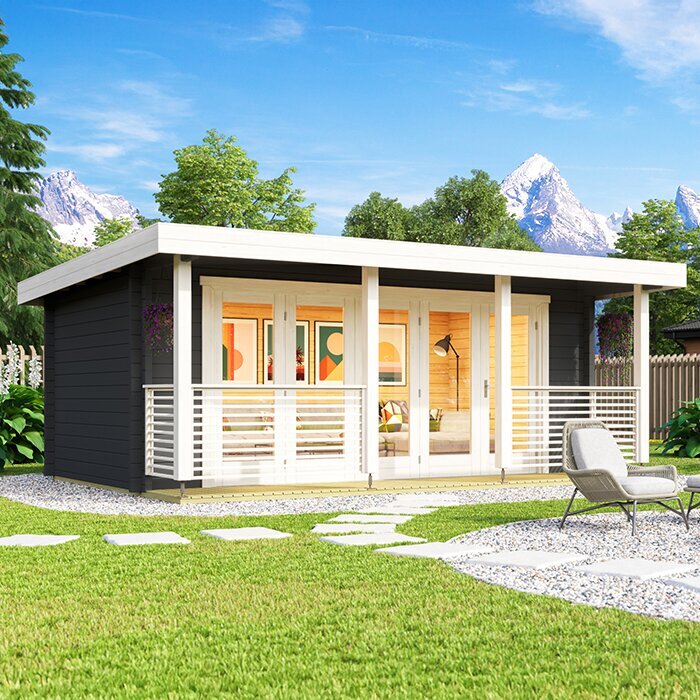
Compare the full contents of the package and the total purchase terms, not just the main shed description. Confirm whether the selected configuration includes the folding door system, glazing, floor, roof covering, handles, locks, fixings and any finish you expect. Some items may be optional or sold separately, so record only what the chosen option actually lists as included. Check that the dimensions and door arrangement in the specification match the version you select, especially if the product page offers variants. A changed option can affect the listed components, so review the final selection rather than relying on the default display. Compare like with like across listings, and note unanswered items before ordering.
Delivery, assembly and site work can affect the overall budget, so check the charges and service descriptions shown for your order instead of assuming they are included in product details. The garden tool shed M listing can be checked using the same inclusion list: distinguish what is stated as supplied from upgrades, accessories or services that need a separate selection. Review the order summary before payment and keep the final specification as a record of the configuration you selected. Make sure any door or glazing options you chose appear in that summary. Do not assume that a similar-looking model carries the same package or services.
Plan delivery and make a final comparison
Make sure the shed can reach its intended position after delivery. Measure gates, narrow passages, turns and steps along the route, and consider whether the components will be carried or wheeled through those points. Ask what delivery includes, where materials are left, whether unloading or movement to the assembly site is part of the service, and what access constraints the seller needs to know. Do not assume that assembled dimensions tell you the size of packaged components. If access is tight, request relevant package information before placing the order, rather than discovering a problem when delivery arrives. Establish whom to contact if agreed access arrangements change. Where a component must pass through a doorway, compare the route’s clear width with the package information, not only the assembled shed dimensions.
Before checkout, match the selected product code or option, dimensions, door arrangement, glazing, included components and delivery details against your notes. If the garden tool shed S listing is part of your comparison, check its own stated measurements and terms; do not infer them from another model or from the letter in its name. Save the product information and order summary for reference, and resolve any mismatch before confirming. Check that the product selected in your basket is the same configuration you reviewed. This final comparison keeps the decision tied to the exact item and services selected, rather than to a broad category description.
Frequently asked questions
Do folding glass doors always open across the full front?
No. The number of moving panels, any fixed sections and the way the leaves stack depend on the model. Check the clear opening when the doors are fully open, which side the stack occupies and whether the arrangement matches the space available around the shed.
How can I tell whether a large item will fit through?
Measure its widest and tallest points, including handles or parts that stick out, and compare them with the stated clear doorway dimensions. Also consider how much room you need to turn or wheel the item through the entrance. The front’s overall width is not necessarily the usable opening.
What glazing details should I confirm?
Ask for the stated glazing type and thickness, plus any safety or performance properties the seller claims. Check which panels those details apply to and whether they describe the complete door system or only the glass. Do not infer specifications from a photograph or a product name.
Will a shed with folding glass doors keep stored items private?
Clear glass can leave the contents visible from outside. Consider the shed’s position and whether an offered glazing option or compatible screen would suit your needs. Check that any covering works with the folding panels and does not obstruct their movement; do not assume a screen is included.
What should I confirm before placing an order?
Check the exact model and selected options, clear opening, overall dimensions, glazing details, base and assembly requirements, included components and delivery arrangements. Compare these with your site measurements and intended use. If an important detail is missing or unclear, ask the seller before confirming.
Folding glass doors make access, visibility and the space beside the entrance central to choosing a garden shed. Compare the open-door arrangement with your routine, then check the documented dimensions, glazing, construction, base requirements and order details against your garden and intended use. The strongest choice is the model whose written information answers those questions, not simply the one whose photograph makes the best first impression.
