
Buying a Modern Garden Shed with a Flat Roof
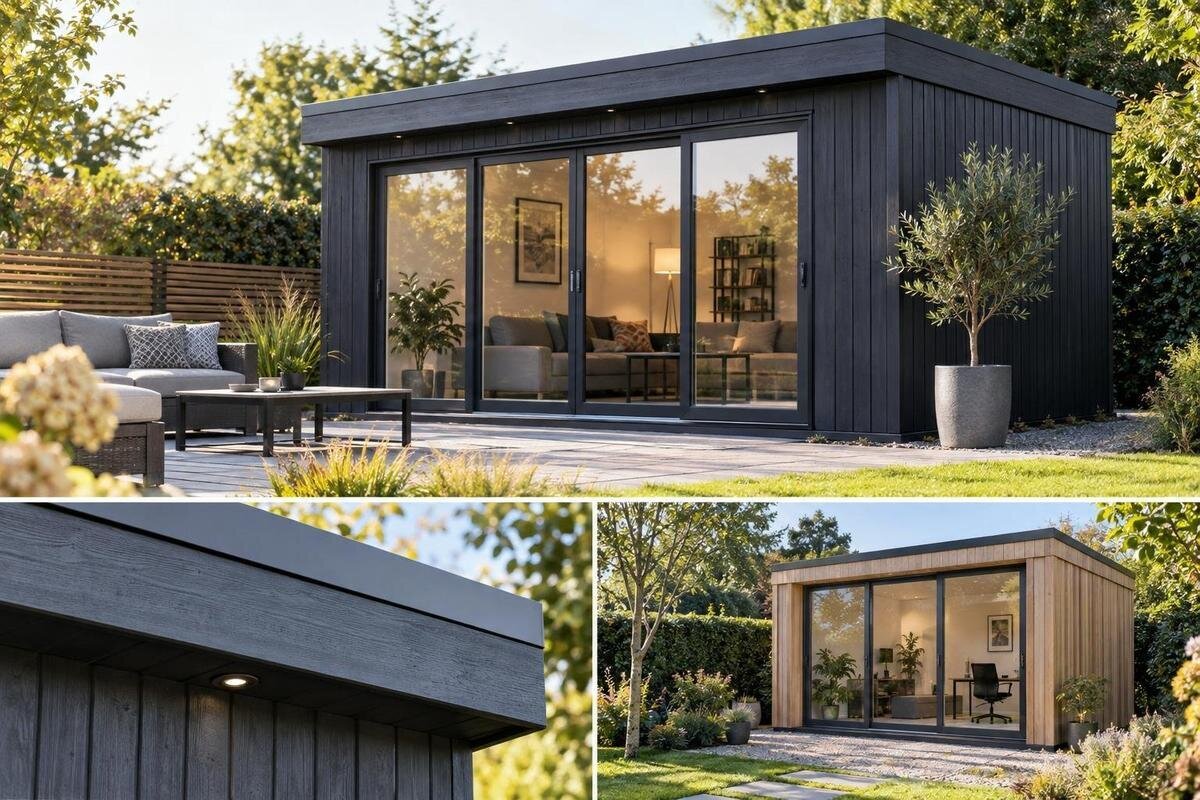
Garden shed buying guide
Buying a modern garden shed with a flat roof is a decision about both the building and the space around it. The clean roofline may suit your home, but it does not answer questions about dimensions, drainage, materials, access or what arrives with the order. If you are buying in South Africa, compare the stated design and site requirements before committing, and make sure the exact version you are considering is documented as flat-roofed.
What a flat-roof design does and does not tell you
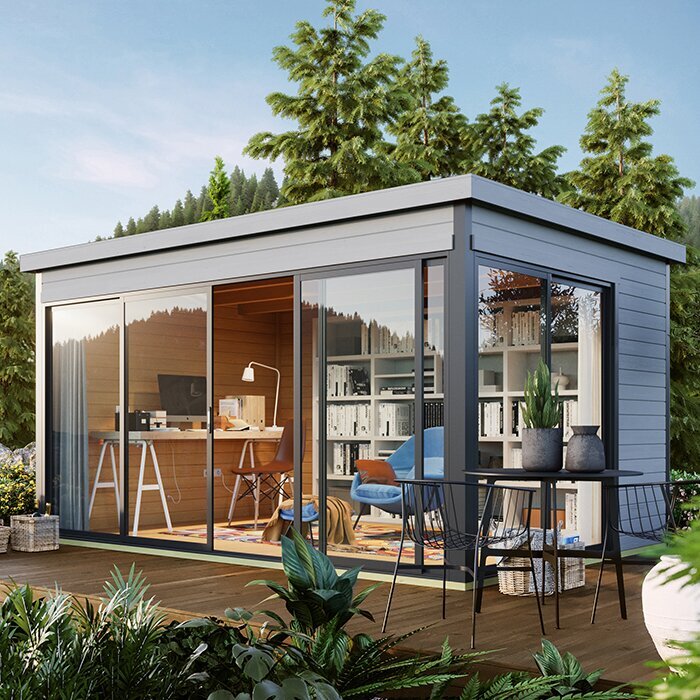
A flat-roof design gives a garden shed a clean, horizontal roofline. That can work well beside contemporary architecture or in a garden with strong straight lines, but the effect depends on the building’s proportions and where it sits. A product photograph is not enough to judge its overall height, roof edge, projection or how the structure meets the ground. Compare an elevation drawing and written measurements with the view you have in mind. Also consider the width and length: a low profile can still cover more ground than expected. Flat describes the look; it does not confirm how the roof is constructed or whether its surface is level.
Separate the appearance you want from the details that determine the purchase. Decide whether the roofline should sit below nearby windows, follow the lines of the house or give the shed a distinct outline. Then compare those preferences with the stated overall height, roof profile and finish. Ask the seller to identify the exact roof configuration for the version being quoted, including any options that alter it. Product names and images alone do not confirm a flat-roof design. Treat every linked product page in this guide as something to inspect for specifications, not as proof that it has the profile you want.
Match the shed to its intended use
Write an inventory of the things the shed must accommodate, rather than choosing by floor area alone. Include tall tools, long-handled equipment, garden furniture, bicycles or seasonal items where relevant, and note which objects need to be reached often. Separate must-haves from occasional storage so you do not pay for space that adds little value or choose a compact layout that makes everyday items awkward to remove. Think about how the contents will be arranged and retrieved, not just whether they can be squeezed inside. If you plan to work or spend regular time in the building, treat that as a different requirement from basic storage.
Check whether the product information describes usable interior space and any limits on use; do not assume that a garden building is a workshop, office or living space because it looks finished. The Verdana 1 garden shed listing can be used as a comparison page: note the stated details that matter for your own inventory, and leave blanks where the listing does not answer a question. Confirm its precise roof profile before considering it for this flat-roof brief. This turns browsing into a like-for-like exercise without treating a name or attractive image as a specification.
Measure the footprint and site access
Mark the proposed footprint on a simple site sketch, using the maximum outside dimensions quoted for the building. Do not measure only the floor area: roof projections, wall thickness and the stated overall height can affect where the shed fits. Allow room for the door to operate and for you to move items past it. Check the narrowest gate, passage, steps or turning point on the route from the delivery drop-off to the intended position; an otherwise suitable footprint is little use if parts cannot reach the site. Where the layout allows, include clearance to inspect and maintain the outside.
Separate external dimensions from usable interior measurements when you compare pages. The Verdana 2 garden shed listing is one page you could use to record both, if those figures are published; a product name or image will not establish either. Check whether measurements include roof projections and whether height is taken at the highest point. Draw the door opening and any fixed fittings on your plan, then test where shelves and larger items would sit. If the listing omits a measurement that affects placement, obtain it before deciding rather than estimating from a screen image.
Plan the inside layout around the opening
Once you have the dimensions, plan how the interior will work on an ordinary day. Sketch the door position and direction of opening, then set out any shelves, tool racks or other storage you already own. Leave a clear route from the entrance to items you reach often, and check whether a long object can be brought in and turned without moving everything else. If the door opens outwards, include its full sweep in your site plan; if the arrangement is different, follow the stated drawings. Avoid assuming that a pictured layout, floor or fitting is part of the standard supply.
Openings also influence privacy and the usable wall area. A window can affect where a tall cabinet or shelving will fit, while a doorway on one side may work better for the way you approach the shed. Compare the documented plan and opening positions, not just the product title. Keep the Durano garden shed listing in a shortlist only after checking the exact configuration, dimensions and included fittings shown for the item. This is a comparison exercise, not an assumption about that model’s doors or roof. Mark any uncertainty, such as an optional fitting, and ask which version the final order would describe.
Check roof drainage and weather protection
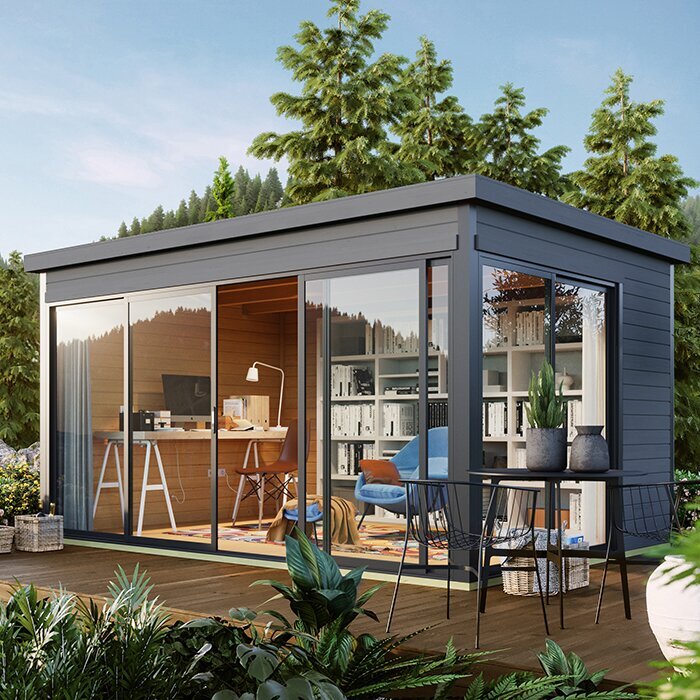
Ask how the roof sheds water, even when the product is marketed as flat-roofed. A low-profile roof may still have a fall; its direction and route matter more than what can be seen in a front-on photograph. Confirm the specified roof covering, joints, edges and any gutters or outlets, and whether those parts are included in the quoted package. Ask where water is meant to discharge and what needs routine clearing or inspection. If the description is vague, request the seller’s written specification and have a qualified installer assess the proposed arrangement for your site before you order. Do not work out roof drainage by guesswork.
Think about the exposure around the intended position: local rainfall, wind, nearby trees and the route water will take across the property can all affect siting and maintenance. Keep the questions practical: where will runoff go, could it fall across an entrance, and can the roof be checked and maintained safely? A flat appearance does not mean the roof is a platform, that it can carry stored objects or that extra equipment can be fixed to it. Unless the manufacturer explicitly documents that use and its capacity, do not plan to walk on, load or modify the roof. Ask a qualified professional about any non-standard use.
Compare materials, finishes and maintenance
Compare the full material description rather than relying on a broad label such as timber or modern. Ask what is specified for the frame, walls, floor, roof covering, fasteners and finish, and identify which components are included. For a timber building, check whether treatment or a surface coating is supplied, what areas it covers, and whether any preparation is required before assembly. For other materials, establish the stated care needs and whether the roof system is a separate component. These details affect upkeep as much as visual style; a photograph cannot tell you how a finish will need to be maintained.
Put each stated material and finish into the same comparison notes, along with the maintenance guidance supplied by the seller. The Veltor 1 listing can be checked in the same way: record only what its item details actually say, including any exclusions, and ask for clarification if a roof or wall component is not identified. Do not infer treatment, weather resistance or lifespan from the product name. Find out whether regular recoating, cleaning or replacement parts are mentioned and who is responsible for work beyond assembly. If maintenance instructions are not available before purchase, ask for them so you can judge the time and cost involved.
Position the shed for access and garden conditions
Choose a position that suits how the garden is used, not only the outline visible in a sales image. Compare the proposed shed height with nearby windows, walls and planting, and consider how the roofline will look from the house and the main path. A flat silhouette may echo straight lines already on the property, but proportions vary by model, so use stated dimensions or an elevation rather than a catalogue name. Keep the route to the shed clear for the items you plan to store, and consider whether its position would obstruct a path, tap or other feature you need to reach.
Check the surface and surrounding conditions with the person responsible for installation. A suitable base, drainage around the site and access for assembly depend on the particular building and ground; there is no single foundation answer for every property. Note sloping or soft areas and places where rainwater collects, and ask what preparation the supplier requires. A product page such as the Orello 1 garden shed listing can be saved beside your site sketch, but rely on its written measurements, not the apparent scale of an image. Confirm any estate, body corporate or local approval process that applies to your property before ordering.
Decide how much light and ventilation you need
Decide what you need from openings before comparing glazing. Natural light may be useful if you will sort or retrieve items inside, while a shed used mainly for storage may place more value on uninterrupted wall space. Think about privacy from neighbouring windows and whether opening positions would make shelves or tall items difficult to arrange. Ventilation and protection from dust or moisture are specification questions, not something to infer from a picture. If the stored contents need particular conditions, ask whether the product is stated to provide them rather than assuming a garden shed will do so.
Check the exact number, position and type of openings in the product description, including whether glazing or fittings are included, optional or part of a particular version. The Modano 1 garden shed listing is a page to review against those questions, not a substitute for a written configuration. A rendered image may show only one arrangement, so verify that the chosen option matches the order details and any accompanying plan. For glass or other transparent panels, review the material and care information provided by the seller, along with any security details relevant to your intended use. Do not assume features that are not stated.
Confirm what the order includes
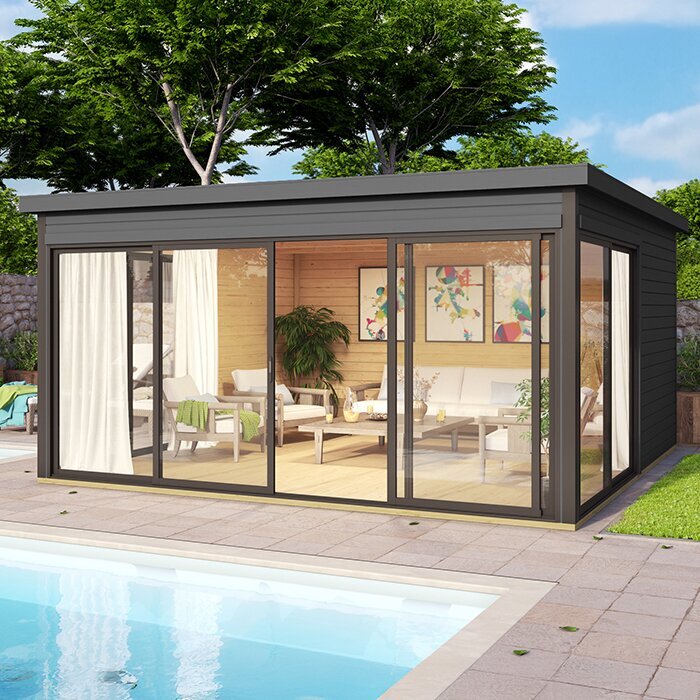
Before placing an order, make an itemised list of what the price includes: building components, roof covering, floor, fixings, door hardware, glazing, protective finish, instructions and assembly service, where applicable. These are details to confirm, not features to assume. Clarify whether a base or site preparation is required and supplied separately, and who handles assembly if it is not included. Also check whether accessories shown in a picture are part of the offer or only used for styling. A written breakdown makes it easier to spot a missing component before delivery and to compare two configurations fairly.
Ask about delivery arrangements, the access needed for unloading and moving components to the site, and what happens if a part arrives damaged or is missing. Confirm the quoted lead time, payment terms, return conditions and warranty wording directly from the seller; these can vary and should not be guessed from another product page. The wooden garden tool shed M listing can be used as a prompt for questions about an itemised package, but use the details for the exact version in your quote. Keep the final order confirmation, instructions and written answers together so there is a clear record of what was agreed.
Compare the total cost before choosing
Compare shortlisted options in a table rather than judging by a headline price or photograph. Use the same measures for each: outside footprint and height, usable interior, roof profile and drainage details, specified materials, openings, maintenance, included parts, delivery and assembly. Record any unknowns separately. A lower starting price may exclude something you need, while a more complete package may not suit the site; only an itemised quote shows the difference. Include the cost of any confirmed site work or finishing, but do not assume an allowance or service is included until it is in writing.
Make the final comparison on like-for-like versions and check availability, quoted validity, delivery terms and after-sales support with the seller at the time you order. Review the warranty and returns terms rather than assuming the same conditions apply to every model. The wooden garden tool shed S listing may be another page to compare, but its name does not confirm dimensions, price, roof design or included parts. Once the unknowns are resolved, choose the option that fits your measured site, intended use, maintenance tolerance and preferred appearance. If a critical technical point remains unclear, wait for written clarification or professional advice rather than relying on guesswork.
Frequently asked questions
Does a flat roof mean the roof is completely level?
Not necessarily. Flat-roof describes the appearance, and a design may use a subtle fall to direct water. Check the exact roof details for the version you are considering, including how water drains away. A photograph or product name is not enough to confirm the construction.
Can I store items on top of a garden shed with a flat roof?
Do not assume that the roof can be walked on, used for storage or fitted with extra equipment. Only consider those uses if the manufacturer explicitly documents that they are suitable and specifies the relevant capacity. Ask a qualified professional about any proposed non-standard use.
Which dimensions should I compare when choosing a garden shed?
Compare the maximum outside width, length and height with the usable interior measurements. Check whether the stated outside dimensions include roof projections, and plan for the door to open and for items to pass through it. Measure the route from the delivery point to the intended position as well.
How can I tell whether a flat-roof shed will handle rain at my property?
Ask for the roof covering, drainage route and any gutters or outlets to be identified in the product details. Consider the conditions around your proposed site and where runoff will go. If the design or drainage arrangement is unclear, ask the supplier and a qualified installer before ordering.
What should I confirm before placing an order?
Get a written breakdown of what is included, what needs separate purchase, and what site preparation and assembly are required. Confirm delivery arrangements, quoted terms, warranty and returns conditions with the seller. Make sure the order identifies the exact version and roof configuration you have chosen.
A good shortlist pairs a roofline you like with measured dimensions, a clear plan for the interior and written details about drainage, materials and what the order includes. Check the site requirements as carefully as the product itself. When a detail could affect fit, preparation or safe use, get it confirmed before you commit to that version.
