
Buying a Small Garden Shed for a Compact Plot
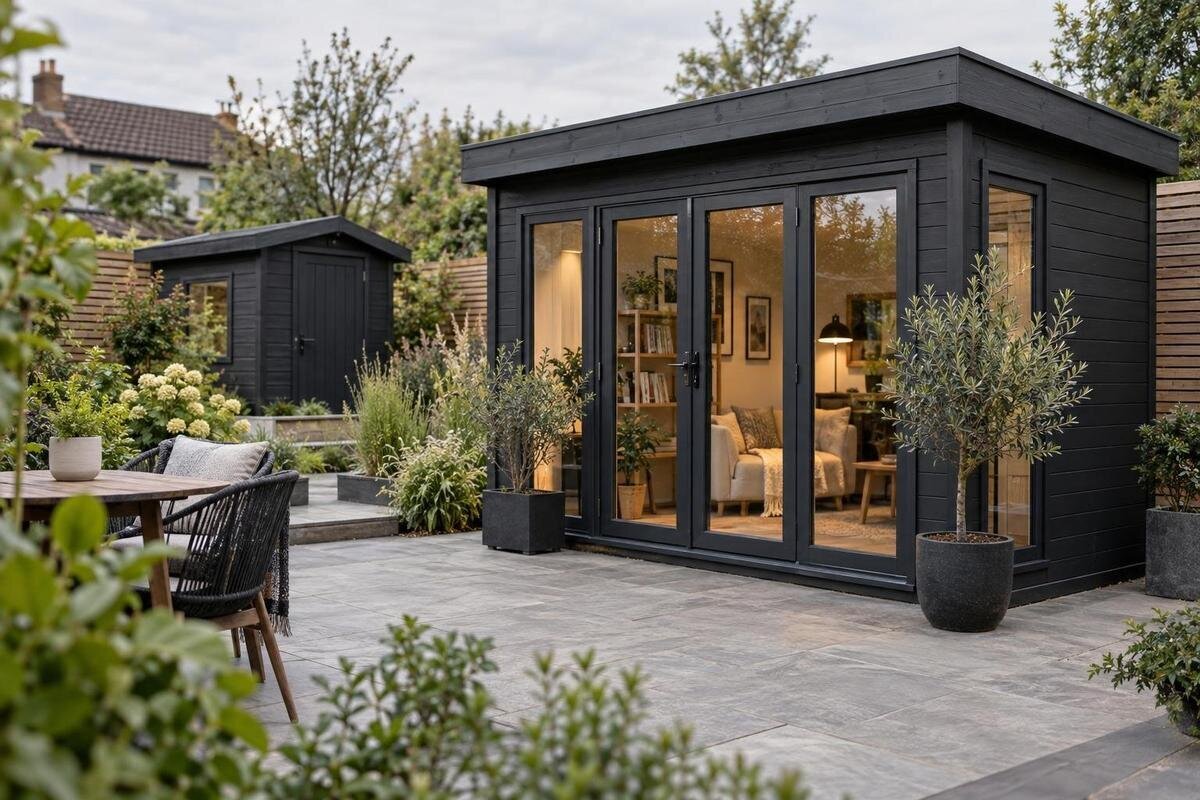
Garden sheds
On a compact plot, the smallest garden shed is not automatically the best buy. If its door blocks a path, the items you need will not fit through the entrance, or it takes over the only useful open area, a low footprint on paper may not be practical. To buy a small garden shed that works, begin with what you plan to store, measure the space available and compare both the external footprint and usable interior. A simple site sketch helps you judge the shed alongside its door, route and surrounding garden. The goal is useful capacity without sacrificing the ways you already use the plot.
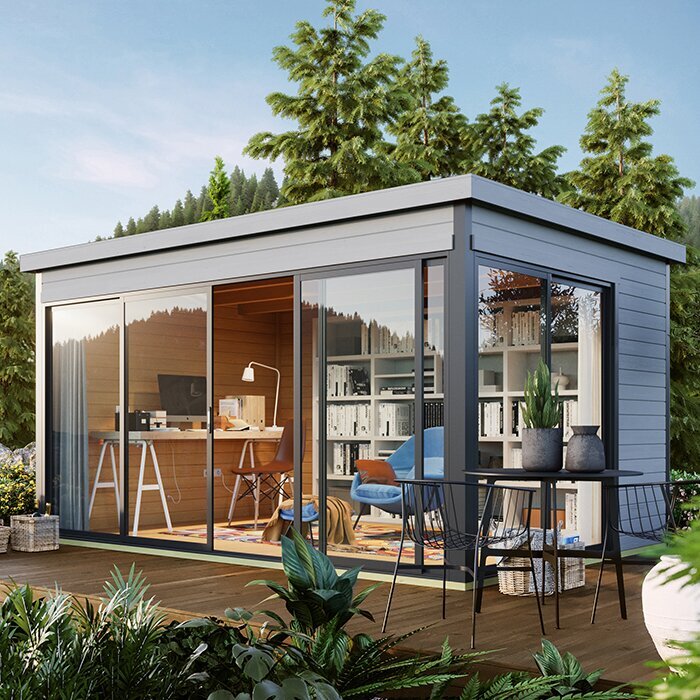
List the items the shed must hold
Begin with an inventory rather than a catalogue size. Separate items that need to be kept under cover from those that can stay outside, and include awkward pieces such as a mower, wheelbarrow, long-handled tools, hose reel, folding chairs or bicycle only if they are part of your plan. Measure the largest item in its usual stored position, including handles, wheels or folded frames. Note its height, width and length, then check that it can pass through the intended entrance. Use your own equipment, not a typical online image. This turns 'room for garden tools' into a requirement you can compare with actual dimensions.
Sort the list by frequency. Items you use each week should be reachable without moving a stack of rarely used boxes; seasonal pieces can go further back only if you can still retrieve them safely. Decide whether long tools will stand or hang, and whether shelving or boxes are part of the plan. Allow space to take an item out and set it down. Confirm whether a floor, hooks, shelves or other accessories are included, and whether the manufacturer permits the planned fixings. If wooden garden tool shed M is on your shortlist, compare the measurements stated for that listing with your inventory; do not judge capacity from the label.
Measure the usable plot area
Measure the usable patch where the shed could stand, recording width and depth in metres. Mark fixed features that a plain rectangle misses: walls, paving edges, trees, drains, taps, gates and routes you need to keep open. If the plot narrows or the ground is irregular, take measurements at several points instead of relying on one width. Note overhead obstructions as well as what sits at ground level, and keep units consistent in your sketch. Distinguish the area the shed can occupy from the space you want to leave around it for access and maintenance. Ask about any required clearance you cannot confirm.
On a product page, separate the shed's external dimensions from internal measurements and from the dimensions of any base or floor. Check the overall height and the position and size of openings too; roof edges can affect a tight position, so look for a drawing or ask the seller rather than estimating from a photograph. Keep the exact model and any selected version beside your figures. When comparing Verdana 1 garden shed, use measurements confirmed for that listing; a picture is not a scale drawing, and the model name does not tell you how much room the shed takes.
Check the doorway and approach
Door access needs its own measurement. Check the clear opening given in the product information, rather than the overall door size, and compare it with the widest object you intend to carry inside. Leave room for the door to operate in the way the listing describes: a hinged leaf may need a clear sweep, while another arrangement may need space along a different side. Do not infer the door layout from a small thumbnail. If the biggest item fits only at an angle, check that the approach and interior leave enough room to turn it without striking walls or stored items. Check any listed threshold or step details too.
Walk the route you will use from the garden entrance to the shed. A narrow passage, gate, change of level or tight turn may make a shed awkward to use even when the interior is adequate. Think about moving a mower or loaded wheelbarrow along the path, and whether the route stays clear when bins or outdoor furniture are in their usual positions. For wooden garden tool shed S, compare the stated opening and layout with that everyday route, rather than relying on the letter in the product name. The route you use in the garden is separate from the delivery access to check when ordering.
Mark out the footprint before ordering
Before choosing an orientation, mark the proposed outside footprint on the ground with string, removable chalk or a cardboard outline. Use dimensions that include the widest external parts, not just the internal floor area, and add the space needed for the door arrangement you are considering. Then walk the approach and test how you would bring the largest item in and out. A full-size outline can show that the shed fits only when a path is blocked, or that rotating it gives you a better entrance without taking more garden area. Check the proposed position from your usual routes through the plot as well as from the doorway.
Use the outline to check the garden as a whole. Make sure access to gates, taps, drains and existing outdoor storage remains practical, and consider whether a shed would crowd a patio, washing area or planting bed that you use regularly. Leave the maintenance clearance stated by the manufacturer; there is no single margin that suits every layout or product. If the only possible position is close to a boundary, a slope or an obstruction, confirm relevant requirements with the supplier or an appropriate professional before you commit. The aim is not simply to fill an empty corner but to preserve useful movement around the shed.
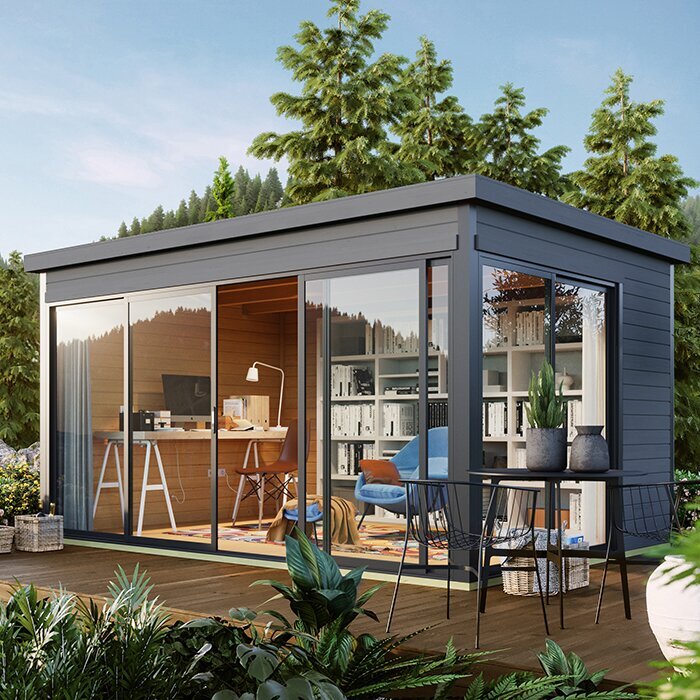
Compare usable interior dimensions
A footprint is not the same as usable capacity. The outer width and depth include the walls, while the inside dimensions may be smaller; a roof's shape can also mean the full floor area is not equally useful for tall items. Compare internal width, depth and height, including the lowest point you need to use, with your actual inventory. A large floor-area figure will not tell you whether a mower can enter, whether a long tool stands upright or how much room remains once shelves are in place. Look for a dimensioned drawing and check what each measurement describes.
Check whether a stated floor area refers to an outside measurement, a base size or clear space inside. If a listing gives only one number, it may not answer the question that matters to your layout. Compare candidates on the same basis, using measurements rather than adjectives or photographs. If garden shed Verdana 2 is under consideration, record only the dimensions confirmed for that exact listing and ask about any missing internal or opening figure. Check units too. This distinction helps avoid buying a shed that fits the plot but cannot take the items you set out to store.
Plan the storage layout
Sketch where each large item would sit inside before comparing layouts. Put the least-used things at the back only if they can still be reached without unloading the shed, and keep the path from the doorway clear enough to handle bulky items. Consider vertical storage only where the shed's height and permitted fittings allow it. Shelving may create more storage options, but it can also reduce usable floor area or obstruct a long object. A useful layout is one that lets you retrieve normal equipment, not simply one that packs the greatest number of items into a drawing.
Check whether accessories shown in product images are included, optional or illustrative, and verify how fittings may be attached before planning around them. Avoid assuming that a wall or roof can carry shelves, hooks or heavy equipment; follow the supplier's stated limits and ask if they are unclear. If Durano garden shed remains on your shortlist, compare the confirmed interior dimensions with your sketch. The model name does not establish capacity or a particular layout. Decide whether an open interior or a more organised arrangement better fits your storage habits, and include the space needed to remove larger items.
Check materials, finish and maintenance
Material and finish affect the care you may need to provide, so identify them from the product information rather than from colour or appearance in a photograph. Ask what treatment or coating is included, which surfaces may need care after delivery, and what maintenance the maker recommends. Requirements vary by construction and finish, so a general assumption such as 'no upkeep' is not a sound buying basis. If your garden is exposed to strong sun, rain, dust or wind, check whether the specific product is described as suitable for those conditions rather than judging it by a broad material label.
Consider the upkeep that suits your routine, not just the purchase price. Read the care guidance and ask whether any product or treatment is needed before use, how often the supplier recommends attention and whether that work is expected to be done by the owner. If you are comparing Veltor 1 garden shed, check its listing for stated construction, finish and care guidance rather than inferring them from the model name. If a warranty is offered, review any maintenance conditions attached to it. Treat missing information as an open question, not as a benefit the listing has promised.
Confirm the base and site requirements
Check the required base or support before choosing a model, because preparation can add to both the footprint and the total order cost. Find out whether a floor is supplied, whether the product needs a particular base and what size and condition the maker specifies. Do not assume a flat-looking patch or existing paving meets the product's requirements. When a measurement or acceptable tolerance is not stated, ask the supplier or a qualified installer rather than guessing from a photograph or another shed's instructions. Settle these questions before delivery, not after the shed arrives.
Look at the site itself as well as the listed base instructions. A soft, uneven or sloping area, nearby drainage or water collecting after rain can affect whether a proposed position is practical and may need assessment. Consider where runoff and garden maintenance will take place, and do not obstruct existing drains or access. If you are considering Orello 1 garden shed, verify the base and floor requirements for that exact listing; its name does not establish them. Where ground conditions are uncertain, ask a qualified professional to assess the site before ordering.
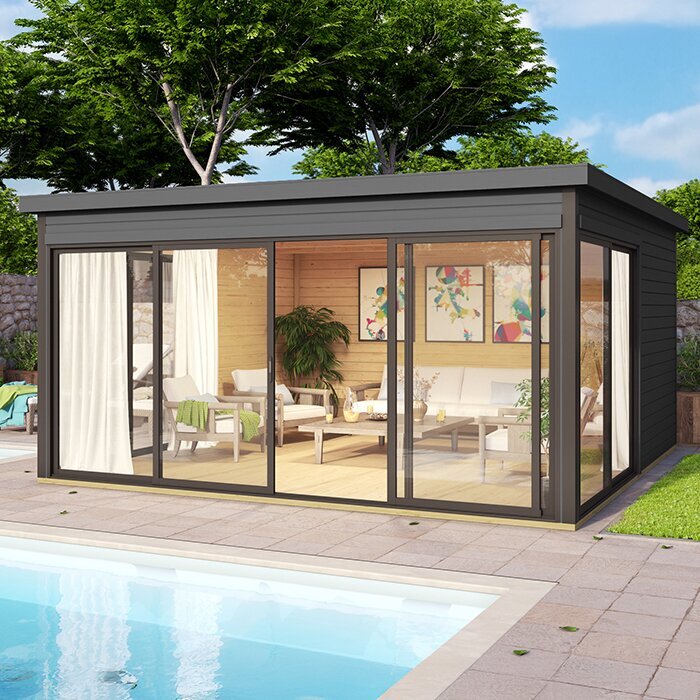
Read the listing and delivery terms
Read the product information for the exact model and any selectable version, then compare the same points across your shortlist: overall dimensions, internal measurements, opening, material and finish, base needs, contents and optional accessories. Check whether a floor or add-ons are described separately; do not treat items in an image as included. If a detail affects fit or cost and is unclear, ask for confirmation before checkout. A listing for Modano 1 garden shed can be assessed in the same way: use its stated information, and do not let the model name or photograph stand in for a specification.
Check the route for the delivered package as well as your everyday path: gate width, turns, steps, overhead restrictions and a suitable place for unloading may matter. Review the delivery arrangements, any charges or conditions that apply to your address, and the timing stated at the point of order; do not assume these from a general product page. Confirm whether assembly is included or is a separate requirement, and which components or services are excluded. Knowing what the order actually includes helps you compare the full commitment. Keep the confirmation with your order records.
Compare the full cost before you order
Once the site and storage tests are done, compare only sheds that meet your non-negotiables. A simple table can record external footprint, internal usable dimensions, clear opening, base requirements, included contents, maintenance and delivery terms. Mark a failed requirement plainly rather than letting an attractive photo or one generous measurement outweigh it. Among the options that fit, decide which arrangement gives you easier access and the least disruption to the garden. Use the same measurement units throughout, and note what each figure describes so the comparison stays fair.
Compare the complete cost as well as the price shown: include any separate base or floor, necessary accessories, care products, delivery, site preparation and any assembly arrangement you choose. Ask for current amounts and terms for your address; do not infer them from a model title. Before ordering, recheck the footprint, doorway, item list and route against the exact product version. If a change in selected options affects dimensions or contents, repeat that check. A compact plot rewards a close fit, but only when there is room to get items in, use the shed and keep the rest of the garden functional.
Frequently asked questions
How much space should I leave around a small garden shed?
There is no single clearance that suits every shed and garden. Allow for the door to operate, a usable approach and the maintenance space specified by the manufacturer. If the site is tight or close to an obstruction, confirm the requirements for the exact model before deciding where it will go.
Should I choose a shed by its external or internal dimensions?
Check both. External dimensions tell you how much ground the shed occupies; internal dimensions help you work out whether your items will fit. Also check the clear doorway opening and the height available where you plan to store tall items. A floor-area figure alone does not answer all three questions.
Can a small garden shed hold a mower and garden tools?
It depends on the dimensions of your mower and tools, the shed's doorway and the way you arrange everything inside. Measure the items you own, including handles and wheels, then compare them with the confirmed opening and interior measurements. Do not assume they will fit from a product photograph.
Do I need to prepare a base before ordering?
Check the requirements for the exact product, including whether a floor is supplied and what base the manufacturer specifies. Site conditions can affect whether a proposed position is suitable. If the ground is uneven, soft or sloping, ask the supplier or a qualified installer for advice before ordering.
What should I do if a product page is missing a measurement?
Ask the supplier for confirmation of the specific measurement you need, such as the clear opening or internal height. Do not estimate it from the photograph or model name. If the figure affects whether your items or the shed itself will fit, wait for a clear answer before placing the order.
A practical small garden shed is one that fits the site and works with the way you store and retrieve things. Before you order, check the footprint against a marked-out position, match the doorway and interior to your actual items, and confirm the base, included components and delivery arrangements for the exact listing. Comparing those details side by side makes it easier to spot a shed that is too tight to use or larger than your plot can comfortably accommodate. A careful fit check keeps storage useful without letting the shed take over the garden.
