
Buying a Wooden Garden Shed: A First-Time Buyer’s Guide
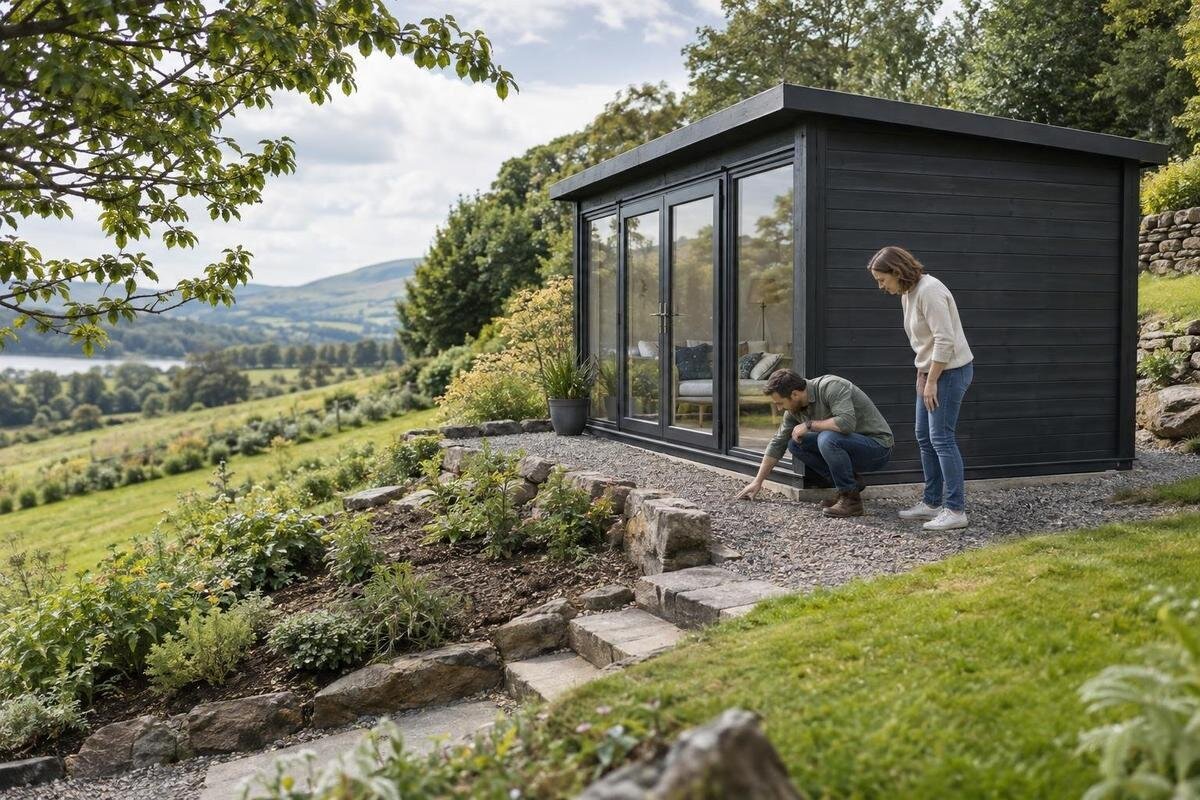
Wooden garden shed buying guide
Buying a wooden garden shed for the first time involves more than finding a design you like. The right choice depends on what you plan to store, how often you need it, the space available and the upkeep you can manage. Product photographs can help you compare appearance, but they cannot settle questions about internal room, timber, assembly or what the order includes. This guide gives you a practical way to compare wooden garden sheds and choose one that works with your garden and intended use.
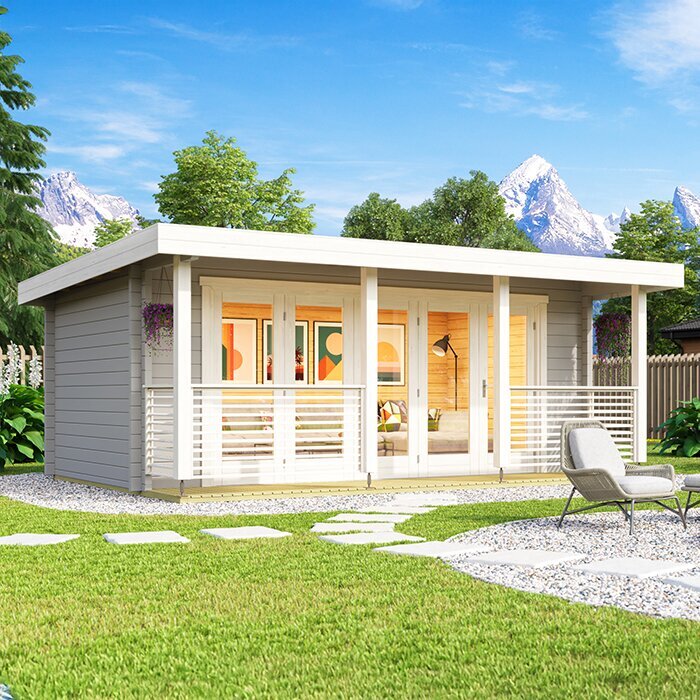
Decide what the shed needs to do
Start by naming the job the shed must do. Make a list of everything you expect to store, including things used only seasonally. Measure the largest pieces and note shapes that affect placement: long-handled tools need clear height, while chairs, boxes or a mower need usable floor space and a clear route through the doorway. Record whether you plan to use shelves, wall-mounted storage or the floor. Count bulky items separately; not everything can be stacked conveniently. This prevents you choosing a shed by item count alone, without considering how much room each item takes or how often you need to retrieve it.
Separate essential contents from possible future additions. If the shed is for storage alone, plan to keep frequently used equipment accessible rather than buried behind seasonal items. If you also want a bench for potting or a hobby, allow for the bench, your working position and room to move around it; the footprint needs to serve the activity as well as the stored items. Make a rough priority list, distinguishing objects that must stay dry and secure from items that could be stored elsewhere. This can prevent a general-purpose shed from becoming overcrowded immediately. Include the wooden garden tool shed M listing in your comparison, but use the written information to assess the option. Decide whether your main need is storage, a working area or both before you shortlist models.
Measure the footprint and usable space
Measure the area where you could place a shed and mark the proposed footprint with tape or string. Compare that space with the product’s stated external dimensions, not just a photograph or a floor-area figure. Internal dimensions matter too: walls and framing reduce the space available inside, and a stated overall height may not tell you how much clear height there is where you plan to stand or store equipment. If a measurement is unclear or missing, get it confirmed rather than filling the gap with an estimate.
Draw a simple plan of the interior and place your measured items on it. Add shelving, a bench or other fittings before deciding that everything will fit; these can use wall and floor space that might otherwise seem free. Leave enough room to take frequently used objects out without moving a stack first. Consider where wet or muddy equipment will be set down after use and whether that affects the layout you want. The wooden garden tool shed S listing is one page you can assess using this method; use its confirmed dimensions rather than interpreting a letter in the model name as a measurement.
Choose a suitable position in the garden
Think about the shed’s position in relation to the rest of the garden. Consider how you will carry equipment to and from it, whether a gate or narrow path will make access awkward, and whether the doors will face a useful approach. Look above and around the proposed site for branches, fences or other features that could limit access. Marking the footprint helps you see how the shed would affect paths, seating areas and the space you want to keep open. Stand at the proposed entrance and picture carrying the largest item through the garden, rather than considering only the final location. This is also a useful time to decide whether the position leaves enough practical access around the building.
Pay attention to the conditions at the site as well as its size. Notice where rainwater tends to collect or run from nearby roofs, and consider how much direct sun and wind the position receives. Read the product’s stated base and siting requirements before settling on a location. The Verdana 1 garden shed listing can be compared with your marked space once its footprint is clear; rely on confirmed measurements rather than a catalogue image. If the ground is sloped, soft or otherwise uncertain, ask the supplier or a qualified installer about suitable preparation.
Check the doorway and the route inside
A shed can have enough floor area on paper and still be awkward to use if larger items will not pass through the entrance. Measure the width and height needed for the biggest item, including handles or other protruding parts, and compare those measurements with the stated clear opening. Consider the route from the garden path to the door too: a sharp turn or a narrow approach can make moving equipment in and out difficult.
Door position and opening action affect how you can organise the interior. If a door needs clearance to open, check that it will not be blocked by a fence, wall or planted area. Think about where shelves could go without obstructing the entrance, and, if security matters to you, confirm what closing or locking fittings are included. Check whether your preferred route leaves space to pause while opening the door with an item in hand. Use the Verdana 2 garden shed listing as a comparison point and verify any entry details in its written product information; do not infer them from the name or image.
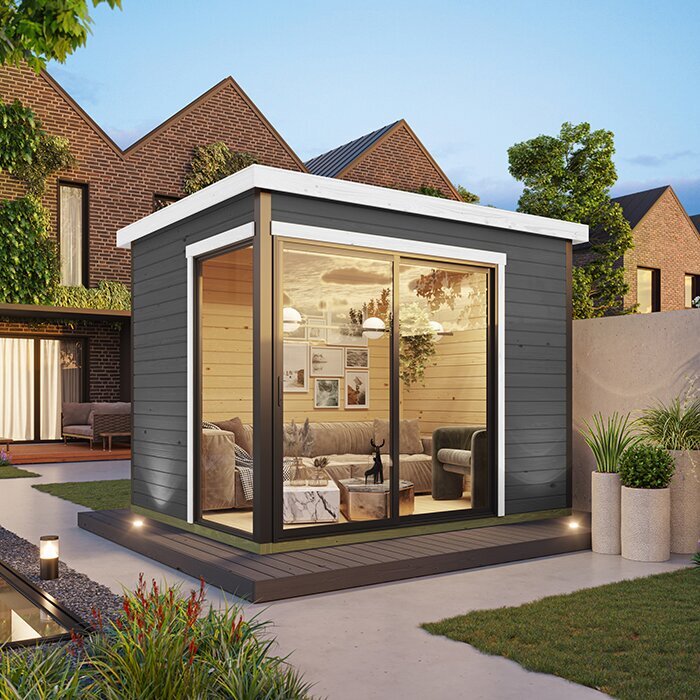
Read the timber and construction details
The word wooden does not describe the full construction. Look for written information about the timber used and, where provided, its grade or other relevant description. Check what is stated about the frame, walls, floor and roof, and whether any dimensions refer to the assembled structure or individual components. These details help you compare options on more than appearance. Read the description closely enough to distinguish a stated feature from a visual impression in a product photograph. If a construction point matters to your choice but is not explained, treat it as an unanswered question rather than assuming that two sheds with similar photographs are built the same way.
Find out what treatment or finish the shed has when supplied, which parts it covers and whether any further work is required after assembly. Ask what care instructions apply and whether there are restrictions on the products you can use to maintain the finish. Colour in a catalogue image does not establish the timber type or treatment. The Orello 1 garden shed listing can be assessed on the same basis as other options: use its written construction information where provided, and clarify details that matter to you but are not stated.
Consider weather exposure and roof requirements
The position you choose affects how much sun, wind and rain a shed may face. Read what the product information says about the roof covering, including what material is supplied and whether it is included in the quoted package. Look for any stated siting or weather-exposure requirements too. Consider whether falling leaves, nearby trees or runoff from another structure could affect the roof area and the practical access needed for routine care. A roof’s appearance in a photograph cannot tell you what covering is included or whether a particular location is suitable, so base your comparison on the written description.
Ask how the base, fixing and installation requirements relate to your site, especially if it is exposed or the ground conditions are not straightforward. Site-specific suitability is not something to settle by guessing from a general product image; seek advice from the supplier or a qualified installer when needed. Review the Veltor 1 garden shed listing for any stated roof, finish and siting information, and note details that still need clarification. That gives you a more reliable basis for comparing options in the conditions where the shed will actually stand.
Weigh light, glazing and ventilation
For simple storage, glazing may be a preference rather than a necessity. If you plan to sort equipment or use a bench inside, natural light could be useful, but a window can also take up wall space that might otherwise hold shelves. Consider the position of any glazing in relation to nearby neighbours and to the items you intend to store. Think about whether stored goods should be kept out of direct view from the garden or path. Check ventilation separately: the presence of a glazed panel does not, by itself, confirm that it opens or provides airflow.
Compare the stated glazing details, including its position, material and whether any opening action is described. The Modano 1 garden shed listing can be one entry in that review; use the written product information to establish what is actually specified. Also think about how a chosen layout will work with shelves, stored items and the door. This helps you decide whether a feature serves your use or simply appeals in a photograph.
Compare the full purchase and assembly scope
Compare what the purchase includes, not only the headline price. Check whether the description covers the floor, roof covering, door fittings, glazing, fixings and any protective finish you expect. The package may treat these items differently from one option to another, so record what is explicitly included and what would need to be arranged separately. Keep a separate note of items you already own and items that would need to be bought or arranged for the site. Comparing like with like gives you a clearer view of the total amount you may need to budget for, without relying on assumptions about what a staged product image shows.
Decide whether you plan to assemble the shed yourself or arrange installation. Read what is stated about the assembly instructions and service, if one is offered, and consider whether the work and any required tools are practical for you. Check how delivery and unloading are handled and whether the route to the chosen site is accessible. For the Durano garden shed listing, as with any candidate, distinguish the items and services explicitly included from anything you would have to organise separately.
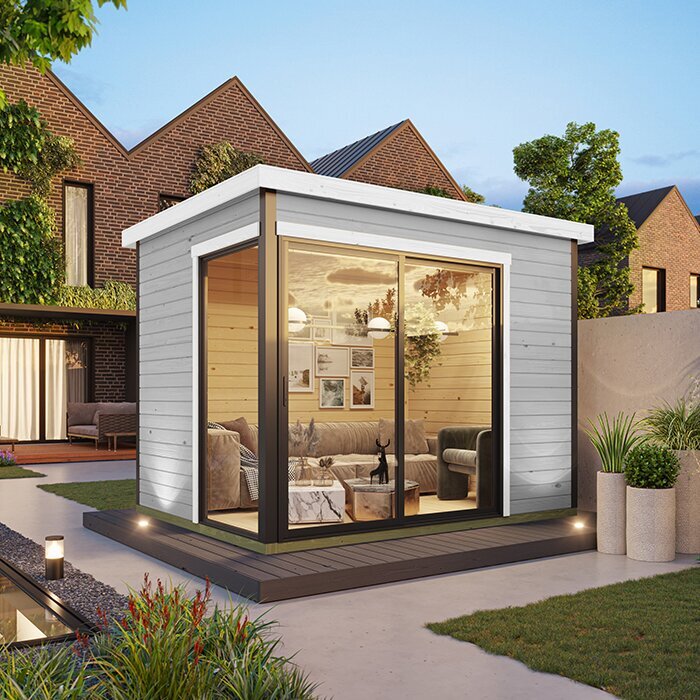
Think about the care you can manage
Consider the ongoing attention a timber shed will need, not just the work involved in buying it. Maintenance depends on the construction, treatment and exposure at your site, so use the supplier’s care instructions rather than applying a generic schedule. Find out what you should inspect, whether a finish needs to be renewed and how to care for any parts that arrive untreated. If the instructions do not explain an important point, ask for clarification before choosing.
Think practically about who will carry out that care and whether you can reach the areas that need checking once the shed is in place. A position with little room around the walls may make routine inspection harder, while planting or stored items could restrict access. Ask whether the finish shown in product images matches the supplied finish and how its appearance should be maintained. Consider this before installing landscaping close to the shed, as later access may be more difficult. Include the time and materials required for care in your decision, so the option you choose is manageable for your household.
Compare shortlisted sheds on the same basis
Once you have a shortlist, put the options side by side and use the same criteria for each: external footprint, internal room, doorway, construction details, care requirements and included items. Separate essential needs from preferences. For example, a suitable entrance or enough clear space for the largest item may be essential, while a particular colour or glazing arrangement may simply be desirable. Record confirmed details and mark missing information clearly instead of treating it as a positive or negative without evidence.
Use that comparison to decide which option fits the site and your intended use, rather than choosing by name or appearance alone. Return to your original list of contents and check that the preferred option still meets the needs you identified at the start. If none meets an essential requirement, reconsider the contents you want to store or the position you have available before increasing the size. A larger shed may still be a poor fit if access, construction details or care needs do not suit your situation. When a key point remains unclear, pause your decision until you have the information needed to compare it fairly.
Frequently asked questions
How do I work out what size garden shed I need?
List and measure the largest items you plan to store, then sketch where they would go, including any shelving or work surface. Compare that layout with the stated internal dimensions, and check the external footprint against the space available.
Does a wooden garden shed arrive treated?
Do not assume that it does. Check the product information or ask the supplier which parts, if any, are treated or finished, what care is needed after assembly, and which maintenance instructions apply.
What should I check about the base?
Read the shed’s stated base and installation requirements and compare them with your site. If the ground is sloped, soft or unfamiliar, ask the supplier or a qualified installer what preparation is suitable before you order.
Can I use a garden shed as a workshop?
Only choose one for that purpose if its stated dimensions, layout and construction suit the activity. Check space for a bench and movement, and do not assume that a shed shown with furnishings is designed for prolonged occupancy or workshop loads.
Is a larger wooden shed always the better choice?
No. Extra floor area can take up useful garden space and may change the purchase and upkeep you need to plan for. Choose additional capacity when you have a clear use for it, rather than relying on size alone.
A good first purchase fits the measured site, the items you want to store and the care you are prepared to provide. When two options look similar, their written construction and included-scope details can help you decide. Taking time to compare those points makes it easier to choose a wooden garden shed that serves its purpose while leaving the rest of your garden usable.
