
Buying a Garden Shed Kit for Self-Assembly
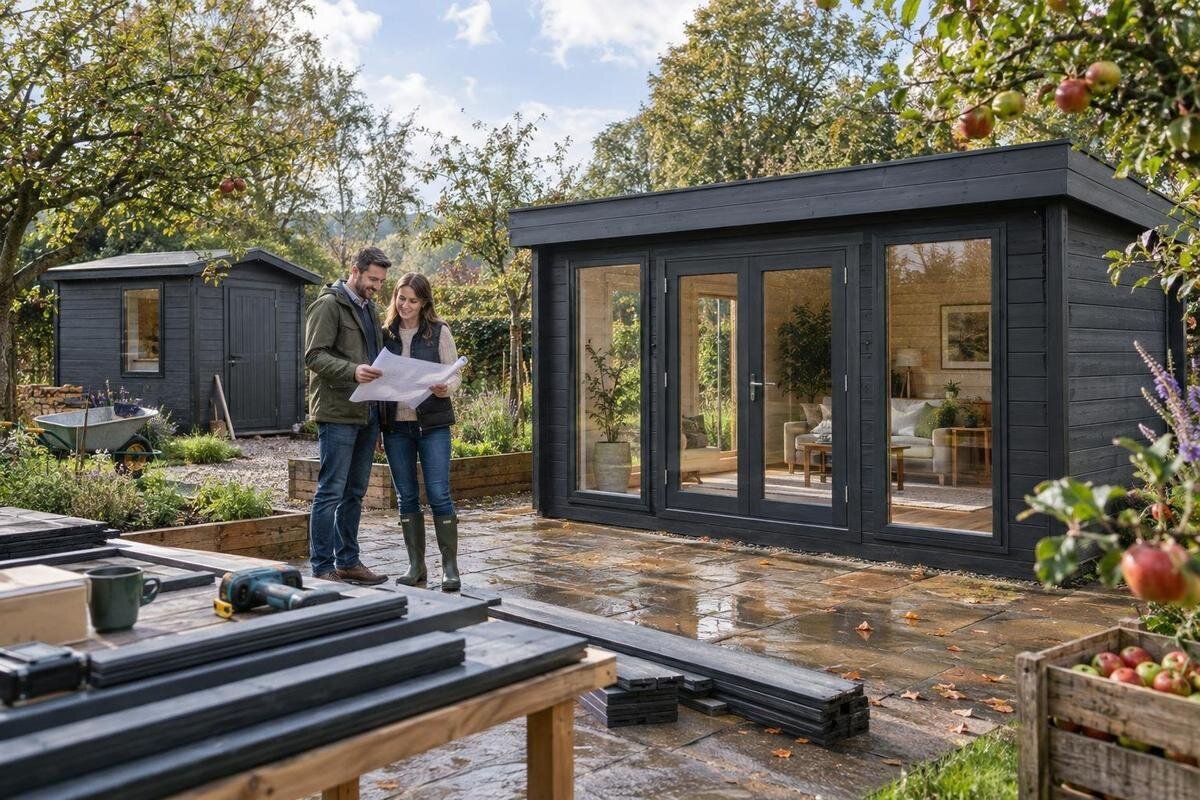
Garden shed buying guide
Buying a garden shed kit for self-assembly is about more than choosing a look. The parts, instructions, site requirements and delivery arrangements need to match the space you have and the work you can realistically do. Before you order, establish what the kit includes, what must be prepared separately and how the shed will be used. A careful comparison can expose missing information while you still have time to consider another option.

Match the shed to its intended use
Before comparing models, list what the shed needs to accommodate. Record the largest items, how often you need to reach them, and whether anything must stay upright or be used in place. A mower, long-handled tools, bicycles and seasonal boxes create different access needs; storage capacity on paper is less useful if you must move everything to reach one item. If the shed is also meant to be a workspace, state that separately and check whether the product is described for that purpose. Note likely changes too, such as adding more garden equipment, so your choice is not based only on today's contents. Do not assume a garden shed kit is suitable for regular occupation because a photograph shows room inside.
Turn that list into criteria you can apply to every product page: the largest item, space to retrieve it, the intended activity and any essential features. Separate must-haves from preferences, so an attractive appearance does not outweigh a practical mismatch. Look for stated use, layout diagrams and dimensions; treat a photograph as an illustration unless its accompanying details identify what it shows. For a candidate such as the Verdana 1 garden shed listing, check the page's own information for its intended use and supply format instead of inferring either from the model name. This first comparison can rule out unsuitable options before you spend time assessing finishes or extras.
Compare the footprint with usable space
Read the dimensioned plan rather than relying on a single footprint figure. External width and depth help you test the plot, while internal floor measurements show the clear space available for stored items. Overall height, internal height and a door's clear opening answer different questions, so check which measurements are actually supplied. A drawing may include projections or roof edges that affect the space needed around the shed. Compare the stated dimensions with your largest stored item, including the room needed to position it; a narrow doorway can be a constraint even when the floor area looks generous. If the listing leaves the measurement points unclear, ask before comparing two kits as though they were like for like.
Mark the proposed footprint on the ground with temporary markers or string, then walk around it and consider the route to the entrance. Allow space for opening the door, carrying items in and carrying out routine upkeep. Check gates, paths, corners and any narrow passage between the delivery point and the site, not just the space where the shed will stand. If the product information specifies extra clearance, include it in your plan. A candidate such as the Verdana 2 garden shed listing still needs to be checked against its own measurements and diagram; do not estimate dimensions from its name or an image.
Read the kit contents line by line
A kit's contents list is central to a self-assembly purchase. Check whether it identifies the wall, floor and roof components, fixings, door hardware, covering, glazing and trim, where applicable. Do not assume that a floor, base, roof finish or pictured accessory is included unless the product information says so. Ask whether any items must be bought separately and whether the listed contents cover the complete shed or only a particular package. This matters when you are planning the site and working out what else you will need before assembly can begin.
Look for an inventory or parts list that makes it possible to identify components and check their quantities. Confirm whether parts are supplied ready to assemble or whether any additional preparation is required; if that is not stated, ask rather than guessing about tools or work involved. For a candidate such as the Durano garden shed listing, use the product page as a place to check these details, not as evidence of what another listing includes. Ask for written clarification on exclusions and separately supplied items, and keep the answer with your order information.
Check the site and base requirements
Before buying, find the manufacturer's requirements for the base and the surface on which the shed will sit. Check the specified dimensions and any requirements for levelness or support; do not treat a product's footprint as a base plan. Nor should you assume that an existing lawn, paved area or other surface is suitable simply because it looks level. The actual site may have a slope, soft ground, drainage issues or other constraints that are not visible in a product photograph. If the work needed is beyond straightforward preparation, ask a qualified builder or other suitable professional to assess it.
Consider nearby boundaries, paths, trees and drainage when choosing the position, as well as whether you can reach the site with the kit and any tools needed for assembly. If groundworks are planned, check for buried services with the relevant provider or a qualified professional before work begins. Where local approval or restrictions may apply, confirm the requirements with the relevant municipality or a qualified professional before ordering. For a candidate such as the Veltor 1 garden shed listing, verify the base information for that specific product rather than assuming all garden shed kits use the same preparation.
Assess the skills, tools and help needed
A kit described for self-assembly still requires a realistic check of the work involved. Review the instructions, if available, for the type of tasks, the number of stages and any requirements for handling components. Consider your experience with reading assembly diagrams, keeping parts organised and working accurately through a sequence of steps. Check whether the instructions call for another person at particular stages; do not assume that one person can manage every task simply because the kit is sold for assembly. If a stage is beyond your experience, plan for competent help before placing the order.
Make a tools list from the product's instructions, not from assumptions about what a kit normally contains. Confirm which tools and consumables are supplied and which you must provide, borrow or hire. Add the cost and availability of those items to your purchase plan, along with the time you can set aside for preparation and assembly. A candidate such as the Orello 1 garden shed listing should be checked against its own instructions and requirements; the model name alone says nothing about the tools, skills or assistance needed. If those details are unavailable, ask the seller before deciding that the project fits your plans.
Review the assembly instructions first
If instructions or an assembly overview can be obtained before purchase, read them alongside the contents list. Check that the document matches the exact model and version you are considering. Look for a clear sequence, an inventory of parts, labelled diagrams, the tools required and any preparation that must happen before assembly. The instructions should also make clear which components belong together and how the stages fit into the overall build. If key information is missing or hard to follow, ask the seller for clarification rather than relying on a general guide for a different kit.
Check whether the instructions describe any restrictions on the work area, component storage or timing between stages. This can affect how you plan the delivery and when you begin. Keep the manual available throughout the project, and make sure its terminology and diagrams are understandable to the people who will assemble the shed. For a candidate such as the Modano 1 garden shed listing, confirm that any instructions you receive apply to that specific product. Clear, model-specific information gives you a better basis for deciding whether self-assembly is a realistic choice.
Plan delivery and temporary storage
A shed may fit the plot but still be difficult to get from the delivery point to the site. Check the supplier's delivery terms, including where the order will be left, what unloading arrangements apply and whether you are responsible for moving it further. Ask for packaging dimensions or weights if they are not provided, and compare them with gates, steps, paths and tight turns on the route. Confirm any limits on access before ordering; do not assume that a vehicle can reach the garden or that the supplier will carry components to the assembly area.
Check the expected delivery arrangements and make a plan for receiving the kit when it arrives. Identify a secure place to store the components until you are ready to assemble them, and follow any storage guidance from the supplier or manufacturer. Keep labels and paperwork with the parts so you can check the inventory later. For a candidate such as the Garden Tool Shed M listing, confirm the delivery details and storage guidance for that order rather than relying on assumptions based on another kit. If the delivery date changes, make sure the site and storage plan can change with it.
Check the material and finishing requirements
Read the product information for the stated construction material and the care it requires. If the kit is timber, check whether any initial treatment is included and whether the manufacturer specifies further finishing. If it is made from another material, ask for the relevant care instructions instead of applying advice intended for timber. Do not infer the material or its condition from a photograph. These details can affect what you need to buy separately and how much preparation is involved before the shed is ready for its intended use.
Check whether paint, treatment, trim or other finishing items are part of the kit or must be sourced separately. If the manufacturer recommends particular products or a specific sequence, follow that product information and ask about anything unclear. Include the cost and time for finishing in your overall comparison rather than treating them as incidental. For a candidate such as the Garden Tool Shed S listing, verify the material and care requirements on that page; the listing name is not a substitute for specifications. Read any relevant seller terms for information about finish or maintenance expectations.
Measure access and plan the interior
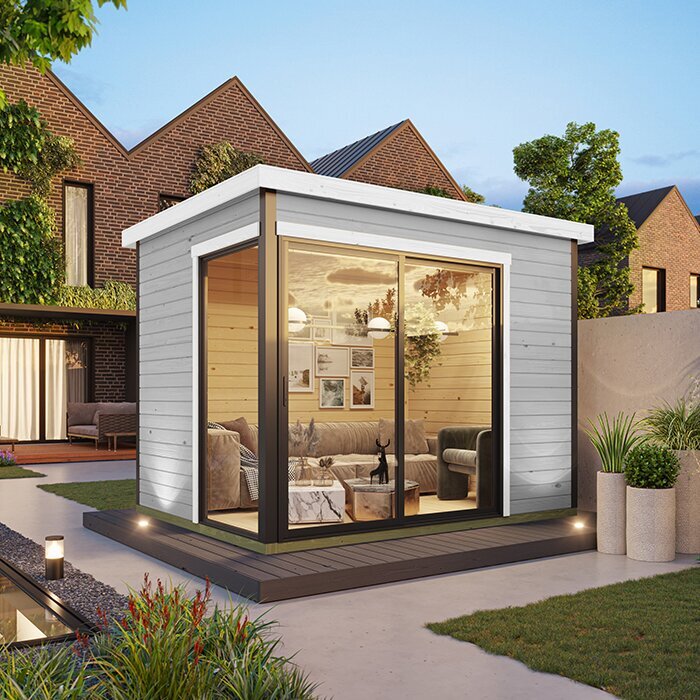
The entrance can determine whether you can use the space as planned. Check the clear doorway dimensions and how the door opens, then compare them with the widest item you need to move in and out. Allow room for that movement outside as well as inside. If the product diagram shows the door position, use it to plan where the shed will sit and how you will approach it. Confirm any threshold or floor details that affect access rather than assuming the opening is as wide or convenient as it appears in a photograph.
Sketch a simple interior layout from the stated dimensions and place the largest items first. Leave a practical route to anything you use often, and avoid planning shelves or other additions where they would obstruct an opening or access to stored equipment. Check whether the product information describes ventilation, windows or other openings you need; an image does not establish their size or function. Do not assume you can alter the shed to add openings or fixings without checking the manufacturer's guidance. A small layout plan can expose an access problem before you commit to a kit.
Compare the full order, not only the kit
Compare the complete purchase requirements, not just the headline kit description. Include delivery, base preparation, any separate floor or roof items, tools, finishing materials and any help you have decided to arrange. Check the seller's terms for delivery, damaged or missing components, replacement parts and support with assembly. Do not assume that these services or items are included unless the terms say so. Comparing the same set of requirements across several candidates gives you a clearer view of the overall commitment without relying on a headline price alone.
Before submitting an order, confirm the exact product or model, the contents and exclusions, the delivery address and the arrangements for receiving the kit. Keep copies of the product information, instructions and any written answers from the seller. When the order arrives, follow the supplier's process for checking the components and reporting any shortage or damage before assembly. This final check connects the product you chose with the work you have planned, and helps avoid discovering an important missing item only after the build has started.
Frequently asked questions
Does a self-assembly kit include everything needed to build the shed?
Not necessarily. Check the written contents list and exclusions for the floor or base, roof covering, fixings, door hardware, glazing and finishing products. If an item is shown in a photograph but not listed, ask whether it is included before you order.
What measurements should I compare when choosing a kit?
Check the external footprint against the available plot, then compare the internal floor dimensions with the items you plan to store. Also check the overall height, the clear door opening and the space needed to open the door and move around the shed.
Do I need to prepare a base before ordering?
Check the manufacturer's stated base requirements for the specific kit. Do not assume that lawn, paving or an existing surface will meet them. If the ground is uneven, unstable or needs substantial work, ask a qualified professional to assess it before you commit to the shed.
Can I assemble a garden shed kit on my own?
That depends on the kit and its instructions, including any stated requirements for handling components or completing particular stages. Read the instructions first. If the work calls for help, tools or skills you do not have, arrange competent assistance rather than assuming the kit will be manageable alone.
What should I do if the kit contents are unclear?
Ask the seller for a written list of what is included, what is excluded and what must be prepared separately. Refer to the exact model or product code, and keep the answer with the order details so you can compare the delivered parts with the information supplied.
A suitable garden shed kit is one whose stated contents, dimensions and assembly requirements match both your intended use and the site you have prepared. Check the instructions, tools, delivery route and any separate finishing or base requirements before you order. With those details clear, you can decide whether the self-assembly work is practical for you and compare options on what the complete project will actually involve.
