
Buying a Garden Shed with Sliding Glass Doors
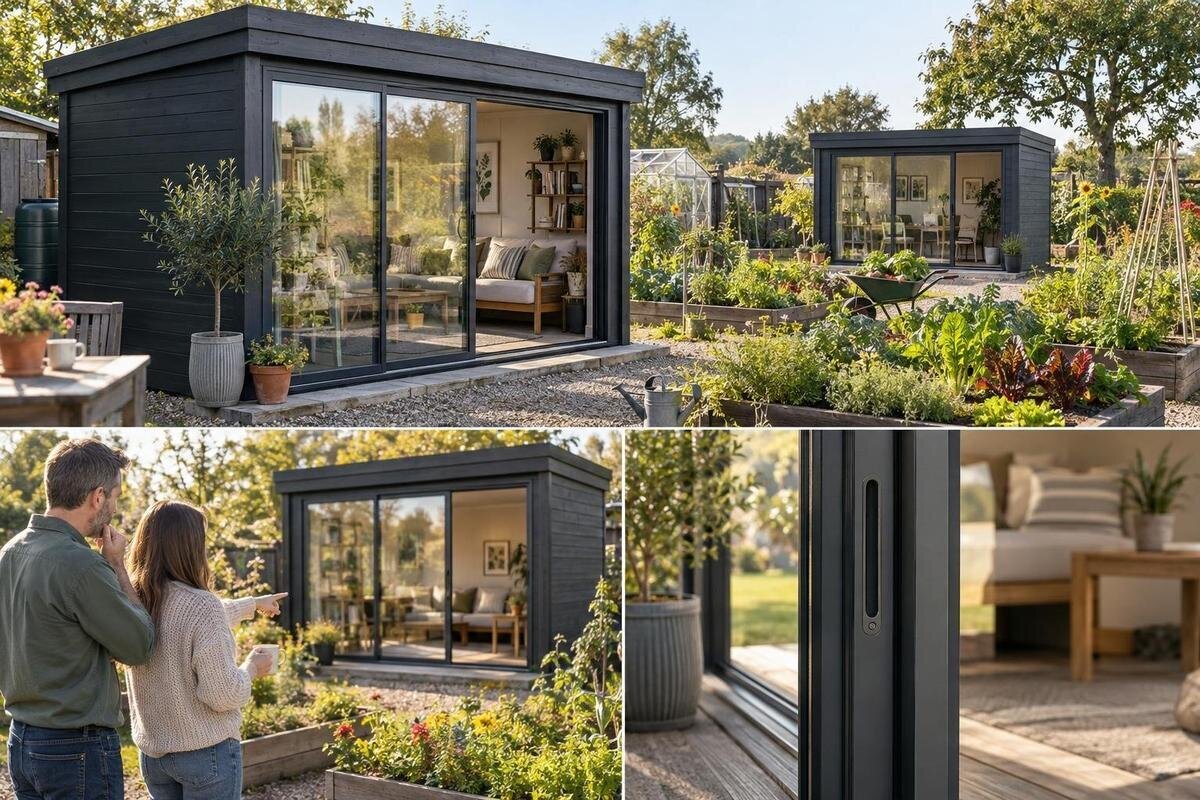
Garden shed buying guide
Choosing a garden shed with sliding glass doors means balancing the opening you want with the space you have, the way you plan to use the building and the details of the exact model being ordered. A broad glass front may suit a different purpose from enclosed tool storage, but appearance alone cannot tell you how much of the front opens or what the glazing provides. Compare measured dimensions, door operation, site requirements, inclusions and delivery terms before settling on a design.
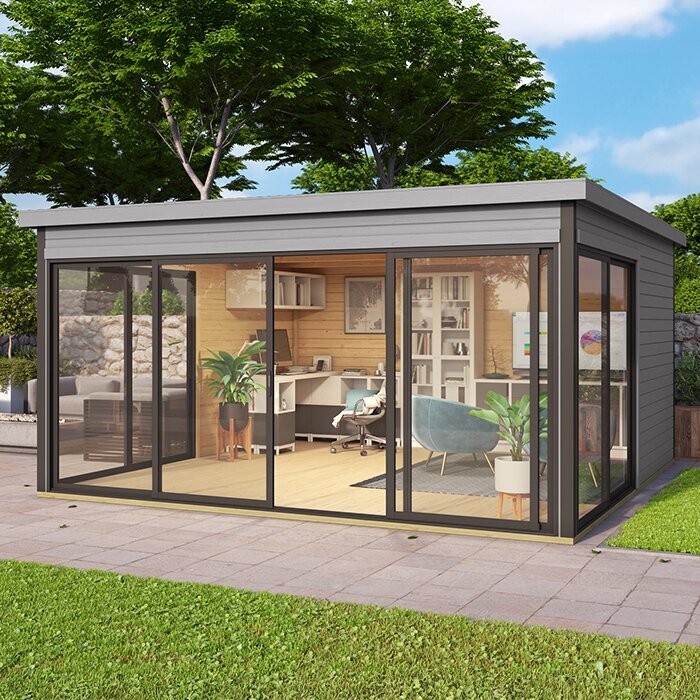
Set out how you will use the shed
Decide first whether the shed is mainly for tools and seasonal items, or whether you expect to use it regularly for potting, hobbies or sitting. List the things that will pass through the doors, including the widest item, and note how often you will carry them in and out. A sliding panel does not need the outward swing of a hinged door, which can help when space in front is limited. However, the usable entrance is the clear gap created by the selected layout, not necessarily the full width of the glass front. If you plan to add a bench or chair, include room to move past it and reach stored items.
Separate essentials from preferences before comparing models. Essentials might include a sliding-glass entrance, enough space for specific equipment and an opening that suits the items you carry. Preferences could include a particular appearance, more daylight or a greater degree of privacy. Decide whether the sliding doors will be the main entrance, or whether another entrance is important for everyday access. Treat the Verdana 1 garden shed listing as a candidate to check, not proof from its name: confirm that the exact version has the door arrangement and opening details you want. This simple list keeps attractive images from distracting you from practical requirements.
Measure the footprint and usable interior
Measure the part of the garden where the shed could stand, then compare it with the product’s stated outside dimensions. Check which measurement is the width, depth and height, and whether the drawing shows any projections beyond the main walls. Do not rely on an area figure alone: two buildings with a similar floor area can have different proportions, which affects where doors, shelves and equipment can go. If the listing does not make clear whether a dimension is internal or external, ask before comparing it with your available space. Record the measurements in metres so they are easy to compare with a site sketch.
The usable floor area will be less than the outside footprint because walls and framing take up space. Plan where larger items will sit and leave enough room to reach them without blocking the entrance. Then mark the proposed footprint and approach on a simple drawing or on the ground, allowing for the door layout shown in the product information. For the Verdana 2 garden shed page, record the dimensions actually stated and check what they measure; do not infer internal space from the model name or a photograph. A dimensioned plan is especially useful when you are comparing two different shapes or placing storage along the walls.
Choose a position that keeps the entrance accessible
Look at the proposed position from the garden and from the doorway you will use most often. Check for paths, walls, fences, plants or other obstacles that could make the entrance awkward to reach. Consider where sunlight falls at the times you expect to use the shed, as well as views into the interior if privacy matters. Notice how the site behaves after rain and whether branches, garden maintenance or regular access could become a problem. These checks help you assess the location as part of the purchase, rather than discovering later that the shed fits on paper but is inconvenient to use.
The site also needs to meet the requirements given for the particular building. Read the stated base and placement guidance, and ask the supplier what preparation is needed if the ground is uneven, soft or exposed to weather. A product name does not establish which site conditions are suitable. When reviewing the Veltor 1 product page, use its written information to check dimensions and any stated preparation requirements; do not assume suitability from its appearance. If the ground or drainage raises questions, have a suitably qualified professional assess the site. Keep enough access around the building for the tasks and maintenance you expect to carry out.
Check the actual sliding-door opening
Sliding doors move along a track, so the way the panels move determines the entrance you will have. Check how many panels move, which side they travel towards and where they sit when open. A fixed section or overlapping panels can make the clear opening narrower than the full glazed front. Look for a stated clear opening measurement rather than relying on the overall width of the doors. If no clear measurement is provided, ask for it before deciding that a particular item of equipment or piece of furniture will fit through.
Think through everyday access as well as the biggest item you may carry in. Check that the route to the door is clear and that opening the panels will not obstruct a shelf, chair or stored item inside. Ask what locking hardware is included and whether the track has care requirements. Do not assume a screen, extra lock or other accessory is part of the package unless the listing says so. On the Durano garden shed listing, check the current version’s stated glazing and door layout; the name or product image cannot confirm the clear opening, panel count or operation you need.
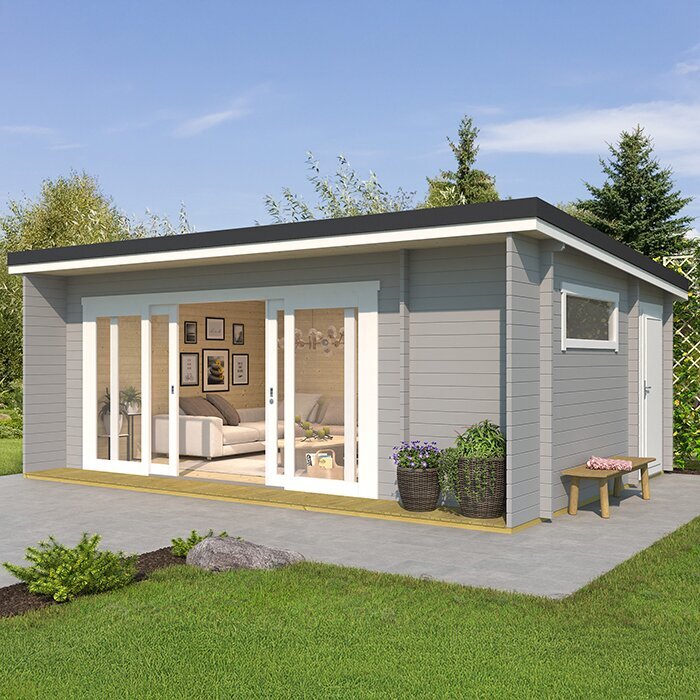
Compare the glazing details with the exposure
Check the stated glazing material and any product information about its safety properties. If your intended use calls for a particular safety specification, request written details from the supplier or ask a suitably qualified professional what is appropriate. Do not assume that a clear appearance, photograph or general description establishes the type of glazing. Ask how the panels are held in the frame and whether information is available about their care or replacement. These details are relevant to an everyday entrance as well as to the appearance of the shed.
Glass can make the interior and its contents visible, so think about privacy before choosing a position and layout. Sun exposure may also affect glare and the feel of the space, depending on the orientation and the glazing specified. Consider whether blinds or another covering would be useful, and check that any option you plan to use is compatible with the door system. Cleaning access matters too, particularly if the exterior face is difficult to reach. For the Modano 1 listing, look for the exact glazing option and care information in the written details rather than drawing conclusions from the model name.
Understand the frame, finish and upkeep
Compare the stated materials for the walls, door frame and other visible components, rather than treating the glass as the only specification that matters. The frame and the way the doors are fitted affect how the complete entrance is described and maintained. Check whether the listing explains how the building is finished and what, if anything, is supplied separately. Look for information about seals and protection from rain around the door area, and ask the supplier if the product details do not address your site conditions. A photograph can show the general appearance, but it cannot confirm construction or weather-related performance.
Ask what routine care is recommended for the building and the sliding-door track, including any treatment or finish that may need attention over time. If a finish or protective treatment is optional, establish what is included in the version you are pricing. Compare written maintenance guidance before choosing between models, especially if the shed will be exposed to strong sun, wind or rain at your property. For the Orello 1 garden shed page, take the materials, finish and upkeep information from the product details, not from its name or image. Keep any maintenance instructions supplied with the order so you can follow the guidance for the model you actually receive.
Plan storage, privacy and security together
Sketch where tools, containers or other stored items will go, and check that the arrangement leaves a clear route to the sliding doors. If the shed will also contain a work surface or seating, account for the space people need to move around it. Do not assume that shelves or other fittings are included unless they are listed as part of the selected version. If a proposed shelf or stored item depends on a particular support or capacity, confirm that requirement with the supplier rather than relying on a general product description. An interior plan helps you see whether the glass entrance supports the way you intend to use the building.
Consider what can be seen through the glazing and whether you need to keep particular contents out of view. Check the stated lock and handle details, and ask whether any additional security feature you want is included or available. Avoid assuming that a garden shed has a particular level of security based on its appearance. If tools and storage are the priority, you can compare a separately labelled option such as the wooden garden tool shed M listing by its written details. Treat it as a comparison, not an assumed substitute: check its door and glazing arrangement against your original requirements before including it on a shortlist.
Compare models and complete order details
Compare like with like: the same overall size, door configuration, glazing option, finish and included fittings. A product page may show a particular version while other options are listed separately, so confirm which one you are considering before comparing prices. Make a note of what is included, what is optional and what is not specified. The wooden garden tool shed S page is another product listing to assess by its written details; its label alone does not establish its dimensions, glazing or door arrangement. Do not count a page as a match for your sliding-glass brief until the exact configuration is confirmed.
When you have a shortlist, compare the total order information rather than just the displayed product price. Check whether the quoted amount covers the selected building and any options you need, and whether delivery or assembly is priced separately. Read the terms supplied for payment, changes to an order and any warranty that is actually offered. If a detail is missing, ask for it in writing so you can compare the same information across candidates. Save the product name, version and relevant details together; this makes it easier to confirm that the item in your order is the one you assessed.
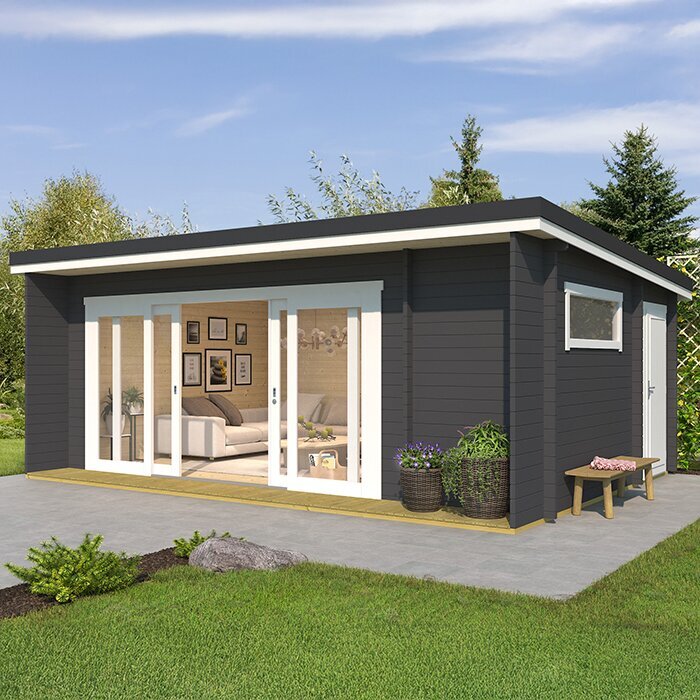
Confirm delivery and installation arrangements
Check the route from the delivery point to the proposed site. Gates, narrow paths, steps, tight turns and overhead branches can affect whether the building or its components can reach the position. Measure the parts of the route that seem restrictive and describe them when asking about delivery. Confirm how the goods will be unloaded and where they can be placed temporarily, rather than assuming that delivery to the property means delivery to the final position. If assembly is offered, find out what access and space are needed for the work before setting a date.
Ask who is responsible for assembly, what the service includes and whether any site preparation must be complete beforehand. Confirm the expected arrangements and costs in the current order information instead of relying on assumptions from another listing. Read any supplied instructions and warranty terms, and keep a record of contact details for questions about parts or future support. If installation raises questions about the base, local conditions or building services, consult a suitably qualified professional or relevant local authority. Sorting out these practical details before ordering can prevent a chosen shed from becoming difficult to receive or set up.
Use a clear shortlist to make the final choice
Compare each candidate against a small set of requirements: does it fit the site, provide the clear opening you need, offer glazing information you can assess and suit your intended use? Mark any missing information rather than filling gaps with assumptions. If a detail is essential, treat it as unresolved until the product page or supplier confirms it. Then compare preferences such as appearance, light and privacy among the candidates that meet your practical needs. This approach makes the decision easier to explain and reduces the chance of choosing a shed because one feature stands out in a photograph.
Before you commit, check that the measurements, door layout, glazing option and included items all refer to the same version. Recheck the site and delivery route against that version, and make sure the written order information matches what you intend to buy. If important details remain unclear, pause the comparison until they are answered; a model name is not a substitute for dimensions or specifications. A suitable choice brings the entrance, interior, setting and order arrangements together, so the sliding glass doors work with the way you plan to use the shed.
Frequently asked questions
Does a sliding glass door need space in front of the shed?
It does not need the outward swing of a hinged door, but the entrance still needs a clear approach. Check where the panels travel, whether they overlap, and how much room you need inside to move items through the opening.
Does the full glass front open?
Not necessarily. Some of the front may be fixed, or moving panels may overlap when open. Look for the clear opening width and the panel layout for the exact version; the width of the glazed front does not establish how much access it provides.
What glazing details should I compare?
Check the stated glazing material and any safety information relevant to your intended use. Also consider visibility, glare, privacy and cleaning. If you need a particular safety specification, ask the supplier or a suitably qualified professional for written confirmation.
Can I use a glass-fronted shed for tool storage?
That depends on the shed’s layout and your privacy and security needs. Glass can make stored items visible, so check the stated locking hardware and consider how you will arrange or cover the contents. Confirm that any added covering is compatible with the door system.
What should I measure before ordering?
Measure the available site, the shed’s stated outside dimensions, the usable interior and the widest item you intend to move through the entrance. Also check the route for delivery and assembly, including gates, turns and overhead obstructions.
A good buying decision comes from matching the sliding-door opening to what you need to move in and out, then checking that the building fits your site and intended use. Confirm the glazing, dimensions, included items and delivery arrangements for the exact version you plan to order. With those details in writing, you can compare options on practical grounds as well as appearance.
