
Can You Put a Hot Tub on a Deck? What to Check First
Deck suitability
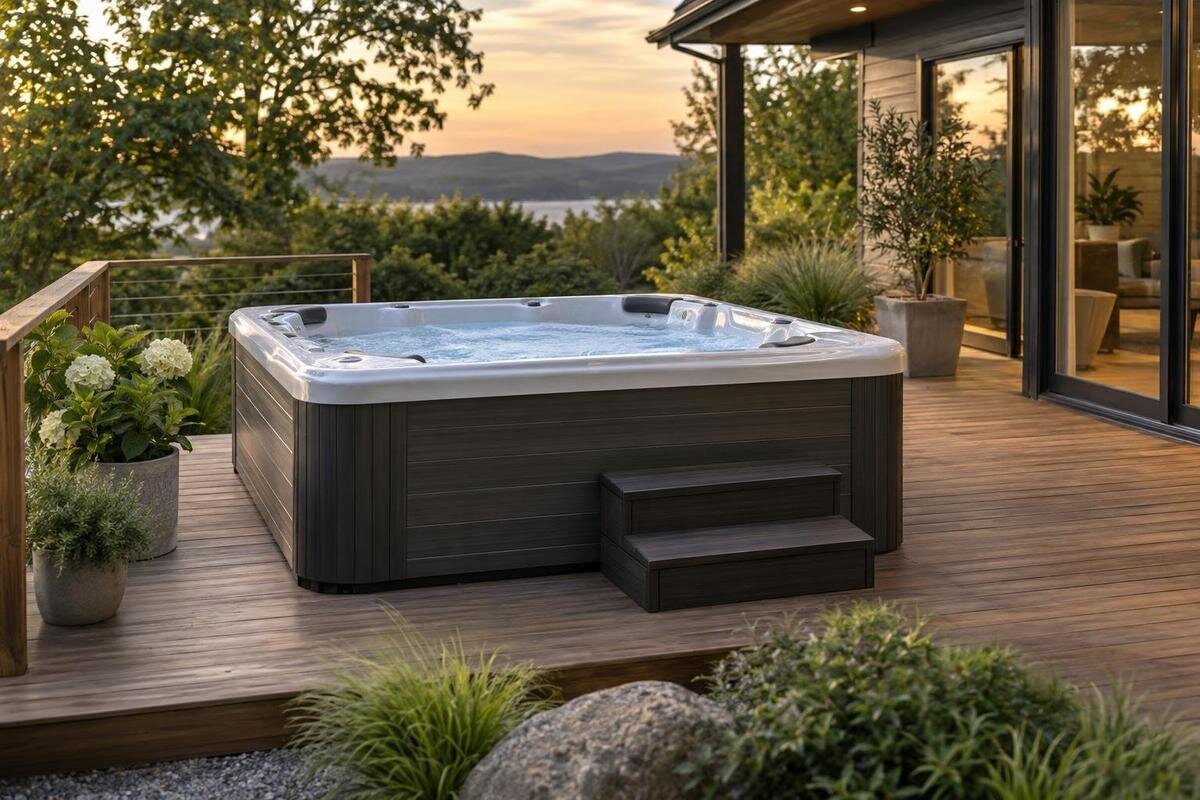
An existing deck is not automatically suitable just because its boards feel firm or its frame looks substantial. A hot tub adds a sustained load from the tub, water and occupants, and the deck must carry it through its framing, connections and foundations. Before ordering, get the exact model’s current weight and support information, then have a qualified structural engineer assess the proposed position. The result should clarify whether to proceed, investigate designed strengthening or choose a different location.
Before you buy 1
Why a hot tub changes the load on a deck
Putting a hot tub on a deck is a structural question, not a judgement based on how sturdy the boards feel underfoot. A tub adds the weight of its shell and fixed components, water and people; equipment associated with the installation may also add load if the deck supports it. Much of the weight is carried within the tub’s footprint or through its specified support points, rather than being spread across the whole deck. The load remains there for extended periods. Routine foot traffic is not a useful capacity test, and a deck built for ordinary outdoor use may not have been assessed for a hot tub in use.
Deck load capacity depends on more than the visible surface. The proposed position, framing, connections, posts or other supports, foundations and the condition of each part all matter. A fresh-looking deck can hide problems in framing or connections; a substantial-looking post does not reveal how it is fixed or what supports it below. The absence of visible sagging is not proof that the structure can carry a new, sustained load. A visual check can identify questions for the assessment, but it cannot establish whether the deck is suitable for a hot tub.
Trace the load from deck boards to foundations
A structural assessment follows the load from the tub’s base into the deck and down to the ground or building structure. Deck boards transfer load to joists; joists transfer it to beams or bearers; posts, connections and footings then carry it further. The spacing, direction and span of the framing, along with the location of the proposed tub, affect which parts of the deck receive the load. A structural engineer needs to assess how those parts work together rather than treating the boards as a stand-alone platform.
The deck’s connection to the house also matters if it is attached; a freestanding deck has its own support arrangement to assess. Neither arrangement is automatically suitable or unsuitable. Mark the intended tub position on a deck plan, including nearby beams, posts and supports if known. If you are considering Bloomcabin Hot Tub Cove 2, its name can identify the model for your enquiry, but you will still need the manufacturer’s current weight and support information. Do not guess where the load will travel or try to confirm it with a home-made calculation.
Before you buy 2
Inspect the deck without treating appearance as proof
From areas you can access safely, note visible signs that may need the engineer’s attention: loose or split boards, soft or damaged timber, unusual movement, uneven areas, corrosion on metal connections, cracks or signs of water damage. These clues do not provide a load rating, and a deck without obvious defects is not automatically strong enough for a hot tub. Record what you notice and where it is. Avoid loading the deck as a test; how it responds to a few people does not establish how it will perform under the tub’s full, sustained load.
Some important details are hidden underneath the decking or at the footings. The deck’s age, maintenance history, earlier repairs and later alterations can help the engineer understand what to inspect. Replacing surface boards alone does not establish that the framing has adequate capacity. If there are no drawings or you cannot see the underside, say so rather than filling gaps with assumptions. The engineer can tell you whether accessible photos are enough for an initial review or whether an inspection or further investigation is needed.
Separate empty, filled and total in-use weight
Ask for more than one weight figure. Empty weight refers to the tub without water, but check whether the manufacturer includes fixed components or other items in that figure. A filled weight may include the tub and water, but the manufacturer’s definition needs confirming rather than assuming. Ask what water level or configuration the figure describes and whether equipment is included. Different labels can mean different things, so give the engineer the source and definition of each number, not a figure copied out of context. Keep the figures separately labelled in your notes, with a clear statement of whether occupants are included. If a description is ambiguous, record the question for the supplier rather than silently treating the figure as a complete in-use load. This makes it easier to see which information is available and which assumptions still need resolving.
For planning, total in-use load means the tub, water, occupants and any equipment that the deck itself supports. A manufacturer may not publish one figure under that exact heading, so ask what information is available and what each value includes. Record where any associated equipment will sit; if it is outside the deck, identify that arrangement rather than assuming it forms part of the deck load. For Bloomcabin hot tub Haven 6, as for any shortlisted model, request the exact technical information and its definitions. The engineer, not a DIY area calculation, should interpret the load for the structure.
Before you buy 3
Give the structural engineer evidence about the deck and tub
Share the exact model under consideration and its proposed position, not just a general description of the deck. Useful information includes the manufacturer’s weight figures and definitions, installation instructions, support details and any drawing that shows the tub’s footprint. Provide available deck plans, measurements, known materials, the connection to the house if there is one, and the locations of joists, beams, posts and footings where known. Note repairs or alterations and mark unknown details as unknown. Photos of the deck surface and accessible underside can help explain the layout, but they do not replace an inspection where one is needed. Organise this information around one clearly marked proposal so that the engineer can relate the tub’s position to the structure below it. If you are considering two positions, label them separately. Distinguish information taken from existing drawings from what you have observed yourself, particularly where later alterations may have changed the original layout.
Ask the engineer to assess the actual tub, position and support arrangement, and to explain any conditions or unanswered questions in writing. For an assessment involving Bloomcabin Hot Tub Fjord 8, identify that exact model in the brief alongside the proposed deck position. The outcome should distinguish between proceeding as proposed, commissioning designed strengthening, and obtaining more information before a decision can be made. Ask which questions prevent a conclusion and who needs to answer them. Also clarify whether the engineer needs to inspect the deck and who should check whether any local approvals or inspections apply to the property. This gives you a usable assessment rather than a general opinion about the deck.
Match the model to the manufacturer’s support instructions
Get the current installation instructions and technical information for the exact model and configuration you are considering. Ask the manufacturer or supplier what the empty and filled figures include, how the tub is intended to be supported, and what requirements apply to the installation surface. Request any available details about the support arrangement, equipment location and service access. These answers help the engineer assess the proposed installation; they do not establish that your particular deck can carry it.
Keep the model identifier and the version or date of the documents together, especially if the listing and instructions use different descriptions. Do not infer weight, seating capacity, support requirements or suitability from numerals in a product name. For example, Bloomcabin hot tub Aurora 10 identifies a model to ask about; the name itself does not provide its filled weight or installation requirements. If the documentation does not match the exact product being considered, ask for clarification before using it as the basis for a structural decision.
Before you buy 4
Plan installation and servicing access around the structure
The deck plan needs to account for how the chosen tub will be brought to its position, as well as where it will sit. Ask the supplier or installer to confirm the proposed access route and whether stairs, turns, a landing or any alteration to the deck affects the plan. Do not assume that the usual route onto the deck will work for installation. If access would require changing a railing, board or structural member, have that change considered by the appropriate professional rather than removing or cutting components as a workaround. Show proposed temporary changes separately from the finished layout, and agree who will assess them and arrange reinstatement. The point here is to coordinate access with the deck design, not to work out handling or lifting methods yourself. A suitable final position does not, on its own, settle how the tub will reach it.
Leave the service side or access points available in line with the exact manufacturer’s instructions. A tub that can be placed on the deck but cannot be accessed for maintenance may create a costly problem later. When planning for Cove 2 installation and servicing, ask the supplier which sides or components need access and whether any space or removable section is specified; do not rely on a universal clearance figure. Mark those access areas on the same drawing as the tub and deck structure. If the plan includes decking around the tub, show how the required access will remain available once that work is complete. Coordinate these details with the structural plan before building around the tub, rather than leaving maintenance access to be resolved after installation.
What deck strengthening involves
If the existing deck cannot be confirmed as suitable, or the assessment identifies a shortfall, do not improvise with extra boards, braces or posts. A strengthening proposal needs to address how the load will pass through the altered framing, connections and supports to appropriate foundations. Adding a support in a convenient spot does not prove that it will carry the load, and a change can affect other parts of the structure. The engineer should design any work for the actual deck, tub position and manufacturer’s support arrangement.
Before work starts, ask for a clear design and scope showing what must change and how the finished work will be checked. Agree who will build it, who will oversee the structural work and whether the engineer needs to inspect it before the tub is installed. Confirm that service access remains possible after the strengthening and the tub are in place. For a proposal involving the Haven 6 hot tub, make sure the design and estimate refer to that exact model and its agreed position. When comparing quotations, check that they cover the same designed work rather than comparing totals alone. Ask whether the stated scope includes the agreed alterations, reinstatement and checks, and identify anything that remains outside it. Compare that defined proposal with the work involved in another location. This makes the choice about practical, specified work rather than an assumed saving from adding a few supports.
Before you buy 5
When to consider another location
If the deck’s structure cannot be verified or strengthening is not practical, consider a different location rather than assuming a nearby spot on the same deck solves the issue. Moving the tub can change which joists, beams and supports receive the load, so a new position needs its own assessment. A different deck also needs to be checked for the exact tub and proposed position. A purpose-designed structure or a suitable ground-level location may be an alternative, but each requires its own appropriate assessment; this article does not establish what base another site would need.
Compare locations using the same evidence: the manufacturer’s exact weight and support information, the proposed position, and a professional view of the supporting structure. Keep the model constant while comparing positions so that you can distinguish a change of site from a change of tub. If the Fjord 8 hot tub is your preferred model, use its current technical information for each proposal. Then compare the assessment outcomes, any required work, and the installation and servicing arrangements. Do not assume that a different model is lighter or more suitable because of its name or appearance. If you change the model as well as the location, identify both changes for the engineer; an assessment for the earlier proposal should not simply be carried over.
Deciding whether to buy a hot tub for your deck
Proceed with a hot tub on a deck only when the structural assessment addresses the exact model, its intended position, the full in-use load and the manufacturer’s support instructions. Check that any conditions in the engineer’s advice can be met and that any required investigation has been completed. If important details remain unknown, pause the purchase or installation until they have been resolved. A general statement that the deck looks strong, or an assessment for a different position, is not a substitute for evidence tied to the proposed installation.
There are three practical outcomes: use the deck if the engineer confirms the proposal on stated conditions; commission professionally designed strengthening if the assessment says work is needed; or choose another location if the structure cannot be confirmed or the work is not appropriate. If you decide to buy the Aurora 10 hot tub, check that the order identifies the same model and configuration covered by the assessment. Keep the relevant technical documents and assessment together, including any conditions that must be met before installation. Revisit the decision if the model, position or support arrangement changes. This keeps the purchase tied to the assessed proposal rather than allowing later choices to drift away from it.
Frequently asked questions
Can I tell whether my deck will support a hot tub by walking on it?
No. A deck that feels firm underfoot has not necessarily been assessed for the sustained, concentrated load of a filled hot tub. A structural assessment must consider the framing, connections and supports beneath it.
Which hot tub weight should I give the structural engineer?
Provide the manufacturer’s empty and filled weight figures, explain what each includes, and ask for information on the total load with occupants and any equipment carried by the deck. The engineer can determine which figures are needed for the assessment.
Do the numbers in a hot tub’s model name show its capacity?
No. Treat a model number as an identifier, not as proof of seating capacity, water volume, weight or deck suitability. Ask for the exact model’s current technical information.
Can I add posts under the deck to make it suitable?
Not without professional design. New supports need to carry the load through suitable connections and foundations; adding a post in the wrong place can leave the load path unresolved.
What if there are no plans for my existing deck?
Tell the structural engineer which details are unknown and provide any available information and photographs. The engineer can advise whether an on-site inspection or further investigation is needed before reaching a conclusion.
Treat a deck as suitable only when it has been assessed for the chosen tub in its intended position and the manufacturer’s support instructions can be met. If the assessment calls for strengthening, use a professional design and confirm the work has been completed as specified. If the load path cannot be established, another location is the more responsible choice. The decision should rest on the structure and verified information, not on how solid the deck looks.
