
Can You Stay Overnight in a Garden Shed? What to Check First
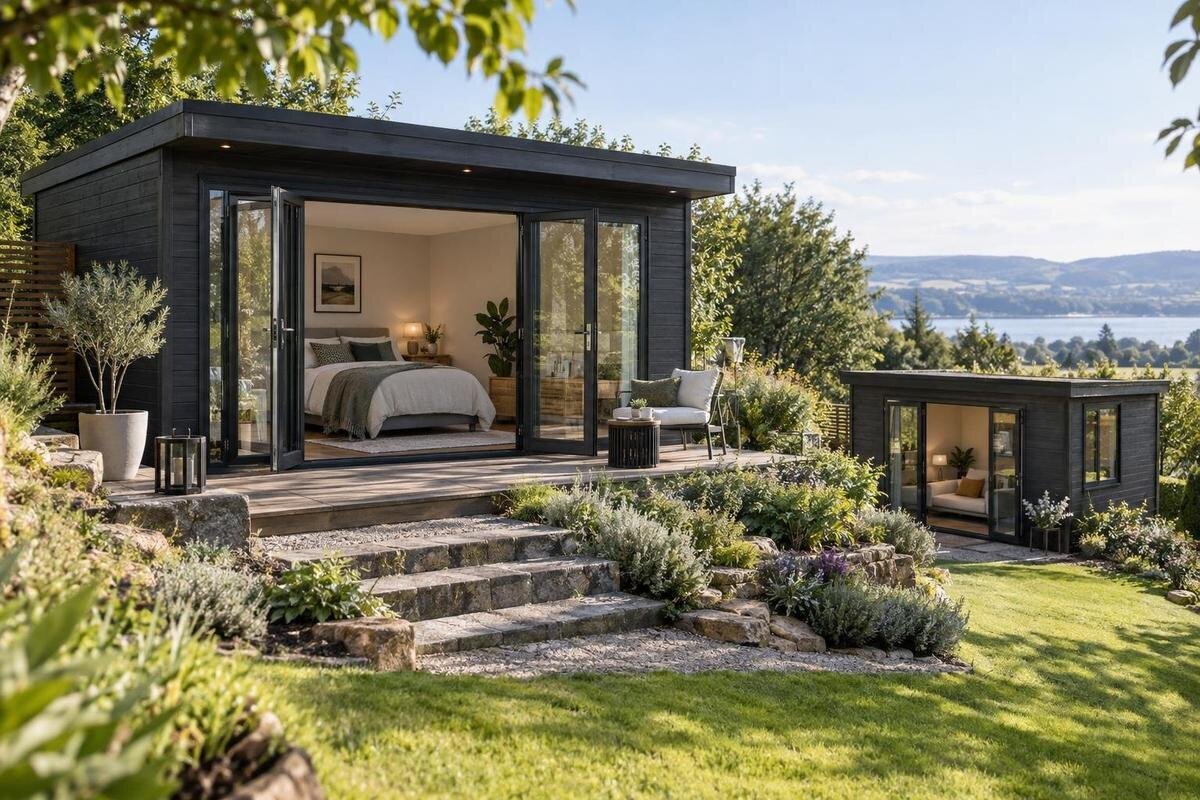
Garden-house planning
A garden house can offer private space, but its presence in a garden does not make it a bedroom. A building bought for storage or daytime use is not automatically approved, constructed or equipped for sleeping. Before you order one—or adapt a building already on site—find out whether overnight accommodation is permitted at that address, whether the exact structure and proposed use can meet applicable requirements, and how the occupant will manage safety, comfort and ordinary routines. Treat this as a decision about both use and product: a model name, photograph or available floor space cannot answer those questions.
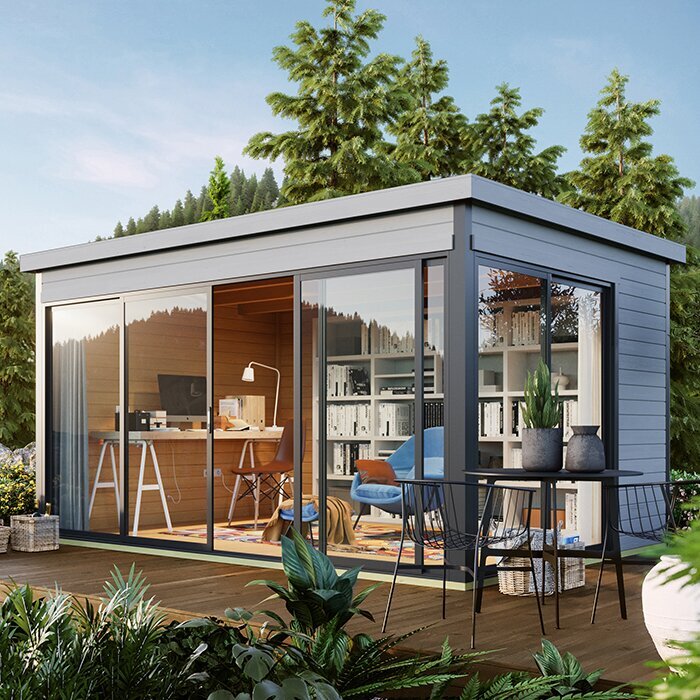
Overnight use is different from ordinary garden-house use
First define what overnight means in your case. An occasional stay by a guest differs from a garden house used most nights, and the practical questions may change if the occupant is a child, an older person or someone with mobility needs. Note how many people would sleep there, how often, for how long and whether they would have access to the main house. If guests would pay to stay, say so when making enquiries rather than assuming the answer for a household visitor applies. This description helps the municipality, property decision-makers and supplier respond to the actual plan, not a vague label such as a small shed.
Consider the space from the sleeper’s point of view, not only as a structure in the garden. At night, the occupant needs a reliable way to enter and leave, a place for personal belongings, privacy, a way to contact someone in an emergency and a practical route to a toilet. Noise, outdoor lighting and distance from the house can matter more at bedtime than during the day. A room that works well as a hobby space may not work as accommodation, even if a mattress fits.
Check municipal and property-specific requirements
Contact the municipality responsible for the address and describe both the proposed building and the intended sleeping use. Ask which planning, land-use, building-control or occupancy requirements, if any, apply, and whether occasional guest use is treated differently from regular overnight accommodation. Ask whether the answer depends on the structure, services or connection to the main dwelling. Processes can vary between local authorities, so guidance for another suburb or a general online discussion is not a dependable answer for your property. If the first office cannot advise, ask which department can.
Check the property arrangements at the same time. On a rented property, seek the landlord’s position; in an estate, complex or sectional-title setting, check with the relevant management body as well as the owner. Read the lease and any applicable property or estate rules, and ask about written consent before buying. Permission to place a building and permission to use it for sleeping may be separate questions. Keep a note of whom you contacted and when. If a reply is general, ask whether it covers sleeping in the specific building and whether further plans or information are needed; do not treat silence as confirmation.
Put the exact overnight use in writing
State the use plainly in every enquiry: whether the space is for occasional guests or frequent stays, the expected number of sleepers and whether you plan to add electricity, plumbing or heating. When writing to the municipality or property manager, include the address and explain whether the building is already there or still being considered. That helps prevent an answer about a storage shed being mistaken for an answer about accommodation. Ask what documents or plans are needed to assess the proposal, and whether any limits apply to the specific use you describe.
Use the exact catalogue item as a reference, not as evidence of suitability. If you are enquiring about Verdana 1 garden shed, tell the supplier that someone may sleep in it and ask for documentation covering that proposed use. Confirm which version, options and site assumptions the response refers to; details for a different model or an illustrative photograph may not match the order. Ask what the product description means by garden shed, whether overnight use is within the supplier’s stated purpose, and what limitations apply. Also check whether a reply is a general statement about the model or applies to your planned use.
Ask whether the building is suitable for sleeping accommodation
Ask the supplier whether the exact building is designed for sleeping accommodation or described for storage or daytime use. Request the relevant drawings, construction information, stated limitations and any supporting documents a municipal officer or qualified professional may need to review. A product photograph cannot show every detail, and a similar-looking model is not proof that the version you plan to buy has the same construction. If the supplier cannot confirm the intended use, treat that as an unanswered question rather than assuming you can resolve it after delivery.
Discuss the full proposal, including the floor or base arrangement, insulation, openings, weather protection and alterations you may want to make. These are questions to assess against the actual specification and site, not assumptions about what a garden house normally includes. If you plan to line walls, alter an opening or add services, ask whether the change affects the supplier’s instructions or any approvals, and who is qualified to assess it. A page such as the Verdana 2 garden shed listing identifies the option you mean; its name alone does not establish that it is accepted for sleeping. If there is no clear answer, do not infer one from a similar product.
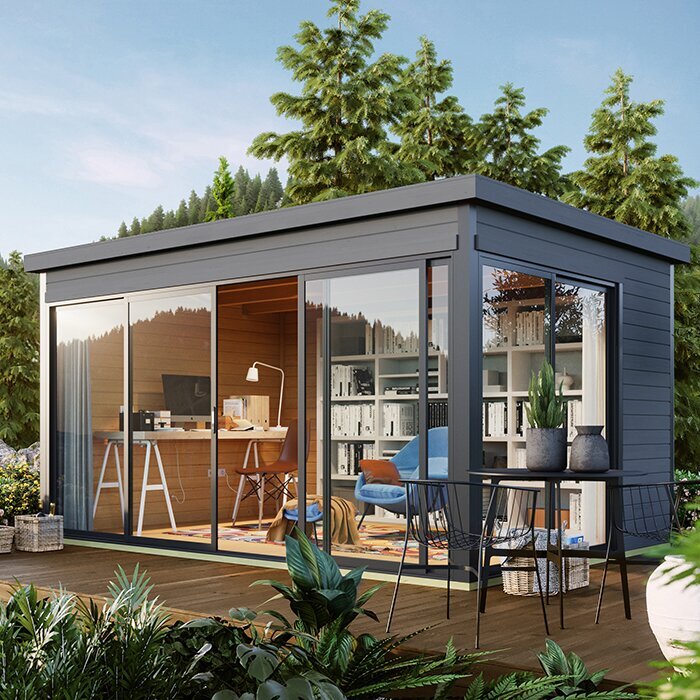
Check the internal layout, not just the footprint
Check usable internal space rather than relying on the outer footprint or a headline floor area. Draw the bed or mattress at its actual intended size and mark room to get in and out, the door’s movement, a place for bags and any window or control the occupant may need to reach. Include space for a second sleeper if relevant, not just the mattress outline. A product photograph can make a room appear less crowded than it will be once furnished, so a simple plan can expose awkward routes before you buy.
Ask for the current dimensioned plan and confirm internal measurements, ceiling height, openings and any included fixtures for the exact version. Check how a bed and belongings will pass through the entrance, and consider the route from the property boundary to the final site if the building will be delivered or assembled there. A model page such as the Durano garden shed listing can identify the product; compare its documented dimensions with your own layout. The word in a product title is not a measurement or a promise of usable floor area.
Plan entry, exit and security for someone asleep
Think about the entrance and exit while someone is asleep. The door must be reachable without moving stored items, and the route outside should remain clear in darkness and poor weather. Consider how the occupant will open the door from inside, where keys are kept, and whether a lock, security fitting or added furnishing could make a quick exit difficult. Check the route from the house as well, including any steps or uneven ground. If the only way out depends on passing through the main house, confirm that this works for the intended occupants and the property arrangements.
Ask a suitably qualified building or fire-safety professional to assess the escape arrangements, fire precautions and any alarm requirements for the actual design; do not rely on a generic layout or improvise a solution. Plan a clear path to the house and a way for occupants to contact someone if they need help. When discussing the Veltor 1 garden shed, confirm the exact door and opening details from its documentation rather than assuming anything from the model name or image. Security matters, but it should not obstruct safe exit.
Check ventilation, damp and indoor comfort
Assess ventilation and moisture management for the local site and the seasons in which people may sleep there. Ask how the building is intended to provide fresh air and manage moisture, and whether its documented design is appropriate for prolonged occupancy. A small enclosed room may become stuffy or damp when used differently from a daytime shed; condensation, wet bedding and musty odours are practical warning signs to take seriously. Do not assume that opening a door occasionally is an adequate long-term plan. If the design or its limits are unclear, ask a qualified building professional to assess it.
Comfort also includes heat, cold, daylight, privacy and insects. Check what the actual product documentation says about openings, glazing, ventilation and insulation rather than expecting a catalogue image to establish those points. Consider whether outdoor lights or views from neighbouring properties could disturb sleep, and whether privacy measures might affect ventilation or exit. For an enquiry about the Orello 1 product page, use the exact product identity and ask for its corresponding specification and limits; no feature should be assumed from the name. Discuss proposed additions with the supplier before changing the building.
Treat power, heating and sanitation as separate requirements
List the services a sleeper would genuinely need rather than adding them to a quote by assumption. This might include lighting, phone charging, heating or cooling, potable water, a basin or a toilet, but each affects the planning and cost of the project. Ask the municipality or relevant professional whether proposed services raise further requirements. Have an appropriately qualified electrician assess any electrical supply and work, including the arrangement for lighting and sockets. Do not assume a temporary lead or portable appliance is an appropriate permanent overnight solution.
Heating and powered equipment need their own safety assessment for the enclosed space and planned use. Avoid improvised fuel-burning or electrical arrangements, and ask a qualified professional before installing or using equipment intended to operate while someone sleeps. Water and waste need equal attention: confirm whether connections are possible and what arrangements are acceptable at the property. A listing such as the Modano 1 garden shed listing identifies a product to ask about; it does not establish that services are included or that the building is intended for accommodation. Also ask who would maintain any services crossing the garden.
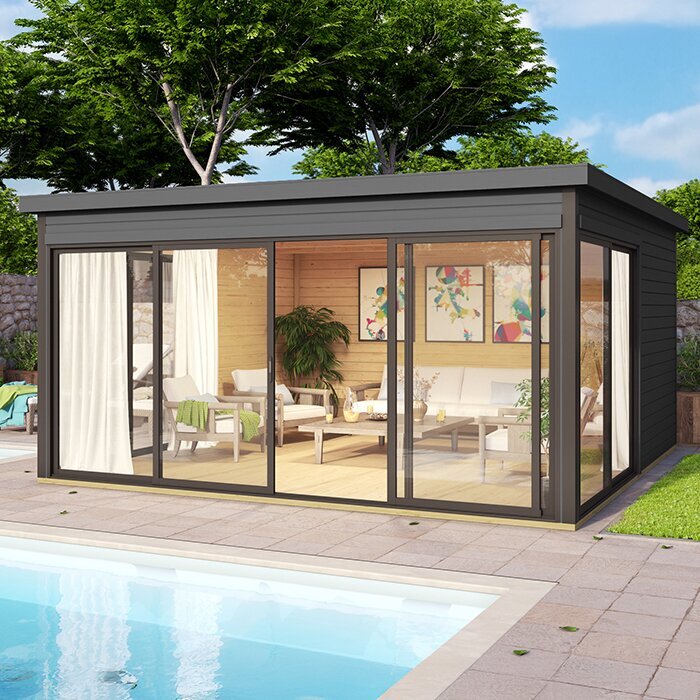
Plan bathroom access and ongoing responsibilities
Work out the night-time routine in detail. If the toilet or shower is in the main house, decide how the guest will reach it in rain or darkness, whether access is private and whether keys or household schedules could cause difficulty. Think about handwashing, changing clothes, storing bedding and securing personal belongings; do not assume a bedroom-like arrangement exists just because a bed fits. If the occupant has mobility or access needs, check the route and facilities with them before buying, and ask a qualified professional where a layout or access requirement needs interpretation. Frequent stays also mean more regular cleaning and laundry.
Budget for the whole arrangement, not only the building: site preparation, professional reviews, services, internal fit-out, maintenance and work needed to keep access usable may all affect the decision. Request a written list of what is included, what is excluded and who is responsible for each part; a product title is not a complete project quote. Even the wooden garden tool shed M listing is only a product identity to discuss with the supplier. Its category name does not confirm sleeping use, service connections or the total work needed at your address.
A purchase checklist for overnight use
Before placing an order, bring together the municipality’s response, any owner or estate consent, the supplier’s written position on sleeping use, the exact drawings and dimensions, and the professional advice needed for safety or services. Check that each answer covers the same address, model, configuration and intended frequency of use. Review the quotation and order documents for what is supplied, what must be arranged separately, and any stated limits. If a response is conditional, identify what must be resolved before proceeding rather than assuming it will be sorted out later.
If an important point remains unanswered, pause before committing money and ask for clarification or an assessment of the actual design. You may decide that the building should remain for non-sleeping use, or that you need a different type of accommodation; either choice is better than relying on an assumption and finding a problem after purchase. A page such as the wooden garden tool shed S listing can identify the item in a supplier enquiry, but only the exact documentation and local response can establish whether your plan is workable. Keep the final replies with the version of the product you actually intend to order.
Frequently asked questions
Can I sleep in a garden shed on my own property?
Owning the land does not by itself answer whether a building may be used for overnight accommodation. Ask the municipality about the rules for your address and check any applicable lease, estate or property arrangements. Explain the exact building, intended frequency and planned services rather than asking only about placing a shed.
Does one night for a guest need approval?
There is no reliable universal answer. Local requirements and property arrangements vary, and an occasional visit may raise different questions from regular overnight use. Describe the actual plan to the municipality and any relevant owner or estate management. Do not rely on another property's experience or a general online discussion.
Is an ordinary garden shed safe to sleep in?
Not automatically. Check its documented intended use, weather protection, ventilation, exit arrangements, fire-safety considerations, privacy and access to toilet and water. Have the exact building and any proposed alterations reviewed by relevant qualified professionals. A mattress fitting inside is not a safety assessment.
Can I convert a garden shed after buying it?
Possibly, but an alteration does not itself establish permission or prove that the structure is suitable for sleeping. First check local and property requirements, then have the existing building, proposed changes and services assessed. Get guidance for the exact product and written advice before beginning work.
What should I ask a supplier before ordering?
Ask whether the exact product is intended for overnight occupancy, which drawings and limitations apply, what is included, and which site work or services are excluded. Request written answers tied to the selected configuration and proposed use, then check that they align with the municipality's and property manager's responses.
An overnight garden-house plan is ready only when the intended use, property arrangements, exact building and everyday routines all make sense together. Ask about sleeping accommodation from the outset, then test the real layout, exit, ventilation, services and bathroom access rather than treating a garden-house listing as a bedroom. Where the answer depends on local rules or technical design, keep it open until the relevant authority or qualified professional has addressed it.
