
Choosing a Family Hot Tub: Seating for Everyday Use
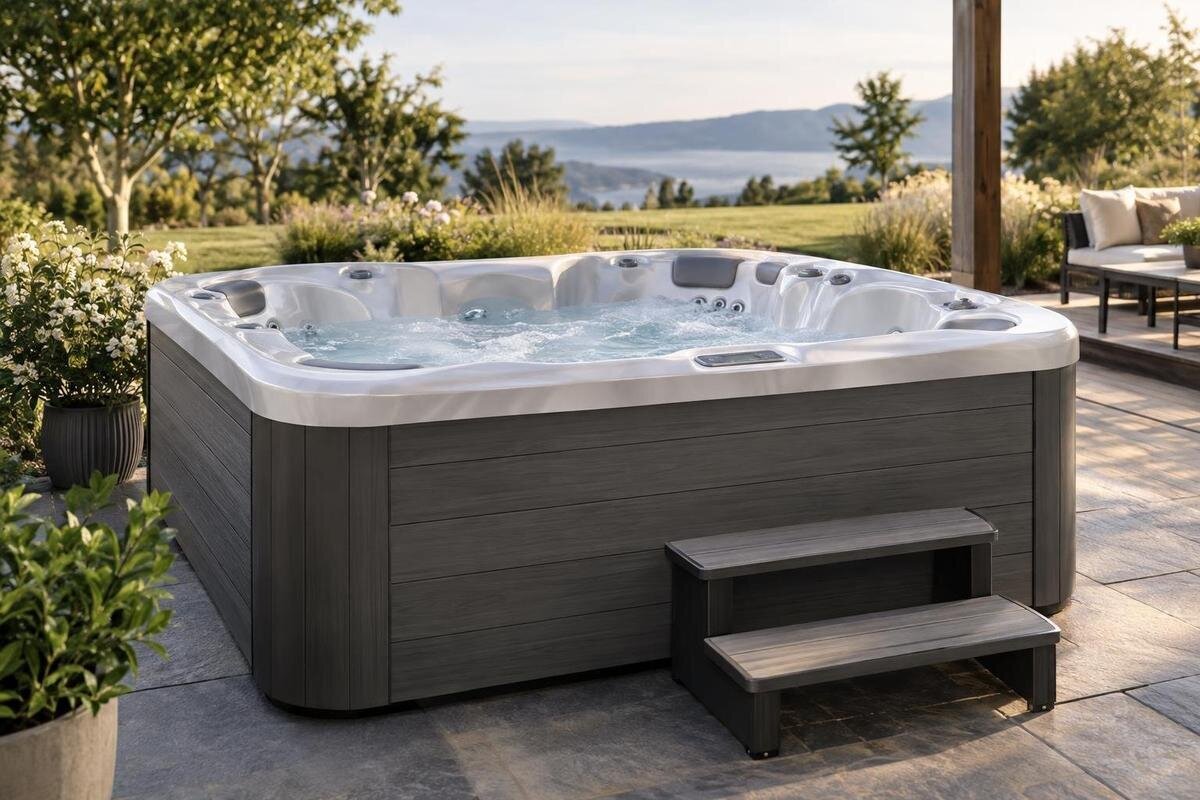
Family hot tub guide
Choosing a family hot tub means looking beyond the stated seat count to whether the people likely to use it together can sit comfortably and fit sessions into everyday life. Some household members may never use it; others may prefer different positions or times of day. Consider your likely shared sessions, then compare seating, access, child suitability and the effort involved in regular use. A model name or stated seat count cannot answer all of those questions.
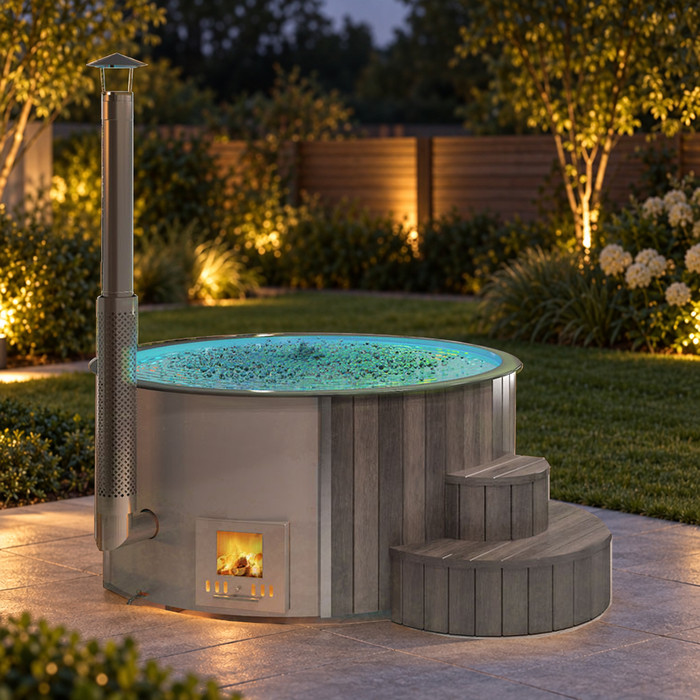
Who is likely to use the hot tub at the same time?
Count the people likely to share a typical session, not everyone who lives at the address. Think separately about adults, teenagers, children who may not use the tub and relatives who visit occasionally; a child’s participation is not settled until age suitability has been checked. Ask each likely user whether they want to use it and how often. One person may prefer a quiet soak alone while two others use it together. A household can therefore have more residents than regular users, or a different group on different days. You do not need to plan around every person if shared use is not what they want.
Write down the usual group for a weekday evening and a weekend, then note the largest group you genuinely expect to use the tub at once. This is a starting point for comparing a manufacturer’s layout with real people and preferences, not a capacity estimate of your own. If Bloomcabin Hot Tub Cove 2 is on your list, request its seating layout and compare it with those groups. Include occasional visitors only if they are a regular part of your household’s use. Ask whether everyone would share one session or take turns, and whether that would suit your ordinary routine. Keep the usual group separate from the occasional larger gathering in your notes. That distinction helps you judge which seating needs matter most without allowing an unlikely full-house session to determine the whole purchase.
How often will shared sessions fit your routine?
Map the days and times when a shared soak could realistically happen. Is the likely pattern an evening routine, a weekend activity or occasional use when schedules align? There is no ideal frequency to assume: the point is to distinguish a habit the household can maintain from an intention made while shopping. Check whether the people who want to use the tub are home at the same time and whether they would enjoy taking turns. If most sessions would involve one or two people, make that the everyday case, even if the family might occasionally gather in a larger group.
Think about who would prepare for a session and deal with the tasks afterwards, and whether those responsibilities would be shared. A plan that depends on one busy adult doing everything may be less practical than the seating suggests. For Bloomcabin hot tub Haven 6, ask what preparation and end-of-session tasks its operating instructions describe, then consider where those tasks would fit into your week. Ask each likely user to describe a normal week rather than an ideal holiday week. That can reveal whether the tub is likely to be used together or mostly by people on separate schedules. Also distinguish wanting a spontaneous soak from being willing to plan one. Your shortlist should reflect the household’s actual willingness to organise sessions, rather than assuming that everyone who likes the idea will help make it happen.
What does a stated seat count actually tell you?
Treat a stated capacity as a figure that needs context, not as a guarantee that everyone will be comfortable. Ask whether it refers to designated seating positions, a maximum number of occupants or another manufacturer-defined measure, and whether all occupants are expected to use the tub at once. The number of positions does not describe how they are arranged or how much room each offers. A model number is not a capacity specification, either. When enquiring about Bloomcabin Hot Tub Fjord 8, ask the supplier to explain the stated capacity alongside the seating plan. Use the two together: identify the positions being counted, then consider how your usual group would occupy them. Do not assume that a higher figure resolves a concern about one person’s preferred position or the room available beside another user.
Request a seating plan and any available internal measurements. Check whether the diagram shows separate positions, a shared bench or another arrangement, and whether it explains where each person sits. A photograph may not show the full layout or scale, so do not use it to fill gaps in the written information. Mark a capacity as confirmed only when you understand what it means and have the corresponding seating details. If the supplier cannot clarify the figure, keep it as an unanswered question instead of treating it as a reliable guide to family comfort.
How can you compare seating comfort?
Comfort depends on the person as well as the seat. Consider whether likely users prefer an upright position or a more reclined one, how their legs and feet fit, and whether they have enough room to move without disturbing someone beside them. Differences in height and build can make the same position feel very different to two people. Ask which positions each person would choose and whether anyone would be left with a seat they would rather not use. These are questions to test against the actual layout, not qualities that can be inferred from a product name.
If a display visit is possible, use it to discuss the seating plan with the supplier and assess how the positions feel for the people who intend to use them. A visit is not a substitute for product measurements or written specifications, and a photograph is not a reliable test of space. Ask what measurements are available and whether they correspond to the positions shown. For Bloomcabin hot tub Aurora 10, record which positions each likely user would prefer and any questions the visit leaves unanswered. Compare preferences across the group: if everyone chooses the same position, consider whether they would genuinely be happy taking turns. Equally, do not reject a layout simply because the seats differ if those differences suit the people who would use them. The useful comparison is between the household’s preferences and the actual seating arrangement.
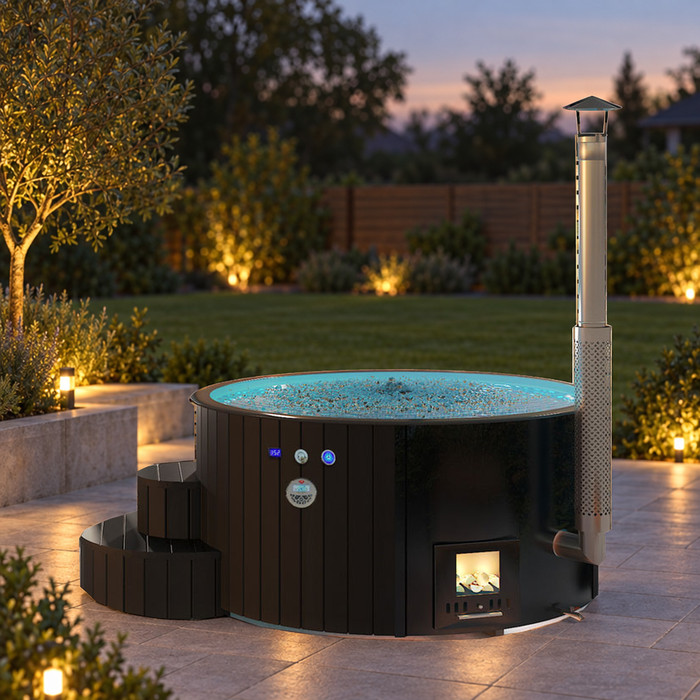
Is getting in and out straightforward for everyone?
Consider entry and exit as part of the session, not as an afterthought once everyone is seated. Ask how the manufacturer describes access to the tub, what access features are included and whether any pictured or mentioned items are separate. Do not assume a step, handhold or other aid is supplied unless the product information confirms it. If more than one person is likely to use the tub, consider whether each can reach the entry comfortably without needing someone else to move first. The manufacturer’s instructions should guide any model-specific questions about access.
Think about the whole sequence: reaching the tub, getting in, leaving the water and returning to a place to change. Towel and robe storage nearby may make ordinary use more convenient, while an awkward route can turn a simple session into extra effort. Consider the needs of older relatives or anyone with limited mobility, and ask the manufacturer or an appropriate qualified professional about concerns that require individual assessment. Use the Cove 2 product listing as the starting point for questions about its access arrangements and any separately supplied items. Ask likely users which part of the sequence concerns them, rather than treating access as a single yes-or-no question. Someone may be comfortable once seated but uncertain about getting out. Record that specific concern so an enquiry or viewing addresses the right issue, rather than only confirming that an entry point exists.
What must you check before children use a hot tub?
Do not assume that a hot tub is suitable for children because it is being considered for family use. Age suitability and supervision are separate, model-specific safety questions. Check the current manufacturer instructions for the exact model and consult current, authoritative South African safety guidance before deciding. Do not infer an age threshold, operating limit or supervision rule from a product name, a general marketing description or this guide. If a key answer is unclear, leave child use unresolved rather than counting on it when comparing models.
For household planning, consider who would be responsible during any session that includes a child and what the verified instructions require. A plan for adult supervision does not, by itself, establish that a particular tub is appropriate for a child. If you are considering the Haven 6 listing with child use in mind, ask the supplier to identify the current age-suitability and supervision instructions for that exact model, then check them against authoritative local guidance. Keep two questions separate in your notes: whether the intended use is supported, and whether your household can meet the relevant requirements. Do not let enthusiasm for a shared activity stand in for either answer. If child use cannot be established as appropriate, reconsider the planned group rather than assuming that the whole family will use the tub together.
What does regular use involve?
Ask for the owner information before deciding how manageable a tub will be. Find out what routine checks, cleaning, water care, cover handling and servicing the manufacturer requires, and how often those tasks are expected. Requirements vary by model, so do not rely on a generic schedule or assume that another tub’s instructions apply. Consider who will take responsibility and whether the tasks fit the household’s normal week. A product that looks appealing during a shared session may be less practical if nobody is available to handle the necessary upkeep.
Budget using model-specific information rather than a figure guessed from the product name. Ask the supplier for a written operating-cost estimate and note its assumptions, including planned use and the electricity tariff used. Consider water, care products and any servicing separately, and compare the time needed for upkeep as well as the money. The estimate is not a guaranteed bill; your actual use and tariff will matter. When enquiring about the Fjord 8 listing, describe your expected pattern of use so the supplier’s response addresses your household rather than an unspecified example. If you receive estimates for several candidates, check whether they use comparable assumptions before drawing a conclusion. Keep costs that have been estimated separate from items still awaiting a quote, and note which routine tasks someone in the household would need to undertake.
Does the route to the tub work day to day?
Walk through the ordinary journey from the place where people change to the tub and back. Consider how towels and robes will reach the area, whether users can move along the route without disrupting household routines, and whether the space feels private enough for regular use. Think about the route at the times your family is most likely to use the tub, rather than judging it only in daylight during a viewing. This is about the practical journey and its place in daily life, not just whether a tub can be fitted somewhere on the property.
Confirm the product’s actual external dimensions and any manufacturer guidance about access, cover handling or servicing before making plans. Do not treat a catalogue image as a scale drawing or assume that a path that looks clear will meet every access need. If a particular route or setup raises a technical question, seek advice from the supplier or an appropriately qualified professional. For the Aurora 10 product page, use the dimensions and access information supplied for that exact model when reviewing the proposed location. Keep the everyday route distinct from space needed for cover handling or servicing; both deserve attention, even though they serve different purposes. Consider whether towels, robes or other items would end up occupying a space that needs to remain available. The aim is to understand how normal household use and the manufacturer’s access requirements would work together.
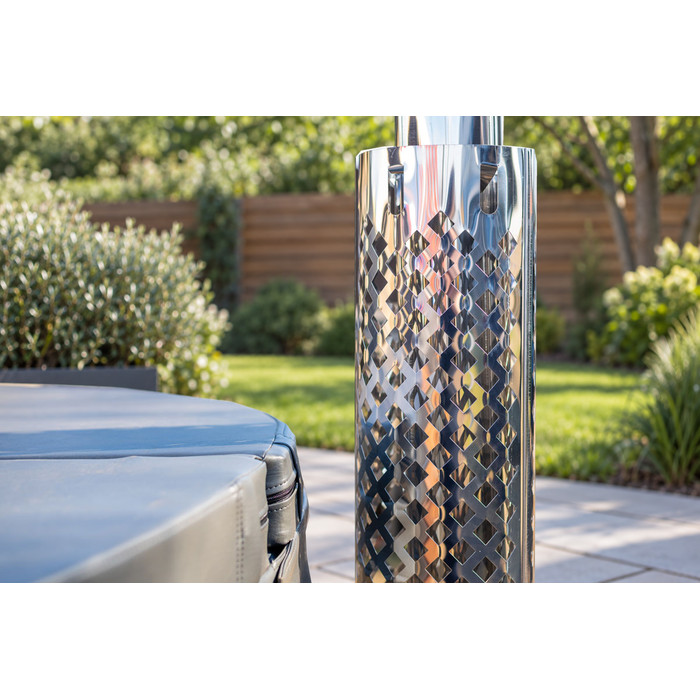
A practical family-use comparison checklist
For each candidate, record the same evidence: the manufacturer’s stated capacity and what it means; a seating layout; available dimensions; confirmed access features and what is included; current age and supervision instructions if children may use it; operating and care requirements; and any model-specific cost estimate with its assumptions. Note questions about access or setup that need a supplier or qualified professional’s answer. Mark each item as confirmed, not stated or awaiting clarification. A blank is not a specification, and a model number or product photograph cannot fill it in.
Then compare the evidence with your household’s likely shared session. Write down who would use each position, whether the arrangement appears comfortable for the people concerned and what remains unanswered about access, safety or routine care. If possible, assess the layout with the people who expect to use the tub, rather than deciding on their behalf. Keep confirmed facts separate from opinions and assumptions; that makes it easier to see whether a candidate merits further enquiry. The checklist is there to expose differences and gaps, not to turn an unverified seat count into a winner.
When is a model still a poor fit?
Keep comparing if the only useful information is a seat count, the seating plan is unavailable, or the people who would use the tub cannot agree that the positions look comfortable. The same applies if access seems awkward for a likely user, child suitability remains unclear where relevant, or nobody can explain the regular care and operating requirements. These gaps do not prove that a model is unsuitable; they do mean that the decision is not yet supported by enough information. Ask the supplier to resolve the specific question rather than relying on a hopeful assumption.
Also be honest about the compromise your household is willing to make. If a tub would suit occasional shared sessions but not the usual pattern, recognise that before buying instead of assuming everyone will adapt. If an essential user cannot manage the route or the instructions do not support the intended use, do not treat the stated capacity as a solution. A credible shortlist is one where verified, model-specific details fit the people, access and routine you actually expect. If no candidate meets that test, continue comparing or reconsider the intended pattern of use.
Frequently asked questions
Is a stated seat count enough to choose a family hot tub?
No. Ask what the manufacturer means by the stated capacity and request the actual seating layout. Then compare the positions with the people who are likely to use the tub together, including their different body sizes and comfort preferences.
Does a number in a hot tub’s model name show how many people it seats?
No. A model number identifies a product; it does not confirm capacity, dimensions or seating layout. Use the number only to identify the listing, then get the relevant specifications from the manufacturer or supplier.
Can I assume a hot tub is suitable for children if it is for family use?
No. Check the exact model’s current manufacturer instructions and authoritative South African safety guidance on age suitability and supervision. Do not infer a safe age or supervision rule from a general family-use description.
How can I tell whether the seats will suit people of different heights?
Ask for a seating diagram and any available measurements, then compare them with the people likely to use each position. If you can view a display, use it to assess comfort, but do not treat a photograph or display visit as a substitute for verified specifications.
How should I estimate the cost of regular use?
Ask for a model-specific estimate with its assumptions stated, including expected use and the electricity tariff used. Consider water, care products and any servicing separately. There is no reliable cost figure to infer from a model name.
A useful family hot tub shortlist reflects the people who are likely to share a session, how they prefer to sit and what regular use asks of the household. The clearest choice is the one supported by model-specific information on layout, access, safety guidance and care—not an assumption based on a number or image. If an important detail remains unanswered, keep it as a question rather than treating it as a promise.
