
Choosing Firewood for a Wood-Fired Hot Tub in South Africa
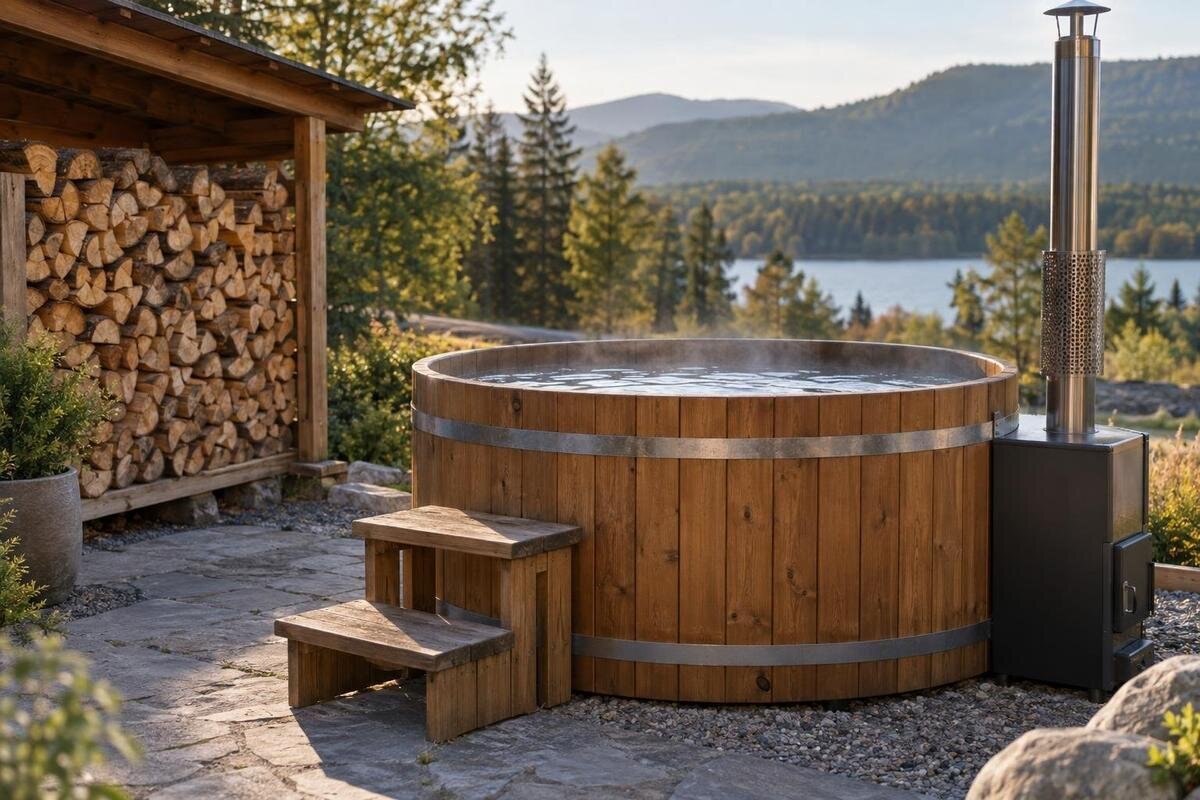
Firewood selection
Choosing firewood for a wood-fired hot tub in South Africa starts with the exact heater manual, not a generic list of supposedly best local woods. Confirm permitted fuel and any moisture or log-size limits first. Then compare suppliers by identifiable wood, its condition, how it is measured and whether you can keep it dry after delivery.
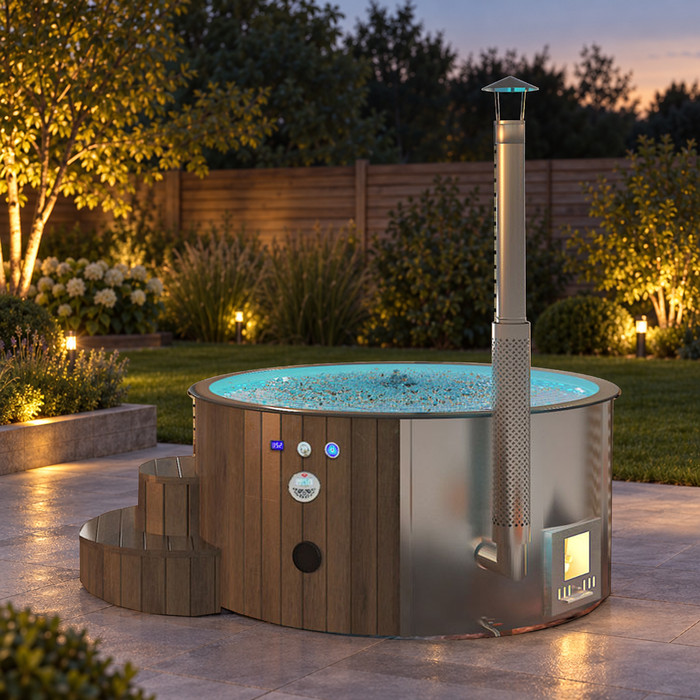
Check the exact heater's fuel requirements
Identify the heater as well as the hot tub before ordering. Fuel instructions belong to the exact heater used with the tub; a general product description cannot tell you whether that unit accepts wood or which types it allows. Find the current manual for that heater, not only a guide for a similar appliance. If you are buying a tub, replacing a heater or cannot locate the paperwork, ask the seller for the heater's make and model and the matching manual. If an optional heater is mentioned, confirm whether it is included in the quoted configuration. Instructions for another configuration are not a reliable basis for selecting firewood.
Read the fuel and operating sections and record every purchasing requirement: permitted fuel type, moisture limit if stated, log length and thickness, any loading restrictions, and materials explicitly excluded. Note whether dimensions are a maximum, a range or an example, and use the manual's units when asking a supplier. Keep requirements separate from recommendations so that an optional preference does not become an invented restriction. If wording is unclear, ask the manufacturer to explain it rather than choosing an interpretation. When considering Bloomcabin Hot Tub Cove 2, confirm the heater configuration with the seller; the product name alone does not establish wood-fired compatibility. Keep the matching manual with the quote, including its model reference, so that later fuel enquiries relate to the heater actually offered rather than another unit in the seller's range.
Hardwood or softwood: which does your heater allow?
Hardwood and softwood are useful labels, but neither is a complete fuel specification. Many hardwoods tend to be denser than many softwoods, although both groups vary and the exact species, moisture, cut and split size affect the wood you receive. A broad label cannot tell you whether a heater permits that wood, how dry the load is or whether its pieces meet the stated dimensions. Softwood is not automatically wrong, and hardwood is not automatically better. Treat the category as one detail to compare, not a reason to override the heater's manual.
Use category names as a prompt for questions, not as a shortcut. Ask which species are included, whether the order is single-species or mixed, and what the supplier can confirm about moisture and dimensions. If a seller calls one category ideal or recommended, ask whether that is general experience or guidance for your exact heater. When reviewing the Haven 6 product page, make a note to ask about any fuel-category restrictions for the proposed heater rather than assuming a familiar firewood label is sufficient. For mixed loads, find out whether the supplier can identify every component and whether the mixture changes between orders. If the manual allows only specified wood, an unspecified blend leaves you unable to compare the whole load with that requirement, even when some pieces appear suitable.
Seasoning and moisture: ask for measurable evidence
The word seasoned describes a drying history, but it does not by itself confirm that a batch meets a heater's moisture limit. Drying depends on the wood and how it was split and stored; a statement about how long it has been stacked is not the same as a current moisture reading. Check whether the manual gives a moisture requirement and use that exact standard. If it gives no figure, do not substitute a percentage from a generic firewood guide; ask the heater manufacturer what condition it accepts. A known drying history can support a supplier's description, but it is not proof of compliance.
Ask the supplier for moisture information for the actual batch, if available, and how it was obtained: which logs were sampled, where readings were taken and whether more than one piece was checked. If a meter was used, ask whether readings came from the surface or a split area; a result from one place on one log may not represent the full stack. Also ask when the readings were taken and whether the wood was kept dry afterwards. Compare the result with the manual, not another supplier's number measured differently. If you are considering Fjord 8 from Bloomcabin, request any moisture requirement for the proposed heater before comparing firewood offers. Record the reading, date and sampling explanation together; a bare number copied onto a quote loses the context needed to judge whether it describes your order.
Check cleanliness, consistency and log size
Look for clean, sound wood, not just a dry-looking stack. Ask whether it is untreated natural firewood and whether it contains paint, preservatives, glue, laminate, fuel spills or demolition offcuts. Do not assume a mixed firewood load excludes those materials; if the seller cannot describe its contents, choose a clearly identified batch. Use only what the heater manufacturer permits, and do not substitute treated, painted, glued or engineered wood simply because it has been cut into logs. Query soil, packaging or other loose material, and ask whether the wood was stored separately from oils or chemicals.
Check whether the pieces meet the appliance's written size range. Ask for a length and thickness range, not just a photograph of one representative log, and confirm whether the load is split, round or mixed. A stated average may conceal pieces outside the heater's limits, so ask for the maximum size as well. Do not assume that a few suitable pieces represent the whole delivery. For a purchase enquiry about Bloomcabin hot tub Aurora 10, ask for the proposed heater's log dimensions in writing so you can give the supplier a precise specification. Establish whether the supplier can sort the order to that specification or whether you would receive an unsorted load. This distinction matters when deciding what you can realistically buy and store: a delivery requiring further preparation is not the same offer as one supplied in the agreed sizes.
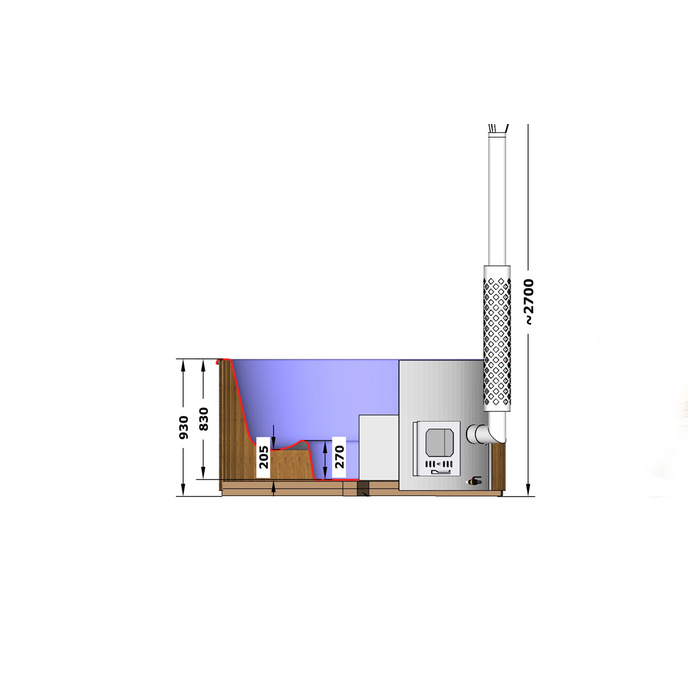
Compare species by exact name and source
Species comparison only works if the name is clear. Suppliers may describe firewood by a common or trade name, by a botanical name, or as a mixed load; those descriptions are not interchangeable. Ask which species are included, whether the entire batch matches the label, and what mixed means for that particular order. If the heater manual names or excludes a species, ask the supplier to check against that wording rather than relying on a familiar local name. Where possible, keep the species description on the quote or order record so you can compare it with what is delivered.
Compare the evidence that matters: whether the exact wood is allowed, whether it meets moisture and size limits, how clean and consistent the batch is, and where it came from. Avoid blanket claims that any named local species is best for every hot-tub heater; suitability depends on the appliance requirements and the condition of the batch. If Cove 2 from Bloomcabin is on your shortlist, use the proposed heater's permitted-fuel wording when requesting species details from suppliers. Ask what source information they can provide, and distinguish the wood's identity from its origin: a species name does not tell you where a particular load came from. If restrictions may affect sourcing, transport or use in your area, check current guidance with the appropriate local authority rather than treating a familiar name or seller's assurance as legal confirmation.
Questions to ask a firewood supplier
Ask about the particular batch, not just the supplier's standard range. Useful questions include: What species or blend is this? Is it untreated? When was it cut or split, and how has it been stored? What moisture information is available, and how was it measured? What length and thickness range should I expect? If I provide the heater manual's limits, can you confirm in writing that this load meets them? Ask whether the answers apply to the batch you will receive, rather than a sample or general product description.
Clarify what the supplier means by seasoned, dry or ready to burn rather than accepting those terms as a complete description. Then settle what happens if the agreed batch is unavailable: may the supplier substitute another species or size, or must they contact you first? Ask how a mismatch with the written description will be handled and when you need to report it. Keep the answers with the order record so you have a clear basis for checking the delivery. If you are also comparing Bloomcabin hot tub Haven 6, obtain the proposed heater's fuel instructions early enough to include the relevant limits in your supplier enquiry. A useful order confirmation describes both the wood and any agreed tolerances; it should not leave you relying on a telephone assurance that cannot be matched to the load received.
Make sure your storage will keep the wood dry
Storage is part of fuel selection because a suitable batch can take on moisture or dirt after delivery. Before ordering, choose a place with cover overhead and airflow through the stack. Keep the wood off ground that can remain wet, and avoid wrapping it so tightly that dampness is trapped. A roofed, open-sided store or ventilated rack may suit the site; the aim is to shelter the wood from rain without sealing it in. If your only available space is exposed or damp, order an amount you can protect rather than a large stock you cannot keep in the condition promised.
Estimate the full delivered quantity and allow for a stable, accessible stack, not just the space occupied by a sample bag. Consider where the delivery will be left and how you will move it into storage without blocking access to existing stock. Keep each batch identifiable so you can inspect and rotate stock without mixing uncertain pieces into a pile you have already assessed. Leave enough access to check the stored wood, rather than packing every available gap. If Bloomcabin Hot Tub Fjord 8 is part of your buying plans, consider fuel storage alongside the proposed tub location, while keeping any heater-specific storage requirements separate from your estimate of space. Check that the cover and airflow still work after rain, and adjust the arrangement if water reaches the wood. Order size should reflect the space you can actually protect.
Inspect each delivery before adding it to the stack
Check a delivery before moving it into your main store. Compare it with the supplier's description: species or mix, stated dimensions, condition and any moisture information. Look at pieces from different parts of the load rather than relying on one easy-to-reach log. If the wood is wet, visibly contaminated, materially different in size or inconsistent with the agreed description, keep it separate, record the issue and ask the supplier for clarification before mixing it with stock you have already assessed. A note of the batch and delivery date can also help you identify changes in later orders.
Keep fuel separate from non-fuel materials. Packaging, plastic, treated pallet timber, construction offcuts and unidentified waste should not be treated as ordinary firewood; use only materials expressly permitted by the heater manufacturer. Agree with the supplier whether bags, wrapping or pallets are included in the delivery and how those will be kept apart from the wood during unloading. If the seller delivers an unlabelled mixture, ask what it contains instead of trying to identify it by appearance. When enquiring about the Aurora 10 product range entry, ask for the proposed heater's excluded-materials guidance as well as its permitted fuel. That gives you a reference for sorting the delivery, not a reason to accept unidentified pieces. Keep anything questionable separate while you resolve it, so it does not become indistinguishable from the rest of the stored batch.
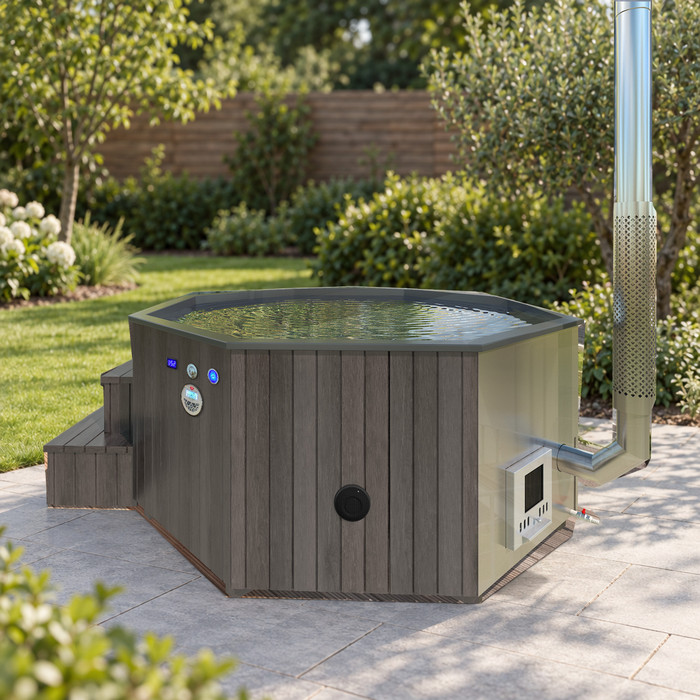
Compare quantities and supply terms on the same basis
Compare supplier offers on the same quantity basis. A bag, crate, stacked pile and loose load can be described differently, so ask what unit you are buying, how it is measured and whether the quantity includes packaging or empty space. If the supplier quotes volume, clarify whether it refers to a loose or stacked load. If different suppliers use different units, do not assume that similar-looking descriptions represent the same amount of usable wood. Clear quantity terms make it easier to compare a batch's price and quality without treating a larger-looking package as automatically better.
Ask how delivery is handled: where the load will be left, whether the vehicle can reach that point, and whether you can inspect the wood before it is stacked. If a smaller order is available, it may be a practical way to check whether the supplier's description matches the delivery before ordering a larger quantity. Ask whether repeat orders will use the same species and dimensions or may vary. These details do not make unsuitable fuel acceptable; they help you judge whether a compliant supply is practical to receive, inspect and store.
Pause when the fuel details are unclear
If the manual or supplier cannot settle a question, pause before ordering. Send the heater manufacturer the exact make and model together with the supplier's description, moisture information and log dimensions. Ask directly whether that batch meets the written fuel requirements. A general recommendation for another heater, a retailer's usual log size or an online moisture figure is not an answer for your appliance. Keep any reply with the manual and order details so your decision is based on a clear match rather than guesswork.
If the manufacturer and supplier give conflicting information, identify the exact point of disagreement before choosing a load. It may concern the species description, a moisture reading or whether a stated dimension is an average or a maximum. Ask for clarification of that point rather than another general assurance that the wood is suitable. Do not alter the heater to accommodate a load; if the wood needs further preparation, confirm what the manufacturer permits before buying it. Recheck the description when the species, mix, size or storage condition changes, even if the supplier uses the same product name. A dependable supply is one whose relevant details remain clear from one delivery to the next.
Frequently asked questions
Is hardwood always a better choice than softwood?
No. Many hardwoods are denser than many softwoods, but those broad categories do not prove that a particular load is suitable. Check which fuel the exact heater permits, then compare the species, moisture information and log dimensions offered by the supplier.
How can I tell whether seasoned firewood is dry enough?
The word seasoned does not confirm a moisture level. If the heater manual sets a limit, ask the supplier for a reading for the actual batch and how it was measured. If there is no stated limit, ask the heater manufacturer what condition it accepts.
Is firewood sold for a braai automatically suitable?
No. A label for braai wood does not confirm that the species, moisture or log dimensions meet your hot-tub heater's requirements. Check the heater manual and ask the supplier for details about the specific load.
Are cracked ends proof that the wood is dry enough?
No. Appearance alone cannot confirm that a batch meets a moisture requirement. Use the heater's instructions as the standard and ask the supplier how any moisture reading was taken and whether it represents the delivered load.
What should I do if a supplier cannot confirm the wood's details?
Pause before ordering. Ask the supplier for the species or mix, moisture information and log-size range, then check any uncertainty with the heater manufacturer. Choose a clearly described alternative if the supplier cannot provide enough information to compare the load.
The right firewood is not simply the species with the strongest reputation. It is a clean, clearly described batch that meets the exact heater's requirements and can be kept in suitable condition after delivery. Verify those points before ordering, and pause whenever the manual or supplier leaves a key detail unresolved.
