
Greenhouse slugs and snails: block routes for lasting control
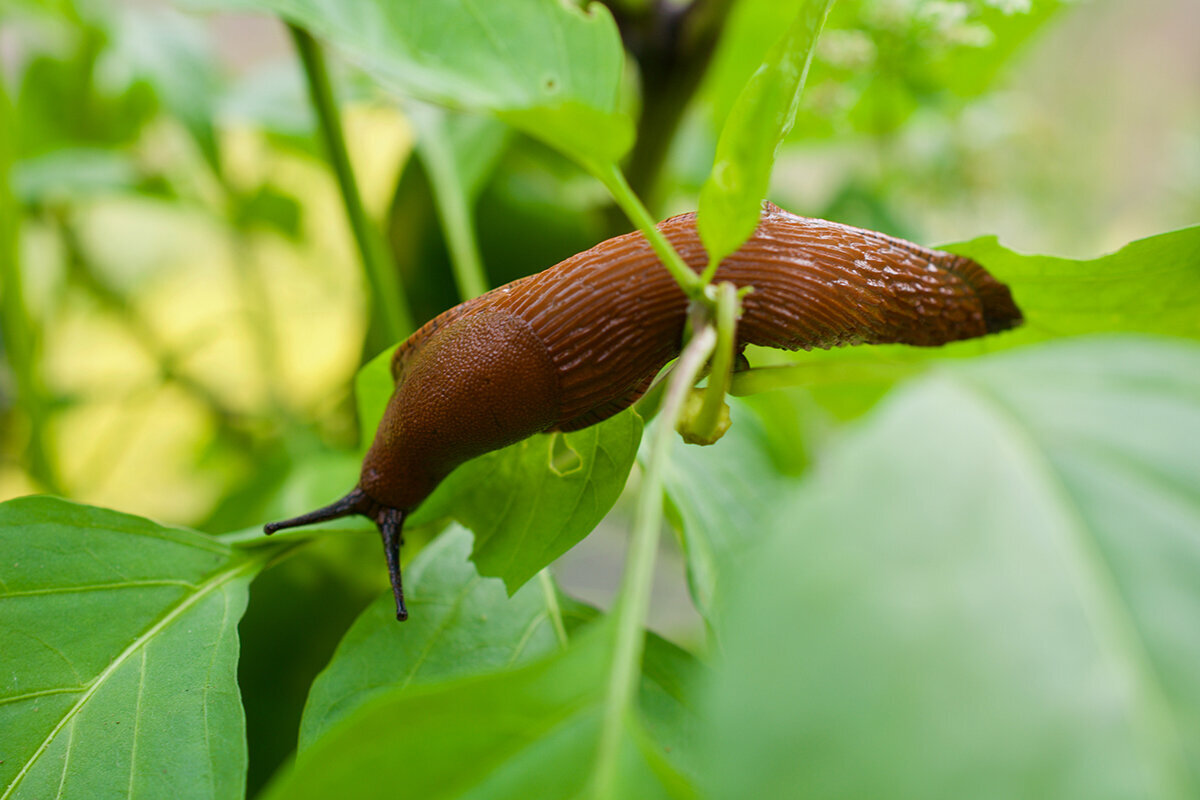
Greenhouse protection begins with the silver trail
Greenhouse slugs and snails: block routes for lasting control
In the morning, the first sign is often a fine, silver trail across the floor rather than the animal itself. Follow it. It may run from a chewed seedling past a damp pot base, beneath a growing bench and over the threshold outside. Lasting control rarely comes from one treatment; it comes from deliberately interrupting these night-time routes.
01
At first light, before watering
Read the floor before treating the crop
A cool, damp greenhouse conceals slug activity by day. In the morning, the evidence is still readable: drying slime, fresh feeding damage and the exact link between shelter and plant. Record recurring damage over several mornings before intensifying a measure or judging success to be permanent.
| Observation | What it suggests | Check before deciding |
|---|---|---|
| Shiny or dried slime trail on floor, pot, leaf or bench leg | Strong evidence of slug or snail movement. The trail often marks a repeated route rather than one passing visitor. | Trace the line in both directions. Shelter is often beneath an object or outside the greenhouse, not beside the damaged plant. |
| Irregular holes with smoothly grazed edges | Typical slug or snail feeding on soft leaves, seed leaves, flowers and ripe fruit. | Also inspect leaf undersides at night. Caterpillars often leave droppings; earwigs occupy tight crevices but leave no slime trail. |
| Young plant eaten or apparently missing | Slugs can consume very young plants quickly, especially lettuce, basil, vegetable seedlings and marigolds. | Inspect the growing medium at dusk and in the morning. Without a slime trail, also consider damping-off, root feeding, drought stress and other causes. |
| Shallow feeding marks on low strawberries, cucumbers or other fruit | Possible night feeding, especially where fruit touches damp growing medium or sits near a pot rim. | Lift the fruit and inspect its resting surface. Abrasion, cracking and rot can look similar, but do not leave a continuous slime trail. |
| Damage only after a warm, humid or very wet spell | Conditions may encourage activity without the population having increased permanently. | Check watering time, leaks, standing water and closely packed pots before adding further measures. |
02
Two forms, one protection strategy
With or without a shell: route and habitat matter
Slugs and snails look different, but share key ecological needs: moisture, protected daytime shelter and reachable food. Both travel on slime and are particularly active in cool, humid, low-light conditions. For crop protection, the important questions are where they arrive from, where they rest and which plants their route reaches.
Slug
Low, hidden and mobile
Slugs enter very low, dark spaces: beneath seed trays, behind hose loops, under growing benches, between pots and into damp joints at floor or bed level. Because they lose moisture easily, a cool daytime hiding place is particularly important.
- On dusty floors and glossy leaves, they often leave clearly visible trails.
- They hide in growing-medium residues, beneath trays and in stacked containers.
- Young slugs are small and easily missed during a quick daytime inspection.
Snail
Mobile shelter, accessible food
Snails are easier to spot while moving, but are not automatically easier to control. They may rest beneath a bench, along a sheltered foundation edge, behind stored materials or in dense vegetation just outside the door. Not every species should simply be treated as a pest; actual feeding damage to the crop remains decisive.
- They often gather at protected edges and in dense planting outside.
- Some use the greenhouse as a favourable feeding area without living there permanently.
- Hand collection works best when repeated routes and shelters are known.
Shared pattern
Both seek a dependable sequence: a sheltered daytime resting place, a damp surface to travel across at night, vulnerable food nearby and a route without a dry, exposed break. Remove one part of this chain and pressure falls. Interrupt several parts together and the greenhouse becomes much less attractive.
03
Timing is a tool
Start your routine before the night route begins
Activity changes with weather, temperature, irrigation, growing medium and humidity. The following sequence does not promise movement at precise times. It is a practical order for observing and deliberately shortening the damp period.
Late afternoonReset the floorRemove debris and standing water.
DuskCheck routesSearch with a torch held low.
Cool, damp nightActivity windowCollect slugs and inspect barriers.
Before dawnReturn to shelterFollow trails back to cover.
MorningRead and dryRecord damage and tidy surfaces.
In late afternoon, remove wilted leaves, harvest waste, fallen fruit, empty trays and standing water. Check the threshold and the outer foundation edge before light fades. This short reset makes later trails easier to see and removes food and accidental cover for repeat visitors.
At dusk, use a low-held torch along growing benches, stacked pots, door runners and low plants. Cool, damp evenings suit hand collection and reveal whether a copper barrier or slug fence is truly closed, or bridged by soil, leaves, dirt or touching foliage.
Before sunrise, follow fresh trails back to the hiding place. Removing only the visible animal relieves the crop temporarily; correcting shelter and route reduces pressure the following night. Note damage in the morning, inspect deliberately placed refuges and water the root zone early enough for paths and pot exteriors to dry.
04
Test threshold continuity
See the greenhouse as a chain of connected ground edges
Slugs do not need an obvious opening. A low door gap, damp drain, overhanging foliage or stack of pots beside the wall may be enough. Walk around the inside and outside of the greenhouse at ground level, ideally after rain and after normal watering.
Door threshold and floor junction
Search along the lowest line
- Remove soil, leaf litter and growing medium from door runners and threshold edges.
- Check that seals and door alignment meet the base as intended.
- Keep a dry, easily swept strip immediately inside the entrance.
Wall base and outside planting
Remove the soft bridge
- Keep leaves, weeds and dense groundcover away from the greenhouse foundation.
- Do not lean bags, boards or unused plant containers against the wall base.
- Remove hollows that keep the foundation edge wet after rain.
Ventilation, drainage and service openings
Keep function, reduce shelters
- Never block essential drainage or ventilation openings for pest control.
- Instead, keep drains clear and check protected edges for moisture and deposits.
- Repair damaged covers only with materials compatible with the structure and required airflow.
Growing benches, pots and leaf bridges
Separate crops from cover
- Where possible, raise vulnerable trays and pots rather than placing them directly on the floor.
- Keep bench legs, pot undersides and barriers free of soil and fallen leaves.
- Train vines and remove low leaves so foliage cannot form a ramp from damp ground to the crop.
A considered layout makes these checks easier. Clear access, firm floor edges and a defined door zone also characterise a classic aluminium greenhouse. Accessible growing benches, easy-to-clean paths and an orderly arrangement create a better inspection route. Anyone planning a new growing space can find this basis in a classic aluminium greenhouse and include ground-level working routines from the outset.
Correct the habitat
Water roots, not a long damp night
The greenhouse should not be dried out. The aim is to avoid permanently wet walkways, damp pot exteriors and protected decaying debris. For many crops, morning watering is useful because leaves and surfaces can dry before nightfall. Targeted root-zone watering or suitable drip irrigation also keeps paths clear and makes new slime trails easier to spot.
Start with leaks and splash patterns. A slowly dripping connection, a saucer that is never emptied, a blocked gutter outlet by the door or a damp patch beneath tightly grouped pots preserves exactly the small refuges slugs prefer. Increase spacing, remove dead lower leaves and do not use the ground-level area to store damp bags, cardboard, mats or abandoned containers.
Good airflow matters for many growing reasons. Roof vents and ventilation adjusted to conditions support a balanced crop climate. Ventilation alone will not solve a slug problem while the floor remains damp and cluttered. A classic aluminium greenhouse can be organised as a high-quality, clear growing space. Preserve that usability by keeping the foundation, benches and door accessible instead of filling every open area with materials.
05
A hierarchy of measures
Start with solutions that remain effective
The best sequence starts by interrupting access and correcting the habitat. Direct measures can reduce the current population. Yet where damp shelter and an easy route remain, their effect is usually short-lived and further arrivals are likely.
1
Block access and interrupt routes
Maintain doors, seals, floor junctions and the immediate surroundings so that no continuous route remains. Use barriers only around areas that can be kept clean and checked regularly. Copper-containing systems may deter slugs, but soil, dirt, moisture, open ends or touching leaves can bypass them. A small, consistently protected seedling zone is better than an incomplete attempt across the whole greenhouse.
2
Reduce daytime shelters
Remove stacked pots, boards, dense debris and permanently damp spots. A deliberately placed inspection board can serve as a monitoring station: put it outside vulnerable crops on a suspect route, lift it daily and remove any animals beneath it. Accidental hiding places, by contrast, should disappear.
3
Hand collect on the right night
Collect slugs and snails with gloves and a torch on cool, damp evenings or from beneath established inspection boards in the morning. This is especially efficient in an orderly greenhouse after routes are identified and shelters reduced. Deal with collected animals responsibly rather than releasing them at the property boundary; ask a local horticultural adviser what is suitable in your area.
4
Use products strictly according to the label
Traps and baits can complement, but not replace, an integrated approach. Beer traps attract animals, cover only a limited area and may draw more nearby. Before using any direct control, verify current South African registration and an authorised label covering the crop, target pest, application site and user category. Follow the label’s dosage, timing, harvest directions and protections for children, pets and wildlife.
06
Keep routes closed for the long term
Seasonal follow-up is calmer than a new infestation
In South Africa, slug activity can vary considerably by region, rainfall pattern and the greenhouse microclimate. An irrigated greenhouse can remain favourable outside the usual wet periods when dense planting and protected damp areas coincide. Base inspections on weather and indoor conditions rather than the calendar alone.
Late winter
Prepare
Before sowing begins, sweep beneath growing benches, clean reusable pots and trays, inspect seals and drains, and remove stored material from low, damp areas.
Spring
Protect young plants
Inspect more often during wet spells. Tender seed leaves, newly planted lettuce and herbs are especially vulnerable. A dusk walk prevents damage seeming mysterious the next morning.
Summer
Watch irrigation
Heat may reduce activity outdoors, while shade, frequent watering and damp corners can sustain it indoors. Repair leaks and harvest ripe, low-growing fruit before it becomes easily reached food.
Autumn
Reset edge areas
Remove outside vegetation at the base, organise stored pots, fleece and harvest materials, and inspect after rain. Fewer protected storage and overwintering places make the next growing season easier to begin.
A high-quality greenhouse keeps its calm appearance through routines that are easy to repeat. Look for accessible doors, ventilation options, cleanable edges and room to move around growing benches. A suitable foundation is provided by a classic aluminium greenhouse. Look again at the classic aluminium greenhouse and view the clear proportions of the classic aluminium greenhouse as a starting point for an orderly, easily monitored growing space with permanently accessible ground edges.
07
Frequently asked questions
Practical answers at ground level
Why do I have slugs in a mostly closed greenhouse?
They can arrive with new plants, trays, pots, growing medium or stored materials. Small gaps at a threshold, base or drain, as well as touching outside vegetation, can also be enough. A closed door reduces access, but does not replace checking runners, seals, edge areas and newly introduced items.
Are copper tape or other barriers enough on their own?
No. Copper-containing barriers may deter slugs under suitable conditions, but must remain clean, continuous and free of bridges. Soil, leaves, moisture, pot rims or touching foliage can reduce their effect. A barrier is only one layer in a complete system.
When is the best time to look for slugs and snails?
Inspect with a torch at dusk or on a cool, damp evening. Early morning reveals fresh trails and animals in nearby shelters. Checks after rain or irrigation are especially informative.
Are dry granular materials reliable in a damp greenhouse?
Their deterrent effect usually depends on remaining dry and uninterrupted. That is difficult to ensure in an irrigated, humid greenhouse. Do not treat loose material strips as the foundation; rely instead on controllable routes, order and complete barriers.
May I use slug pellets around edible crops?
Only consider a slug-pellet product after verifying its current South African registration and that its authorised label covers the crop, target pest, application site and user category. Follow all dosage, application, harvest and protection directions. Keep it away from children, pets and wildlife, and use it only as a supplement.
When is professional advice on identification useful?
Seek professional advice if damage is serious, the cause remains unclear, a larger crop is affected or you need reliable guidance on a plant-protection product. Appropriate advisers can distinguish slug damage from disease, root feeding, caterpillar or rodent damage and help assess permitted measures.
08
Sources and further guidance
South African registration and clearly attributed overseas guidance
Registrations, conditions and labels can change. For direct controls, use the official South African registration route and current authorised label. The overseas sources below offer general prevention or ecology guidance, not South African product authorisation.
German Environment Agency: environmentally friendly slug prevention
German guidance on prevention, barriers and lower-impact garden measures; South African product rules still apply.
German Environment Agency: alternatives to slug pellets
General prevention and direct-control context from Germany, not South African product authorisation.
South African Government: register an agricultural remedy
Official route for checking South African registration requirements for agricultural remedies.
South African Government: verify agricultural-remedy use
Check current registration and the authorised label for crop, pest, application site, user category and restrictions.
Chamber of Agriculture NRW: recognising and controlling slugs
German practical guidance on damage, weather and control; verify products separately for South Africa.
NABU Saxony: background on native molluscs
German ecological context on mollusc diversity and their roles in wildlife-friendly habitats.
More from Bloomcabin: Buy a greenhouse for many years · Information about Bloomcabin aluminium greenhouses · Greenhouses and conservatories
A repeatable five-minute walk-through
Walk through the greenhouse at blue hour
Begin before night hides the details: a short, calm walk that turns observation into prevention. The silver trail loses its story when routes dry, shelters can be checked and the connection ends at the threshold rather than at the damaged plant.
1Threshold Clear deposits from the door runner, edge and outer junction.
2Pots Lift possible shelters and remove leaf litter and standing water.
3Growing benches Inspect undersides, legs and possible material bridges with a torch.
4Young plants Check tender shoots, seed leaves and low-hanging fruit carefully.
5Storage area Dispose of plant debris and leave the floor clear for morning.
For an orderly growing space that remains easy to monitor, discover the classic aluminium greenhouse or consider the classic aluminium greenhouse as the basis for a daily greenhouse routine as considered as the garden itself.
