
Planning task and ambient lighting for your garden shed
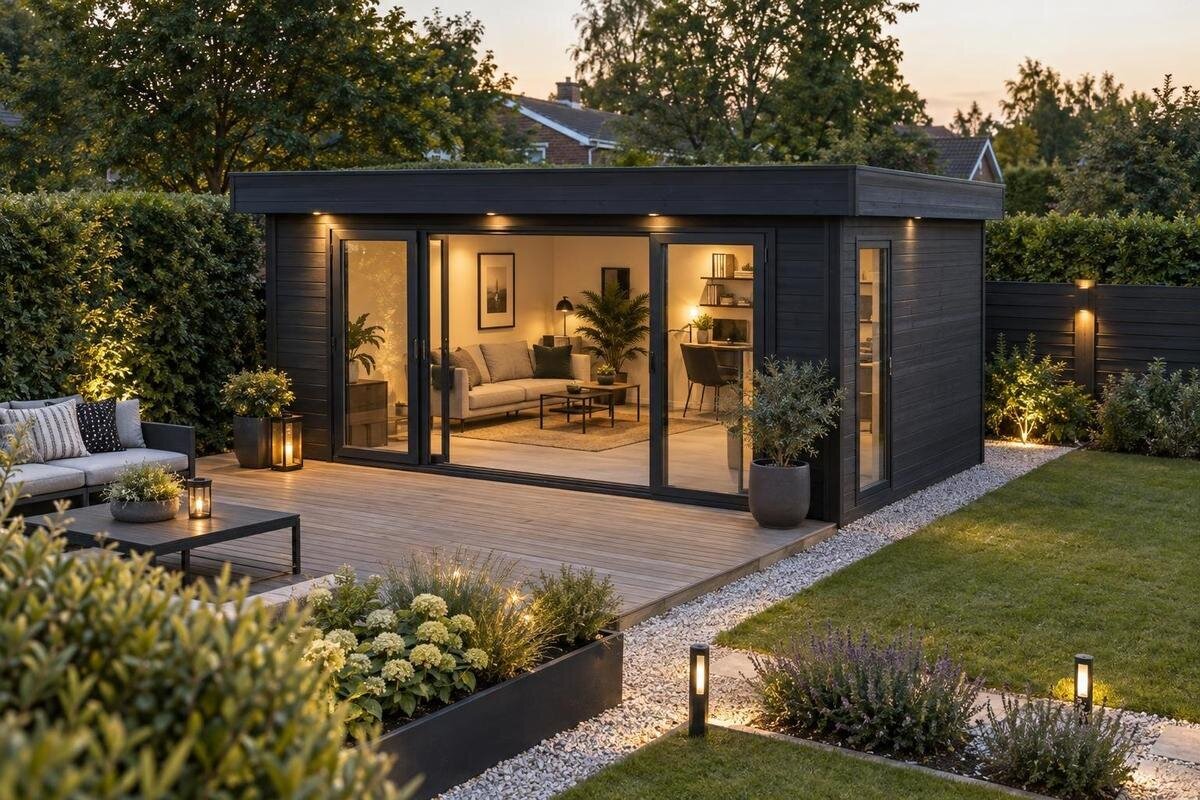
Garden shed lighting
Bright light at the doorway does not guarantee that a bench or shelf is easy to use. A good garden shed lighting plan begins with the jobs you will do, the position of each work area and how daylight reaches the building. Ambient light should make the space usable as a whole; task lighting should put clearer light where detail matters. These choices are easier to make before ordering a shed, when you can check its confirmed layout, openings, interior surfaces and order inclusions. This guide explains how to plan both kinds of lighting and what to clarify with the supplier or a qualified electrician.
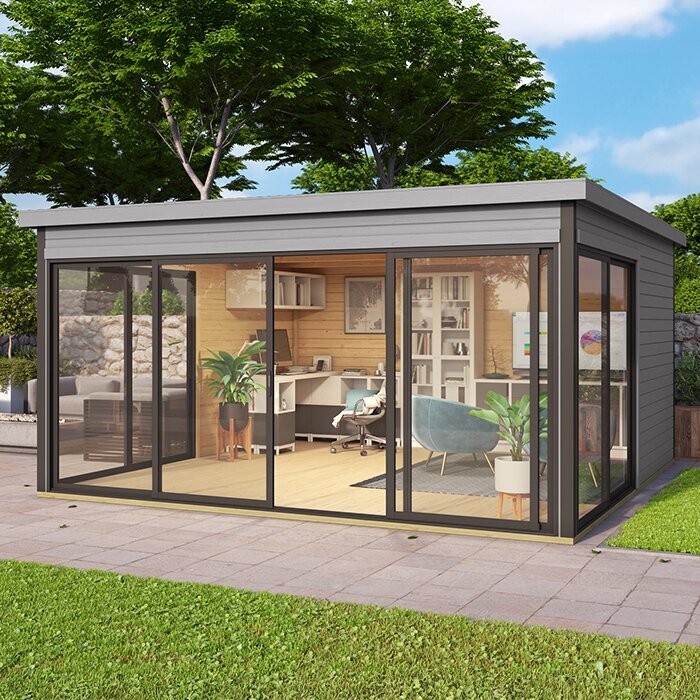
List the jobs the garden shed must support
Before comparing garden sheds, list what will happen inside and mark where each activity belongs. A space used for fetching and returning tools needs usable general light along the route; potting, sorting small parts, inspecting packets or repairing equipment needs clear visibility at a particular surface. Note how often each job happens, whether it is usually done in daylight or after dark, and whether one person or several will use the area at once. Include occasional jobs too: the task that needs the clearest view may be easy to overlook when you plan around daily tool storage.
Turn the list into purchase questions: where will a bench sit, what must stay reachable, and which walls need to remain clear for long tools or shelving? If the shed may take on new jobs later, leave a flexible area rather than fixing every light around today’s arrangement. When considering an option such as Verdana 1 garden shed, use its actual product details and drawing to check the usable space; the model name alone does not show where a bench or storage will fit. Note missing information and request it before deciding. A clear activity list also lets you compare different listings on the same practical basis.
Put the lighting plan on the floor plan
Use the confirmed dimensions and plan for each shortlisted option to sketch the doorway, any stated windows, shelving, the workbench and larger stored items. If no dimensioned plan is available, ask for one before basing a lighting layout on a photograph. Mark the usual route from the entrance to the areas you use most, and show storage in its normal position rather than temporarily pushed aside. Record where you expect to stand or sit for regular jobs: light that works from one position can be blocked from another. Treat the drawing as a working note, not a technical installation plan.
On the sketch, label each proposed source as ambient or task lighting, and mark where you would naturally want the controls. Check that shelves or hanging tools will not block a fitting’s spread, and that you can reach a switch without leaning across a work surface. A shortlist page such as Verdana 2 garden shed should be checked against its confirmed plan and dimensions; neither a model number nor a styled image establishes the interior arrangement. Use the marked routes to spot areas that may be left too dark, and update the sketch whenever you change the bench or storage position.
Plan around changing daylight
Natural light is useful during the day, but it shifts with the time, season, weather and shade cast by nearby buildings or trees. An opening that brightens one end of a shed may leave a bench or lower shelf in shadow. Direct sun can also create a bright patch or glare, so judge the light from the place where you will work rather than from outside the shed. If practical, look at the intended location at the times you expect to use it; a single visit in bright midday sun may not show the whole picture.
Treat daylight as a helpful layer, not a guaranteed replacement for electric or portable lighting. Before you order, establish exactly which windows or glazed doors are part of the chosen configuration and where they sit. Do not infer this from a model name, URL or product image. For a shortlist item such as Durano garden shed, rely on confirmed opening information in the listing or supplied plan when judging where daylight can enter. Ask the seller to clarify anything missing, and plan a separate light source for evenings and shaded work areas.
Use ambient light throughout the shed
Ambient lighting is the general layer that helps you move around, find tools and use the whole interior. Aim for light spread across the usable floor and storage areas, not only a bright patch beneath one central fitting. Shelves, stacked containers and a bench can create darker pockets, so assess them on the layout instead of assuming that one ceiling light will cover every corner. Consider the room with its intended storage in place: a fitting that seems adequate in an empty shed may be partly blocked once shelves and boxes are added.
When comparing fittings, look at stated light output and beam or distribution information, where the manufacturer provides it; wattage alone does not tell you how evenly an area will be lit. Consider whether a shade or diffuser could keep the source out of your usual line of sight, and whether separate switching or dimming would help the shed serve different jobs. Confirm compatibility before combining dimmable components. For a listing such as Veltor 1 garden shed, check the exact order inclusions: do not assume a light fitting, switch or wiring is supplied unless the product details or quotation explicitly say so.
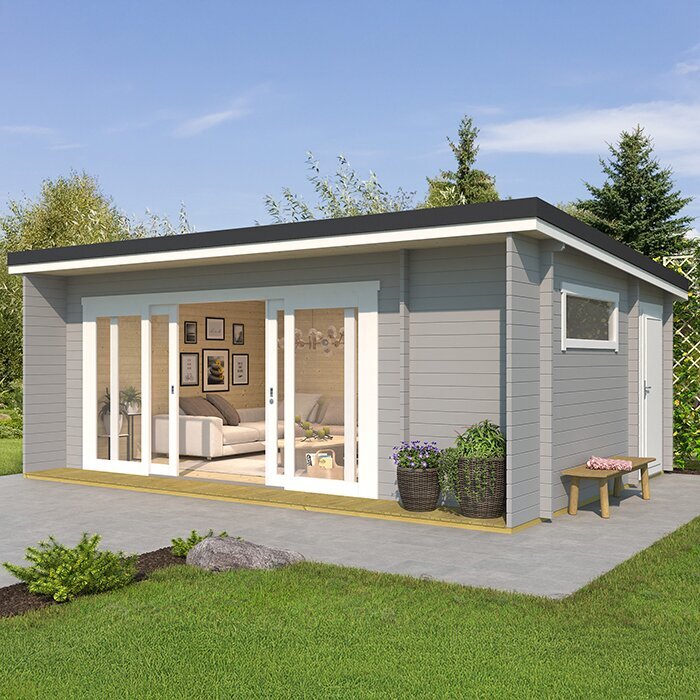
Position task lighting at the work surface
Task lighting is the focused layer for a particular surface: a bench for small repairs, a potting area, or a spot where you sort and inspect tools. Place the beam so it reaches the work without your head or shoulder casting a shadow across it. Assess the light from the position you will normally use, rather than standing in the doorway. If you work from both sides, one fixed direction may not serve each side equally. A movable work surface calls for a plan that can adapt, while a permanent bench can be mapped more precisely.
An adjustable or repositionable fitting may help when the task area changes, while a fixed fitting may suit a settled layout; compare those options against how often you rearrange the shed. Check the product’s mounting instructions, the approved fixing surface and whether the fitting is intended for the conditions where it will be used. Do not assume a wall, roof or shelf can take a fitting just because it looks convenient. For Orello 1 garden shed, or any other shortlisted shed, confirm the construction and any permitted mounting details with the supplier before relying on a fixed light position.
Choose a power approach and plan controls
Decide early whether you need fixed mains lighting or whether a rechargeable or battery-powered light could meet occasional needs. Fixed lighting can suit repeated use, but it requires professional planning; portable options can be moved but depend on runtime, charging arrangements and eventual battery replacement. Match the choice to how long jobs last, how often the shed is used, and where a portable unit can be charged and stored. If you compare solar-powered fittings, check the manufacturer’s details for panel placement, charging conditions and expected operation rather than assuming the garden gets enough sun.
For fixed mains work, involve a qualified electrician before ordering if the building layout or intended route could affect the design. Share the confirmed plan and proposed work areas, and ask what supply, switching and fittings are appropriate. Mark where you would naturally want a switch, such as near the entrance or work area, then ask whether that arrangement is practical. Do not assume that a garden shed is wired or ready for connection. A page such as Modano 1 garden shed is useful only insofar as its confirmed drawings and details give the electrician reliable information; its name or image cannot establish a cable route.
Check interior finishes and mounting points
Interior colours and finishes affect how evenly light seems to spread. Pale, matte surfaces tend to reflect more light around a space, while dark surfaces can absorb more; a glossy finish may throw a distracting reflection towards your usual line of sight. These are planning cues, not a substitute for checking the fitting’s information. Think about the shed with its intended shelves and stored items in place, because a bright wall cannot compensate for a completely blocked corner. If you plan to paint or line the interior, consider that choice alongside the lighting layout.
Do not choose a fitting on the assumption that it can be fixed to any wall or ceiling area. Check what the supplier states about the construction, permitted attachments and modifications, then ask the manufacturer or installer if the answer is unclear. This matters if a fixture needs a stable support or its proposed position conflicts with storage. For wooden tool shed M, rely on the product’s confirmed construction and guidance, not an inference from its name, before planning a fixing. Have a qualified electrician coordinate any fixed electrical work with the chosen position.
Read the product details the lighting plan depends on
Use the product listing to confirm the details your lighting sketch depends on: overall dimensions, a plan or interior layout, and the position and type of any openings. Check that the information refers to the exact version you intend to order. If the page does not show something that affects daylight, storage or fixture placement, ask the supplier for written clarification rather than estimating from a photograph. If the listing gives only external dimensions, ask for usable internal measurements instead of estimating the space from the outside footprint.
Check inclusions and options separately. Ask whether lights, switches, internal wiring, mounting accessories or any requested changes are part of the quoted order or must be sourced separately; do not treat them as included without confirmation. Use the same questions for each shortlisted option so you are comparing like with like. The details for wooden tool shed S should be read in the same way: establish what is confirmed for that model and what remains an assumption. Keep the answers with your order notes so the lighting plan reflects the version actually purchased.
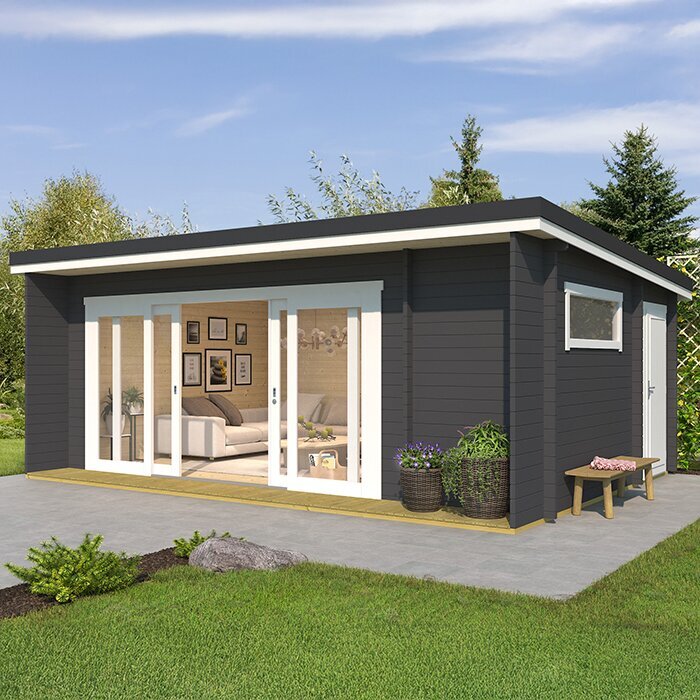
Compare the complete lighting cost before ordering
Compare the complete setup, not just the shed and a light fitting. Your budget may need to account for ambient and task lights, controls, portable batteries or charging equipment, approved mounts and professional electrical work. Ask who supplies each item and whether assessment, labour or extra preparation is quoted separately. One quotation may cover more of the lighting work than another, so compare what each includes before weighing the prices. Allow for replacement lamps or batteries where relevant, and keep a contingency for changes identified once the final layout has been reviewed. The right scope depends on your plan and the options selected, rather than a standard allowance for every shed.
Request an itemised quotation and compare equivalent arrangements: the same type of light sources, controls, installation scope and confirmed shed configuration. Separate optional upgrades from items essential to the plan, and record any exclusions or assumptions. If a change to an opening, storage layout or work area affects your plan, ask for an updated drawing and quotation rather than relying on an earlier version. If you hope to add lighting later, ask the relevant professional whether that is feasible. A clear comparison can help you adjust the layout or configuration before committing.
Test light positions before fixing them
Before fixing a permanent position, test the proposed layout with a portable light used as its manufacturer directs. Place it securely where the planned ambient or task source would go, then do a normal job and walk the usual route. Notice whether your body or shelves block the beam, whether the light reaches the bench, and whether it shines into your eyes. Use boxes or other safe stand-ins for bulky items that are not in place yet. Repeat the test in daylight and after dark if both conditions matter; a quick look at midday cannot show how the shed will feel in evening use.
Make these checks before finalising shelves and fittings, then update the drawing once the storage plan is settled. Record the fitting position, controls, power approach and any question that still needs an electrician or supplier to answer. A change to a bench or tall cabinet may alter a beam’s path, so revisit the plan rather than adding fittings automatically. After the shed is in use, note any remaining dark work area or glare and ask a qualified professional about safe adjustments to fixed lighting. The plan should suit the real jobs, not just an empty-room sketch.
Frequently asked questions
What is the difference between ambient and task lighting?
Ambient lighting provides general light for moving around and using the whole shed. Task lighting is directed at a particular work area, such as a bench or potting surface. Planning both helps avoid a bright central area with the actual work left in shadow.
Can natural light replace electric lighting in a garden shed?
Not reliably. Daylight changes with the time of day, weather and shade, and may not reach every work area. Plan a suitable electric or portable option for evenings and darker zones, even if the shed looks bright in a photograph.
How many lights does a garden shed need?
There is no universal number. It depends on the confirmed layout, openings, storage, work surfaces and the light’s output and spread. Mark ambient and task-light positions on a plan, then ask a qualified lighting professional if you are unsure what will suit the space.
Does a garden shed order include light fittings?
Check the exact product details and quotation rather than assuming fittings, switches or wiring are included. Ask which items are part of the order and which, if any, must be purchased or arranged separately.
Should fixed mains lighting be planned with an electrician?
Yes. Ask a qualified electrician to assess the proposed layout, supply and controls before you commit to fixed mains lighting. Share the confirmed shed plan and intended work areas; do not assume the building is wired or ready for connection.
Useful garden shed lighting comes from matching general light, task light and the power plan to the way the interior will actually be used. A marked layout helps you spot conflicts with shelves, daylight and work surfaces before you order, while the product details and quotation confirm what is included. Settle questions about mounting and fixed power with the supplier and a qualified electrician, then keep the final plan with the order. That gives you a space planned for clear everyday use, rather than a bright patch in the wrong place.
