
Garden Shed Planning Permission: Find the Rules for Your Address
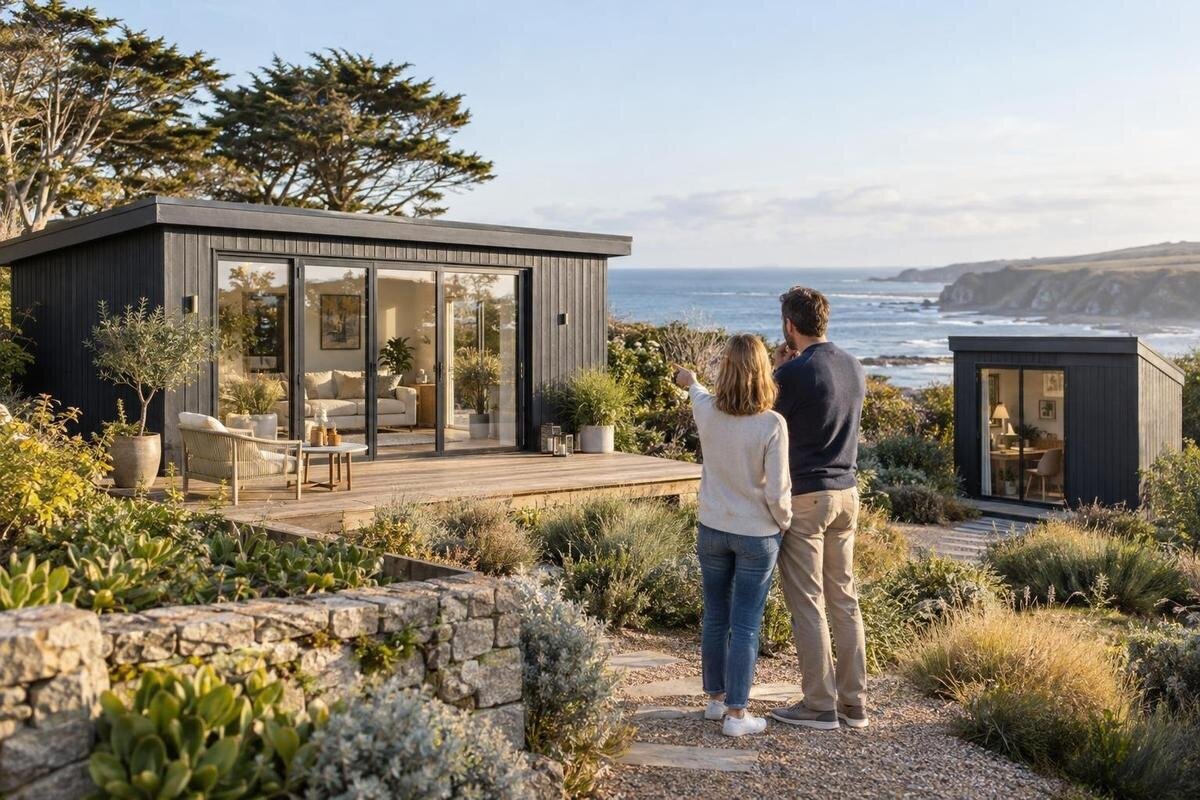
Garden sheds · Planning and ownership
A garden shed can look like a straightforward garden purchase, but the permission question belongs to the property as much as to the product. The responsible municipality, the erf’s zoning, the proposed position and the shed’s intended use can all affect what information officials need. South African garden shed planning rules should therefore be checked for the specific address, not inferred from an online answer or a neighbour’s approval. Before ordering, identify the property, describe the exact structure and location, and ask the municipality which planning, building-plan or other checks apply. Starting this enquiry early also gives you time to respond if officials need a site sketch, supplier documents or clarification of the intended use, instead of trying to change an order after the fact.
Start with the exact property address
Begin with the full street address, suburb and municipality, then confirm that the named municipality handles planning enquiries for that specific site. A municipal boundary can put nearby properties under different authorities, and a postal area does not always identify the correct planning office. Check a recent municipal account or property papers; if you are still unsure, ask the municipality to confirm its jurisdiction. Include the erf or stand number where available, as an address alone may not distinguish a particular plot or a recently named street.
Treat an online map or municipal lookup as a way to find the right contact, not as a final answer about whether your shed is allowed. Nearby properties can have different zoning or recorded conditions, and the proposal itself matters too. If you recently bought, are renting or are planning on someone else’s property, ask the owner or agent for the correct property reference and any plans or earlier correspondence. Those records provide useful context, but do not assume that an earlier approval covers a different structure, position or use. Record the date of any enquiry and the property reference you supplied. This makes it easier to show that the response relates to the correct site if you later need to clarify an address, street name or erf number.
Ask separately about land use and building plans
Planning permission is often used as a broad phrase, so ask the municipality to separate the questions it needs to answer. A land-use or town-planning enquiry concerns how the proposed use and location fit the rights or controls that apply to the property. A building-plan enquiry concerns the drawings and approval steps, if any, required for the structure. These matters may involve different processes or information, so an answer about one should not be taken as an answer about the other. Use the municipality’s own wording in your notes and reply, particularly where it identifies a department or submission route. Clear terminology helps prevent an informal indication about one matter from being mistaken for confirmation that no further process applies.
Ask the official to name each process that applies and explain what its decision would cover. Check whether another municipal team needs to comment, whether a separate consent is relevant, and whether the proposed use changes the enquiry. Do not assume that a shed is exempt just because it is small, made of a particular material, movable or without services. If an official mentions an exemption or simplified route, ask how it applies to your property and what facts the answer relies on.
Find the municipal contact and make a clear enquiry
Look for the municipality’s town-planning, land-use, development-management or building-control contact details. Department names vary, so a municipal call centre or general enquiries team can direct you to the person handling outbuildings or garden sheds. Ask whether the first response is informal guidance or a formal decision, and whether there is a specific process for written enquiries. This distinction matters when you are deciding whether to order: a helpful conversation may explain the route without confirming that every approval requirement has been met.
Give the official the erf or stand number, the proposed position, the intended use and the exact shed you are considering. A product page such as the Verdana 1 garden shed listing can help identify the model by name, but use current supplier documentation for dimensions or other details the municipality requests. Ask what else is needed, how to submit it and whether you can receive a written response or reference number. Keep the contact’s details and any reply together with your property records.
Prepare useful information about the shed
A clear first enquiry is easier to assess than a general question about whether garden sheds need permission. Prepare the erf or stand number, a simple sketch showing the proposed position, and the intended use. Add the shed’s exact external footprint and height from current product information, together with any drawings or specifications the supplier has supplied. Ask the municipality whether it needs further measurements or a particular format; do not guess what counts as the relevant dimension if its instructions are unclear.
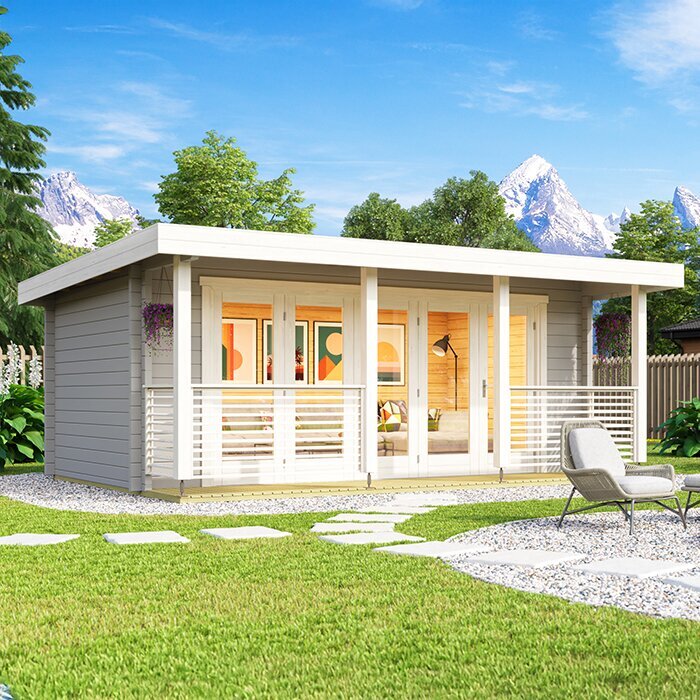
Make sure every document refers to the exact model and version you may order. If you are considering the Verdana 2 garden shed listing, request the current dimensions and any drawing the municipality asks for rather than estimating from the model name or a photograph. A catalogue listing is an identifier, not confirmation that the municipality has enough information to assess the proposal. Note what is confirmed and what is still outstanding, so you can give a complete answer if the official asks for clarification.
Confirm where the shed may stand
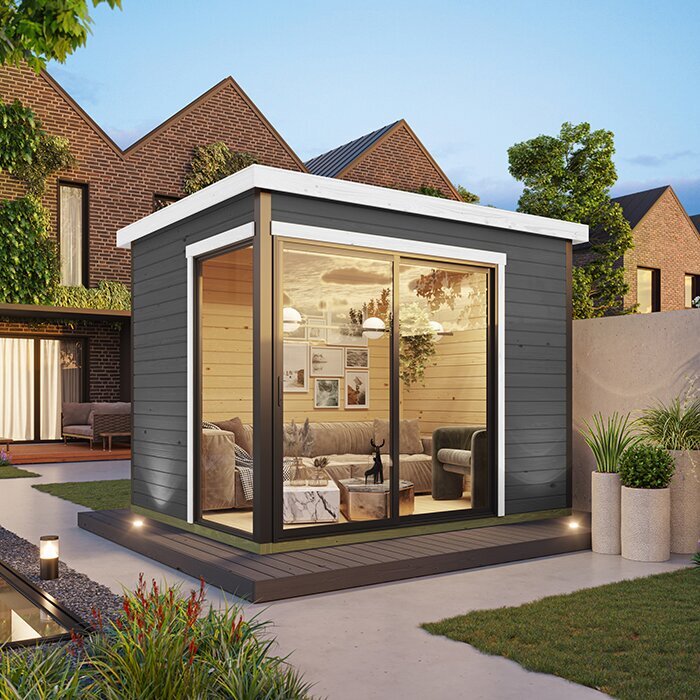
Ask whether any building line, boundary distance, servitude or other site condition affects the proposed position. If a minimum distance is relevant, check how the municipality measures it: for example, whether it refers to a wall or includes an overhang. Do not rely on a neighbour’s placement or an assumed setback. If you are discussing a particular option such as the Durano garden shed listing, give the official its exact external measurements and ask whether the proposed position changes what needs to be checked.
Also ask whether existing structures or recorded services affect the part of the property you have in mind, and whether stormwater or access needs to be addressed. The municipality can tell you which details matter for its assessment. If the boundary is uncertain or the property records do not match what you see on site, do not use a fence as proof of the legal boundary. Ask what plan or professional input is needed before you rely on a measurement.
Check zoning and other site conditions
Ask the municipality what zoning applies to the erf and how it treats the shed’s intended use and position. A general zoning description may not answer every question about a particular structure, so ask whether any land-use consent or other decision is needed. If you are comparing an option such as the Veltor 1 garden shed listing, identify the exact model while making the enquiry; the product name itself does not determine what the zoning permits.
Ask whether any recorded overlay, heritage consideration, environmental matter, stormwater issue or other referral affects the proposed location. These are questions to put to the relevant officials, not assumptions that every property has such a constraint. If a referral is needed, ask which department handles it, what information it requires and whether its response is part of the same process or a separate step. Use the municipality’s property information as a starting point, then confirm any unclear detail with the office responsible.
Check estate, body corporate and title conditions
Municipal guidance does not settle every rule that may apply to a property. If the home is in an estate or managed development, check its current design or building rules with the homeowners’ association or manager. For a sectional-title property, ask the body corporate which rules apply; if you rent, consult the landlord or lease. Title documents may also contain conditions worth clarifying. The right checks depend on the property, so establish who can give consent and what information that person needs.
Send the same proposed position, intended use and current shed details to the relevant owner or association, and ask for its response in writing. If a product choice is already taking shape, identify it with a page such as the Orello 1 garden shed listing and provide the requested supplier documents as well. A model name or photograph is not a substitute for private consent. Ask whether the association has its own submission sequence, design requirements or conditions before placing an order.
Match the municipal answer to the exact shed
Before treating an answer as clearance, check what it actually addresses: the erf, intended use, proposed position and structure. If the response is general, ask whether it covers the exact model and dimensions you plan to buy, or whether the municipality needs to assess a more complete submission. Keep any conditions with the response. This prevents a broad answer about a garden shed from being mistaken for a decision about a different product or a different part of the property.
If a supplier offers more than one version, record the exact product name and use its current technical documents to describe it. A listing such as the Modano 1 garden shed listing helps identify the item under discussion; it does not replace the details the municipality requests. Before switching to another model, ask whether the change affects the information already assessed. Even where the intended use stays the same, dimensions or position may be relevant to the original answer.
Clarify applications, fees and responsibility
If the municipality says an application is needed, ask what to submit, where it goes and who may lodge it. Check whether it requires a form, a site plan, technical drawings or information prepared by a suitably qualified person. Ask whether a fee applies, where to find the current amount and what stages follow submission. These details should come directly from the municipality; do not plan around a fee, processing time or document standard quoted for another property or authority. Ask whether the application must be decided before any order, delivery arrangement or site work is committed to, and whether a revised product or position would require an amendment or a new submission.
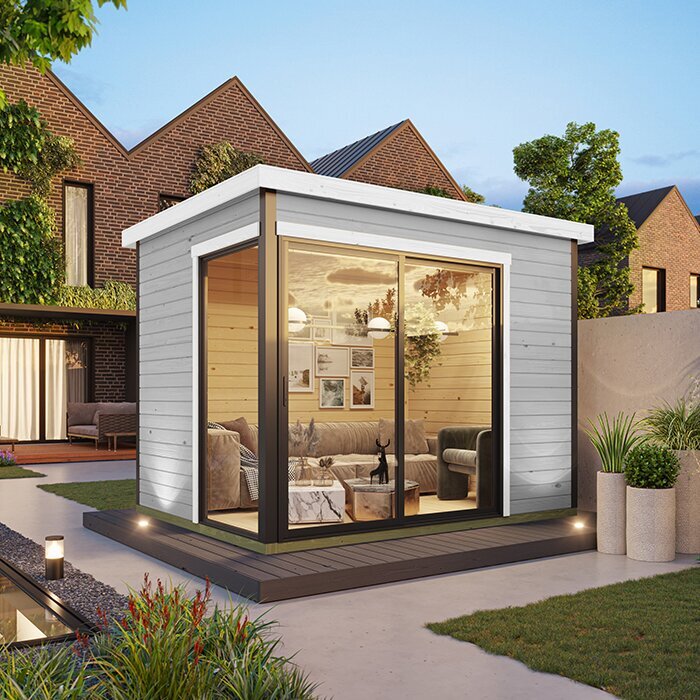
Keep a record of the submission, reference number, documents supplied and any request for more information. Ask how the municipality will communicate its decision and whether the outcome covers planning, building plans or both. When identifying the item in an application, a page such as the Wooden Garden Tool Shed M listing can help state which product you mean, but attach the exact supporting documents the official requires. Do not treat a product name as a drawing or approval document.
Check the details before placing an order
Before committing to a purchase, compare the exact product and its current specifications with the municipality’s written response and any separate property consent. Check that the details refer to the same erf, position and intended use. If you are considering the Wooden Garden Tool Shed S listing, use the listing name only to identify the item, then match it to current supplier information. If a detail is missing or appears different, ask the supplier or municipality to clarify it before relying on the earlier answer.
Keep the municipal correspondence, plans, supplier documents and any estate or landlord consent in one place. If the product, position or intended use changes, ask whether the response still applies rather than assuming it does. Where the municipality says no application is required, retain the answer and note the facts and conditions it covers. This leaves you with a clear record of what was checked before ordering and helps prevent a later change from being confused with the proposal originally assessed. A dated file of emails, sketches and attachments is also more useful than relying on a recollection of a telephone discussion when comparing the final order with the original enquiry.
Frequently asked questions
Does a small garden shed automatically avoid municipal approval?
Do not assume that size alone makes a shed exempt. Ask the municipality whether any exemption or simplified process applies to your exact erf and proposal, and how it defines the relevant measurements. The answer may also depend on the proposed position, structure and intended use. Describe the model using current supplier information and ask whether the response depends on its footprint, height or any other stated detail. A general answer about small outbuildings is not confirmation for a particular shed.
Is approval from an estate enough?
Not necessarily. Estate or homeowners’ association consent and municipal requirements are separate checks. Read the relevant estate rules and ask the association what it needs, while confirming planning and building-plan requirements with the municipality. One response should not be treated as a substitute for the other. The association may also have a submission form, design review or its own requirement for drawings, so ask about the sequence before treating municipal guidance as the final step.
What information should I include in my first municipal enquiry?
Give the property address and erf or stand number, a simple site sketch showing the proposed position, the exact shed model, its current external dimensions and height, and its intended use. Attach supplier drawings if you have them, and ask whether the municipality needs any other information. State whether the proposal is replacing an existing structure or is a new addition, if that is relevant, and request a reference number or written reply so that you can keep the enquiry with your records.
Can I rely on the approval for a neighbour’s shed?
Use it only as a prompt for questions, not as confirmation for your property. The neighbour may have a different erf, zoning, position, structure or approval conditions. Ask the municipality to assess your own address and the exact shed you plan to order. Even when the sheds appear similar, differences in supplied information or private estate rules can mean that the neighbour’s outcome does not apply to your proposal.
What if the municipality says I do not need to apply?
Ask for written confirmation, if available, and check that it refers to your erf, proposed position, exact structure and intended use. Ask whether the answer covers both planning and building-plan requirements, and note any conditions. Keep it with your records and check separately for private property rules. If you later choose another model or move the proposed position, ask whether the original response remains applicable before relying on it.
A reliable answer connects the address to the exact shed you intend to buy. Confirm which municipality handles the erf, ask what approvals or information apply to the proposed structure and position, and check any separate estate or title conditions. Keep the response with the supplier documents and order details. That way, the purchase follows the proposal the relevant people actually considered, rather than an assumption based on a general rule or another property. If anything changes before you order, revisit the point with the municipality or private decision-maker that gave the earlier response and retain the updated correspondence with the original records.
