
Garden shed privacy without losing natural light
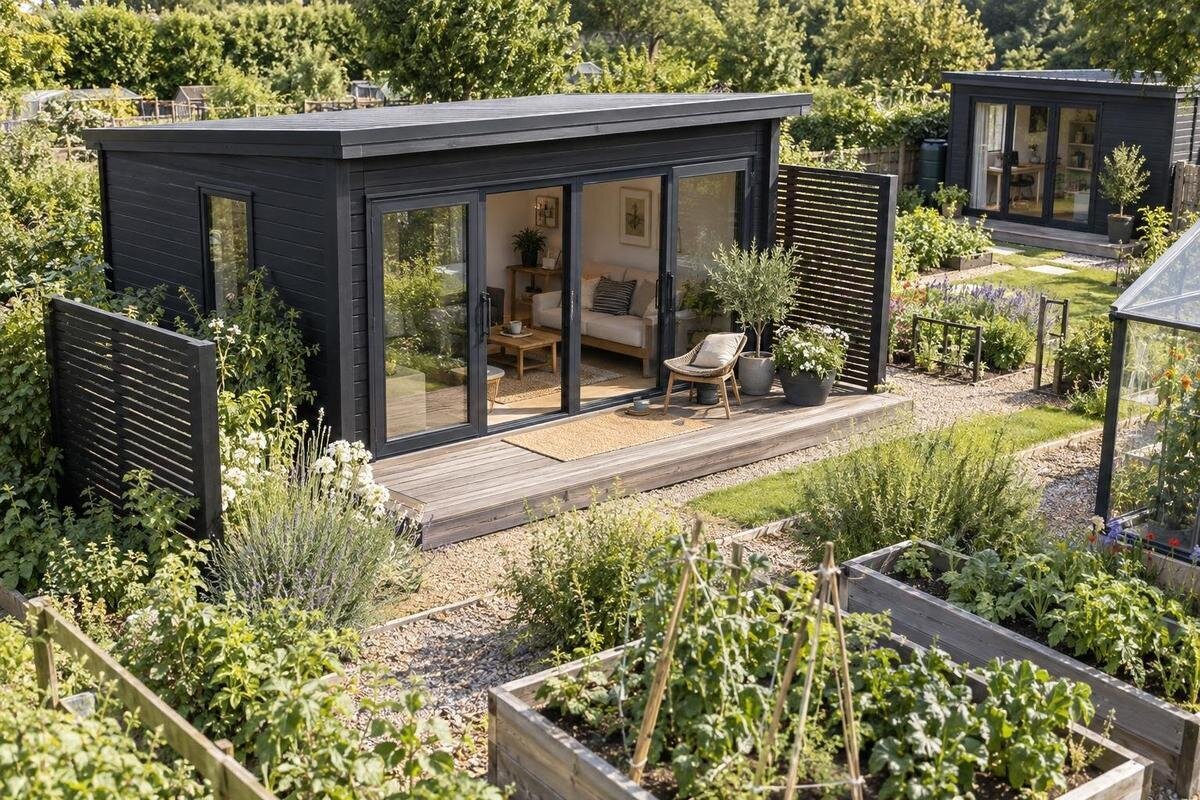
Garden shed planning
Balancing privacy and natural light in a garden shed starts with the views around it, not with a single window treatment. A clear opening can brighten a workspace but expose its interior to a path, nearby home or seating area; a heavy screen can solve that view and leave the room gloomy. By mapping the sightlines, deciding what needs to stay out of view and checking a product’s exact opening details, you can choose a layout that gives useful daylight without making the shed feel overlooked. The ideas below focus on planning and purchase decisions, not on assuming that a particular model has a feature it has not listed.
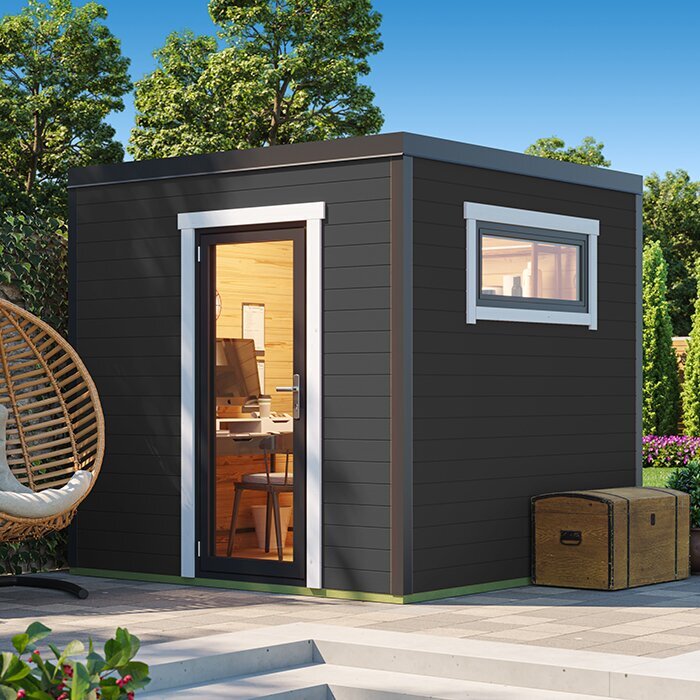
Before you buy 1
Separate privacy from the need for daylight
Privacy is not the same as darkness, and a garden shed does not have to be sealed off from every view. Begin by naming what you want to conceal: the whole interior, a work surface, stored belongings, or the person using the room. Then identify the viewpoints that matter, such as a frequently used path or a neighbouring window. A direct view into the shed may feel different from a passing glimpse across the garden, so decide which one you are trying to manage. The need also changes with use: occasional storage has different privacy requirements from a room where someone spends time. This distinction can prevent an unnecessarily broad fix, such as covering every opening to solve one exposed sightline.
Keep daylight and privacy as separate checks in your planning notes. Ask where you need natural light to fall, whether you want to see out, and whether someone outside could see in at the same time. A bright patch beside a window does not necessarily help the back of the shed, while a screen can cut out light arriving from one side. Consider daytime and evening use too: an illuminated interior may be more visible after dark. Write a specific goal, such as blocking a direct view from the path while keeping light at a work area, rather than simply asking for a private shed. That gives you a clearer basis for comparing window layouts, coverings and outdoor screening without treating them as interchangeable.
Map sightlines around the proposed position
Sketch the proposed shed position and mark the places from which it may be seen. Include doors and windows in your home, neighbouring buildings that overlook the garden, paths, gates and places where people sit or work. Add the boundary and any existing fence, but do not assume a fence blocks every angle: a raised patio or upper-floor window may have a clear view over it. Walk the likely routes at ordinary standing height, and sit in places where someone might use the garden. The aim is not a precise survey; it is to spot everyday viewpoints that should guide the shed’s position and the orientation of its openings.
On the sketch, mark possible windows and draw a line from each observer point towards the interior. Notice whether a view is direct, oblique or blocked by a permanent feature, and how important it is in ordinary use. Repeat the check when plants have little foliage and at different times of day; shadows and activity in the garden can alter the sense of exposure. If you are considering the Verdana 1 garden shed, compare its actual plan and listed opening details, where available, with your sketch. A model name or product photo alone does not establish where a window sits or what can be seen through it.
Before you buy 2
Choose window positions for the views you want
A window’s position can matter more than a general claim that a shed is bright or private. An opening on a side that receives useful light but does not face the busiest route may meet both aims; whether that works depends on nearby buildings, trees, orientation and the time of day. Walk the plot and note when each wall is shaded. Do not make the decision from one sunny visit or assume a particular compass direction will suit every garden. If the shed will be used for work, note where the daylight reaches the bench or desk too: a bright area by the door may not help the part of the room you use most.
Consider whether you need a view out or only natural light. A higher opening, or one shifted towards the less exposed end of a wall, can sometimes reduce direct eye-level views while admitting daylight. It may also change the outlook, and it will not solve an overhead view from a nearby upper floor. A lower, clearer window may feel more open but reveal more of the interior. Put alternatives on a plan before choosing. For a listing such as the Verdana 2 listing, check the written opening details for the exact version, if supplied; do not assume a similarly named version has the same arrangement.
Use glazing treatments without darkening the whole shed
Changing the window surface rather than its position may give you daylight while obscuring some views. Frosted or patterned glazing, translucent coverings and purpose-made privacy film can soften direct visibility while allowing some light through. They do not provide the same outlook as clear glazing, and the degree of concealment varies with the product, distance, lighting and viewing angle. A treatment that looks opaque from one side in daylight may offer less privacy once the interior is lit after dark. Treat a description such as ‘privacy’ as something to verify, not as a guarantee. Where possible, inspect a sample in front of a similar opening, from inside and outside and under different lighting conditions.
You may need privacy across only one part of a view. If a design has separate sections of glazing, covering a lower area or the side facing a path may preserve a clearer outlook elsewhere. If it does not, a movable blind or curtain can give you more choice. Check that a proposed treatment still lets you open and clean the window, and confirm that it is suitable for the particular glazing. Follow the supplier’s directions rather than applying adhesive or fixing anything by guesswork. When assessing the Durano garden shed listing, use written glazing details, if provided, to establish what is included and what can be changed; a product image cannot settle that.
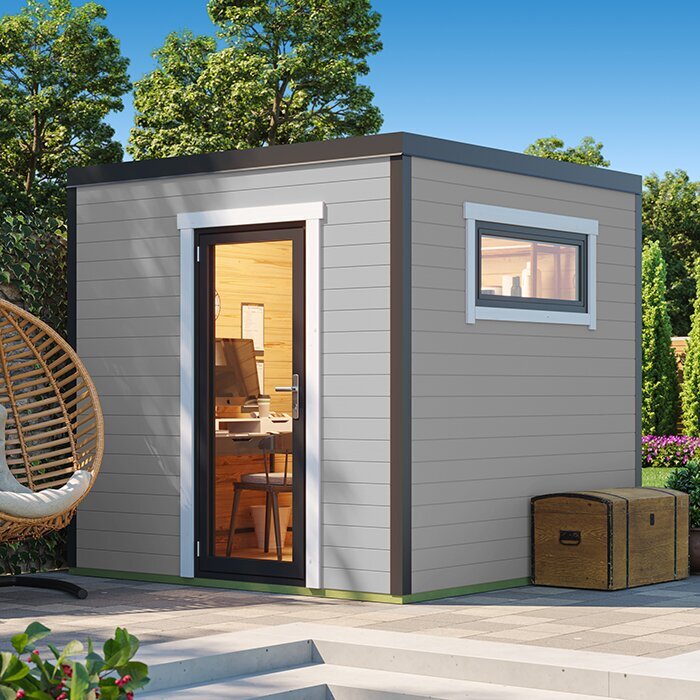
Before you buy 3
Place outdoor screening carefully
Outdoor screening can intercept a view before it reaches the shed, leaving the window itself clear. Depending on the site, options might include a planting bed, trellis, freestanding screen or an existing fence used at a different angle. Mark the observer’s position and the line to the window, then place the screen across that line rather than automatically running it along the whole boundary. A partial screen beside or in front of an exposed window may block a direct view while leaving other parts of the garden open. Check the effect from indoors too: a screen close to the wall can reduce light arriving from that direction.
Allow for how a screen will work over time, not just when it is new. Plants take time to fill out and may lose foliage; dense mature growth can also shade a window more than young planting. A rigid screen may need upkeep or make access awkward if it sits in a door route. Look at the proposed position from inside and consider how much sky and open garden the window will still see. Use a listing such as the Veltor 1 garden shed as a candidate to compare against your actual site plan, not as evidence that a particular screening arrangement is included or suitable.
Use adjustable coverings when you need privacy
Interior curtains and blinds can give you privacy when needed and open up the window at other times. A sheer or translucent material may soften views in daylight while still allowing light through, but it may not conceal detail from every angle. In the evening, an illuminated room can make movement or silhouettes more noticeable through some fabrics. If evening privacy matters, check the actual material from outside under similar conditions rather than judging it only from indoors. A covering that is fully opaque can block the view, but it will also reduce the daylight coming through that part of the window while closed.
Choose a treatment that is easy to operate and can be moved fully clear when you want the window uncovered. Check that it will not obstruct the handle, the opening path or access for cleaning. If you are considering the Orello 1 listing, compare its written opening information, where available, with the type of covering you have in mind; do not infer the window arrangement from the model name. For any shed, confirm the covering’s fit and suitability for the particular glazing before ordering it. A simple, adjustable option is most useful when it responds to the times and viewpoints that actually concern you.
Before you buy 4
Match window privacy to the interior layout
The way you arrange the interior affects what can be seen from outside. A person seated at a workbench has a different eye line from someone standing at shelves, and a window that gives a useful view from one position may expose another part of the room. Before choosing a shed, sketch the main work area, storage and the routes through the room. Note where someone will sit or stand, then compare those positions with the outside sightlines. Avoid placing tall items directly in front of the opening if they would block the daylight you want; instead, consider whether the window and the main work area can be positioned to serve each other.
Use the actual plan for the exact version you are considering, if one is available, and mark in your intended furniture or storage. This reveals potential conflicts before you order, such as an opening on a wall where you expected to put shelving or an exposed view towards a frequently used route. When reviewing the Modano 1 listing, check its published layout and opening details against your own sketch rather than assuming a particular arrangement. If the information is not clear, ask what is included in that version and whether the position can be changed. Do not rely on a staged interior to show how your own layout will work.
Compare written product details, not just photographs
Product photographs can help you picture a shed, but perspective, styling and the angle of the image may make window positions hard to judge. For each option, look for a plan and written details that identify the openings, their position and size, and the glazing included in the version you are considering. Check whether images and descriptions refer to the same variant. If a detail is not stated, treat it as unknown rather than filling the gap with an assumption. This matters when privacy depends on a specific wall having no direct opening, or when a planned screen must line up with a particular window.
A simple comparison table can keep the decision focused. Record the exact version, the information provided about its openings, what remains unclear and how well it fits your sightline sketch. Ask the seller for clarification before you order if a key detail is missing. For example, treat the wooden garden tool shed M listing like any other candidate: its title alone does not confirm whether its openings match your privacy plan. Compare the available written information with your requirements, and make sure any answer you receive refers to the version you intend to buy.
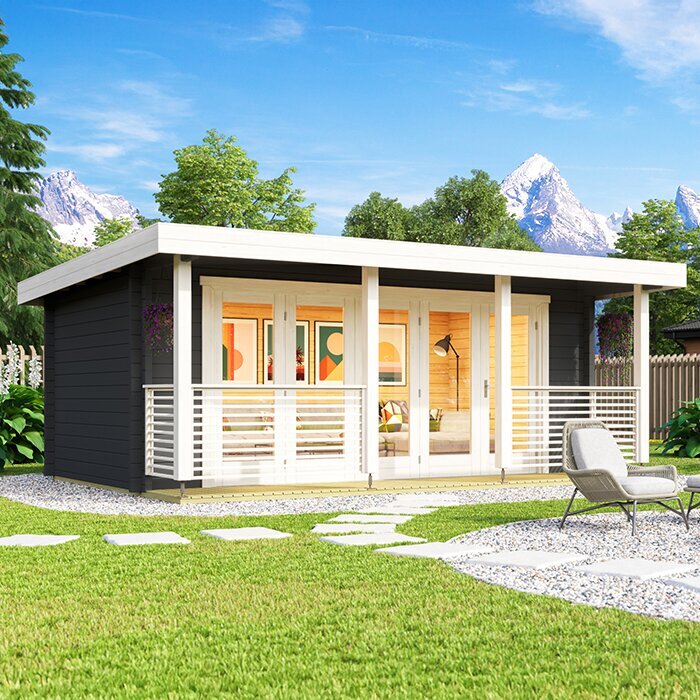
Before you buy 5
Plan for changes to the garden and the shed
A privacy plan that works today may need adjusting as the garden changes. New planting, a changed seating area or a different route through the garden can create new viewpoints; trimming or loss of foliage can also reopen an old one. If your solution depends on a movable screen or covering, consider whether it can be repositioned or adjusted without blocking the light you want to keep. Avoid relying on a single temporary feature as the only barrier to an important sightline. A little flexibility in the plan can make it easier to respond without having to replace a window treatment or rethink the whole position of the shed.
Separate simple coverings from changes to the shed itself. Before applying a film, drilling into a frame or altering a wall, check the product guidance and ask the supplier whether the change is suitable. If the plan involves changing glazing or cutting a new opening, get advice from the supplier or a qualified installer first; do not assume an alteration is straightforward or permitted for that product. If the wooden garden tool shed S listing is on your shortlist, verify its actual listed layout and the options for that version before planning any later changes. This keeps the privacy solution aligned with what you are actually ordering.
Test the layout before ordering
A temporary mock-up can expose problems that are easy to miss on a screen. Mark the proposed shed corners and window positions with temporary markers, then stand at the viewpoints you identified earlier. Check whether the inside of the marked window would face a path, seating area or another overlooking window. If a screen is part of the plan, mark its proposed position too and view the space from inside. Repeat the exercise from the likely seated and standing positions in the shed. This is a practical way to judge sightlines before committing to a product; it does not need to replace the measurements or drawings for the final order.
Use the test to make a short list of requirements: which views must be blocked, where natural light is most useful, and whether you need a clear view out. Then compare those needs with the exact product details, including the stated window layout, glazing and any available options. Confirm what is included and what would need to be arranged separately. If a detail affects the privacy plan and is not clear in the listing, ask for confirmation before placing the order. A decision based on a tested layout and written information is more dependable than choosing a shed because a single photograph looks bright or secluded.
Frequently asked questions
Will a smaller window automatically make a garden shed more private?
No. A small opening can still face a busy path or a neighbour’s window, while a larger opening on a less exposed side may be easier to screen. Position, height and viewing angle matter as much as size. Compare the exact layout with the sightlines around your garden before deciding.
Can frosted glazing keep a shed private after dark?
It may obscure a clear view, but how much it hides depends on the glazing, lighting and viewing angle. An illuminated room can still reveal movement or shapes through some translucent surfaces. Check a sample from both sides in different lighting conditions, and do not assume that a daytime appearance guarantees privacy at night.
Will outdoor screening make the interior too dark?
It can reduce light from the direction it blocks. The effect depends on the screen’s position, height and density, as well as the window and the surrounding garden. Mark the proposed screen position and view it from inside before committing. A partial screen across one sightline may preserve more daylight than screening the whole wall.
Are blinds or curtains a complete privacy solution?
They can provide adjustable cover, but they do not change the view into the shed when they are open. Some light fabrics also leave movement or silhouettes visible, particularly when the interior is lit after dark. Check the covering from outside and make sure it can be opened fully when you want the daylight.
What should I check on a garden shed listing before ordering?
Look for the exact version’s plan and written details about window positions, sizes, glazing and what is included. Confirm whether the layout can be changed, if that is important to your plan. Use the information provided rather than relying on a model name or photograph, and ask the seller or a qualified installer about any proposed alteration.
A bright, private garden shed is usually the result of several choices working together: a suitable position, openings that suit the important sightlines and screening that does not shut out all the daylight. Decide what needs to stay hidden, test the proposed layout from inside and outside, and compare it with the written details for the exact product version. That way, privacy is based on the garden you have and the way you plan to use the shed, rather than on a photograph or a general product description.
