
Garden Sheds, Summerhouses and Log Cabins: What Do the Names Mean?
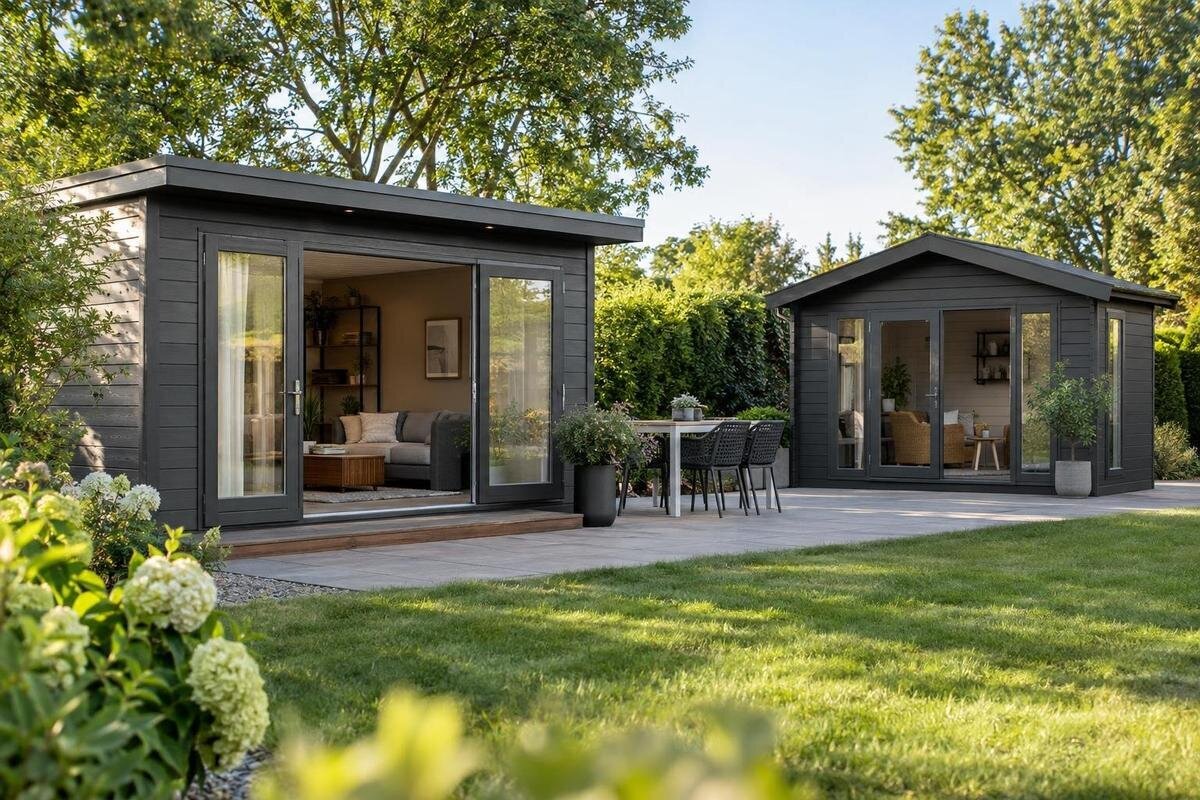
Garden house planning and ownership
A garden shed, summerhouse or log cabin can sound like a different kind of purchase, even when the names are being used to describe garden buildings in overlapping ways. In ordinary use, a garden shed tends to suggest practical storage, a summerhouse a place to sit or relax, and a log cabin a timber-led construction or cabin-like style. Yet sellers do not apply these labels consistently. A product may appear in a Garden Sheds category while its description uses broader wording such as garden house. Treat the name as a clue to the seller’s framing, not as a complete description of construction, included items or allowed use. The product details matter more than the label.
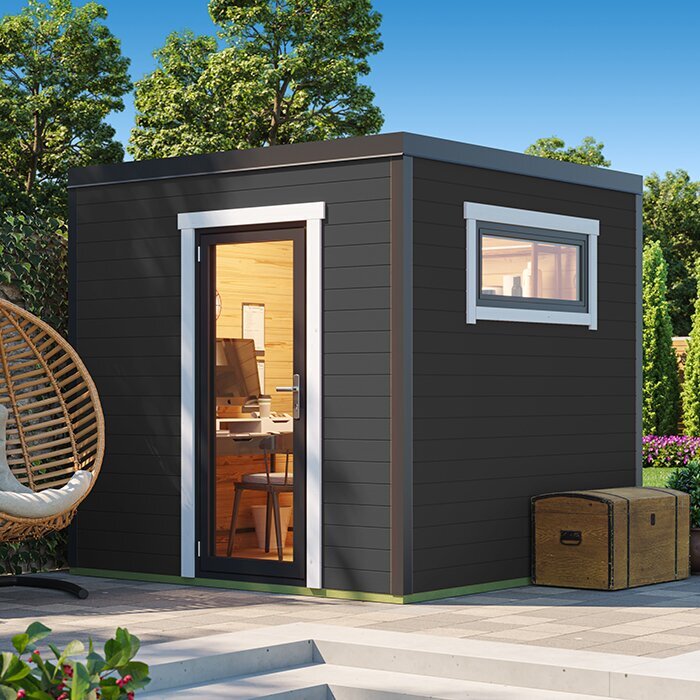
What the names usually tell you
Garden shed, summerhouse and log cabin are everyday labels, not a guaranteed three-part classification. A garden shed usually brings practical storage to mind; a summerhouse suggests a place to sit or relax; and a log cabin often suggests timber construction or a cabin-like appearance. Those associations can help you interpret a title, but they do not establish the building’s size, wall construction, insulation, included items or permitted use. Sellers may use the same word for different products, and several labels may describe one building from different angles. A catalogue entry such as the Verdana 1 garden shed listing is best read as a product name until its description and specification explain more.
That is why no single definition will sort every listing. A retailer might place an item in a garden-shed category while using garden house in the description, or use summerhouse to convey a leisure-oriented idea. One term may refer to the broad product family, another to an imagined activity, and a third to appearance. Distinguish the category heading, model name, descriptive copy and product-specific specification. If the wording seems inconsistent, do not guess which part takes precedence. Identify the facts that matter to your plans and look for them in the details. The name can help you search, but it cannot fill in missing information.
Garden shed: a practical label
The garden-shed label usually has a practical, utility-led association. People might look under it for a place to keep tools, pots, outdoor equipment or other belongings. That gives you a clue about the expected role, not how much will fit or whether a product includes shelves, hooks or a work surface. A page named the listing titled Wooden Garden Tool Shed M is an example of title wording, not evidence of its package contents. Check stated measurements, layout, access and supplied items before deciding that a listing meets a storage need. Consider how you will move larger belongings through the entrance as well as where they will sit once inside.
The term does not promise a particular appearance either. Retailers may use garden shed as a broad category for quite different-looking buildings, while a product title containing shed may emphasise storage rather than any other possible use. Do not decide that a building is too basic—or sufficiently room-like—on that word alone. Note what matters to you and look for matching facts in the listing: openings, internal clearances, surfaces, maintenance details and stated purpose. If an important point is not clear, ask the supplier before ordering and keep the reply with your order records. This prevents an everyday label from standing in for a specific feature.
Summerhouse: a leisure association
Summerhouse usually points to a place for leisure: somewhere to sit, read, enjoy a view or spend time in the garden. The word can be useful when you are looking beyond a storage-led idea, but it does not guarantee windows, glazing, a particular layout, seating or an interior finish. A listing may use another name even when you are comparing it with a summerhouse; for instance, the Durano garden-shed listing has a different product name. Treat that wording as the seller’s label, then read the product description to see what is actually specified. The word alone cannot tell you how the space is arranged or what has been included.
The name does not mean that the building can only be used in summer, nor does it promise comfort in every season. It is not a rating for insulation, ventilation or weather protection, and it does not confirm suitability for year-round occupation. If you plan to spend extended time inside, look for relevant product details rather than relying on the seasonal implication of the name. Glazing, door arrangement, privacy and ventilation may all affect whether the building suits your intended setting, but check each point in the written information. A pleasant-sounding label cannot tell you how a particular building will perform.
Log cabin: construction or style?
In everyday use, log cabin often brings to mind a building whose walls are formed from substantial timber pieces, sometimes with a distinctive log profile. In a retail catalogue, however, the term may refer to a construction approach or to a cabin-like style. It is not enough to establish how the walls are built. Even a specific-sounding product name, such as the Orello 1 product listing, should be treated as an identifier, not proof of a particular wall system or suitability for accommodation. The distinction matters if you have a particular expectation about the building’s materials, appearance or use.
If the construction method matters, look for an explicit description and a product-specific plan. Check what the supplier says about the wall material and arrangement, and whether the published information covers the roof, floor and openings as well. Do not infer insulation, weather performance or suitability for a workshop or living space from the words log cabin, a photograph or a general category. If the product page does not explain a detail that affects your decision, ask the supplier to clarify it in writing. For a proposed use that depends on technical performance, seek advice from a suitably qualified professional rather than interpreting the label as a guarantee.
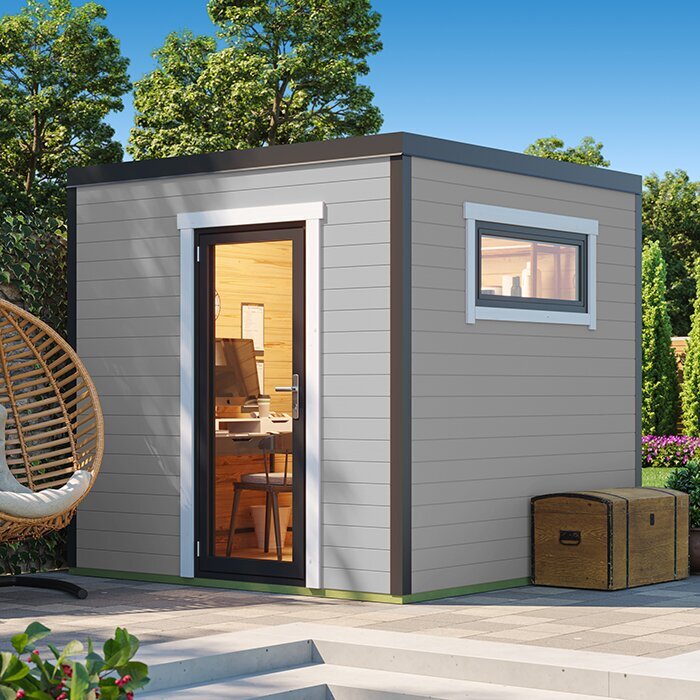
Garden house: an umbrella term
Garden house is often a broad, neutral way to refer to a building in the garden. A seller may use it for products described elsewhere as sheds, summerhouses or cabins, without defining a specific construction method or activity. It can be useful as a general search term, but it does not tell you whether a building is primarily intended for storage, leisure or another purpose. A listing titled Garden Shed Verdana 2 illustrates why the product’s full wording matters: the name alone is only one part of the information provided.
Pay attention to where the term appears. A website category may group products for browsing; a product title may be chosen to identify an individual model; and a longer description may explain its stated purpose. Those labels can differ without the listing being contradictory. When two pages use garden house and garden shed differently, compare their product-specific details instead of trying to settle which one has the correct label. Look for the information you actually need, such as construction, layout, measurements and included items. In a retailer’s catalogue, the broad term helps organise products; it is not a substitute for an exact specification.
Why product names overlap
The three names describe different kinds of ideas. Shed tends to suggest a practical role, summerhouse suggests leisure, and log cabin can suggest construction or appearance. Garden house is broader still. A seller may choose a title to convey one of these associations, while a category heading or description uses another. A short model name such as the Modano 1 listing may identify the product without explaining its purpose in the title at all. Overlap between terms is therefore normal in shopping language, but it does not mean that every product labelled this way has the same layout or features.
When comparing listings, set aside the labels for a moment and compare like with like. Consider the stated purpose, documented construction, layout, openings, measurements and any details that matter to your intended use. If one title says cabin and another says shed, ask what is actually different in the information provided. A difference in name may reflect the seller’s emphasis rather than a documented difference in materials or suitability. Conversely, two pages using the same word do not prove that the products are alike. Use exact model names to keep them separate, then base the comparison on details the seller has specified.
Read the name against your intended use
A label is most useful when you notice the expectation it creates. If shed makes you think of storage, identify which belongings you need to keep there and what access they require. If summerhouse suggests a place to relax, think about the layout, openings and privacy that would matter to you. If log cabin brings a particular construction to mind, check that the published description supports that interpretation. A short name such as Veltor 1 may not explain the intended use by itself, so read the surrounding product information rather than drawing conclusions from the model name.
This is not about choosing the word that sounds most appealing; it is about checking that the described building matches the role you have in mind. For storage, verify the available space and entrance details against the things you plan to put away. For leisure or a hobby, look at the documented layout and openings, and check whether the stated use fits your plans. Do not assume that a shed can automatically serve as a room, or that a summerhouse is ready for continuous occupation. If your expectations go beyond the product description, get clarification before treating the label as evidence of suitability.
Check the listing behind the title
Read a product page in layers. First note the category and exact product name; then look for the description, plans, specifications and any selectable options. A name such as the listing titled Wooden Garden Tool Shed S identifies a product, but its final letter should not be taken to mean a particular size or layout unless the listing defines it. Likewise, a photograph can help you recognise a product but cannot confirm its measurements, construction or included components. Keep the model and version clear as you compare pages, especially where similar wording appears in more than one title.
Before ordering, check the written details that affect fit and use: the stated dimensions, layout, materials, openings, package contents and any options you have selected. Confirm what is included rather than assuming that items shown or mentioned informally are part of the order. If installation or other services are offered, check their scope separately instead of treating them as part of the product name. Ask for clarification when a detail is absent or unclear, and retain the relevant product information and order confirmation. A complete record makes it easier to confirm which description and version your purchase was based on.
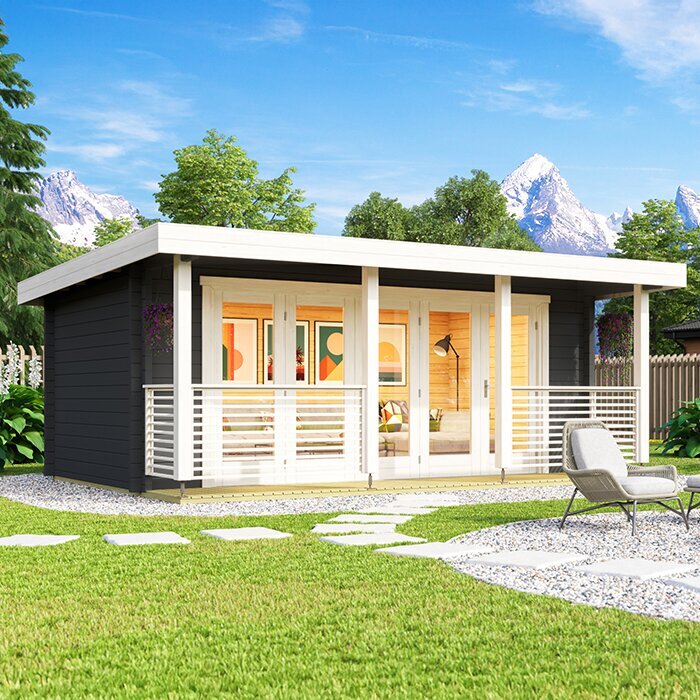
The name does not settle permissions or suitability
A retail label cannot determine what requirements apply to a particular property or proposed use. A building called a garden shed, summerhouse or log cabin is not automatically approved for sleeping, continuous occupation or any other use you have in mind. If your plan goes beyond ordinary garden storage or occasional leisure, check the relevant requirements before purchase. For a South African property, ask the relevant municipality and a suitably qualified local building professional about your location and proposed use, using the actual product details rather than the catalogue label.
Property-specific conditions may also matter. If you rent, belong to a body corporate or live in an estate with its own management arrangements, check the relevant property rules before committing to a building. Plans involving electrical or water services, or changes to the structure, should be discussed with appropriately qualified professionals. A product description can explain what the seller offers, but it cannot assess the conditions at your site or establish that a proposed installation is suitable. Keep those questions separate from the name you use when searching for a building.
Keep precise records after purchase
After ordering, keep the exact model name, product description, order confirmation, plans, instructions and details of any options selected together. The words used in a conversation may differ from the category or product title shown online, whereas an exact model name helps identify the item. That is useful if you need to clarify what was supplied, discuss an instruction or find information about a component later. Keep a copy of the version of the product information that applied to your order, rather than relying on memory of a broad label such as shed or cabin.
The terminology remains just as limited when you own the building. A later description of it as a summerhouse does not change the original construction details, and calling it a garden shed will not establish whether a proposed alteration is compatible. Before changing its use, adding services or modifying the structure, check the product information and ask the supplier or a suitably qualified professional about the specific proposal. For maintenance or replacement parts, use the precise product identity and relevant instructions rather than searching only by a general term. Clear records make those conversations more accurate.
Frequently asked questions
Is a summerhouse only for use in summer?
No. The name suggests a leisure use, but it does not set a season or guarantee comfort in particular weather. Check the product details for the building’s stated purpose and features before planning to use it throughout the year.
Does a log cabin have to be made from solid logs?
Not necessarily. Sellers may use the term for a construction method or for a cabin-like style. Read the wall and construction details, or ask the supplier to clarify them, rather than relying on the product name or photograph.
Can a garden shed be used as a leisure room?
The word shed does not decide that. Check whether the layout, openings, materials and stated intended use fit your plans. If you want to occupy the building in a way that may require approval, confirm the relevant requirements before ordering.
Is garden house an official building type?
In retail, garden house is often used as a broad label for a garden building. Do not treat it as a technical or legal classification. For questions about a proposed use or local requirements, check with the relevant authority and a suitably qualified professional.
How should I compare listings with different names?
Use the exact model name to keep track of each product, then compare documented details such as construction, measurements, layout, included items and intended use. Treat labels such as shed, summerhouse and log cabin as clues, not as a substitute for those details.
The names are useful shorthand: shed points towards practical storage, summerhouse towards leisure, log cabin towards a construction or style, and garden house often works as a broader label. None of them tells you everything about a particular building. When choosing between listings, keep the exact product name for reference and compare the documented details with your intended use. If that use raises questions about property requirements or technical suitability, check those separately with the relevant authority or a qualified professional. That way, familiar terminology helps you navigate the options without being mistaken for a specification.
